The available reviews present a strongly polarized picture of A. Holly Patterson Extended Care. Many families and former residents describe effective rehabilitation services, attentive bedside care from particular nurses and therapists, and a well-equipped therapy department that supported measurable functional gains. Positive comments emphasize on-site medical capabilities (including physicians and 24-hour respiratory support), specialized clinical units, a variety of meal choices with dietitian involvement, organized recreational programming, and culturally tailored services such as a Korean unit. Several reviewers also noted improvements under recent leadership and instances of responsive management and good family communication.
At the same time, a substantial set of concerns recurs across reviews and suggests operational inconsistency. Staffing levels and coverage are described as variable, with corresponding delays in attending to resident needs and call-bell response times. Families raised issues with medication timing and pain management, and some flagged gaps in clinical oversight and physician continuity. Safety practices related to transfers and fall prevention were questioned in several accounts. There are also repeated references to sanitation and odor concerns in particular units and to pest-control concerns in a few reports, which indicate uneven housekeeping or environmental maintenance in parts of the facility.
Communication and administrative processes are another mixed area. Some reviewers found social work and admissions staff helpful, while others described slow or unresponsive social work communication, inconsistent family updates, and difficulties obtaining timely documentation. Complaints about lost or mishandled personal items, billing discrepancies, and therapy charges without clear documentation point to weaknesses in property controls and record-keeping. A small number of serious allegations—including theft and problematic staff conduct—appear in the record; these merit direct inquiry and, where appropriate, escalation to oversight channels.
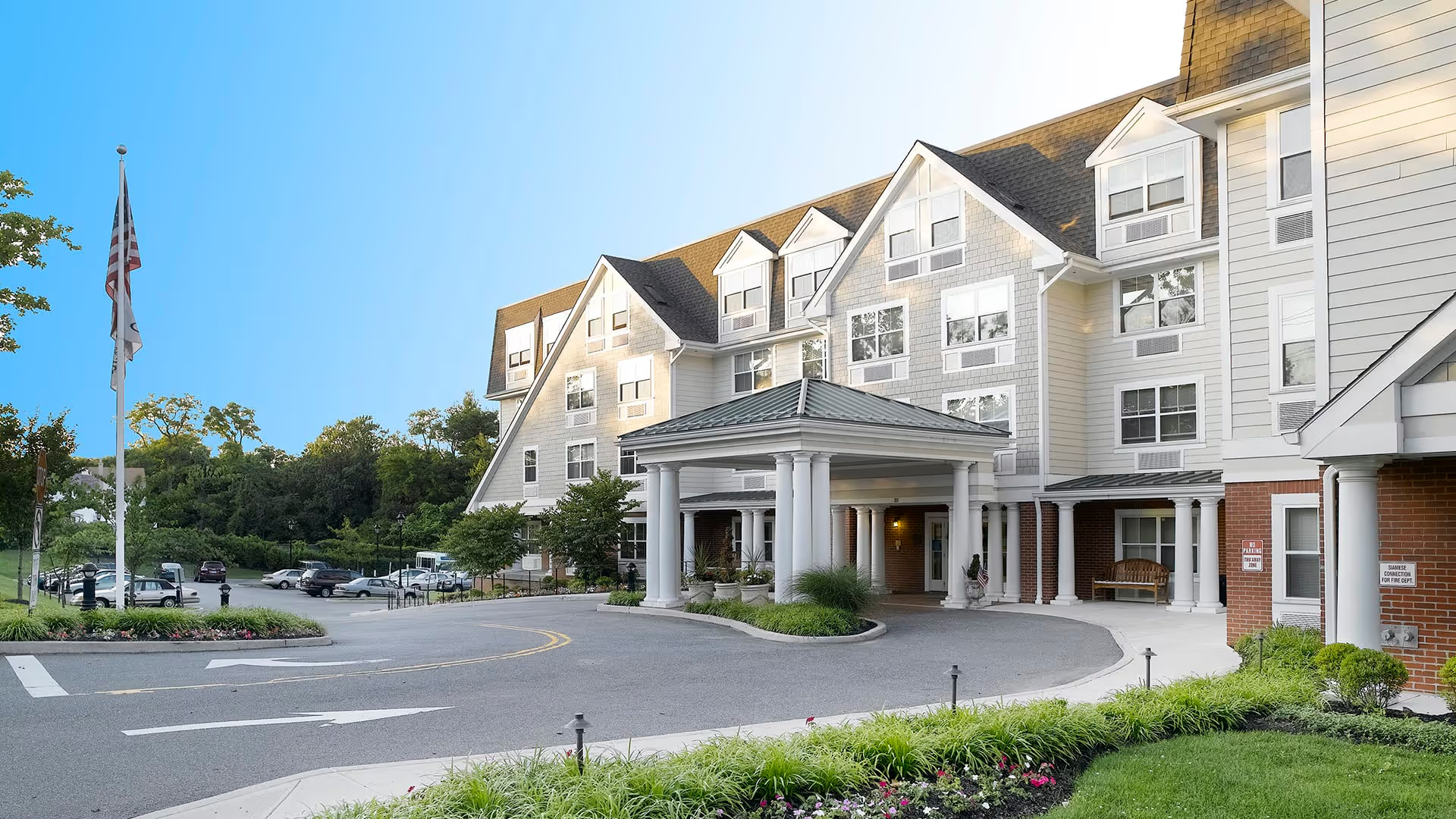
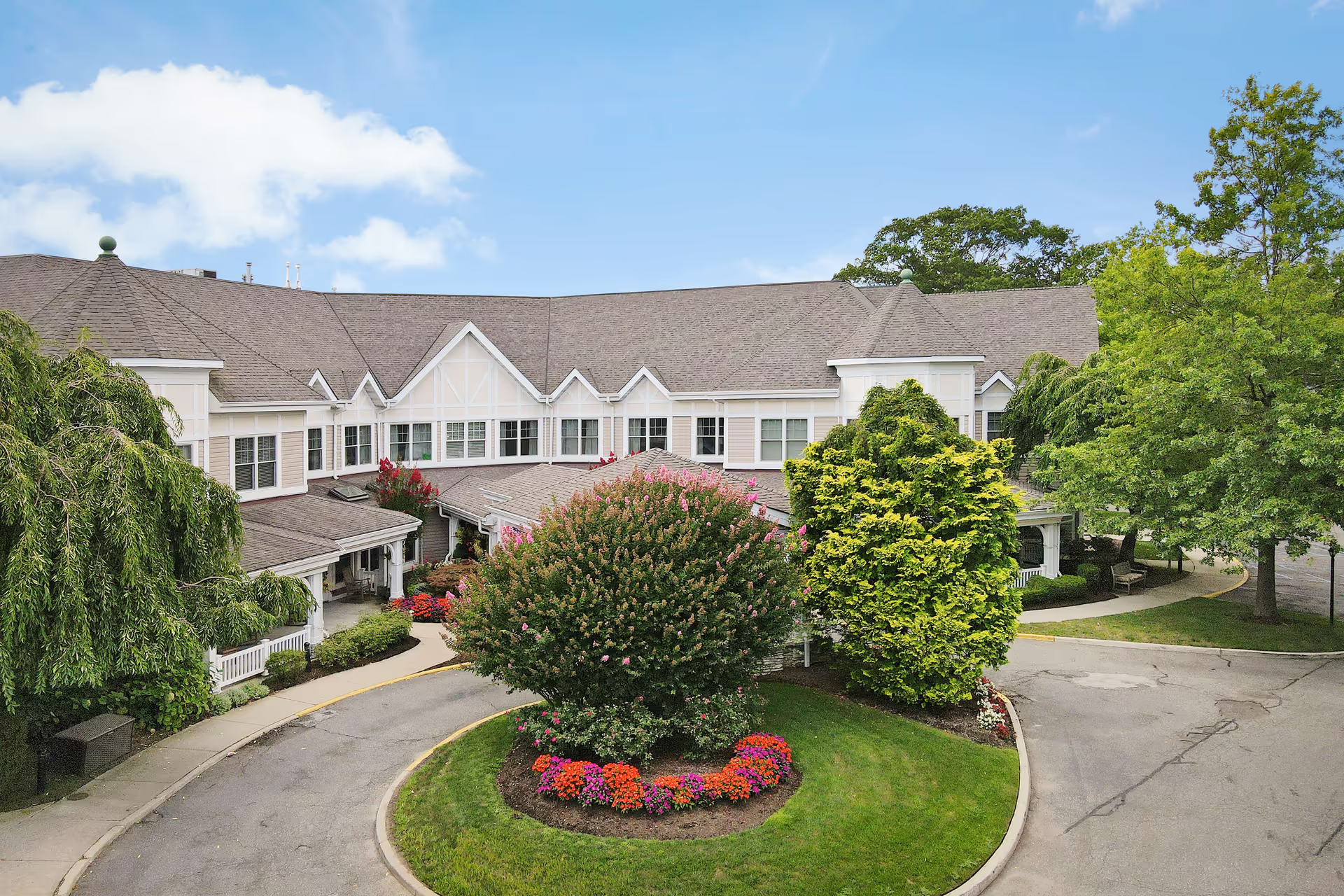
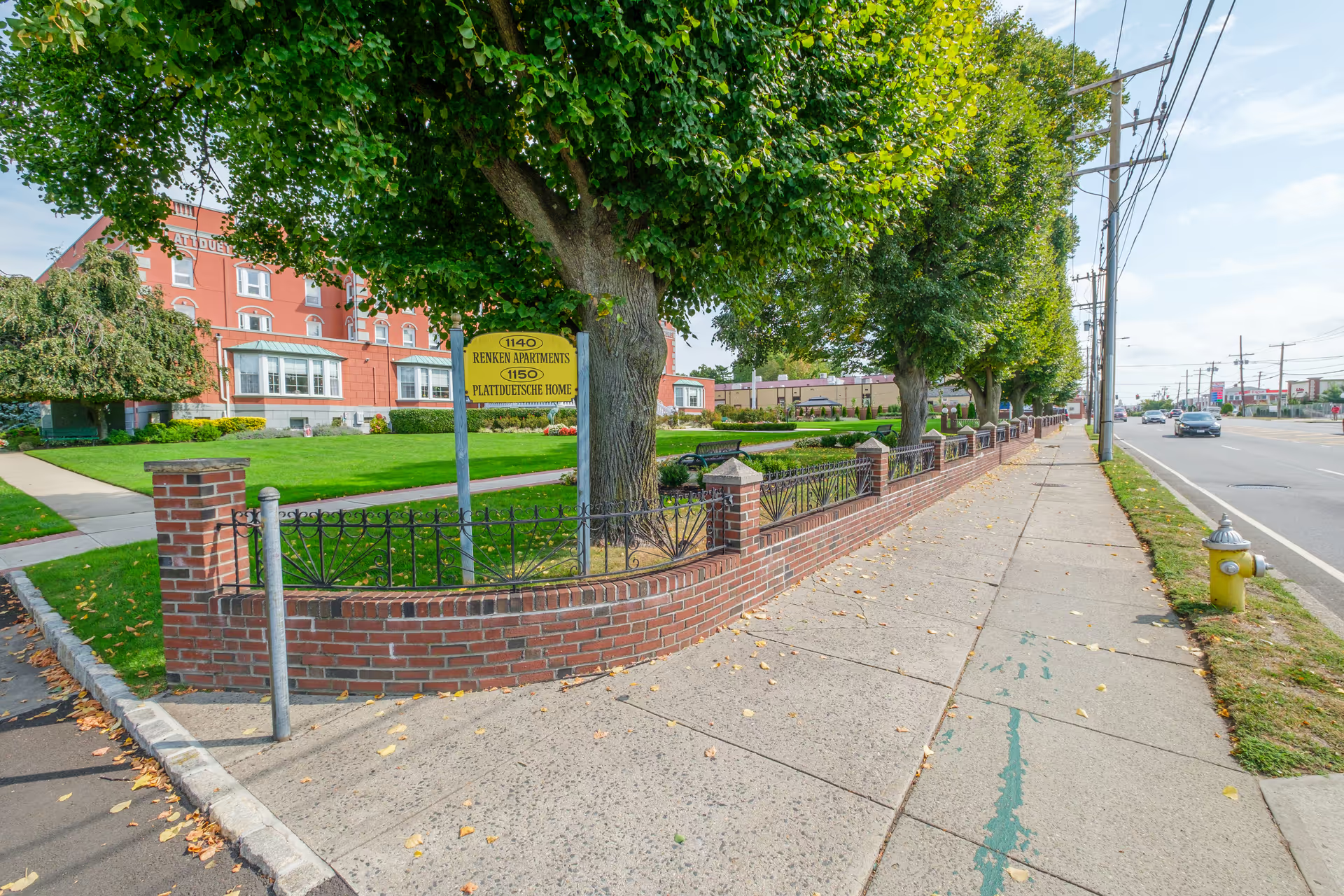
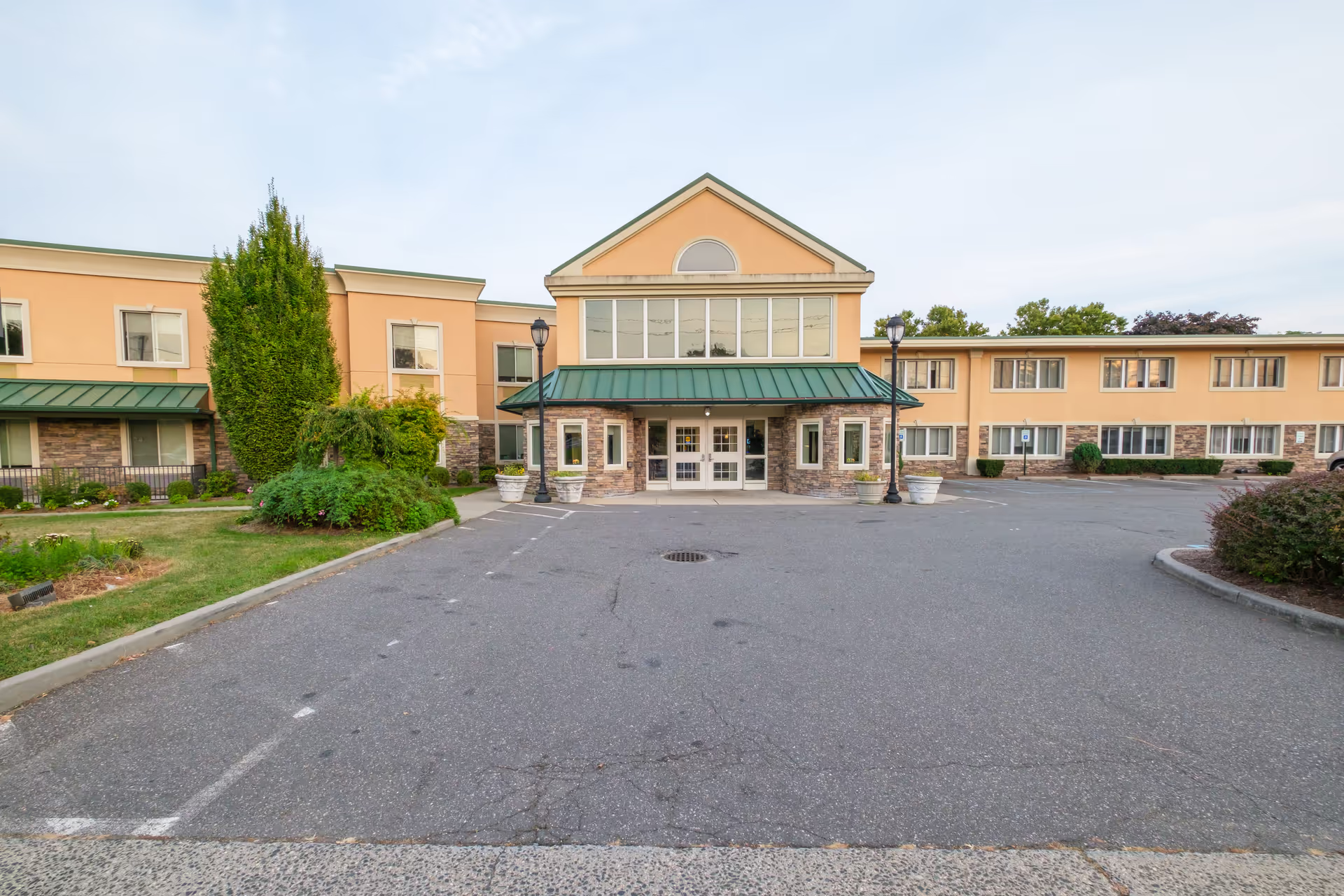
Dining and activities receive both praise and criticism. Positive accounts highlight diverse menus, good food-service infrastructure, and engaging recreation programs and religious services. Negative feedback centers on meal-delivery timing, food-temperature control, and limited activity engagement on some units. The facility's physical plant and amenities are described positively by many reviewers (clean common areas, large gym, well-maintained grounds), while others report unit-level maintenance needs and inconsistent cleanliness.
For prospective residents and families: this facility demonstrates capacity for high-quality rehabilitative care and has distinct strengths in therapy, on-site medical services, and certain specialty units. However, persistent patterns of inconsistent staffing, communication gaps, environmental maintenance variability, and administrative control issues suggest the need for careful due diligence. Recommended actions before placement include: asking for current staffing ratios by shift and unit, requesting recent quality- and infection-control reports, clarifying medication administration and pain-management protocols, documenting how personal property is protected, confirming physician coverage and therapy documentation practices, and discussing visitation and grievance procedures. Visiting in person, observing specific units at different times of day, and obtaining written answers to these operational questions will help families assess whether the facility’s strengths align with a prospective resident’s clinical and safety needs.