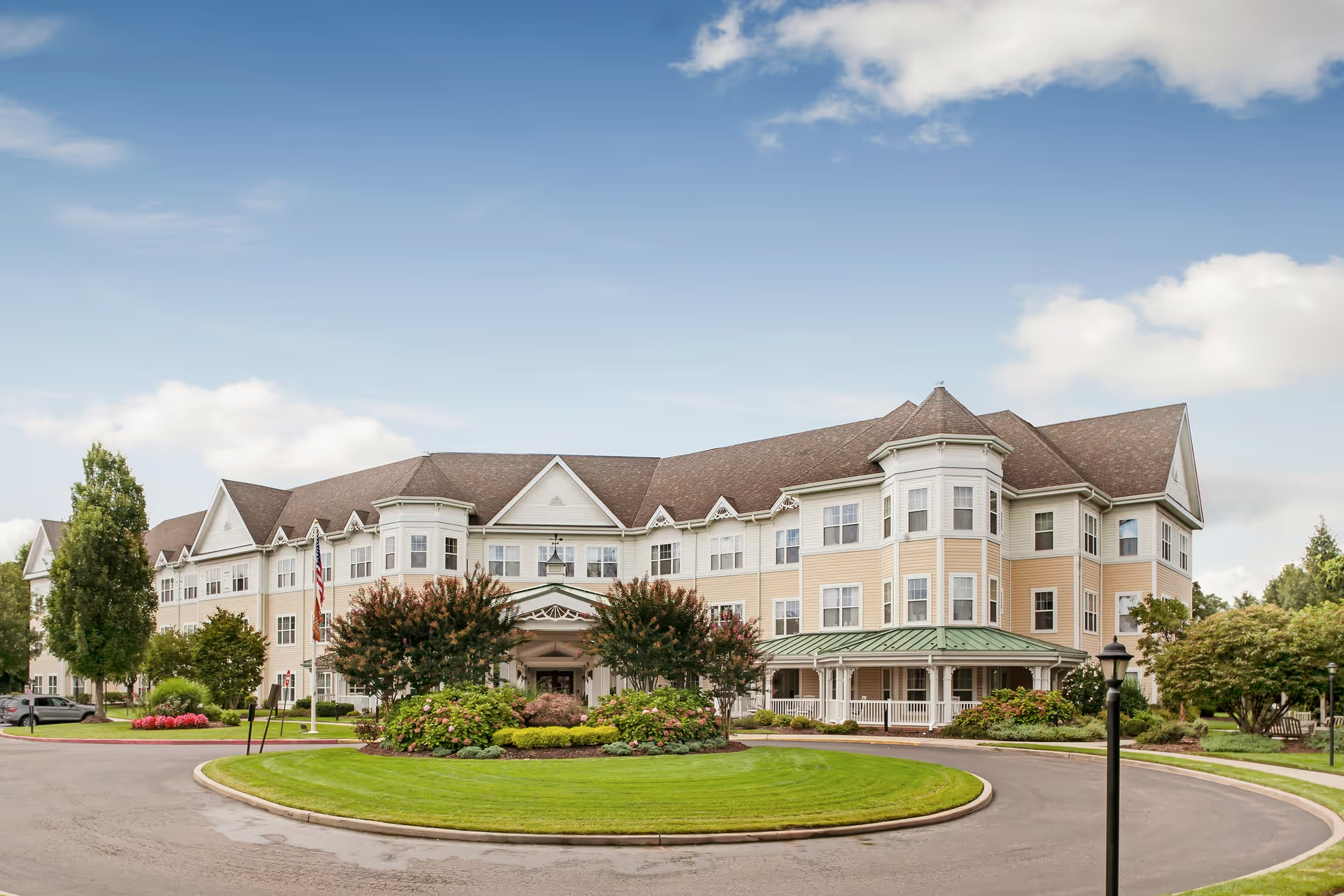
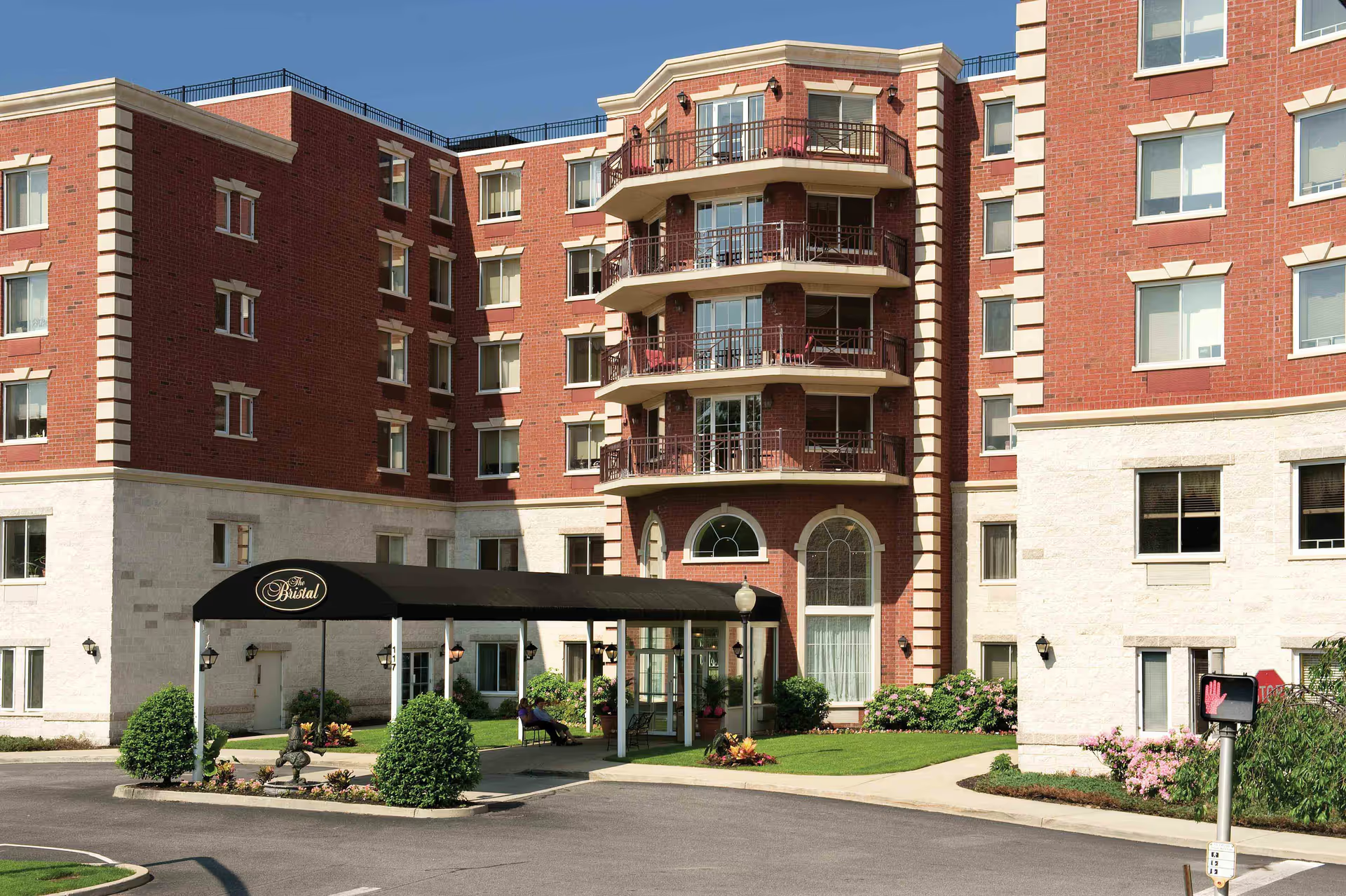
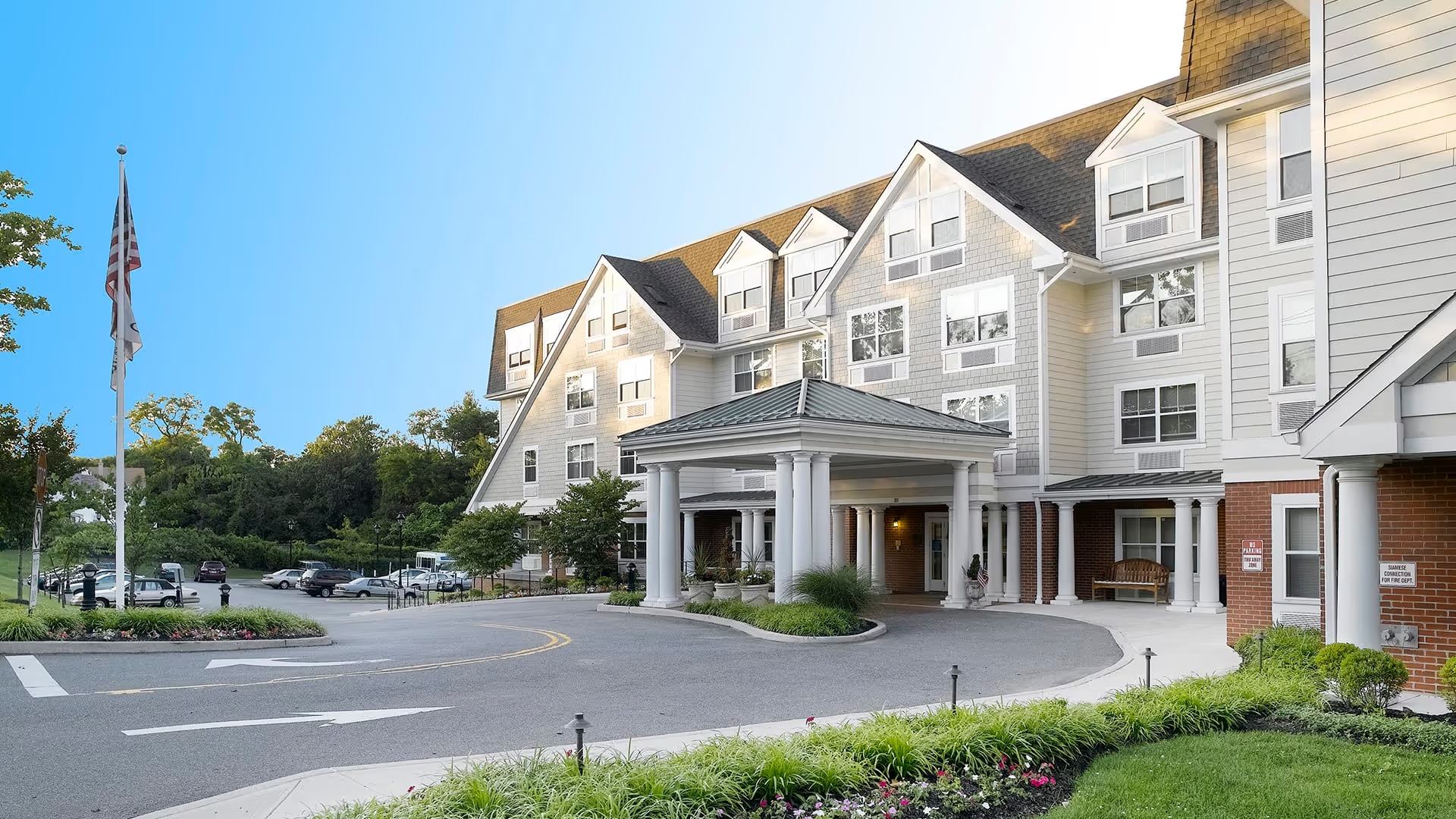
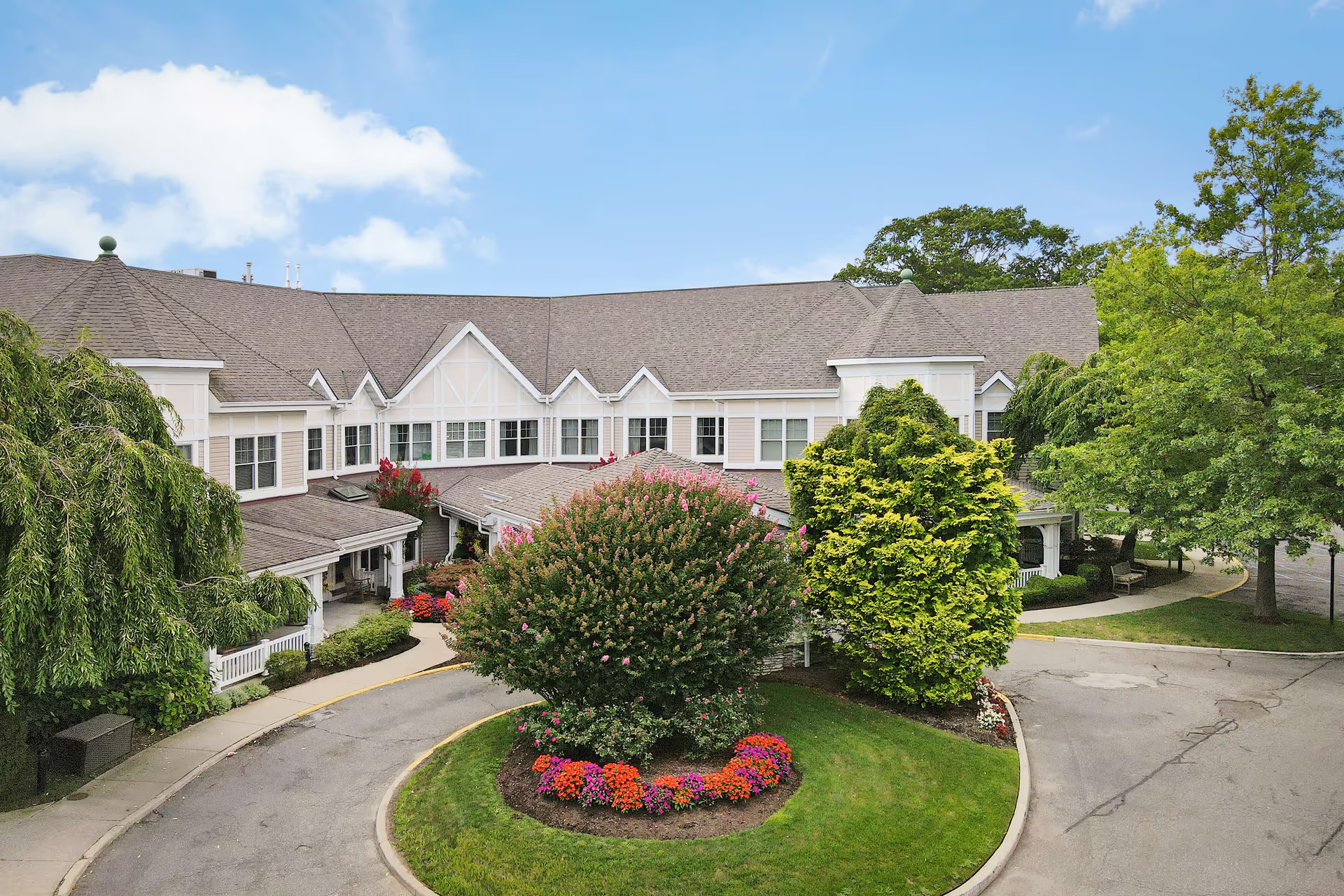
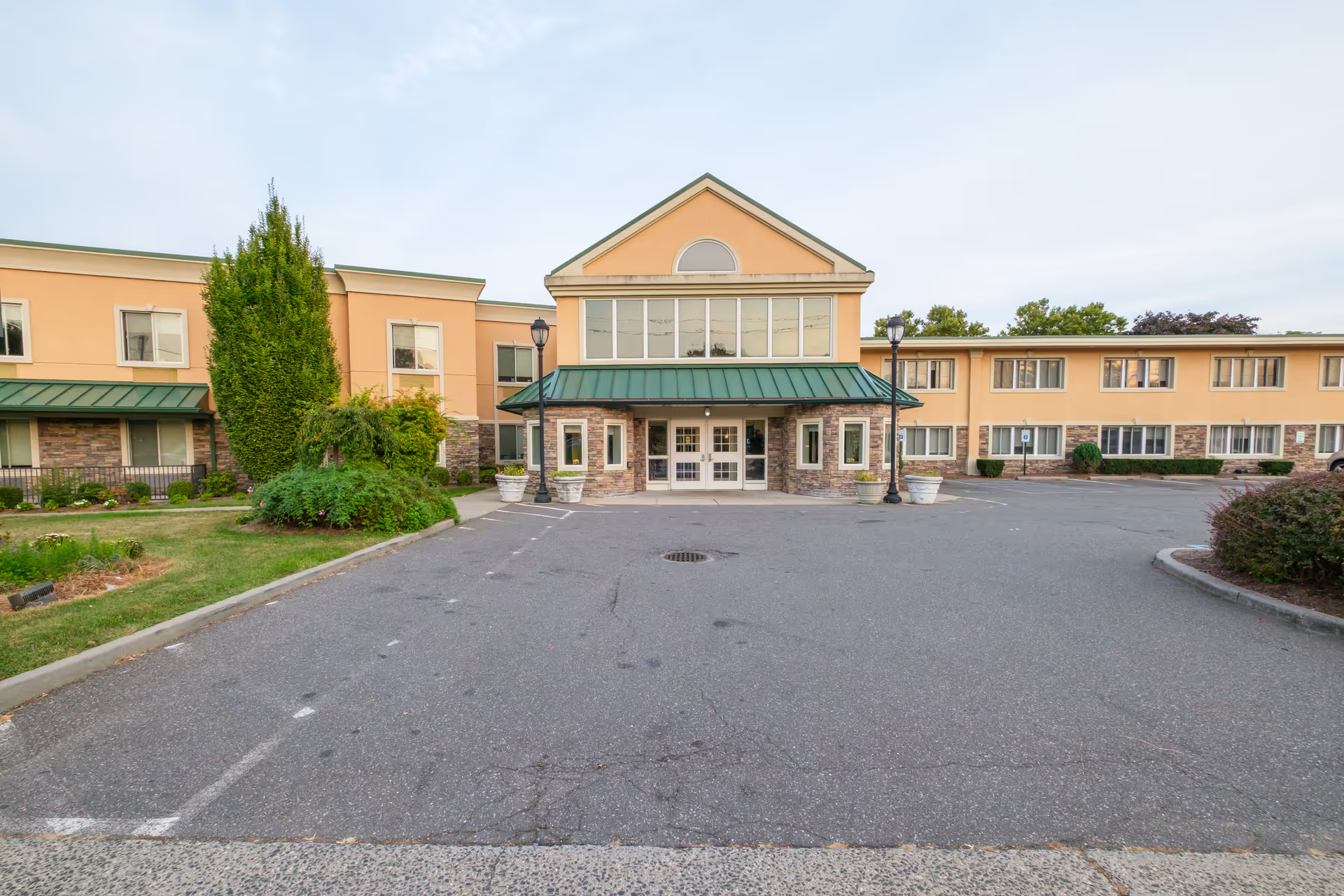
Overall impression: Townhouse Center for Rehabilitation & Nursing presents as a rehabilitation-forward facility with many families citing strong therapy services and a generally clean, welcoming physical environment. The site is frequently described as modern in parts, with spacious rooms, wide corridors and attractive common areas; admissions staff, social workers and some administrators receive consistent praise for visibility and responsiveness. Activities programming and cultural events are a repeated strength, and several clinical specialties (notably respiratory therapy and multidisciplinary rehab teams) are highlighted as effective contributors to recovery plans.
Care quality and clinical staff: Therapy services (PT/OT/speech) emerge as a clear institutional strength — therapists are described as skilled, encouraging and outcome-focused, with many patients making measurable progress. Nursing and aide care is more mixed: numerous reviewers describe compassionate, attentive nurses and aides, but persistent staffing shortfalls create variability in responsiveness and coverage. That variability appears most acute on nights and weekends, and it correlates with delayed assistance, slower response to call lights, and concerns about consistency of training across caregiver roles. There are also repeated mentions of process gaps in medication administration timeliness and in clinical follow-through that families should monitor closely.
Dining and nutrition: Dining receives mixed feedback. Some families praise the food quality, variety and accommodating culinary staff; others describe inconsistent meal service, late or missed meals, portion limitations and failures to fully honor dietary restrictions. Meal-service continuity and dietary-accommodation processes appear uneven across shifts and units, so explicit confirmation of special diets and feeding assistance expectations is advisable during admission and transfer planning.
Activities and rehabilitation environment: The facility offers a broad calendar of social and recreational activities, from music and game nights to holiday and culturally specific events, which families frequently cite as beneficial for morale. Rehabilitation schedules (often six days/week in reports) and individualized therapy goals are commonly noted as thorough and effective. These programmatic strengths contribute to the facility’s overall recovery-oriented reputation.
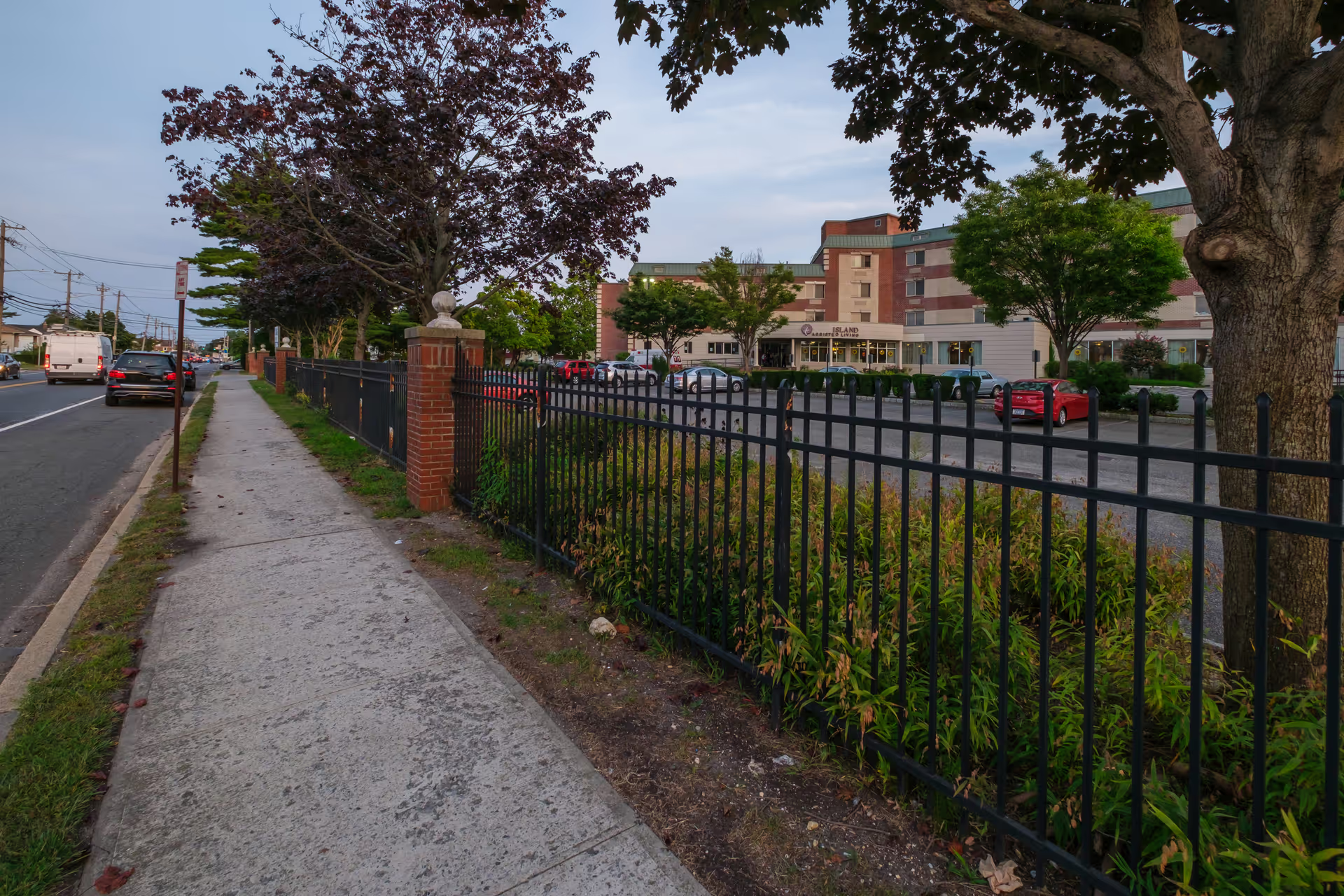
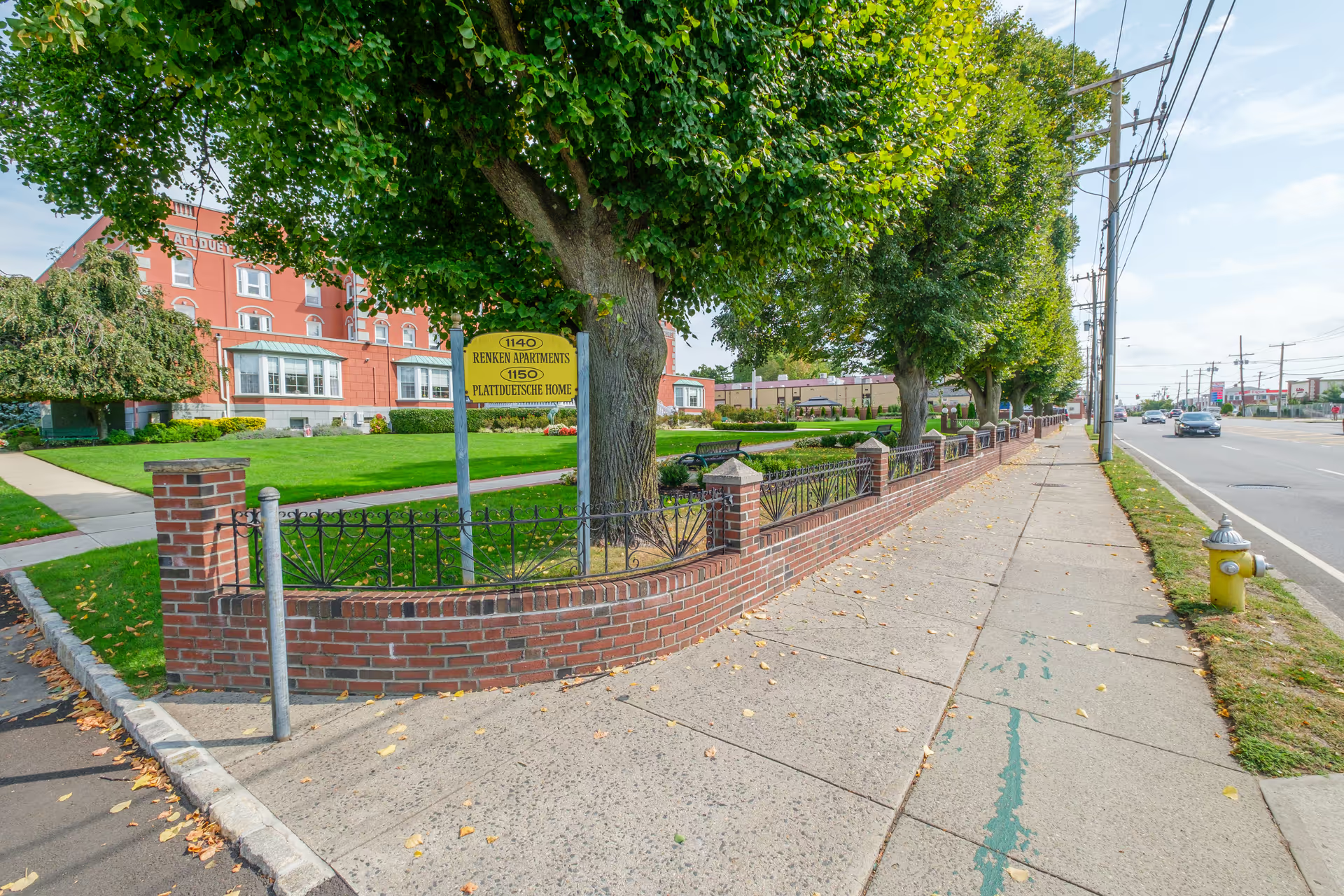
Facilities, maintenance and logistics: Many reviewers find the facility clean, odor-free and well-kept, particularly in newer areas. At the same time, maintenance shortcomings were mentioned: worn equipment, occasional torn linens or pillows, and variable housekeeping performance in certain units. Parking and building-age differences (older wings versus newer construction) can affect the experience depending on room assignment. Personal-item management and inventory practices have been questioned by some families; there are allegations of missing belongings that warrant attention during move-in and discharge.
Management and communication: Administrative leadership, admissions and social work staff are often singled out positively for proactive engagement and coordination. Nevertheless, communication consistency is a recurring operational issue: family updates, inter-shift handoffs, and timely callbacks are described as uneven. There are also instances of billing and administrative follow-through concerns. Prospective families should confirm preferred communication channels, escalation steps and expectations for regular care-plan updates.
Notable patterns and guidance for families: The dominant patterns across feedback are strong rehabilitation services and an overall clean, welcoming environment, tempered by operational variability driven largely by staffing, shift differences and communication processes. Families planning a stay should verify night/weekend staffing levels, document dietary needs and feeding assistance plans, confirm expectations for medication administration and clinical oversight, and inventory personal belongings on admission. Requesting regular care-plan briefings from the nurse or social worker and clarifying escalation pathways can help mitigate many of the recurring concerns mentioned.
In summary, Townhouse Center for Rehabilitation & Nursing offers notable strengths for rehabilitation-focused stays and provides an inviting facility with engaged therapy teams and active programming. Those positives coexist with variable caregiver availability, occasional process lapses in dining and housekeeping, and inconsistent communication — operational areas that families should discuss and monitor when considering placement or during a resident’s stay.