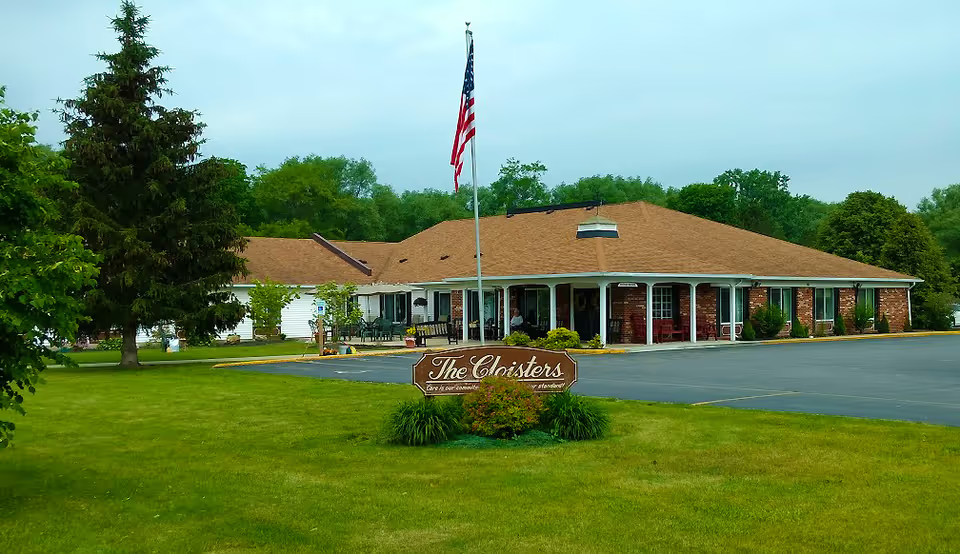
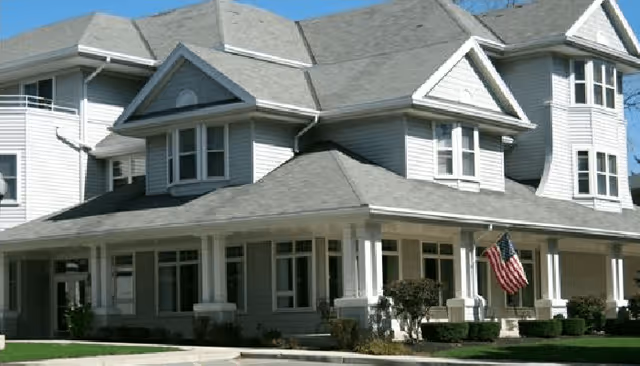
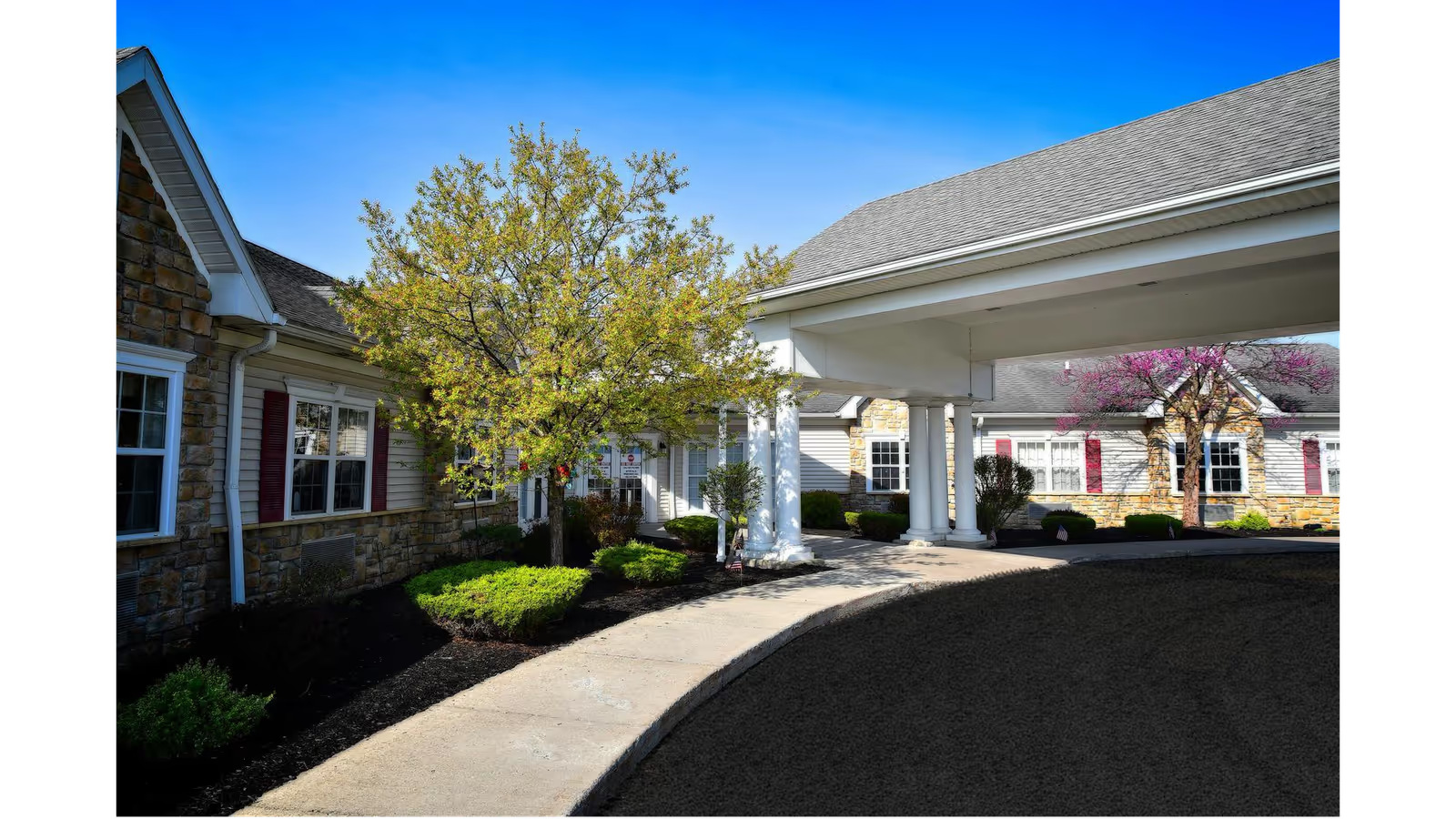
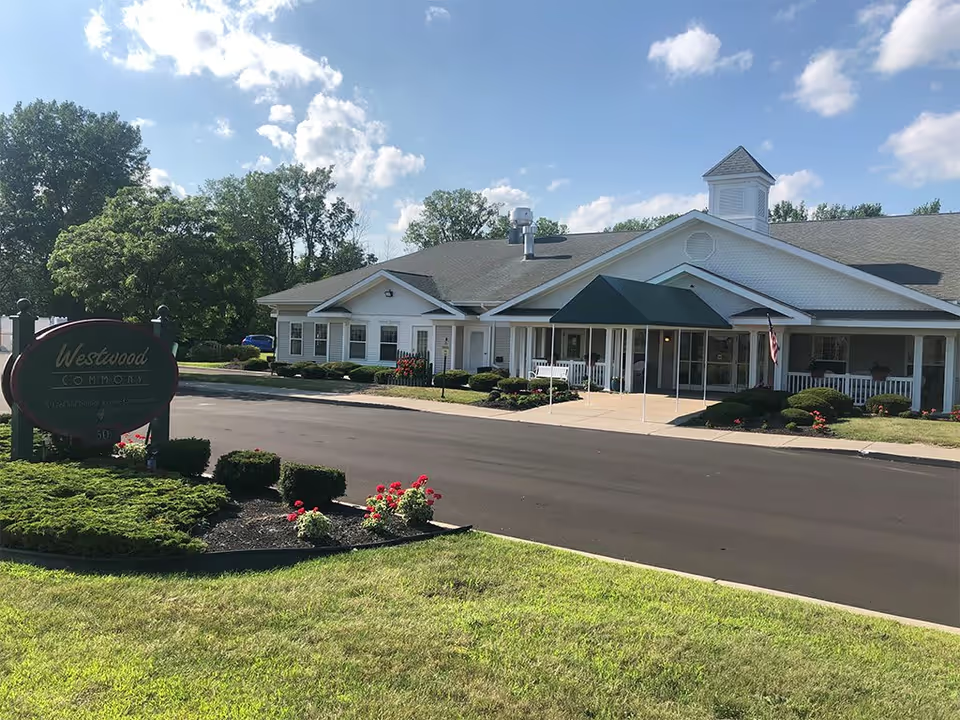
Reviewers describe a facility with many operational strengths alongside notable variability in resident experience. Positive comments consistently highlight the nursing and CNA staff as compassionate and attentive, with several families praising individual caregivers and administrators for smooth hospital-to-facility transitions and hands-on support. The therapy department is frequently identified as a strength: reviewers cite measurable functional gains, supportive encouragement, and successful short-term rehabilitation outcomes. Many families also point to specialized Alzheimer’s/dementia bedside care and a comfortable, family-like atmosphere when interactions go well.
Dining and activities receive mixed but specific feedback. A number of reviewers describe restaurant-style meals, appealing menu options, and successful accommodations for swallowing issues; others described inconsistent food quality and problems with meal textures or portioning. The community offers an active social program with crafts, outings, outdoor music and picnics that several residents and families found meaningful for engagement and morale.
Facility condition and day-to-day operations show variability. Several reviews praise general cleanliness and effective infection-control practices, yet others describe maintenance and equipment shortcomings (limited elevators, worn linens, cutlery issues) and variability in housekeeping, particularly in some resident bathrooms. Shared rooms are present and can require more robust roommate-management; families noted occasional roommate conflicts and uneven noise/privacy control.
System-level operational patterns emerge as the most consistent area of concern. Reviewers describe intermittent staffing shortages and uneven coverage (including reports of very low staffing on some shifts), which correlates with accounts of delayed nighttime responsiveness, inconsistent bathing and grooming schedules, and occasional gaps in transportation to medical appointments. Communication with families about clinical progress and care plans is also uneven—some families receive proactive updates while others request more frequent, detailed information. There are also mentions of contested clinical decisions (for example, nutrition management) and, in a few cases, serious allegations concerning review authenticity and management transparency; these items suggest areas that warrant further inquiry.
In sum, prospective residents and families can expect strong rehabilitation services, an engaged activities calendar, and many caring front-line staff. At the same time, evaluate staffing levels on relevant shifts, consistency of personal-care routines, dining quality for specific dietary needs, and rooming arrangements during a tour. Ask direct questions about leadership stability, transportation procedures, communication protocols, and how the facility documents and addresses family concerns to ensure expectations align with typical resident experience.