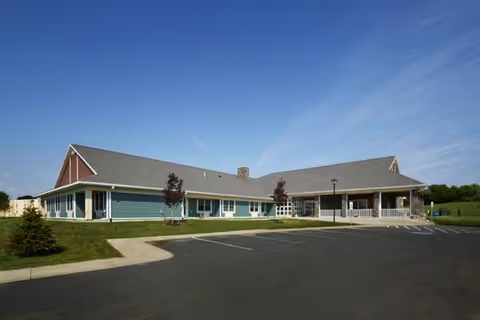
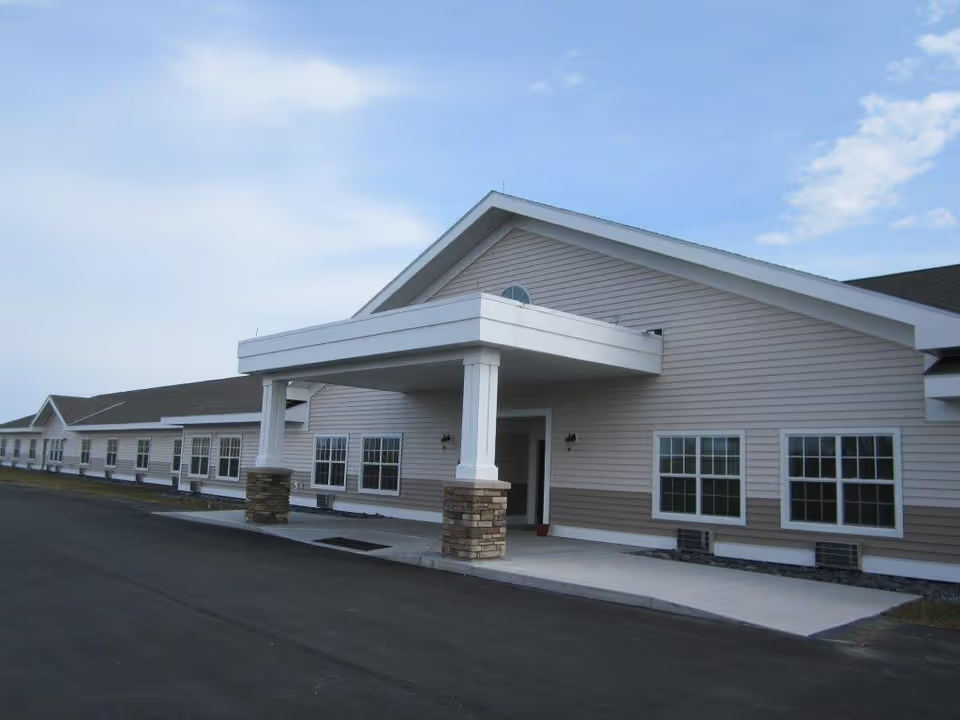
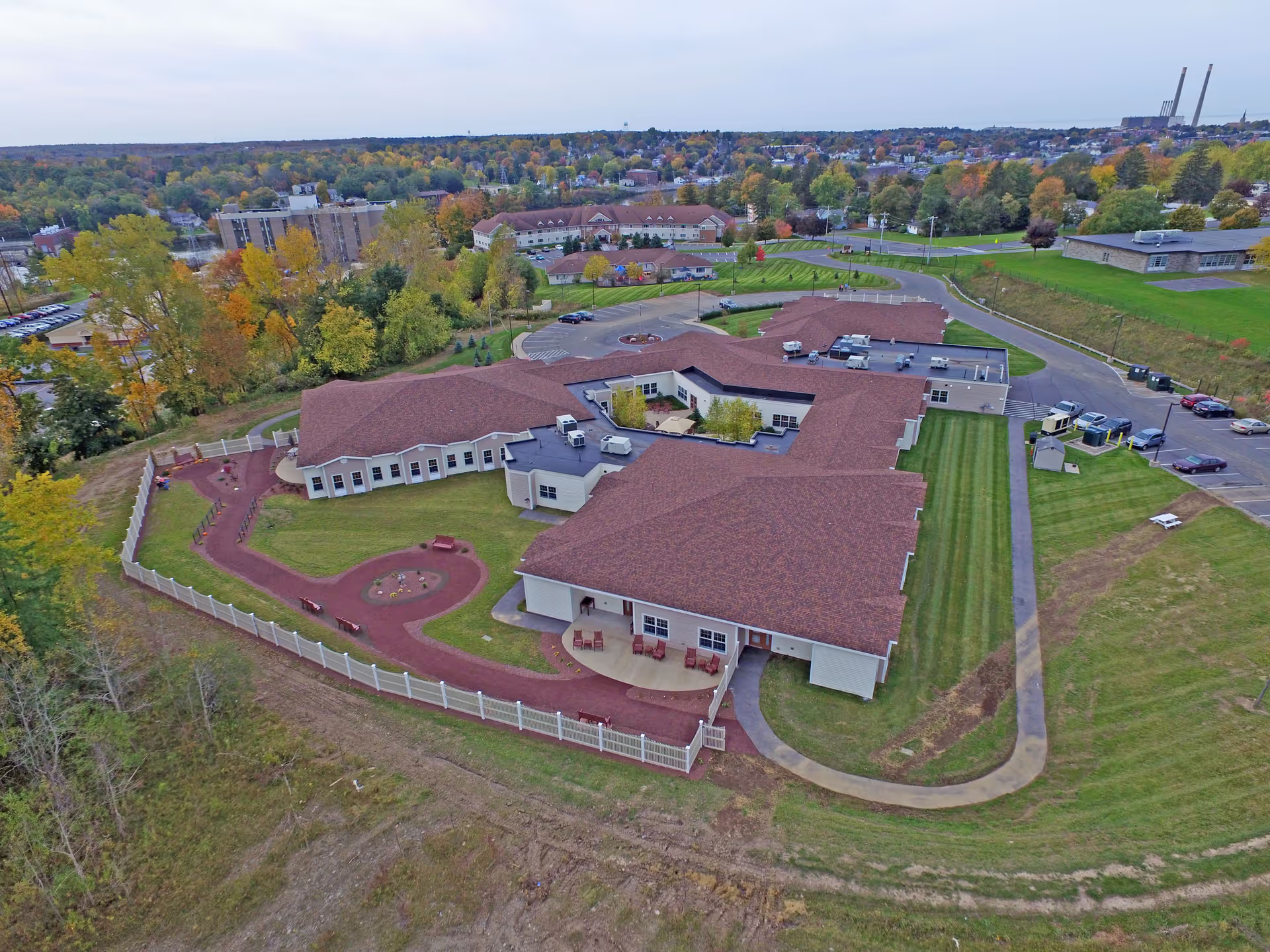
The feedback for Samaritan Keep Home is split between clear strengths in day-to-day resident life and recurring operational weaknesses that affect care continuity. On the positive side, reviewers commonly describe caring and capable nursing and caregiving staff, welcoming common spaces, and a program of activities that includes musical gatherings, an onsite hair salon, exercise equipment, and family-friendly dining. The facility's memory-care unit includes specific safety features (locked access, doorbell, wristband alarms) and some rooms have adjustable equipment that enhances resident safety. Several accounts note cleanliness of common areas and plans for expansion or a new building, which suggests investment in the physical site.
Care-quality impressions are mixed. Many families praise individual staff members and describe residents who are engaged, well fed, and attended to with kindness. However, recurring concerns center on staffing consistency and responsiveness: caregivers and nurses are often described as rushed, call responses can be slow, and there are reports of delayed medication administration and irregular pain management. These patterns point to operational pressure during some shifts rather than uniformly high performance across all times. Reviewers also raise issues about inconsistent personal-care assistance (bathing and incontinence-care delays) and mismanagement of personal items or assistive devices in isolated instances.
Staffing and management dynamics appear to be a key driver of the polarized impressions. Positive comments emphasize helpful, knowledgeable caregivers and attentive nurses; negative comments identify understaffing, perceived low pay, high workload, and limited supervisory follow-through. There are also concerns about staff communication style and phone manners in some interactions. Administrative areas that draw criticism include unclear communication about level-of-care (skilled nursing versus assisted living), restrictive rules affecting mobility devices and small appliances, and inconsistencies in billing and receipt handling.
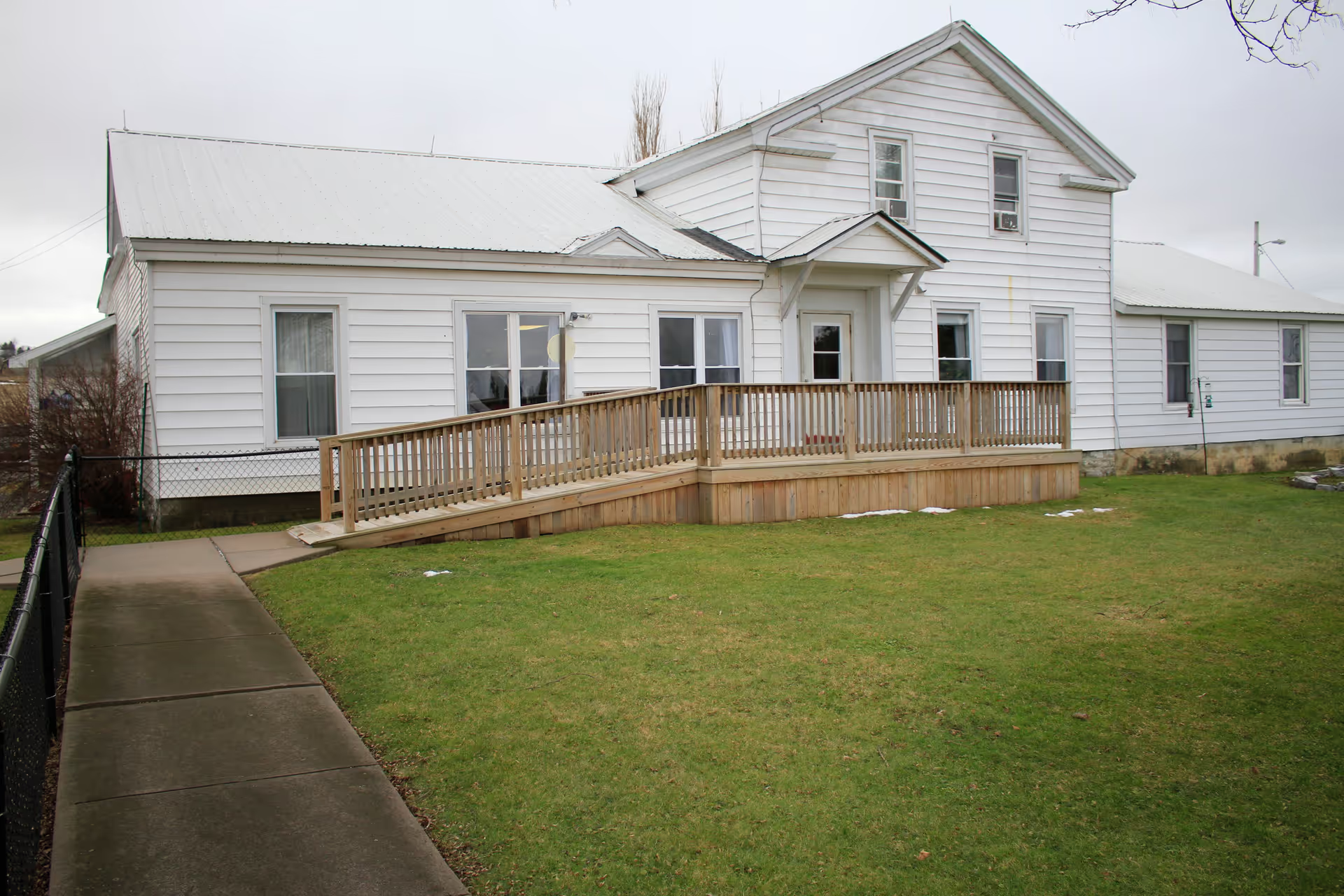
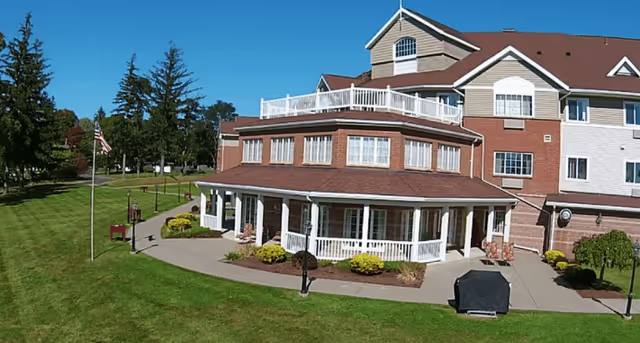
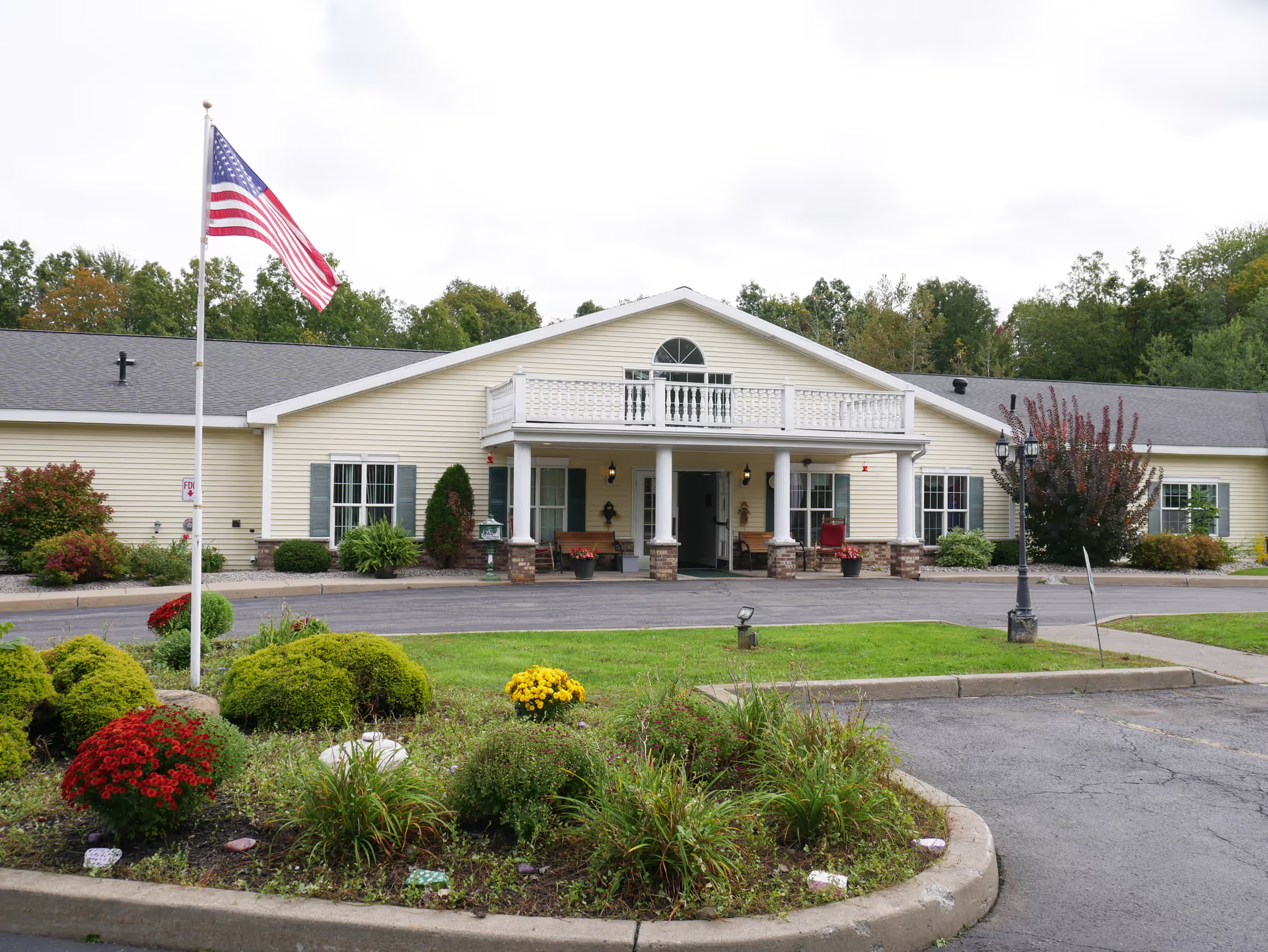
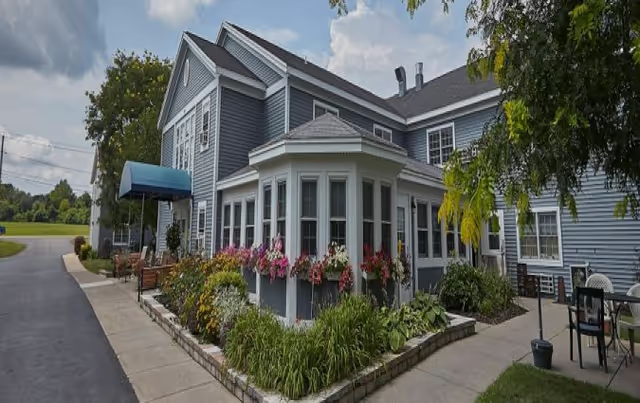
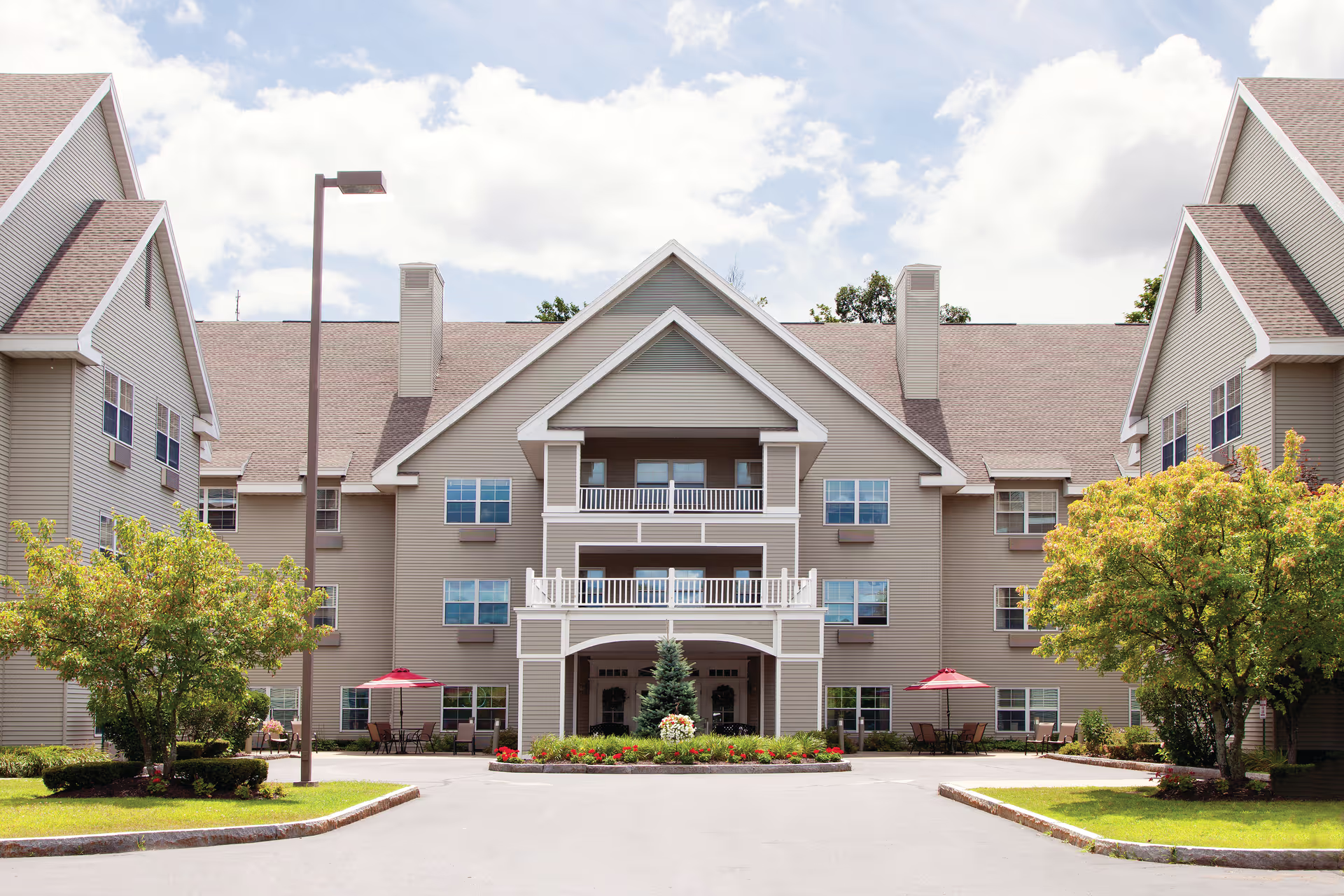
Facility and amenities present trade-offs: the building is described as older and somewhat dated—some reviewers mention plumbing and infrastructure issues—but maintained and clean by staff, with communal spaces that support social activity. The memory-care unit’s safety elements and adjustable equipment are noted as practical strengths. Dining is generally viewed positively, with meals and cafeteria settings that accommodate families; at the same time, a few administrative or payment-process discrepancies have been noted.
Overall, prospective residents and families should weigh observable strengths—compassionate frontline staff, active social programming, memory-care safety features, and clean common areas—against operational risks tied to staffing variability, responsiveness, medication timing, and administrative clarity. For families considering Samaritan Keep Home, suggested next steps include: observing multiple shifts to assess staffing and responsiveness, reviewing the facility’s medication-management and incident-response protocols, confirming the level-of-care agreement in writing, and clarifying billing and receipt procedures before admission. Note that a small number of serious individual allegations (including concerns following a resident's death and financial irregularities) appear alongside the broader themes and would warrant direct follow-up with management and, if needed, regulatory channels for clarification.