These reviews describe a facility with a clearly polarized reputation: a visible core of clinical and therapy strengths exists alongside persistent operational and environmental issues. The rehabilitation department and therapy staff receive consistent praise for effective short-term outcomes, frequent therapy schedules, and accommodating transitions back to home. Many families cite helpful admissions staff, supportive social work/case-management, and assistance with billing and insurance as meaningful strengths during placement and discharge.
Care quality is reported uneven. Several accounts highlight attentive, compassionate nurses and aides who know residents by name and deliver timely clinical care; others describe lapses in clinical follow-up, missed or delayed medications (including insulin concerns), and insufficient responses to acute changes in condition. There are also serious individual-level claims — including allegations of inappropriate staff conduct and concerns following hospitalizations — that some families cited. These are not universal across reviews, but they underscore variability in how residents are monitored and managed.
Staffing and communication patterns emerge as central themes. Reviewers frequently describe inconsistent staffing levels, limited evening/night coverage, slow or unresponsive phone and front‑desk communication, and difficulty obtaining timely information from administration or executives. Positive interactions with particular staff members and departments are common, yet families also report unpredictable access to administrators and delays in locating resident records or responding to inquiries.
Dining and activities are similarly mixed. The facility offers active recreation programming, offsite outings, holiday events, and some families praise customized meal options (including kosher preparations) and supportive dining staff. However, other families report inconsistent food quality, small portions, and inflexibility around meal policies. The activity program is a clear strength for residents who engage, but engagement appears variable by unit.
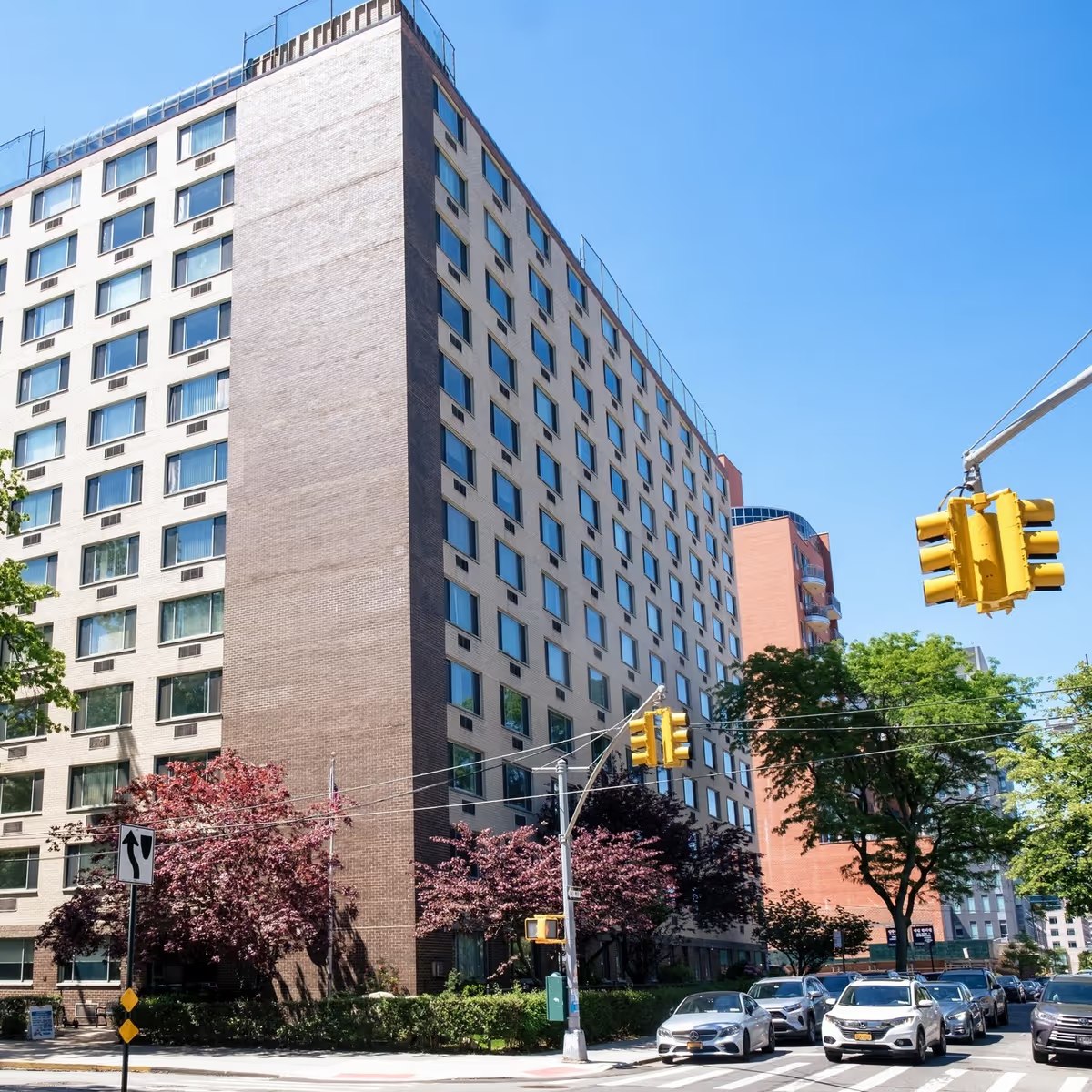
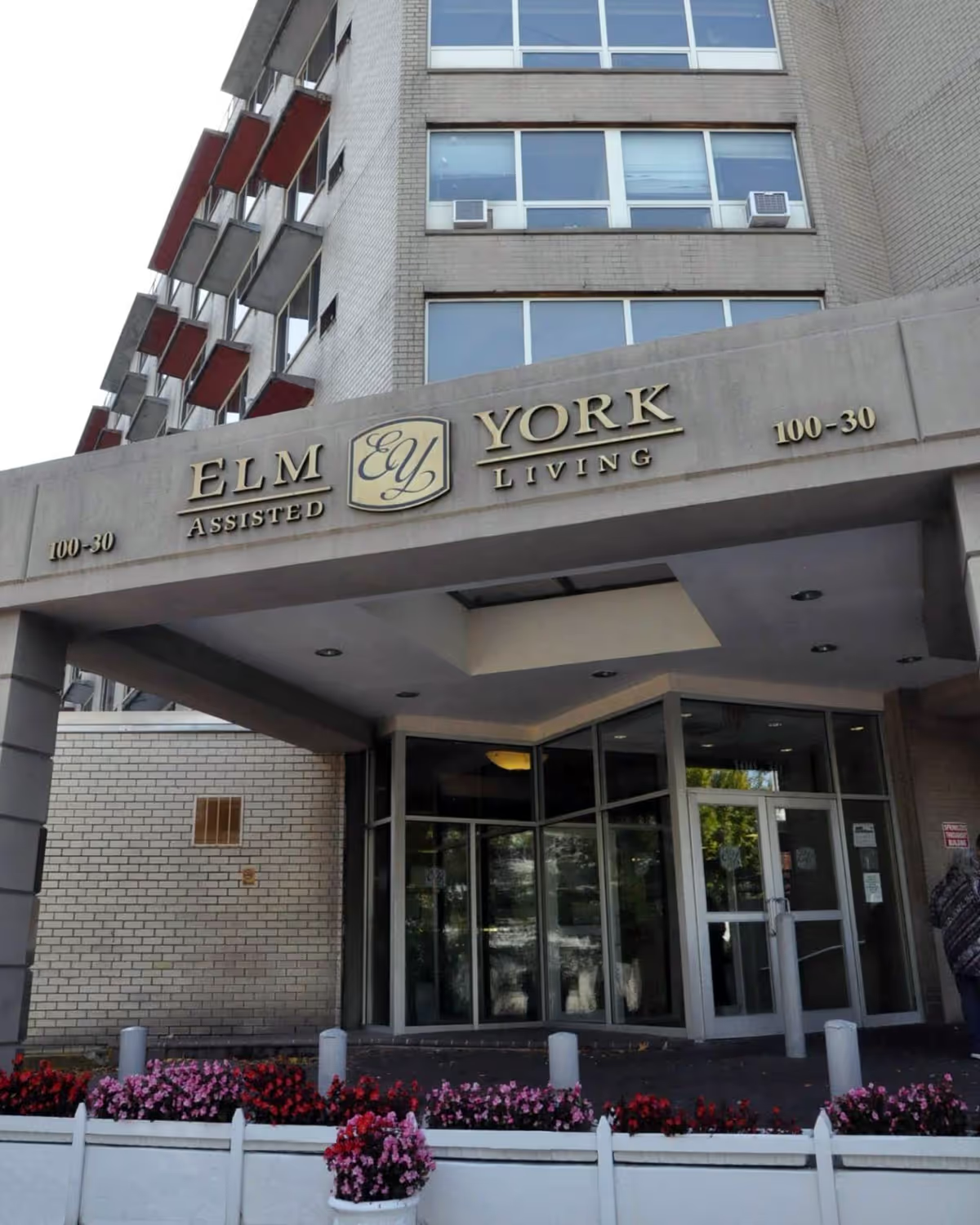
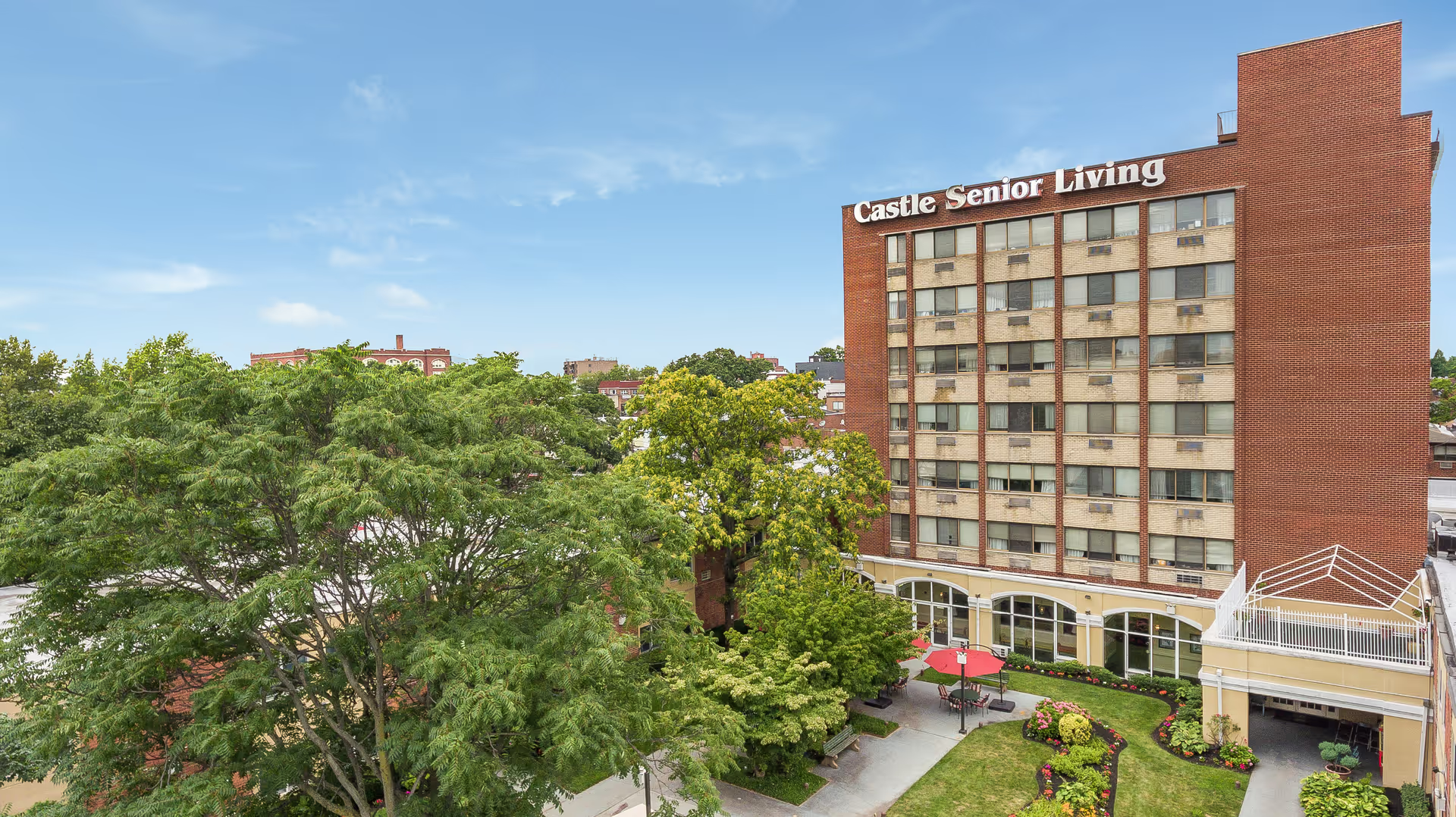
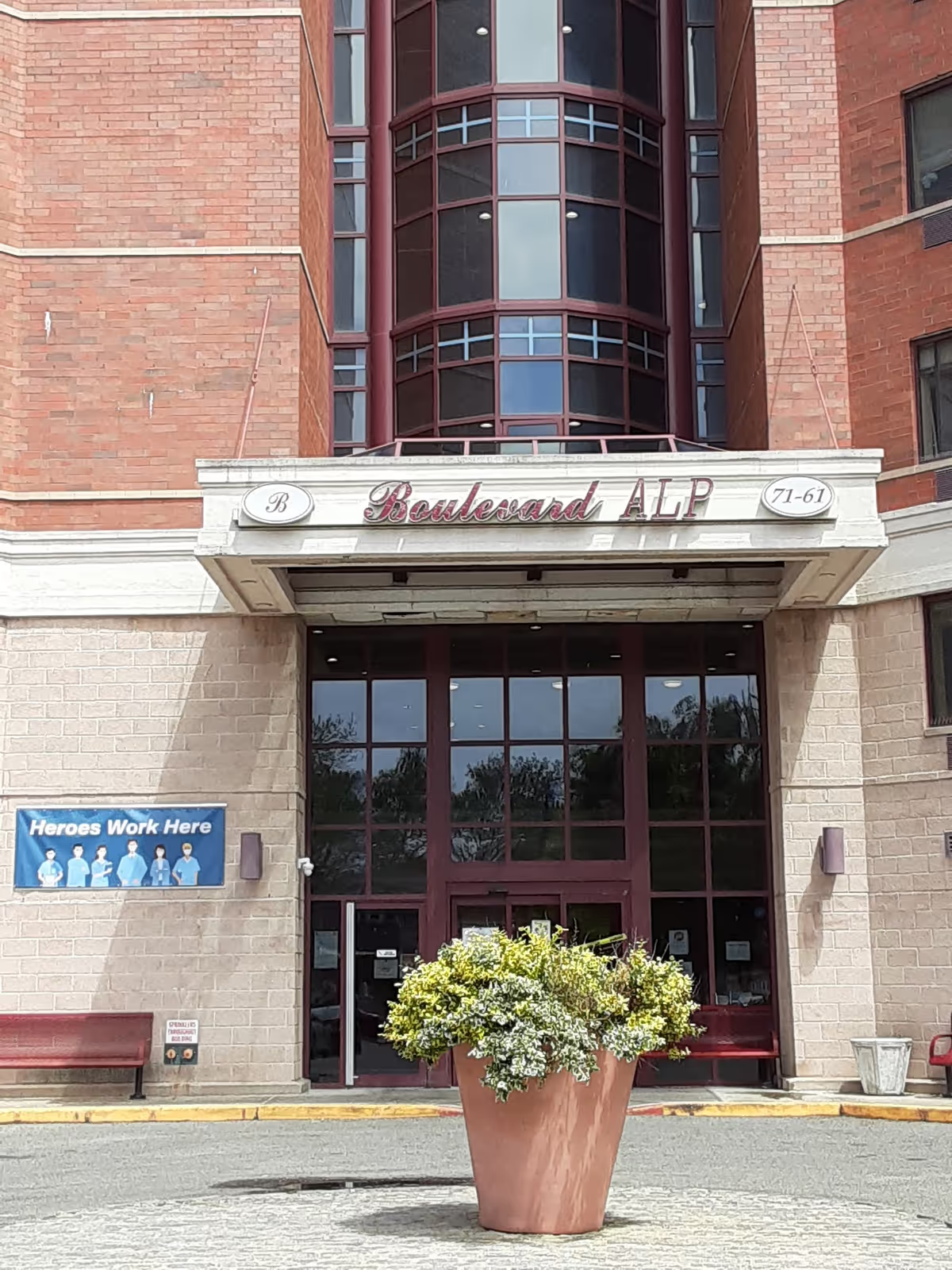
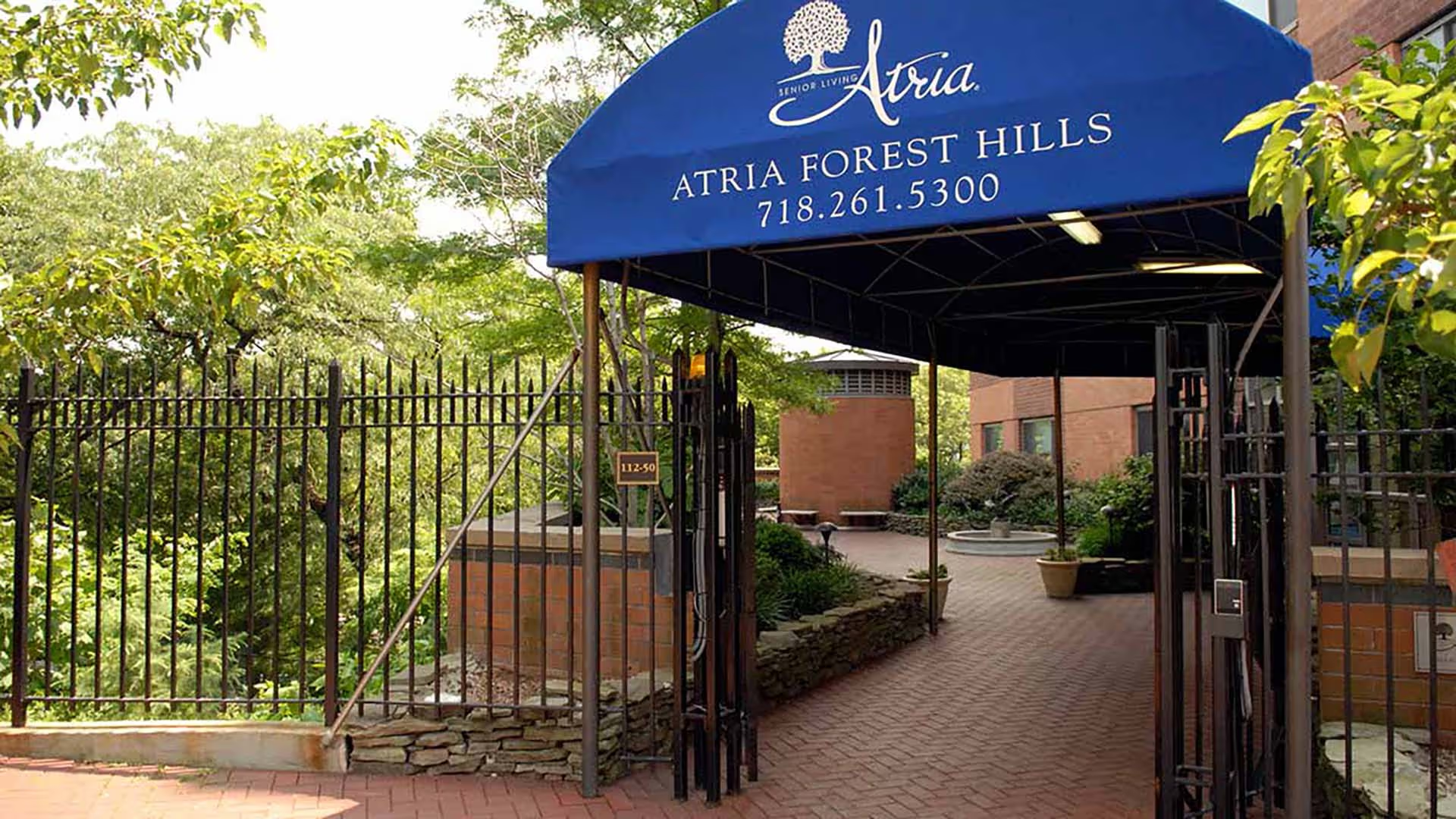
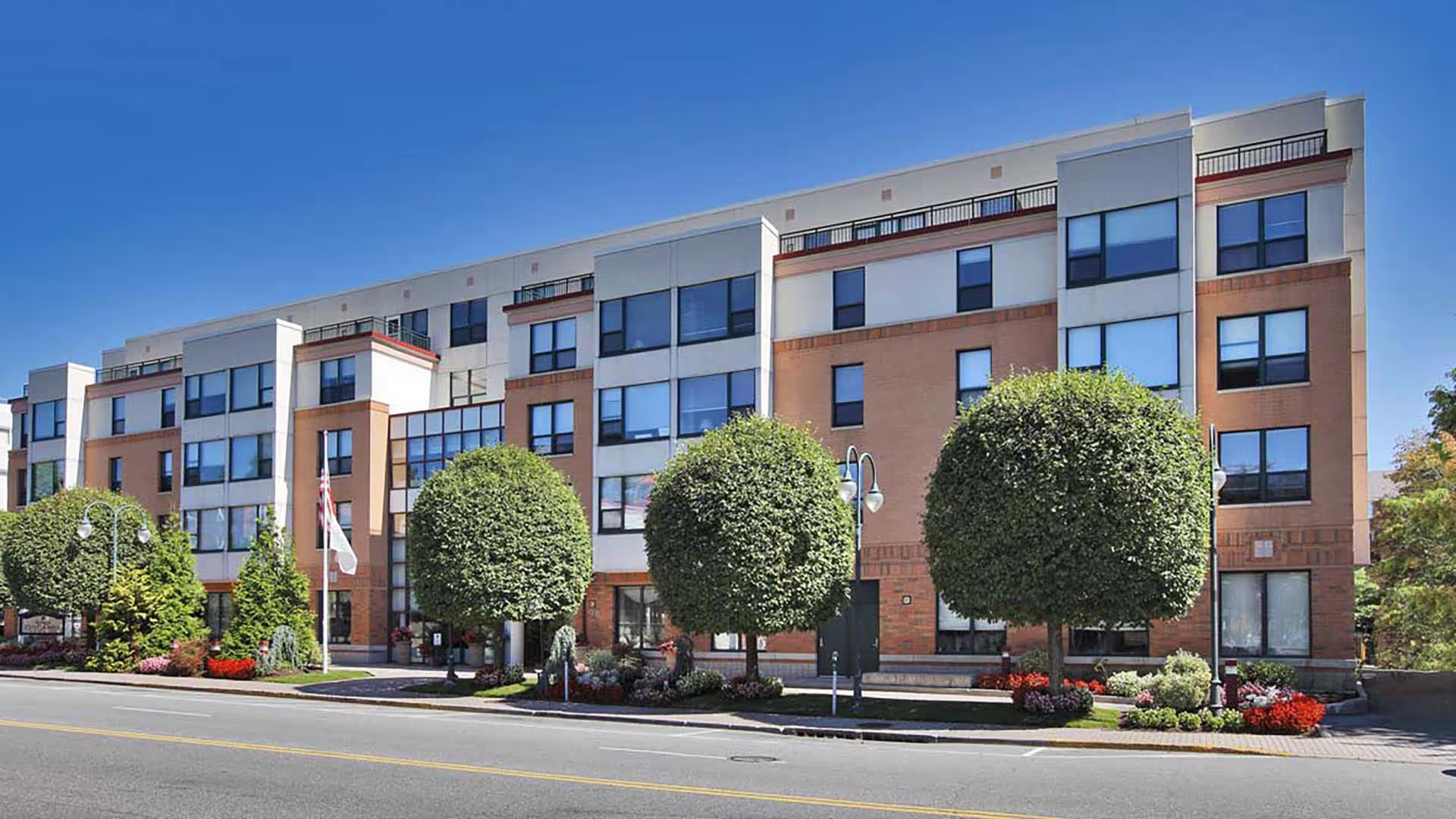
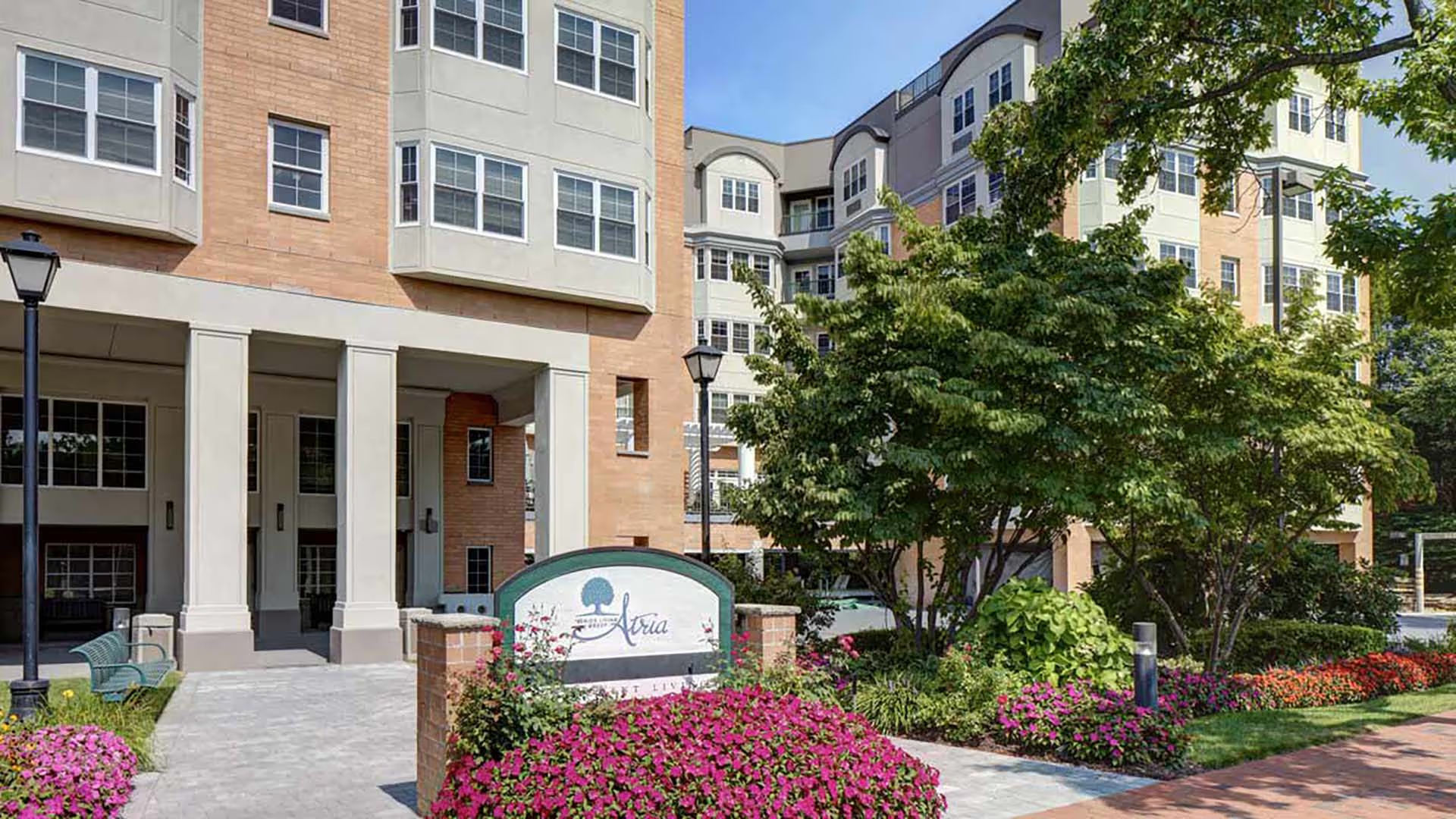
The physical environment and maintenance are notable concerns. Multiple reviews cite aging infrastructure, deferred maintenance, and cosmetic deterioration — for example, malfunctioning elevators, worn fixtures, patched ceilings, and small rooms with limited amenities. Sanitation concerns, odor issues in some common areas, and pest-control problems are reported in certain units. These environmental issues are linked in some accounts to safety hazards (e.g., unsafe beds, window-treatment failures) and to general impressions that renovation and capital investment are needed.
Overall pattern: families and residents frequently experience a mix of highly effective clinical and therapy care alongside operational weaknesses that affect safety perception and day‑to‑day comfort. Prospective residents should weigh the facility's strong rehabilitation and supportive admissions services against variable staffing, communication, cleanliness, and building‑maintenance challenges. Visiting multiple times, asking for unit-specific information (staffing ratios, recent maintenance work, infection- and pest-control records), and confirming dementia-care capabilities and medication-management protocols will help families assess whether this facility fits their expectations and clinical needs.