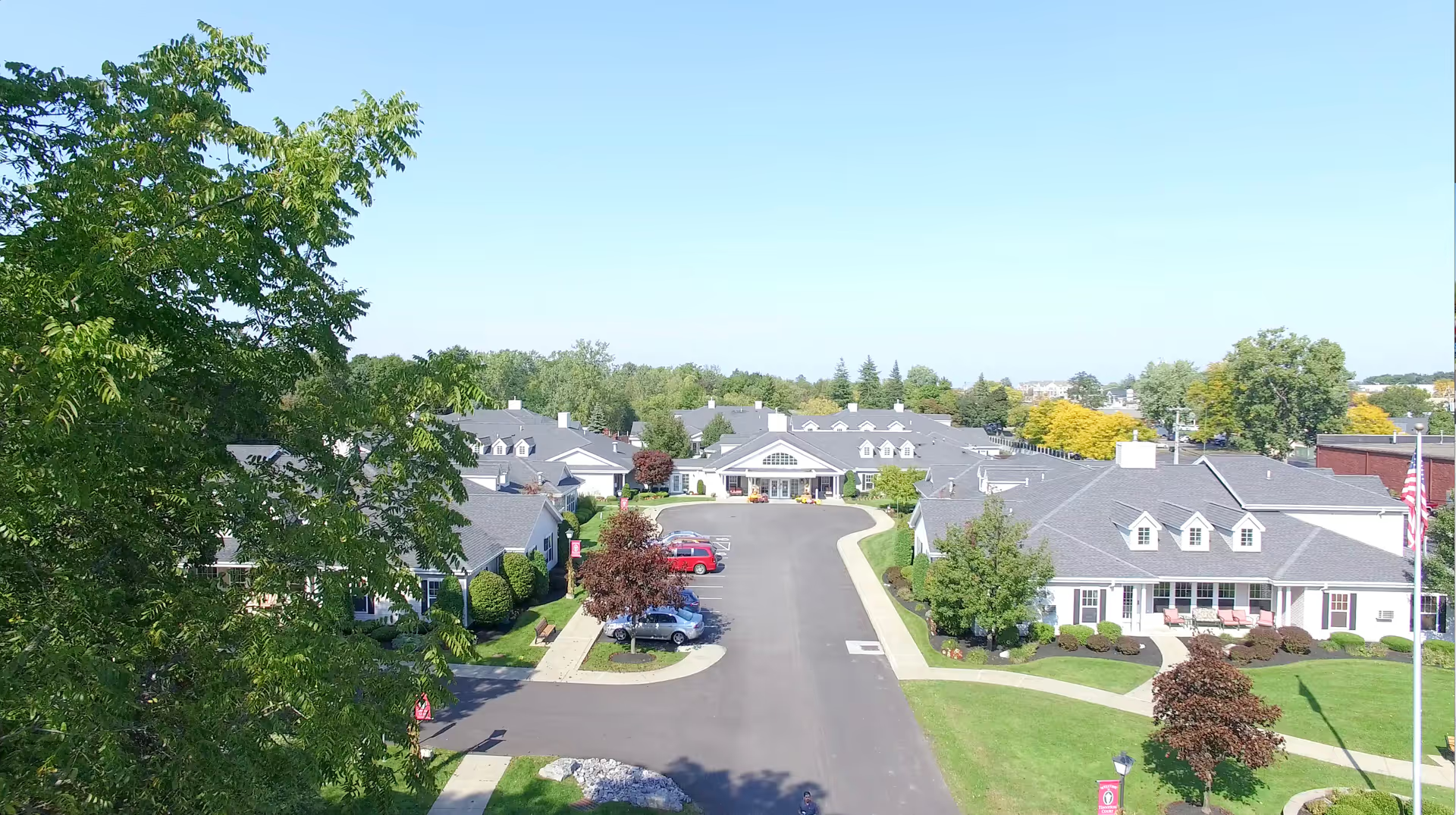
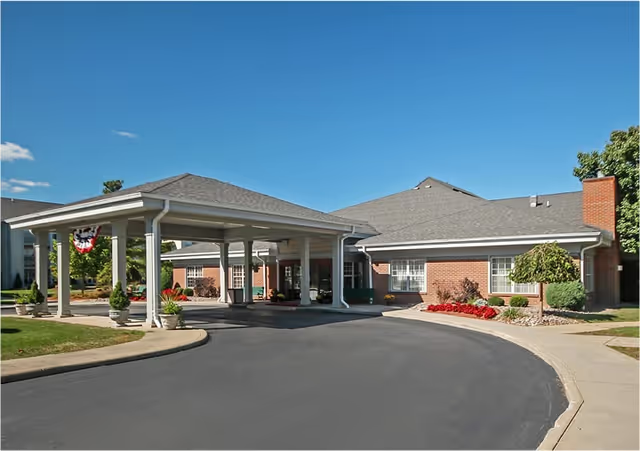
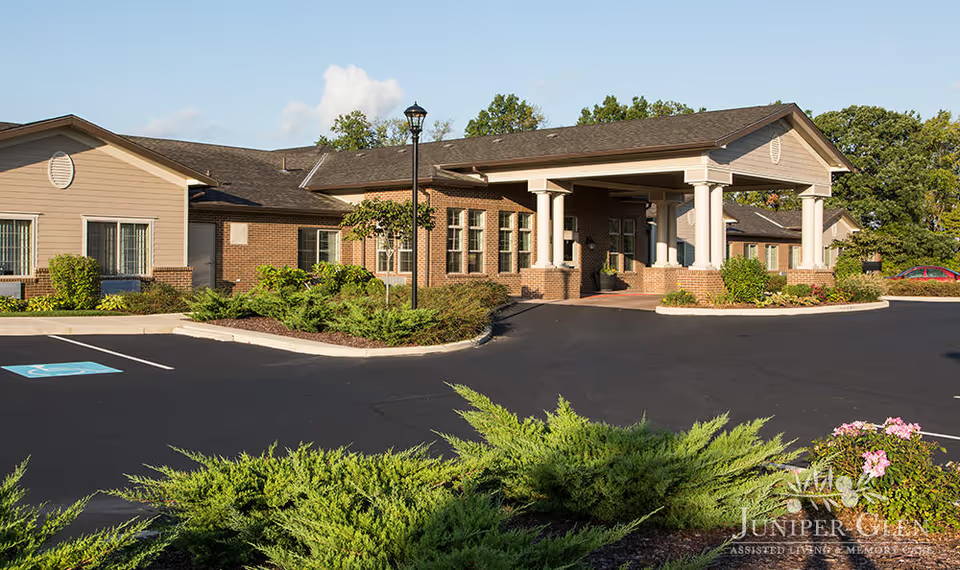
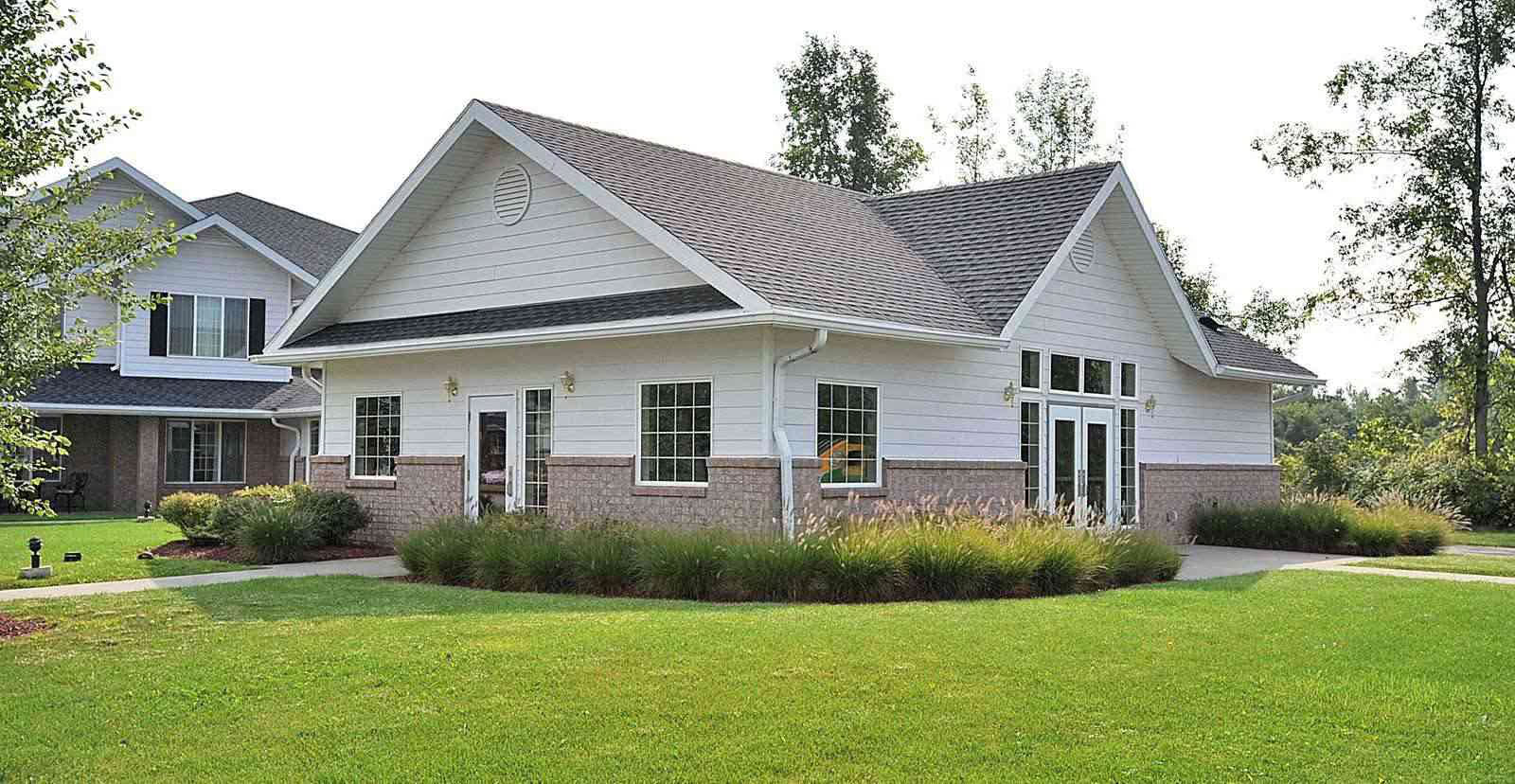
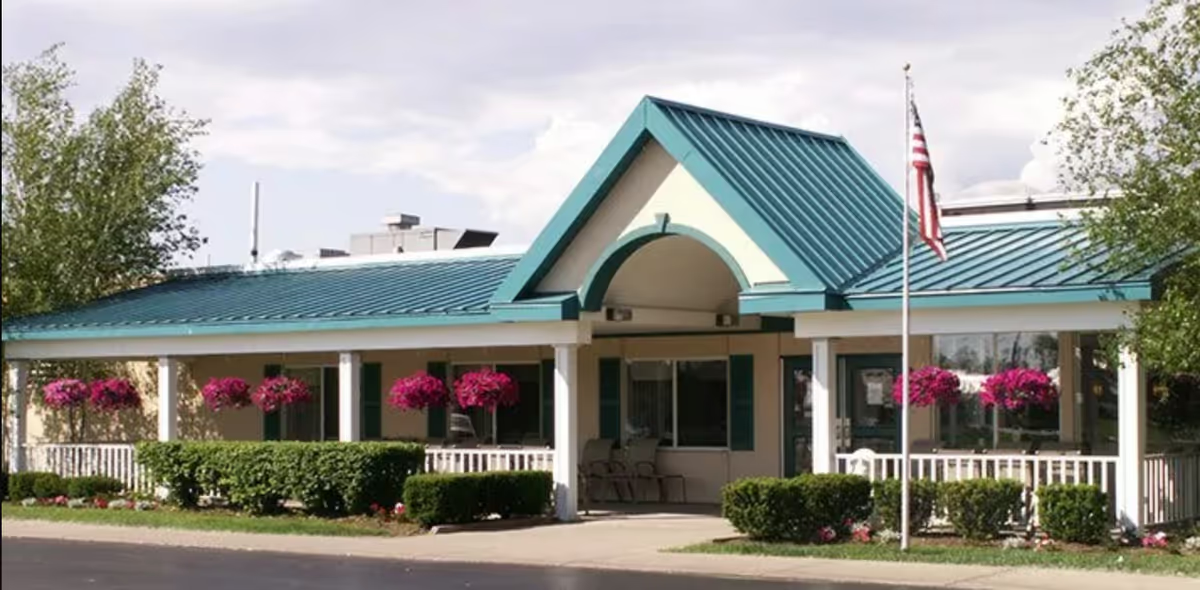
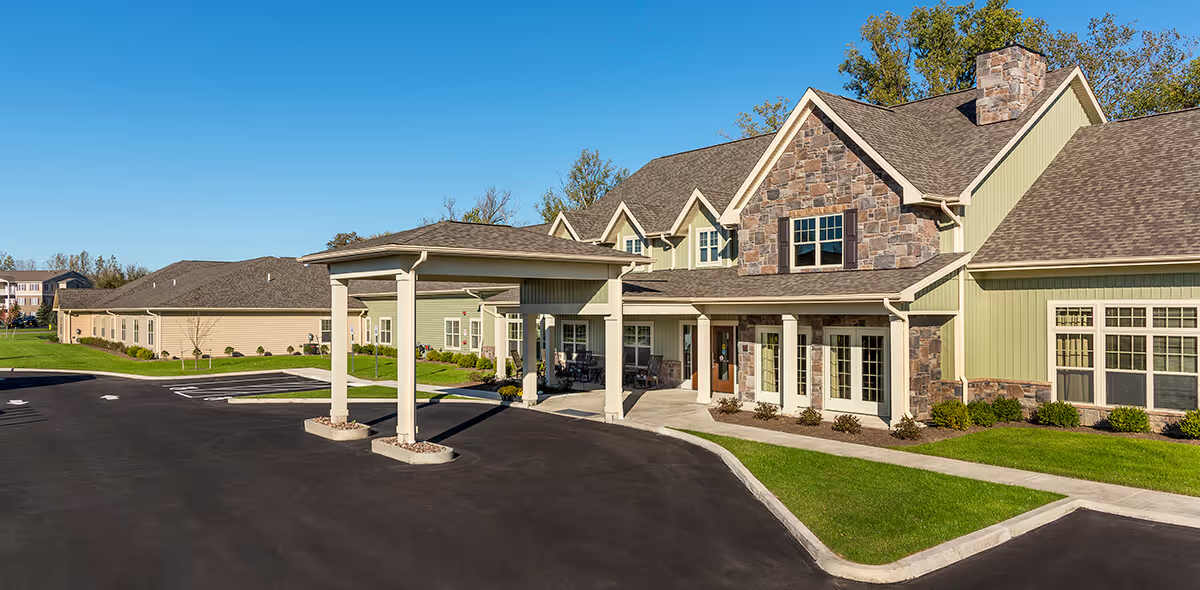
Fredonia Place of Williamsville presents a clear split between facility strengths rooted in its physical environment and programming, and recurring operational concerns that affect day-to-day care. On the positive side, reviewers consistently describe an attractive, modern building with bright, open spaces, courtyard views, well-kept grounds, and a campus chapel with regular services. Apartment-style suites with private bathrooms, a compact memory-care unit located near the nurse’s station, an accessible circular layout, and family-friendly amenities such as a reservable kitchen and spacious activity rooms are highlighted as notable strengths. Many families and residents praise engaging activities (pinochle, bingo, daily mass), a pleasant chapel program, and parts of the staff who are caring and resident-focused.
Care quality and staffing present a mixed picture. Several families and former staff members describe attentive, compassionate caregivers and a positive resident experience in some units, while others report inconsistent staff supervision, frequent turnover, and gaps in responsiveness. Concerns about medication-management processes and specific medication-administration incidents were raised by reviewers; these point to the need for clearer clinical oversight and stronger checks on medication administration. Understaffing and variable supervision appear to contribute to uneven care delivery and inconsistent enforcement of behavior or activity-room norms.
Dining, housekeeping, and personal-item management show variability. Some reviewers praise a new chef and holiday meals, while others report uneven food quality, perceived reductions in portion sizes, and inconsistency in meal-service standards. Housekeeping and laundry processes are described as generally clean and modern in many areas, but other accounts note inconsistent laundering and occasional mixing of personal items. These mixed impressions suggest that operational consistency across shifts or units can be uneven.
Memory care and activity programming benefit from a smaller, nurse-adjacent memory unit and shared programming that can promote social engagement. That said, reviewers expressed concerns about insufficient activity segmentation between assisted living and memory-care residents, which can lead to disruptions for residents with different cognitive needs. Privacy and information-handling protocols were also questioned by some families, indicating the facility may need to reinforce staff training on confidentiality and communication practices.
Management and administrative practices are another common theme. Families described instances of poor communication (missed callbacks, unanswered voicemails, tour no-shows) and inconsistent customer-service during admissions and follow-up. Several reviewers highlighted HR instability and management turnover, which they linked to variable staff performance and accountability. Prospective residents and families may benefit from directly inquiring about staffing ratios, staff training and supervision processes, medication-safety protocols, laundry and housekeeping procedures, and the facility’s approach to family communication and incident follow-up. Reviewing recent inspection reports, requesting references from current families, observing a mealtime during a visit, and meeting the director of nursing and activities director can help evaluate whether the facility’s operational practices align with its physical and programmatic strengths.