Reviews describe a highly polarized care environment at Williamsville Rehab and Nursing Center: several families and former residents highlight strong rehabilitation services and individual staff members who demonstrated dedication and positive therapeutic outcomes, while numerous other accounts identify persistent operational weaknesses that affected safety, comfort, and continuity of care.
Care quality: Rehabilitation services — physical, occupational and speech therapy — receive frequent praise for restoring mobility and function. Therapy staff and some nurses are credited with individualized attention and measurable recovery. At the same time, reviewers document inconsistent clinical follow-through: delayed medication administration, gaps in monitoring after clinical changes, concerns about initiation and monitoring of appetite-stimulating medications, and reports of pressure‑injury progression and infection risk. These mixed clinical accounts suggest that outcomes are strongly dependent on which shift and which caregivers are assigned to a resident.
Staff: Many comments single out compassionate, skilled individuals — aides and therapists who provided attentive, personalized care. However, a recurring theme is high turnover and heavy reliance on agency personnel, which reviewers associate with variable staff competence and responsiveness. Families report meaningful differences between day and night shifts, with daytime coverage often described as stronger. Communication tone and professionalism are described as inconsistent, and there are repeated accounts of slow or absent responses to call lights and assistance requests.
Dining and nutrition: Dining experiences are uneven. Positive notes include adequate portions and helpful dining staff in some cases, but there are many descriptions of late, cold, or missed meal trays and inconsistent assistance with feeding. Reviewers connect unreliable meal delivery and dining assistance to declines in weight or poor intake for some residents, indicating a risk area for nutritional continuity.
Activities and amenities: The facility provides recreational programming — bingo, puzzles, and cognitive activities — and some reviewers found these meaningful. Therapy-driven cognitive work was credited with improving alertness in certain cases. The beauty salon and other amenities were appreciated historically, though several commenters noted reduced availability since COVID-era restrictions. Recent renovations to rooms and common areas are noted positively by families who toured or returned to the facility after updates.
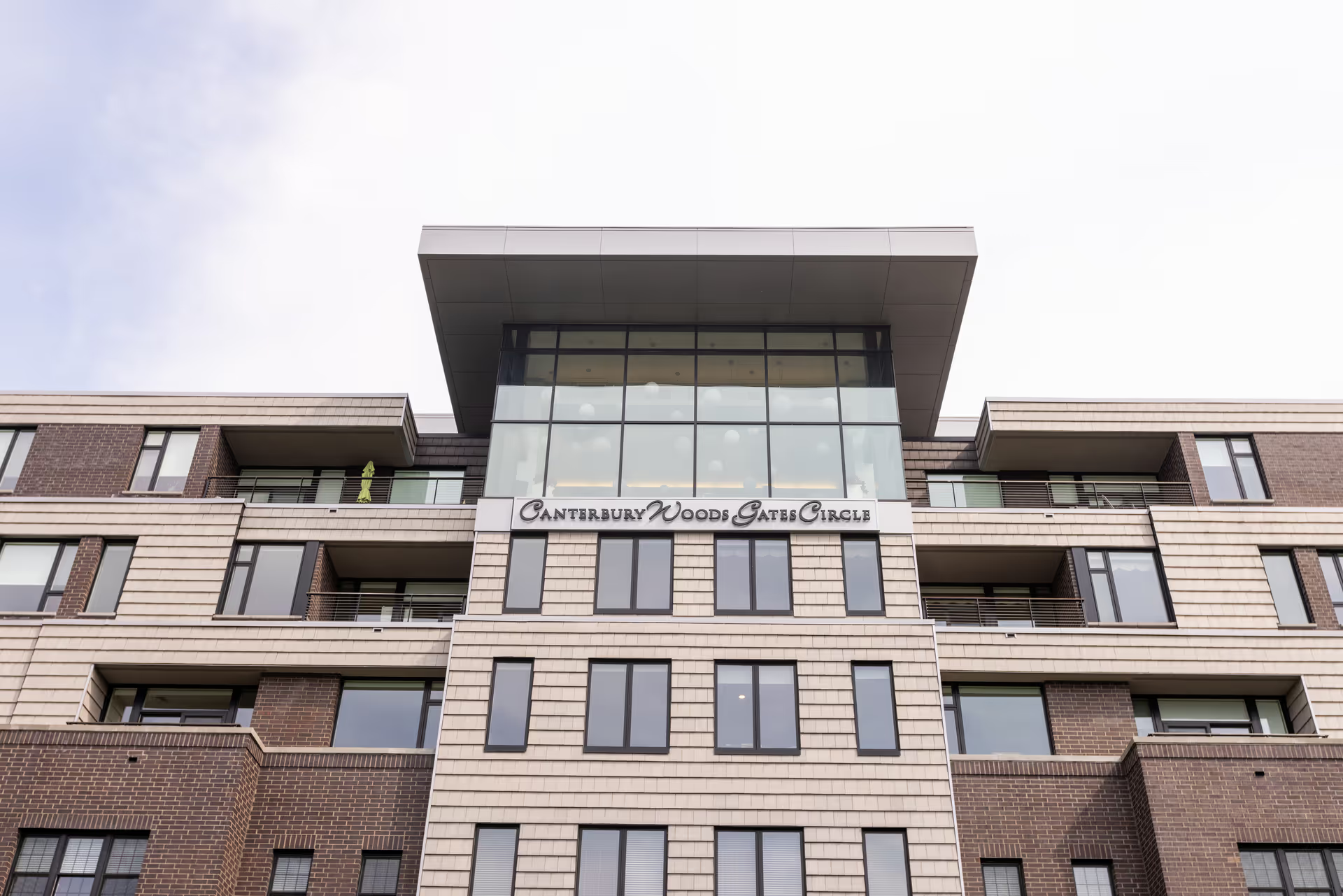
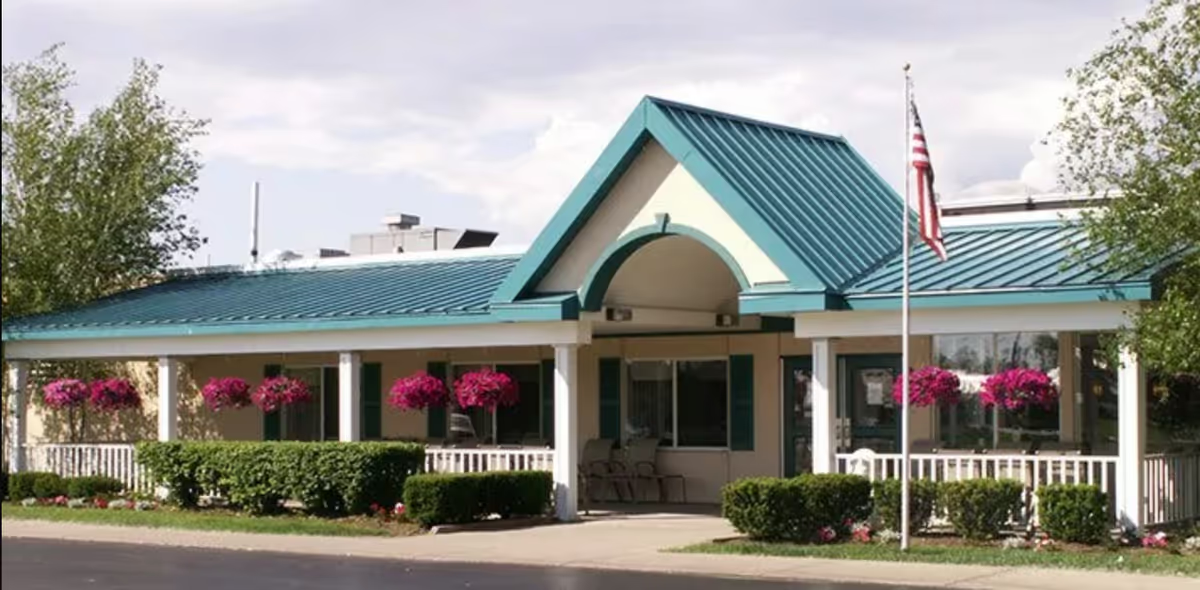
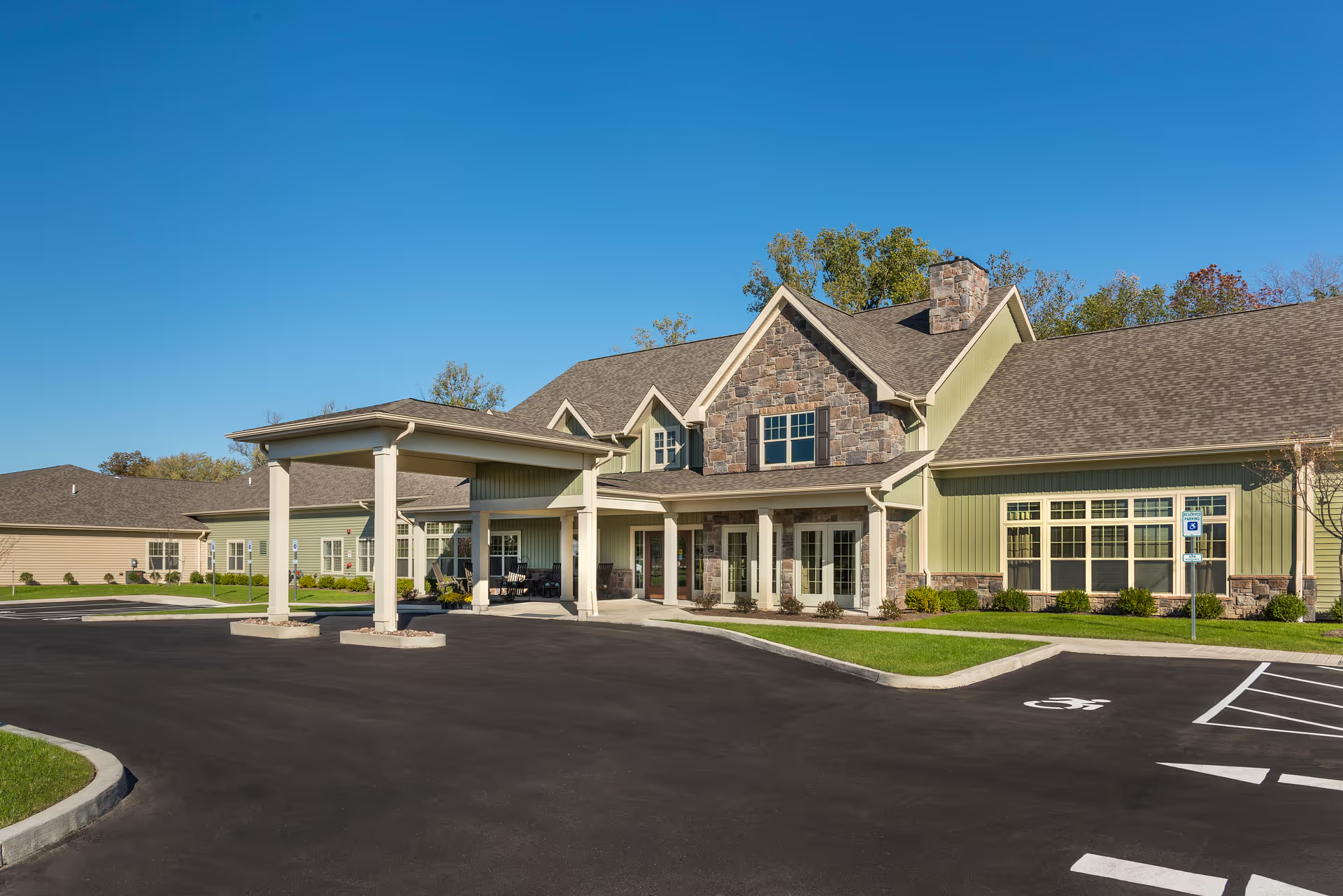
Facilities and environment: Accounts vary between renovated, welcoming areas and continuing building-condition problems. Reported concerns include maintenance issues, inconsistent temperature control, and sanitation/odor problems in some wings and resident rooms. Pest-control concerns and hygiene-related operational gaps are mentioned on multiple occasions. These environmental issues appear clustered in older parts of the building and during periods of staffing strain.
Management and administration: Many reviewers express frustration with administrative communication, discharge coordination, billing, and paperwork handling. Specific operational failures cited include delays in discharge prescriptions, incomplete discharge documentation, and unresolved billing disputes. While some admissions and reception staff receive positive mention for informative tours and attentive onboarding, overall leadership responsiveness is described as inconsistent. There are also reports of regulatory scrutiny and allegations involving property loss that families elevated to outside authorities.
Notable patterns and practical implications: The overall pattern is variability — pockets of high-quality, person-centered care exist alongside recurring systemic weaknesses. Positive outcomes are most often associated with robust therapy involvement and consistent, attentive staff; negative experiences correlate with high agency-staff usage, staffing shortages, poor communication, and maintenance or sanitation lapses. Prospective residents and families should consider on-site observation of staffing levels, ask about agency staffing ratios, inquire about medication and discharge processes, and request clarification on property-security and visitation policies. A focused tour that includes current residents’ dining and therapy sessions, and specific questions about recent regulatory actions or corrective plans, may help clarify whether the facility’s strengths align with an individual’s care needs.