Overall impression: Reviews of Yonkers Center for Nursing and Rehabilitation are mixed, with a clear split between families who praise clinical and rehabilitative strengths and those who describe operational and safety shortfalls. Positive comments consistently highlight compassionate direct-care staff, strong therapy outcomes, and a generally clean and welcoming environment. Conversely, other reviews identify persistent operational weaknesses that affect daily care reliability and family confidence.
Care quality and clinical oversight: Many families describe effective rehabilitation, attentive nursing aides, and successful post‑surgical or prosthetic coordination that supported patient improvement and discharge home. At the same time, concerns center on inconsistent clinical practices — notably variable incontinence care, delayed hygiene assistance, medication‑ordering and night‑time dosing gaps, and limited physician availability. These issues create uneven experiences: when clinical coordination is functioning, outcomes are favorable; when it breaks down, families report delays in basic care and wound/safety monitoring.
Staff and communication: The facility elicits strong praise for individual staff members and teams who are described as compassionate, respectful, and engaged. Several clinicians and administrators were singled out as problem‑solvers and sources of reassurance. However, recurring themes also include understaffing, slow call‑bell responses, instances of unprofessional communication, and a dysfunctional phone/social‑work process that impedes timely family updates. These mixed accounts suggest variability in staffing levels, training, and unit supervision that directly impacts family trust.
Dining and activities: Activity programming and social engagement are reported as positive contributors to resident quality of life. Therapy departments receive frequent commendation for their hands‑on work. Dining feedback is more variable: some families describe acceptable or good meals and adaptive service, while others note limited menu variety, repetitive offerings, cold or delayed trays, and occasional missed meal deliveries. Meal service reliability appears to fluctuate with staffing and kitchen operations.
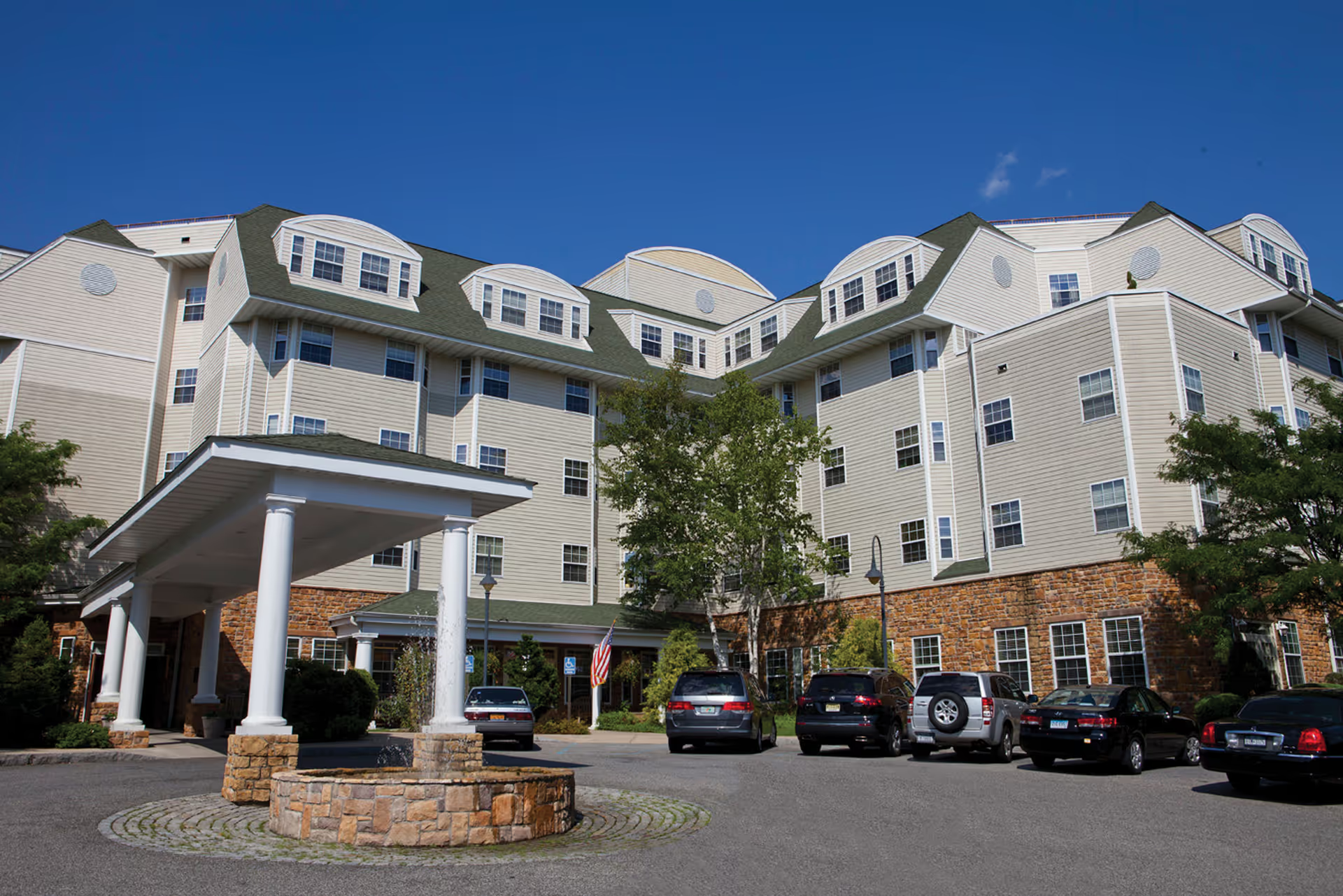
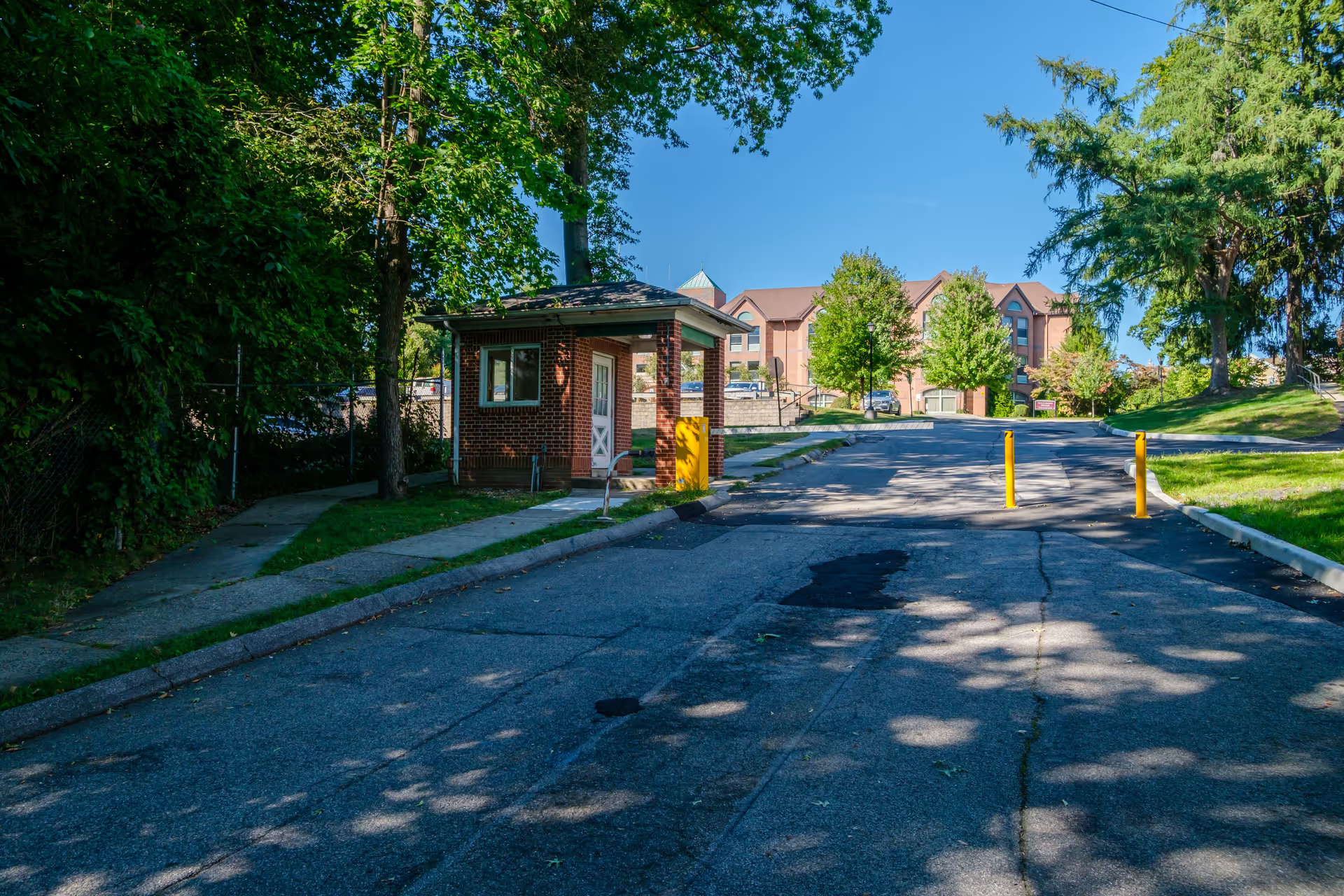
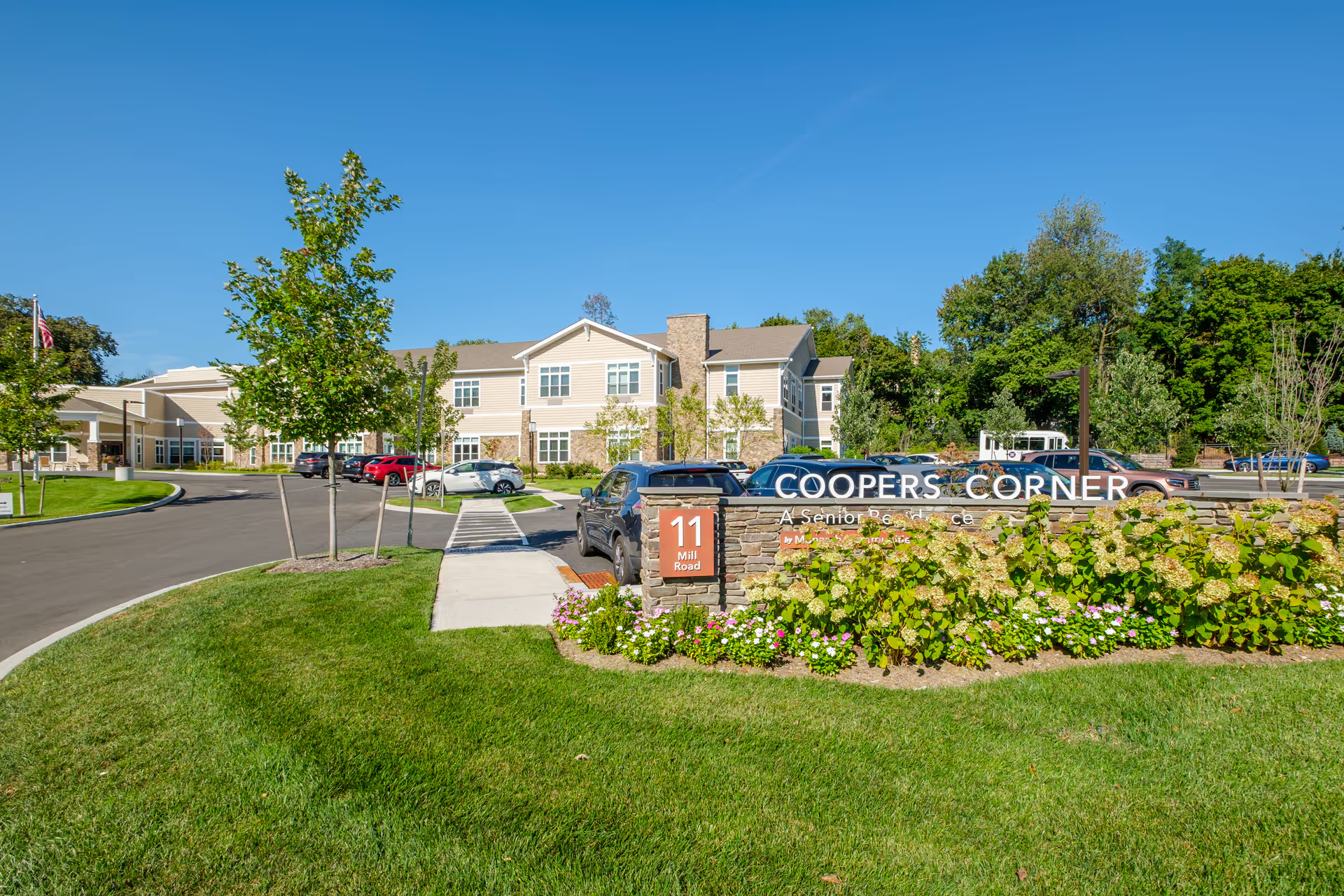
Facilities and safety: Many reviewers describe clean, well‑kept public areas and ongoing renovation work that improves the setting. At the same time there are operational maintenance concerns — notably elevator outages, HVAC/air‑conditioning failures in resident rooms, and isolated sanitation or communal water/ice hygiene issues. Several families raised alarms about supervision and emergency response timing; these items identify gaps in safety procedures and maintenance continuity rather than universal conditions across the campus.
Management and patterns to watch: Newer management and specific administrators receive positive mentions for improved responsiveness and organization. Nonetheless, repeated themes include scheduling confusion, lost or mislabeled laundry and personal items, appointment cancellations, and some families pursuing formal complaints or requests for investigation, including allegations concerning missing belongings and post‑event communication after a resident death. Prospective residents and families should assess current management stability, ask about staffing ratios, clinical oversight (physician coverage and medication protocols), and policies for laundry, belongings tracking, emergency notification, and infection control. Touring the facility, meeting key staff, and reviewing recent inspection or complaint histories will help clarify whether the experience aligns more with the positive or the negative accounts provided.