Feedback on Woodhaven Court is strongly bifurcated: many families describe a warm, clean, activity-rich environment staffed by caregivers who demonstrate compassion, respect for dignity, and frequent outreach to families; other accounts raise operational concerns that prospective families should evaluate during a visit.
Care quality and staff: Positive commentary centers on attentive, family-oriented caregivers, dementia-capable approaches, and regular clinical oversight. Numerous accounts highlight staff who provide emotional support, keep families informed (notably during COVID), and treat residents with respect. At the same time, there are recurring operational concerns: inconsistent staffing levels—especially overnight—are linked to delays in responsiveness, and some narratives describe lapses in basic personal-care assistance. There are also serious, isolated allegations of inappropriate staff conduct; these raise questions about incident response and follow-up procedures. Families should ask about staffing ratios by shift, incident-reporting protocols, and recent staff-training initiatives when they tour the community.
Dining and activities: The community is frequently praised for a varied activities program, craft projects, holiday meals, and regular social opportunities that promote independence and engagement. Dining is generally described as adequate with ample meals and snacks, allowance for personal food and in-room refrigeration, and regular clinician visits. Operational issues cited include long dinner lines and occasional service delays; prospective families may want to observe meal service times and ask how the facility manages peak periods and special-diet needs.
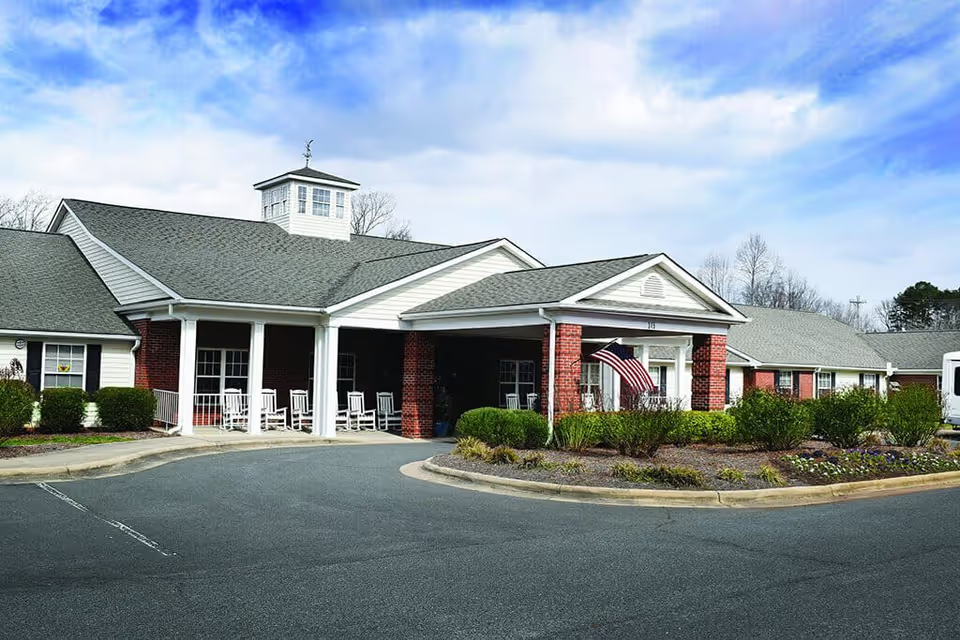
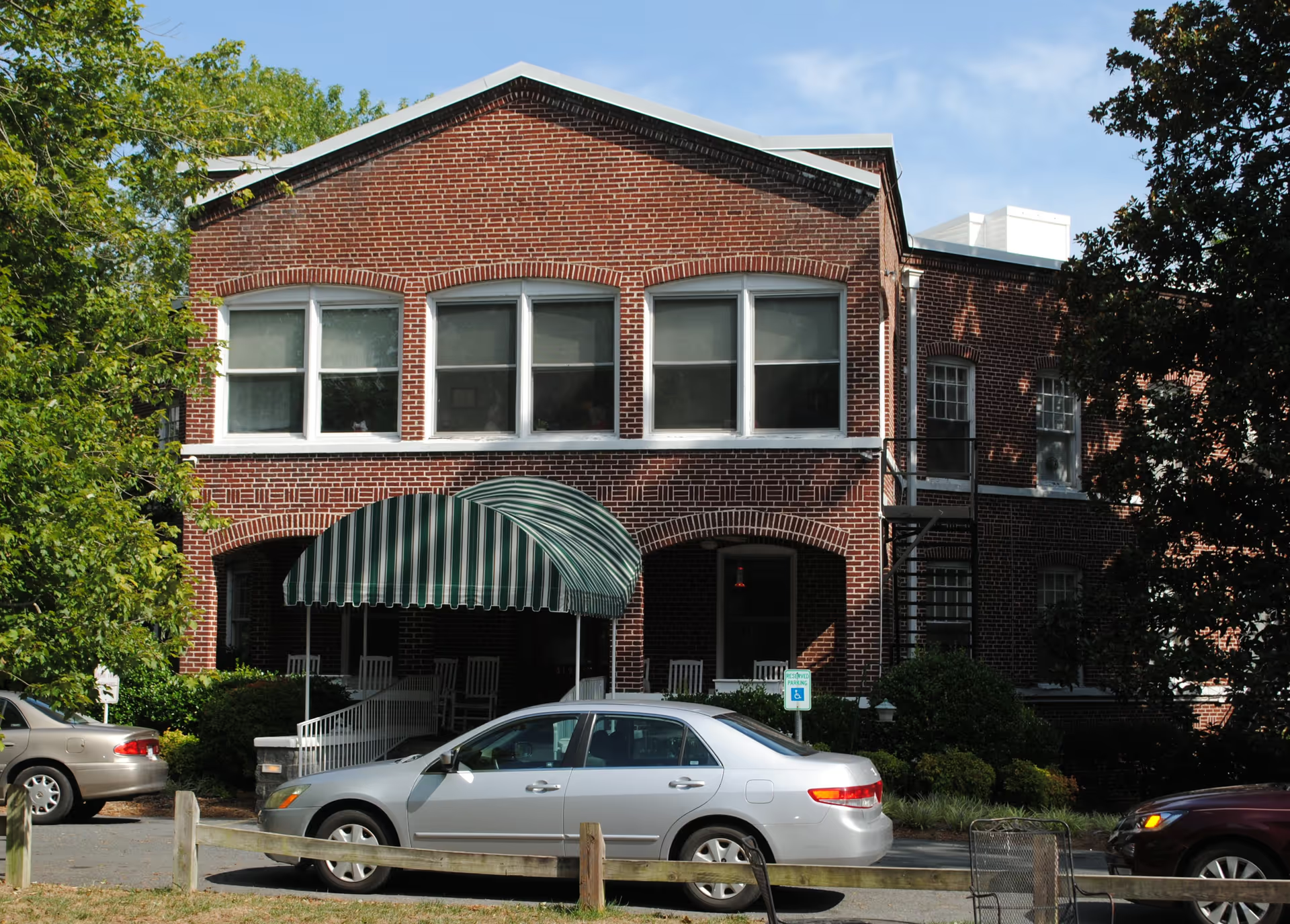
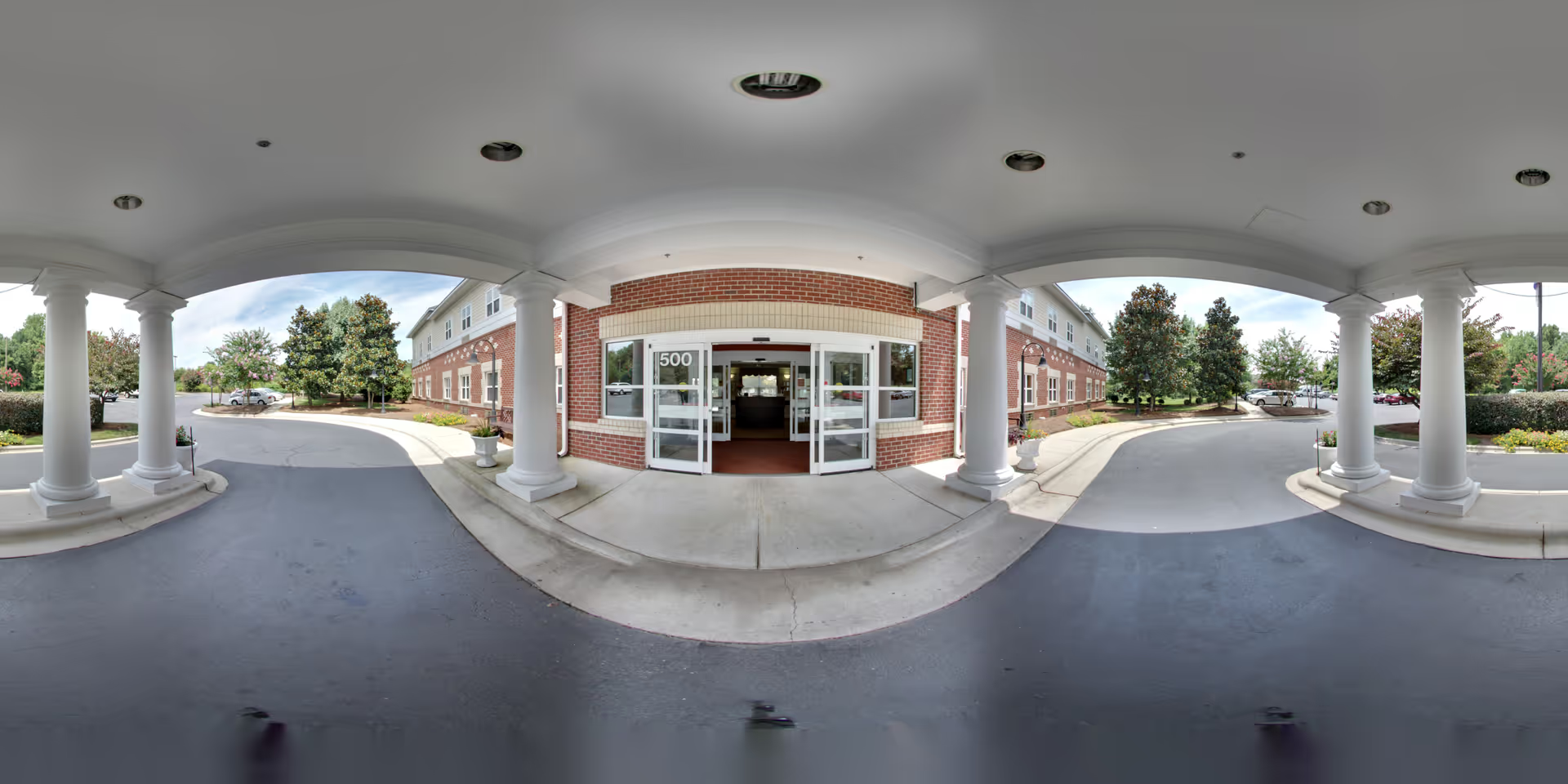
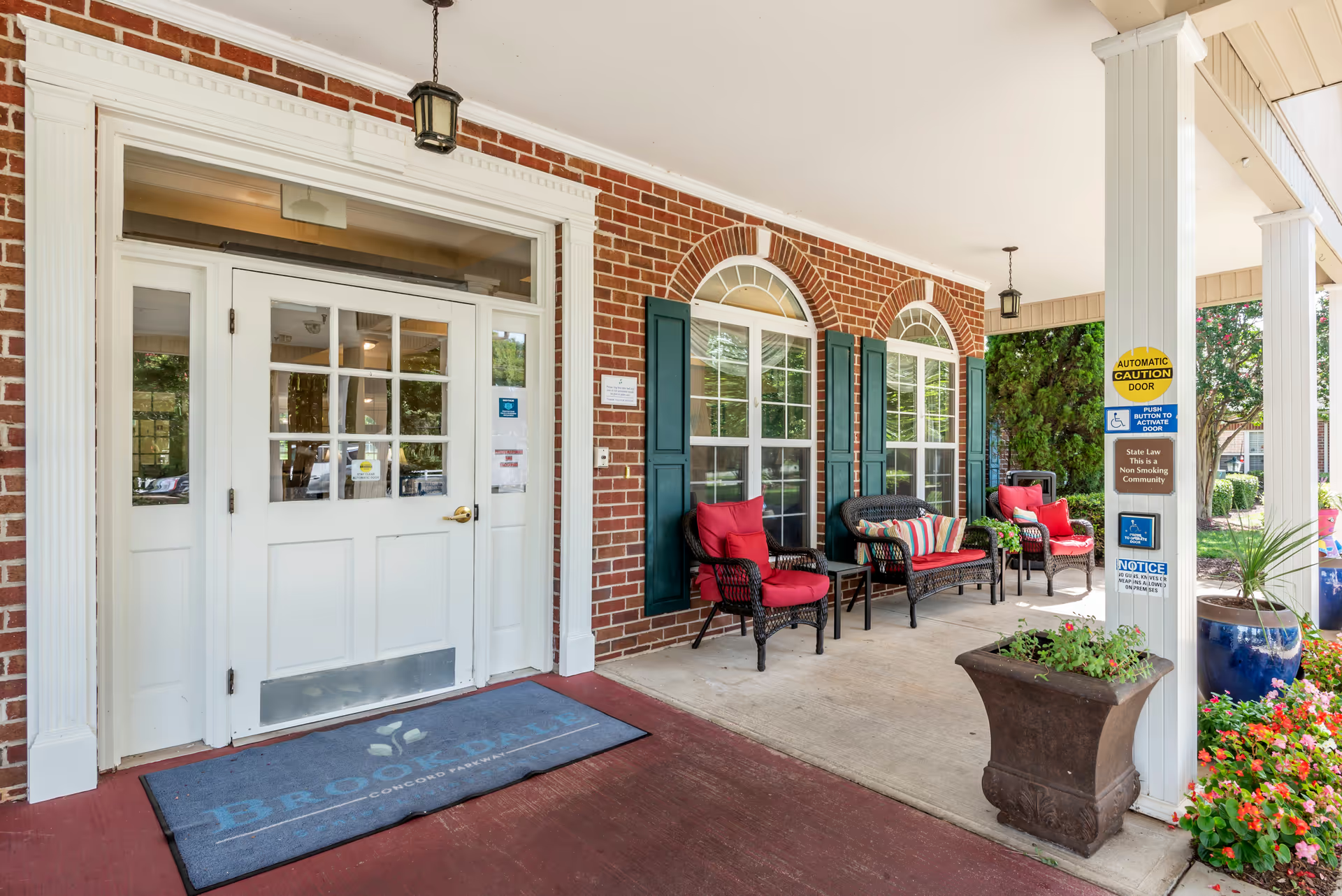
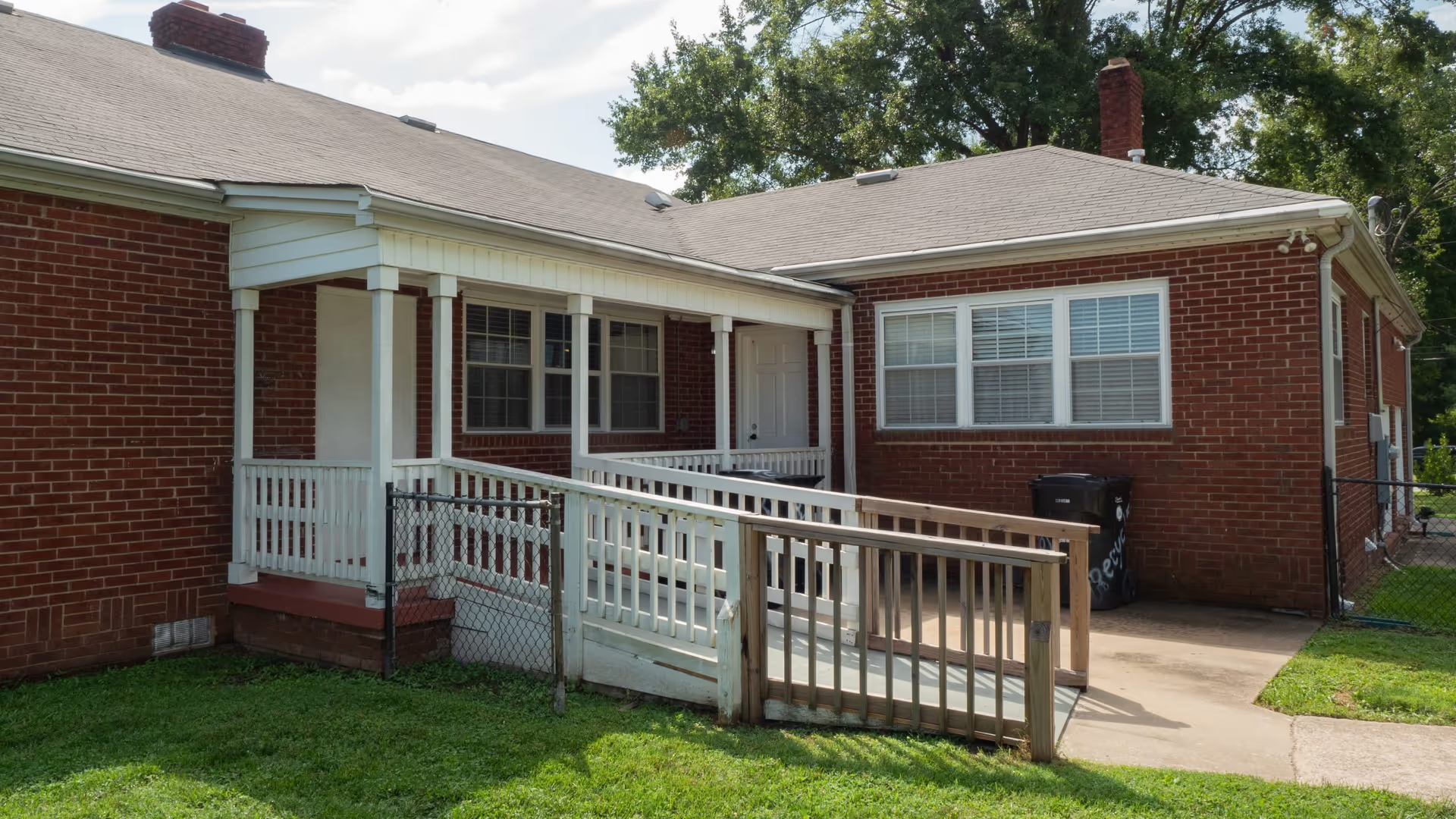
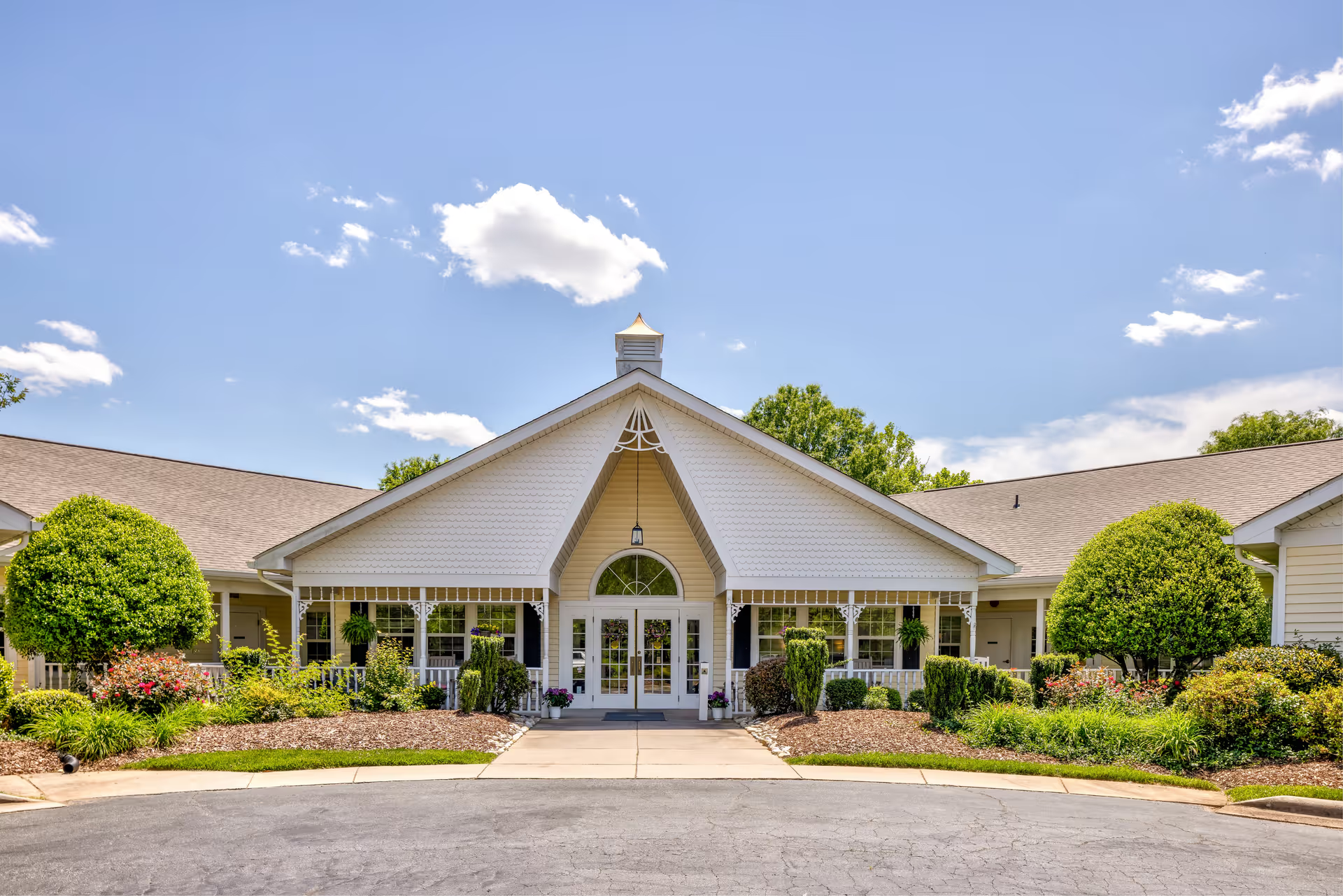
Facilities and sanitation: Many accounts emphasize a clean, well-maintained environment with high sanitation/inspection scores, contributing to a welcoming atmosphere. However, there are also mentions of uneven cleanliness and isolated incidents of delayed cleanup or odor concerns. The facility is described as older in some comments, which can bring infrastructure limitations. Inquiries about recent repairs, cleaning schedules, and inspection history will help clarify current conditions.
Management and operations: Strengths include instances of supportive leadership and effective communication during public-health events. Persistent weaknesses noted include staff turnover and ownership/management transitions, which can affect continuity of care. Additional operational gaps involve personal-property management and processes for returning or tracking residents’ belongings. Prospective families should ask about staff retention strategies, leadership stability, property-inventory practices, and family communication protocols.
Notable patterns and guidance: Overall sentiment is mixed but clear patterns emerge—consistent praise for compassionate caregiving and engaging programming, paired with recurring concerns about staffing consistency, responsiveness, personal-care reliability, and property management. Given this variability, it is advisable to tour the community during different times of day (including evenings), observe mealtimes and activities, request staffing ratios and recent inspection results, and ask for examples of how the facility addresses complaints and serious incidents. These targeted questions can help families weigh the positive aspects against operational risks that may matter most for their loved one.