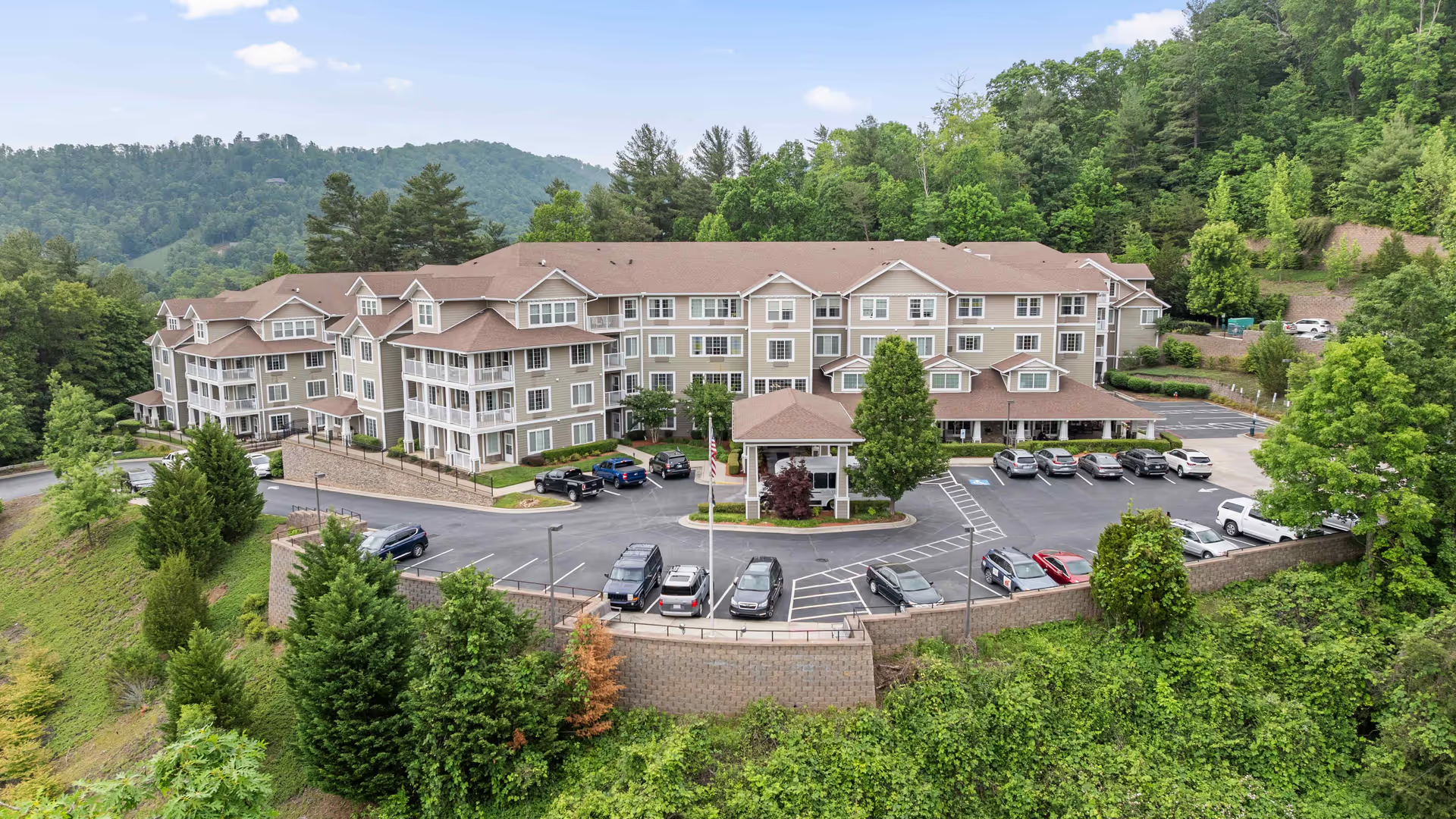
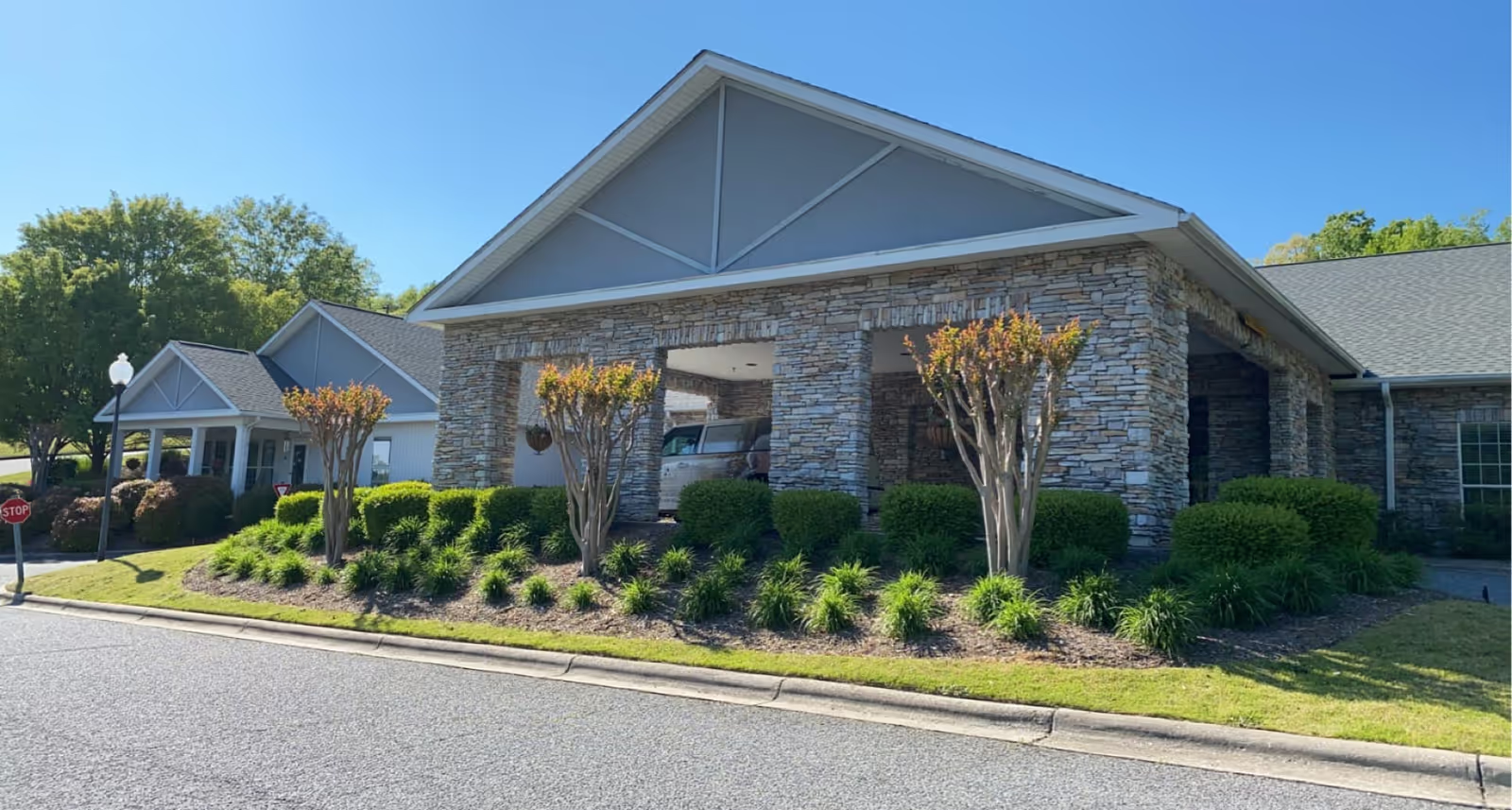
Trinity View draws consistently positive comments about its staff engagement, activity offerings and dining program. Many families and residents describe warm, compassionate caregivers, an active calendar of classes, trips and performances, and high marks for the chef and meal presentation. Onsite services such as in-house therapy, a salon, assistance arranging physicians and dental visits, and an on-call physician add clinical convenience. The community’s small, tight-knit feel and faith-based programming are frequently cited as sources of resident satisfaction.
Care quality is generally viewed favorably in terms of compassion and responsiveness, but reviewers also point to variability in day-to-day execution. Positive accounts highlight staff who go above and beyond and successful crisis response during extreme events; at the same time, there are consistent mentions of staffing shortages and workforce fatigue that can affect timeliness of care and availability of one-on-one ADL assistance. A few families raised concrete concerns about an adverse event in therapy and limited follow-up communication — an issue that aligns with broader comments about inconsistent incident response and family notification processes.
Dining and activities are clear strengths for many residents. Multiple reviewers praise the quality and variety of meals, the option to dine in-room, and an abundance of social and recreational programming (bridge, bingo, exercise classes, yoga, pool activities). However, some families found dining policies to be confusing or rigid, and others described inconsistent meal satisfaction. Prospective residents should clarify dining rules, special-diet accommodations and meal-service continuity during admissions.
Facilities and ancillary services receive mixed but generally positive feedback. Common areas are described as clean and well-maintained, with amenities that support social life and rehabilitation. At the same time, reviewers noted dated finishes in places, occasional odor concerns in particular areas, and specific concerns about equipment maintenance and therapy-safety oversight. Transportation capacity is another operational constraint mentioned repeatedly — limited drivers and long waits for scheduled trips or appointments were a common inconvenience.
Management impressions are polarized. Several families complimented new administrators, marketing and financial staff for being helpful and professional; others characterized administration as inconsistent and called for stronger leadership. Taken together, the pattern suggests a community with strong programmatic assets and a caring frontline team but operational gaps in staffing, communication, and maintenance oversight. For prospective residents and families, recommended due diligence includes asking about current leadership and staffing ratios, incident-reporting and follow-up procedures, transportation schedules, therapy-equipment maintenance, housekeeping frequency, and specifics of dining policies. Many residents appear very happy there, yet the facility would benefit from more consistent management practices and staffing stability to match the positive elements of care and programming.