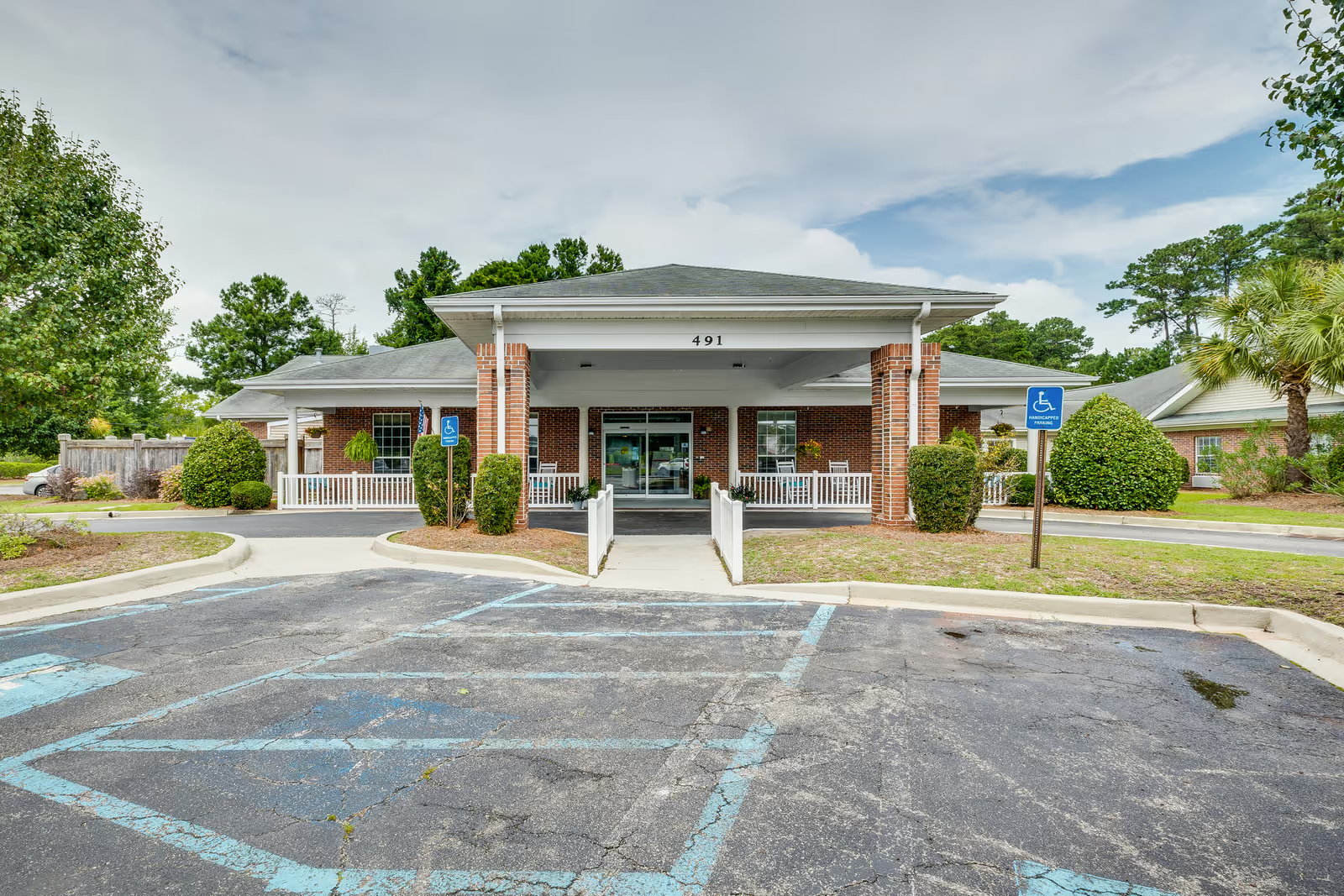
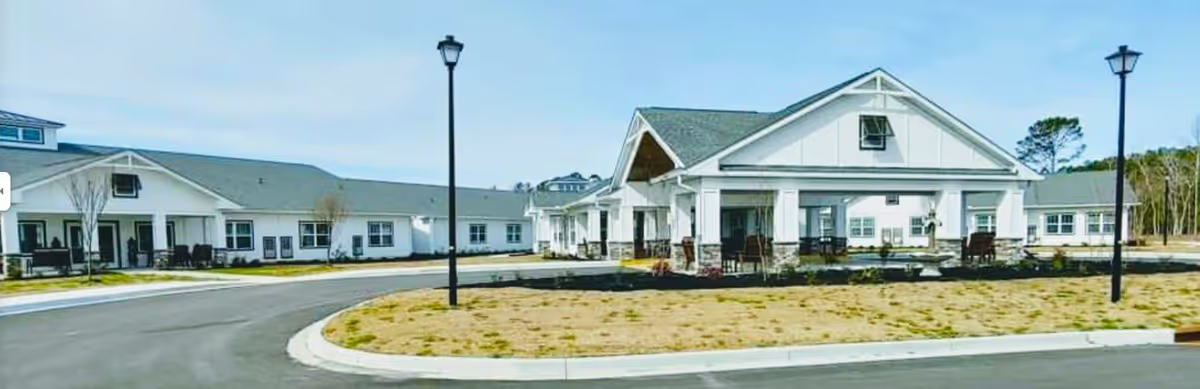
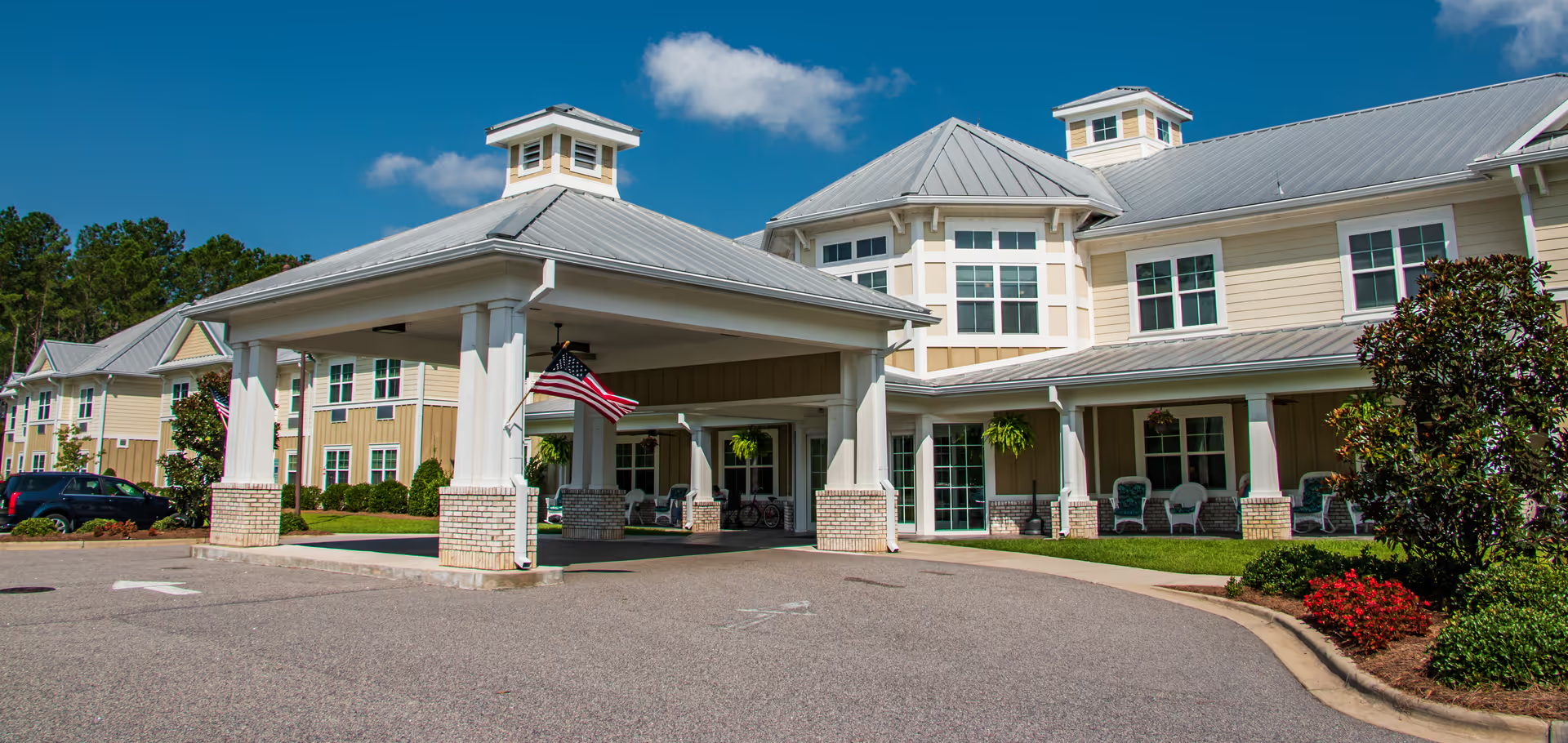
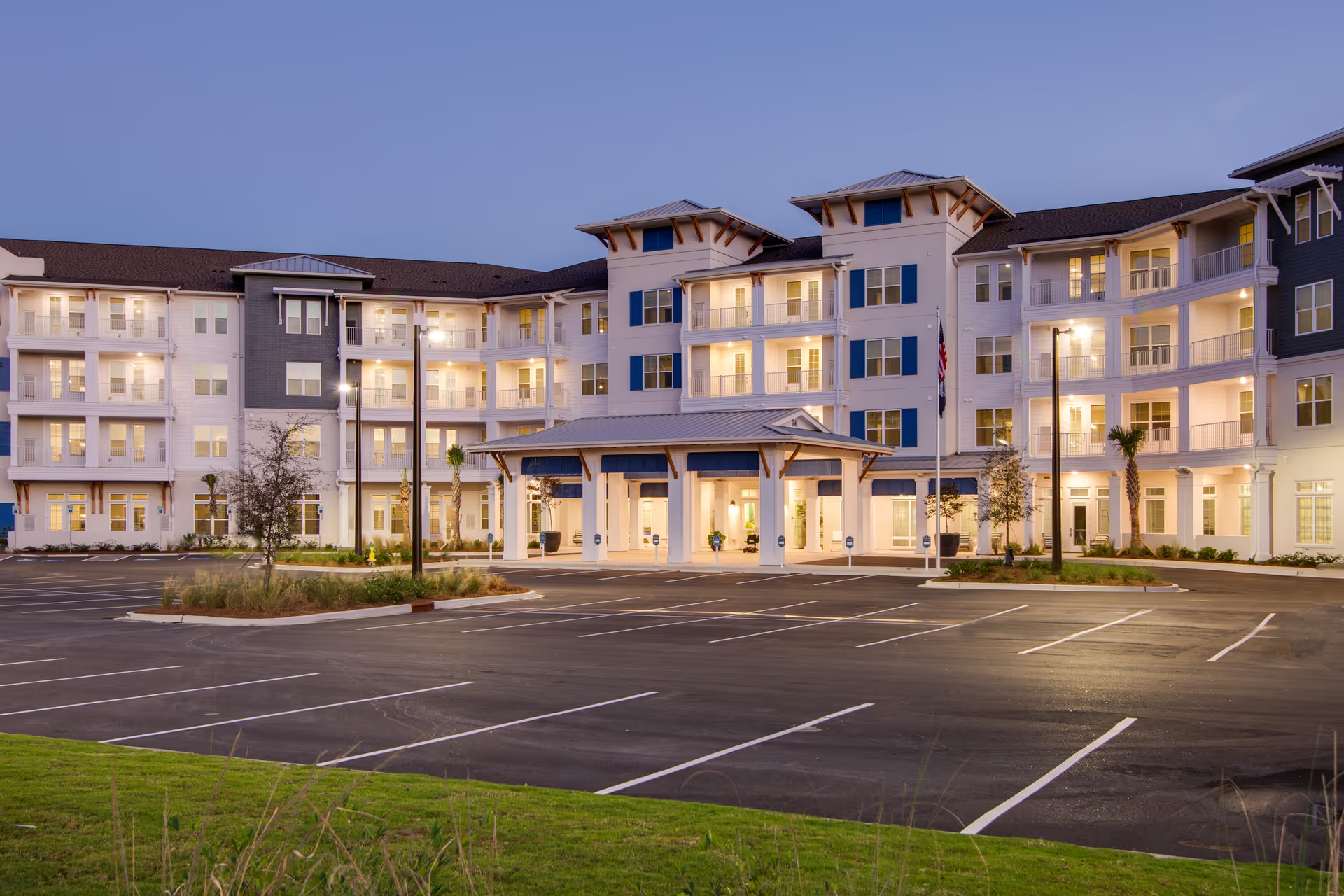
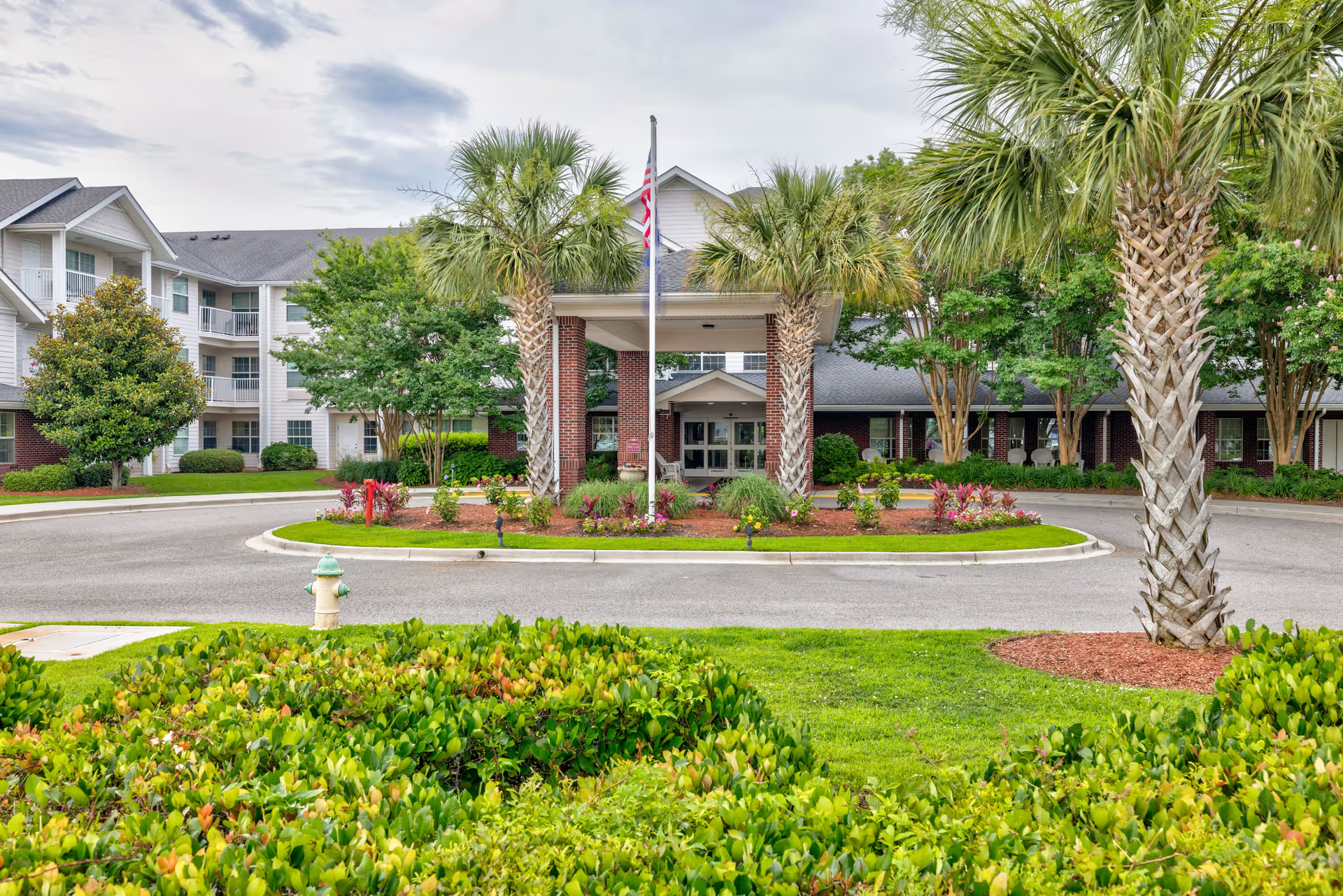
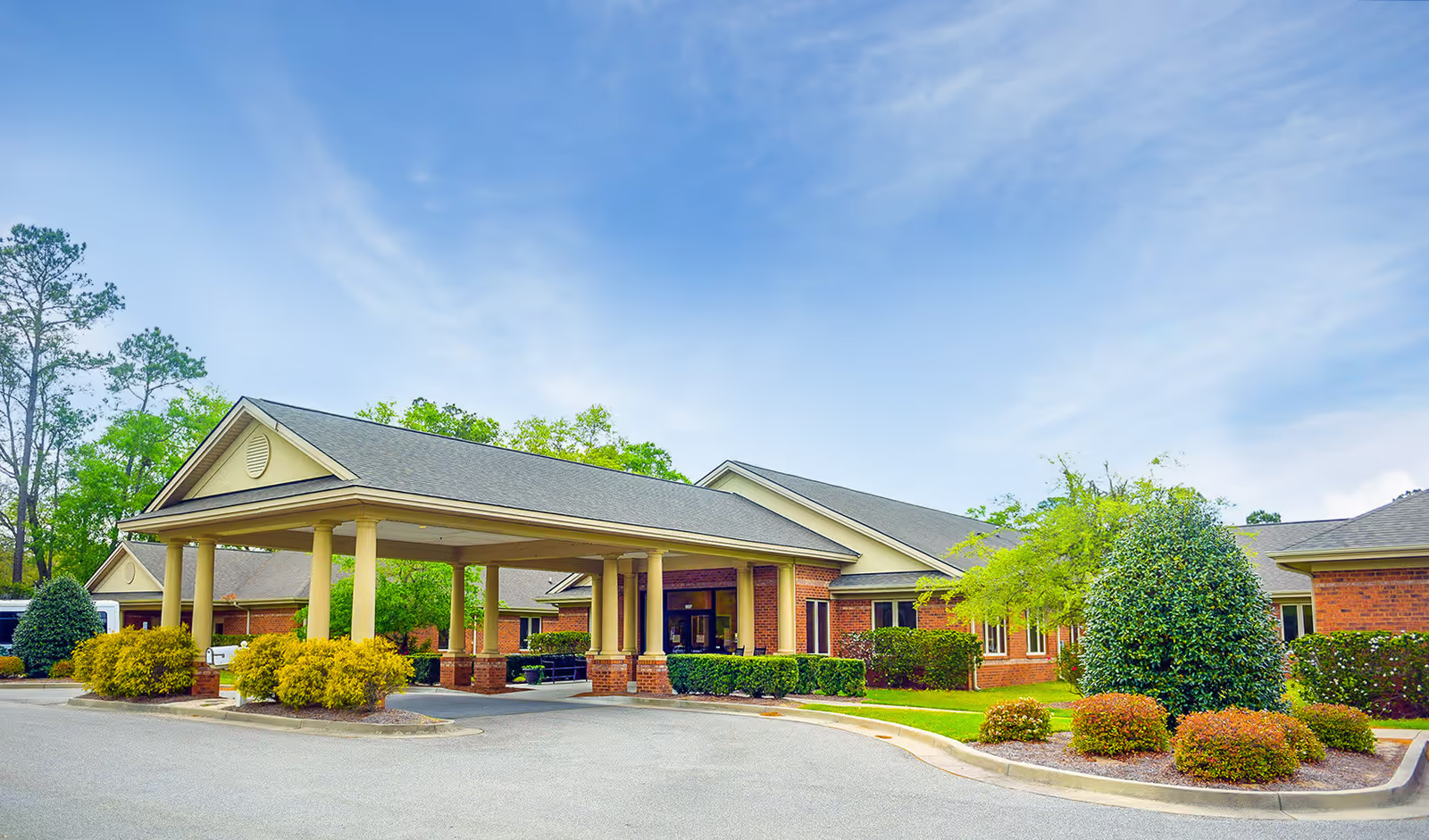
The reviews portray a facility with clear strengths in clinical rehabilitation, hands-on caregiving, and physical environment, but also with recurring operational weaknesses that families should evaluate carefully. Many reviewers praised the nursing teams, CNAs, and therapy staff for compassionate care and measurable short-term rehabilitation outcomes; several accounts attribute successful mobility and recovery to coordinated therapy and attentive floor staff. The building itself is frequently described as clean, modern, and well‑decorated, with plentiful indoor and outdoor social areas, an onsite salon, and a generally pleasant communal atmosphere.
Clinical care is where impressions diverge. Positive accounts emphasize responsive nurses, effective therapy regimens, and teamwork across nursing, therapy, and housekeeping. Conversely, a pattern of concerns appears around staffing reliability and timely clinical response: slow call‑light response times, delays in medication ordering and administration, and reports of delayed follow-up after clinical incidents. Reviewers also described inconsistent completion of routine personal care tasks and variability in therapy frequency, suggesting that clinical delivery can be uneven depending on shift and staff availability.
Staff behavior and management visibility receive mixed assessments. Many families and residents commend individual caregivers, the Director of Nursing, and some members of upper management for advocacy and involvement. At the same time, other accounts cite inconsistent staff conduct, high turnover, problematic interactions with specific administrative or social‑work personnel, and front‑desk unresponsiveness. These contrasting impressions point to variability in leadership engagement and staff supervision from unit to unit or shift to shift.
Dining, activities, and amenities are commonly listed as positives. Food quality is generally considered acceptable with alternative menu options available, and the facility appears active in providing recreational programming and outdoor activities that support resident engagement. Maintenance and room‑level service are generally adequate but not uniform: reviewers noted equipment and technology issues (for example, nonfunctional TVs), occasional lapses in room servicing, and environmental‑services practices that appear inconsistent.
Families weighing placement should consider the facility’s strong suitability for short‑term rehabilitation and residents who benefit from an active therapy program and a pleasant environment. At the same time, prospective residents with complex nursing needs, cognitive impairment, or who require continuous, high‑attention care should ask specific questions about staffing ratios on relevant units, medication‑management protocols, incident‑response procedures, dementia assessment practices, and channels for family communication. Visiting during multiple shifts, meeting direct-care staff and the DON, and reviewing recent quality metrics or staffing schedules can help clarify whether the facility’s strengths align with an individual’s care needs.
In sum, Brunswick Health & Rehab Center shows notable capabilities in therapy, caregiving by many frontline staff, and facility amenities, but consistent operational issues—especially around staffing consistency, timely clinical responses, medication processes, and communication—warrant careful inquiry before placement. Families who prioritize strong rehab services and a well‑maintained environment may find it appropriate, provided they verify safeguards for medication management, incident response, and cognitive-care continuity.