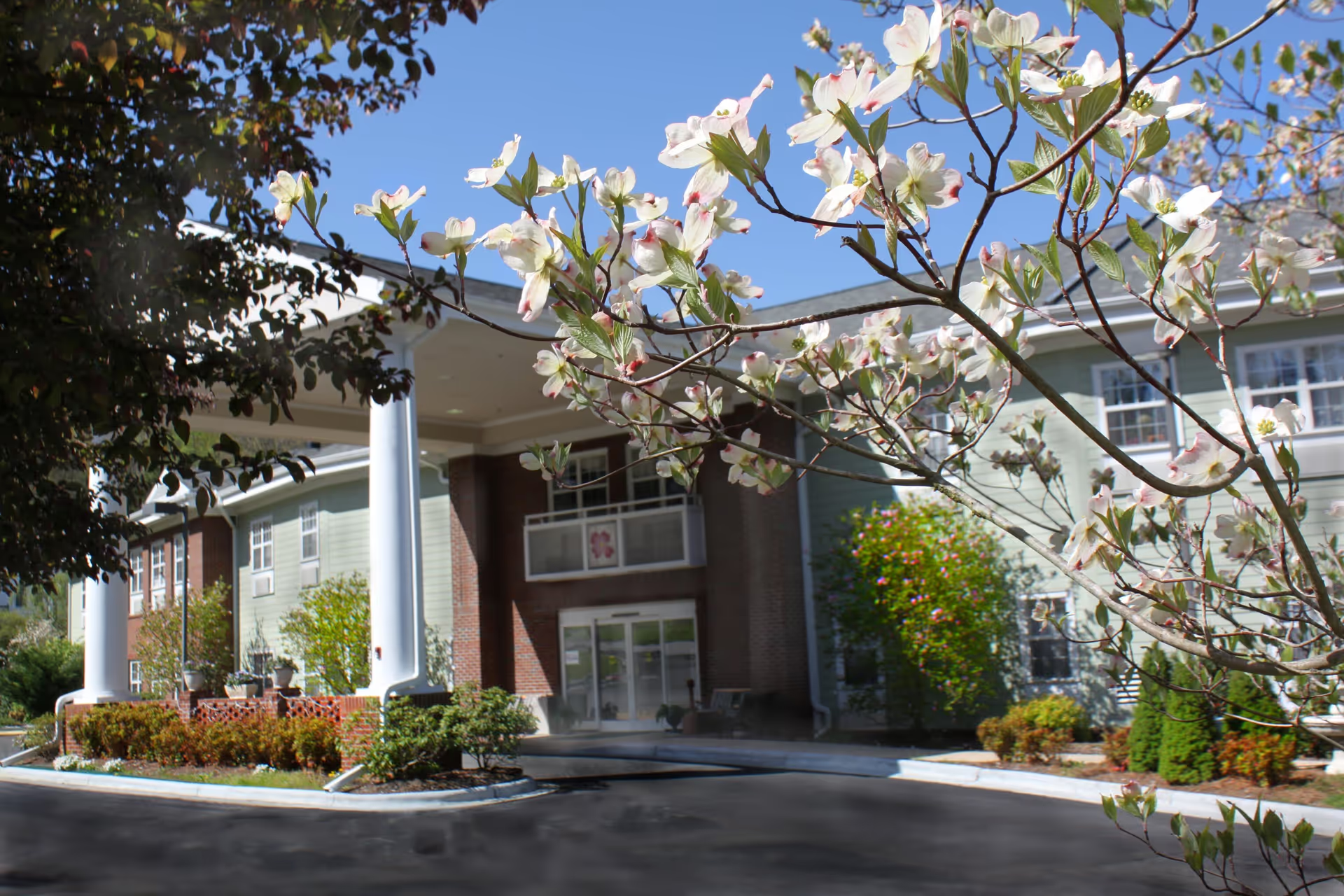
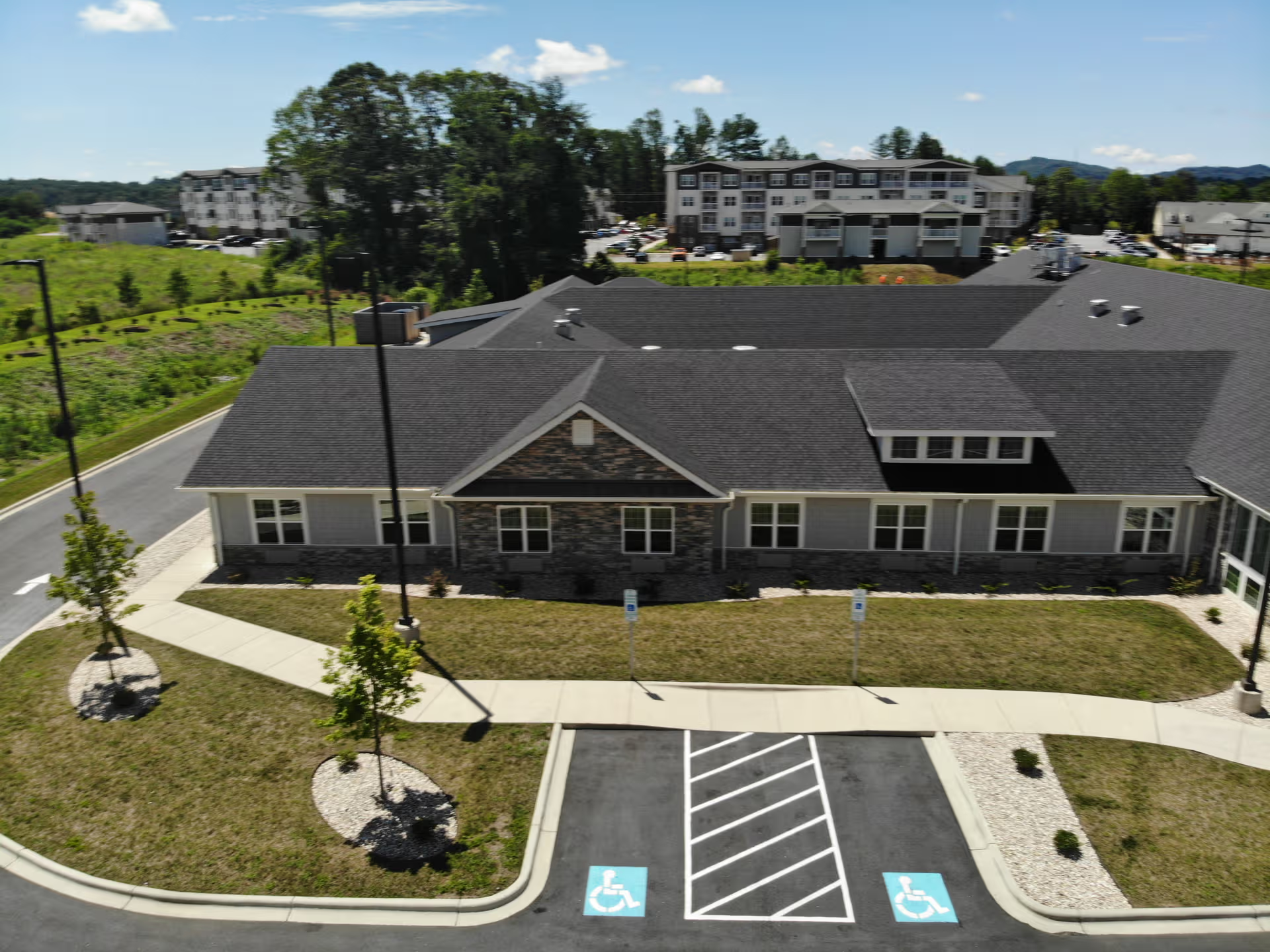
Reviews indicate a mixed clinical and operational picture at this facility. Many families and visitors praised the compassion and competence of direct-care personnel — nurses, CNAs, and therapists — and several accounts highlight strong rehabilitation services, attentive caregivers, and sensitive end-of-life support. Positive notes also include engaging activities, reasonable dining options, friendly frontline staff, and improvements attributed to recent renovations and new ownership. For some families these factors translated to meaningful emotional support and timely communication.
Counterbalancing those positives are recurring operational concerns that affect care consistency. A common theme is staffing instability: high turnover and insufficient CNA coverage that appears to produce long wait times for assistance, slow responses to call lights, and uneven coverage between shifts. Several reviews described medication-administration and documentation lapses and communication gaps between nursing shifts and with families; these issues create risks for missed or delayed treatments and make it harder for families to obtain timely updates on clinical status.
Facility-level environment and service-delivery issues are also described. Multiple reviewers noted sanitation and odor concerns in some common areas and carpeting, as well as inconsistent incontinence-care timeliness and gaps in routine hygiene and bathing schedules. Meal-service continuity and hydration oversight were areas of complaint for some families. There are additionally concerns about staff conduct and tone toward residents and family members, and a perception that these behaviors are uneven across staff and shifts. A number of comments link payroll or administrative problems with morale and staffing stability.
Management and leadership emerge as mixed factors. Some reviewers credit new ownership and renovation-driven improvements and describe strong clinical leadership; others characterize management as inconsistent, with criticisms about communication, scheduling transparency, and administrative responsiveness. Notable patterns across the reviews are variability by shift or by assigned staff member — families reported markedly different experiences depending on timing and personnel — and serious operational gaps when staffing is thin. Prospective families should weigh the facility’s strengths in therapy and individual caregiver compassion against the documented inconsistencies in staffing, sanitation, medication processes, and communication; when considering placement, ask for current staffing ratios, written care plans for incontinence and hydration, medication-administration protocols, and examples of family-communication practices to understand how the facility manages those areas day to day.