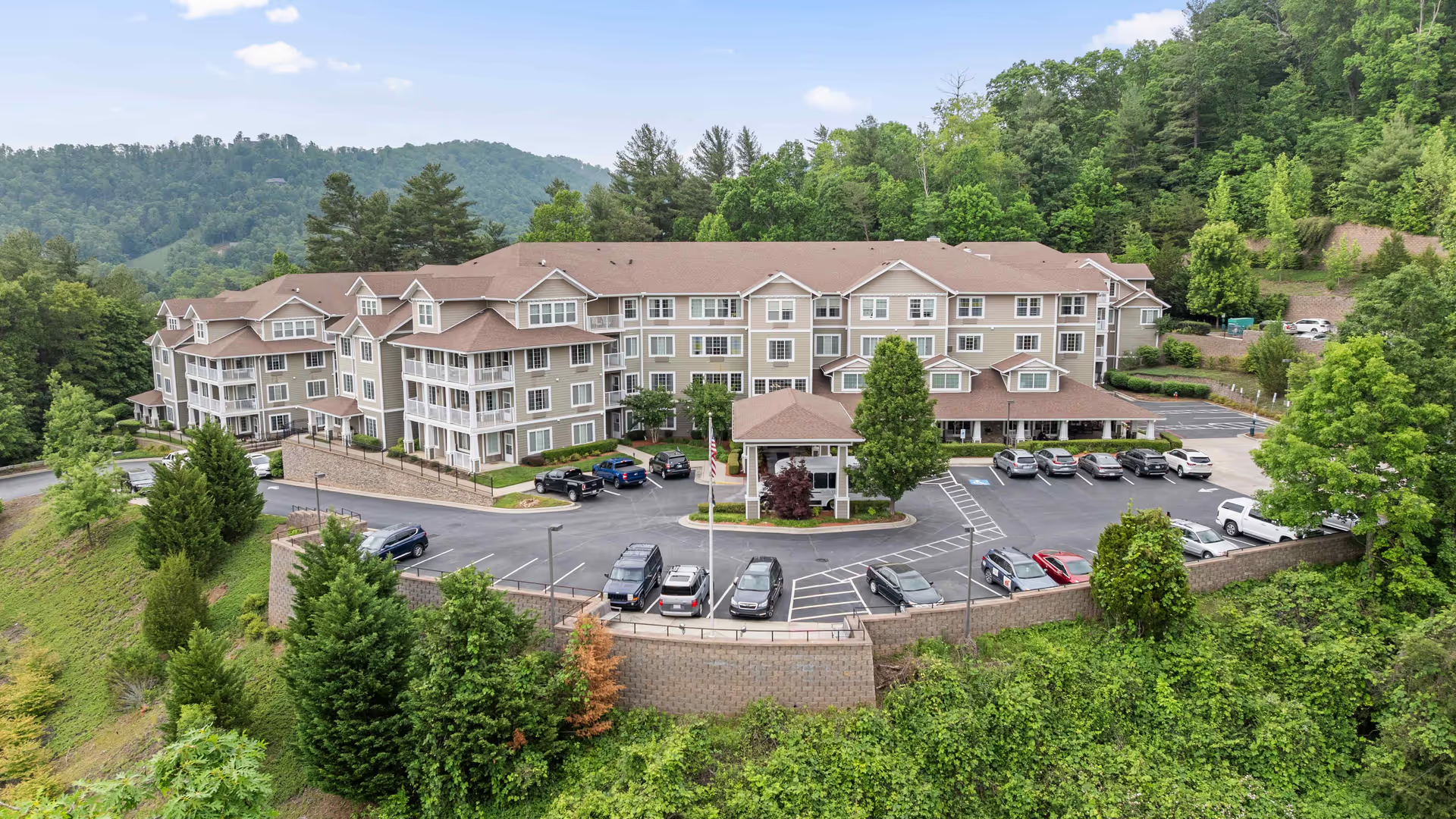
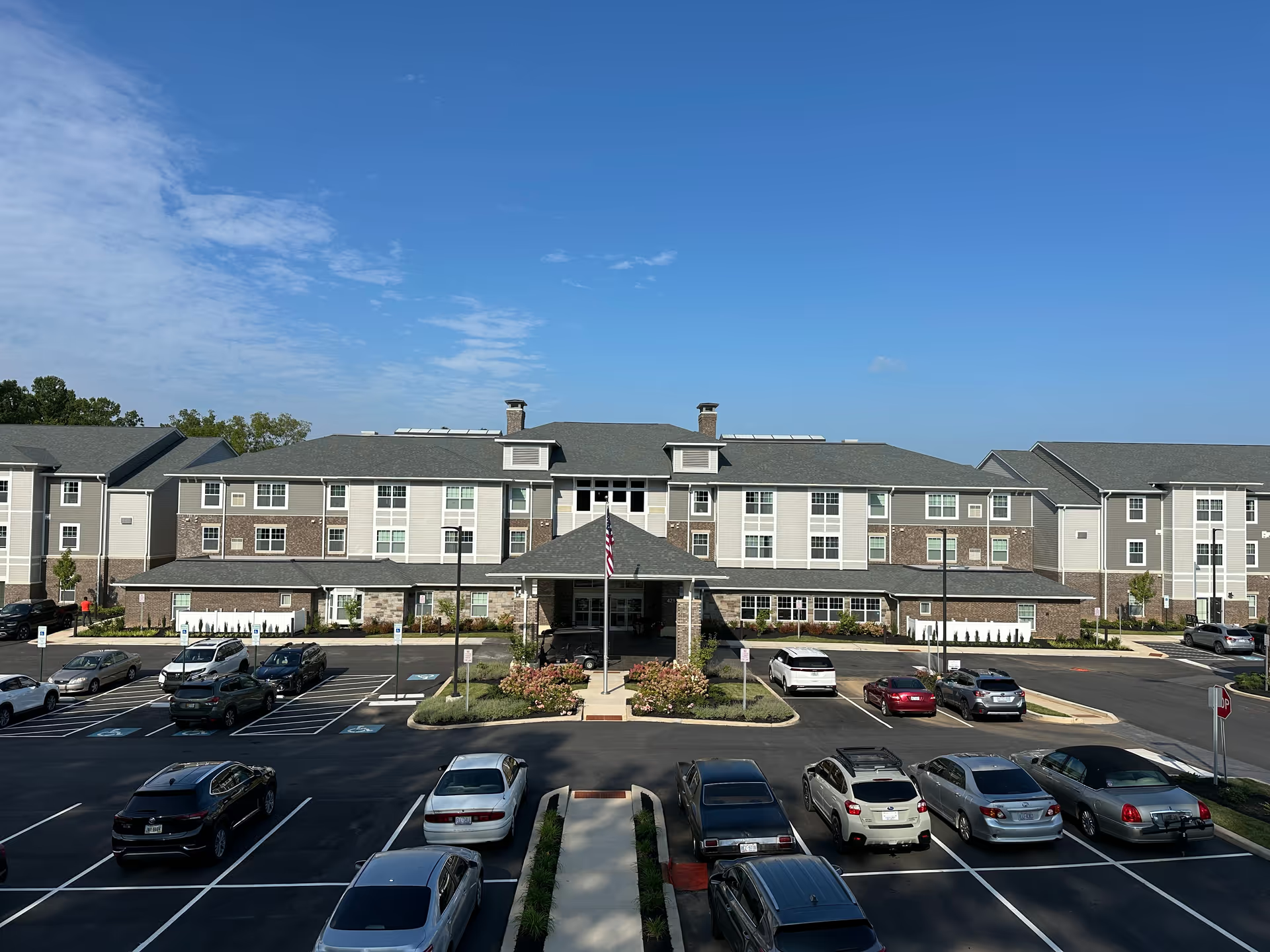
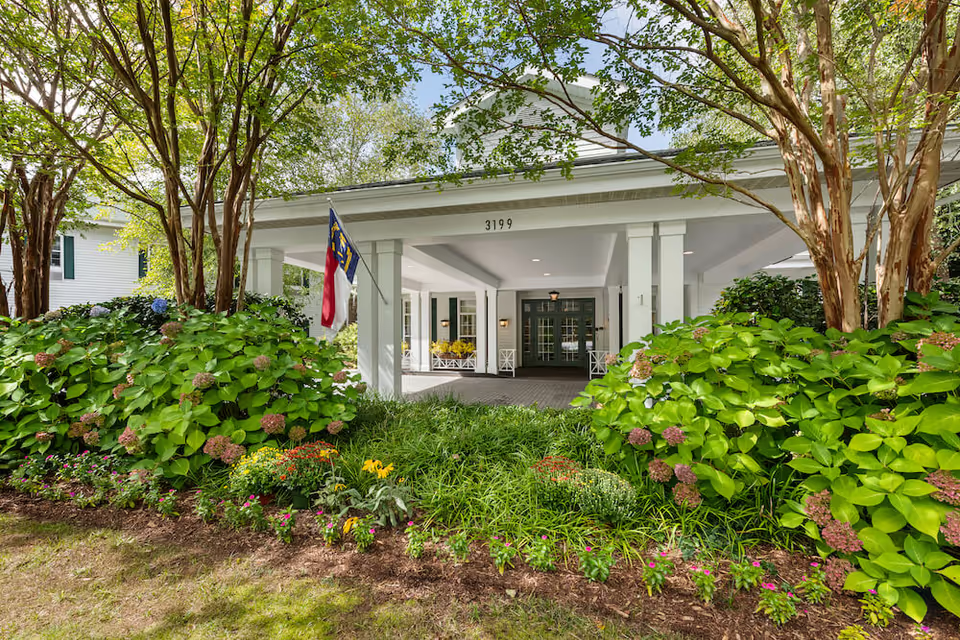
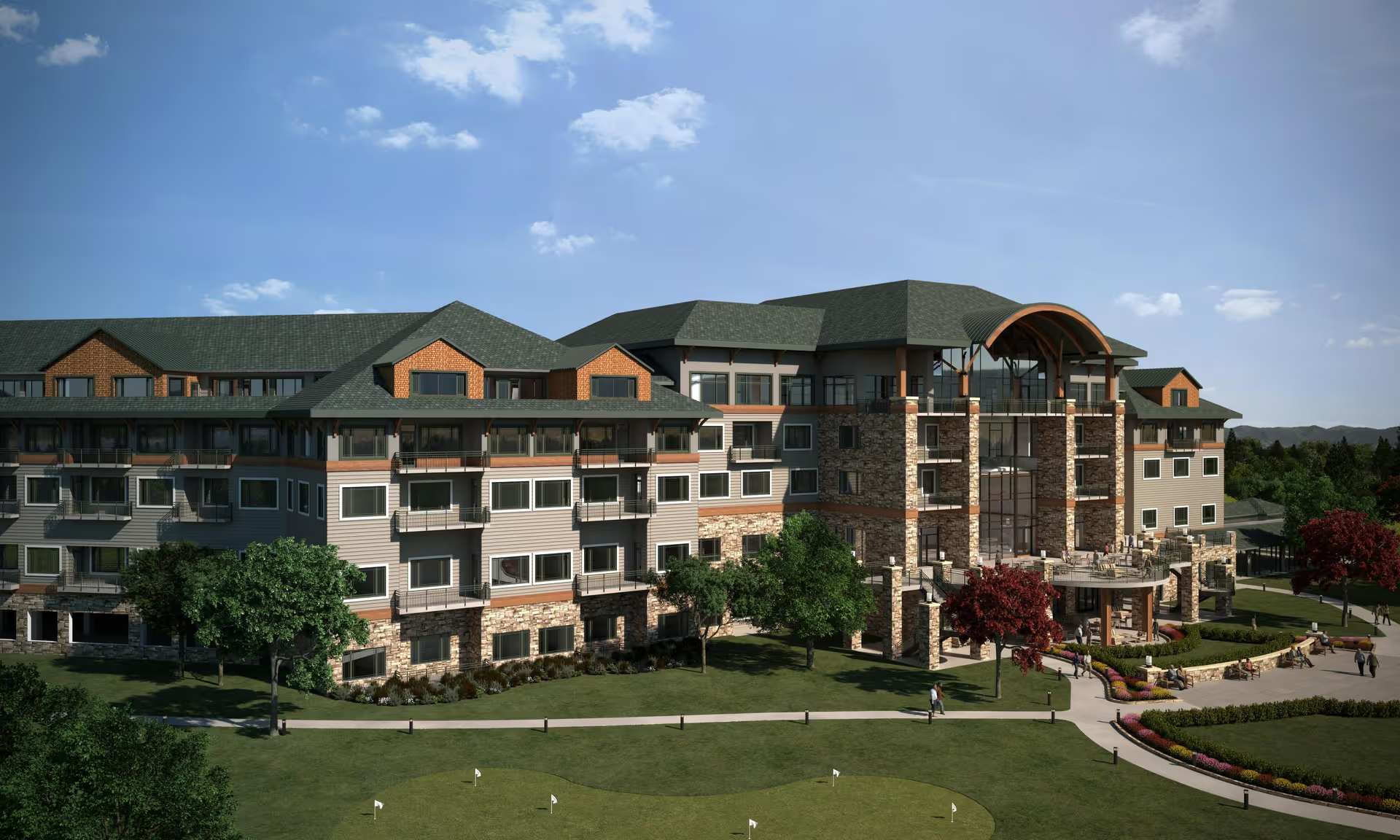
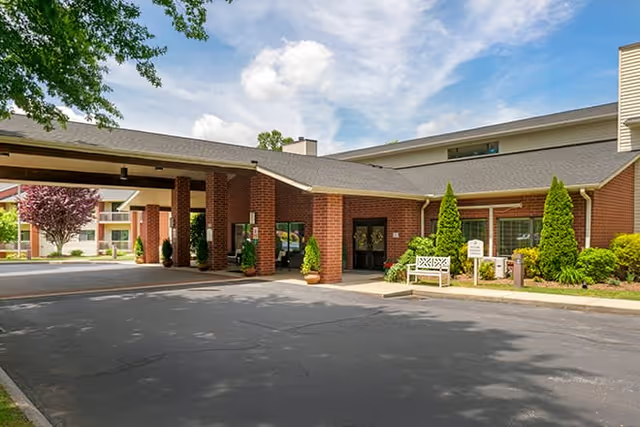
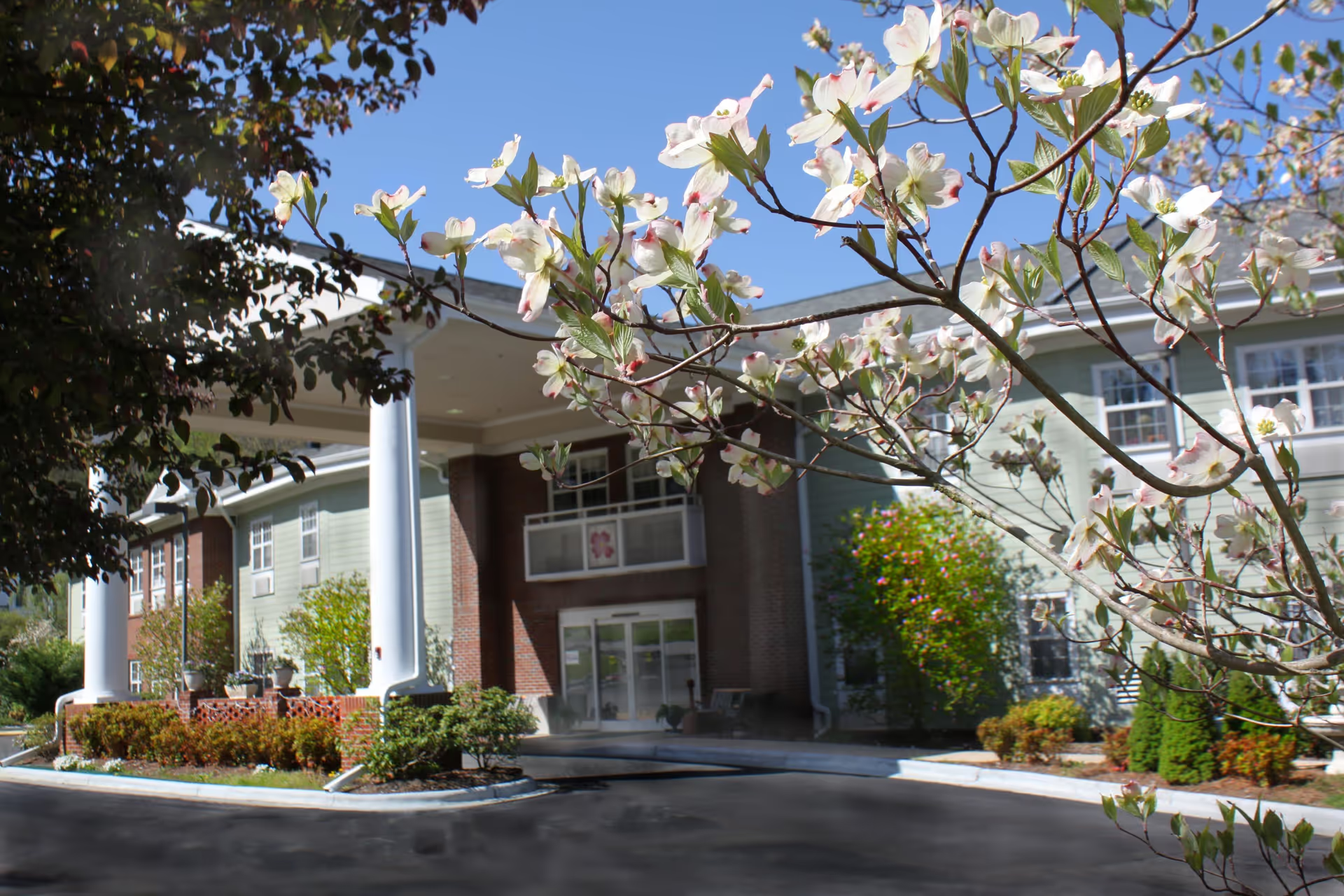
Overall impression: Aston Park Health Care Center presents as a modern, well-maintained facility with several strengths in clinical and social care. Many accounts emphasize the facility’s clean, attractive environment, bright resident rooms, accessible outdoor areas, and a generally inviting physical plant. The community is often described as having a welcoming atmosphere, and several families praised long-term familiarity between staff and residents that contributes to a family-like culture.
Care and staff: A frequent positive theme is the compassion and attentiveness of care staff. Reviewers commonly highlight respectful, patient-centered dementia care, prompt family communication in clinical situations, and examples of staff remaining with residents through end-of-life moments. Rehabilitation and physical-therapy services receive strong praise for effectiveness and results. At the same time, there is variability in staff performance: reviewers describe inconsistent training, occasional concerns about communication tone, and episodic delays in delivering personal-care tasks (characterized here as incontinence-care delays and responsiveness issues). These comments suggest that staffing levels and training quality may fluctuate and can affect day-to-day care experience.
Dining and dietary management: Dining is a salient area of mixed feedback. Many families commend hot meals, choice at each meal, and individualized meal accommodations, with several reviewers noting tailored diets and pleasant dining environments. Other accounts, however, describe inconsistent meal quality and some dietary-management issues (for example, food-allergy accommodations and citric-acid restrictions) that led to negative outcomes for individual residents. Overall, meal service appears to be a strength when staffing and dietary coordination are consistent, but quality control and specific diet management show variability.
Activities and amenities: The facility’s physical amenities — roomy memory-care day rooms, outdoor spaces, and sunny rooms with large windows — are frequently praised. Conversely, social programming and activity offerings are described as limited by multiple observers. Specific deficits cited include the absence of a dedicated library or activity room and a perceived lack of community-building activities, which may leave residents with fewer engagement options beyond basic care tasks.
Management, admissions, and infection control: Some reviewers appreciate visible, approachable management and helpful intake staff who provide useful tours and advice. Others report the opposite: admissions/front-desk unresponsiveness, minimal management presence on some shifts, and inconsistent adherence to infection-control protocols during outbreak periods. These contrasts indicate uneven administrative oversight and variable front-line responsiveness depending on timing and staffing.
Notable patterns and recommendation guidance: The dominant positive pattern is the facility’s strong interpersonal care culture and effective rehabilitation program set within a clean, attractive building. The dominant concerns cluster around inconsistent staffing/training, variability in dining and dietary management, limited activity programming, and procedural policies affecting residents with mobility needs (notably a mobility-based transfer requirement for wheelchair users). Prospective residents and families should weigh the facility’s strong clinical and environmental features against these operational inconsistencies, ask specific questions about current staffing ratios, dietary accommodation protocols, activity schedules, and the facility’s policy for residents requiring power-wheelchair mobility before making a placement decision.