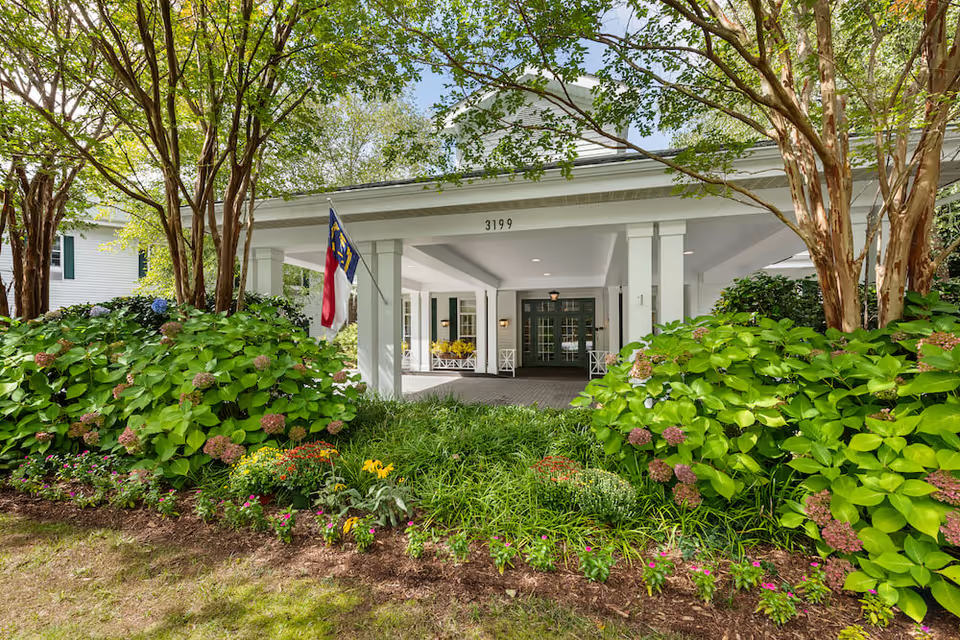
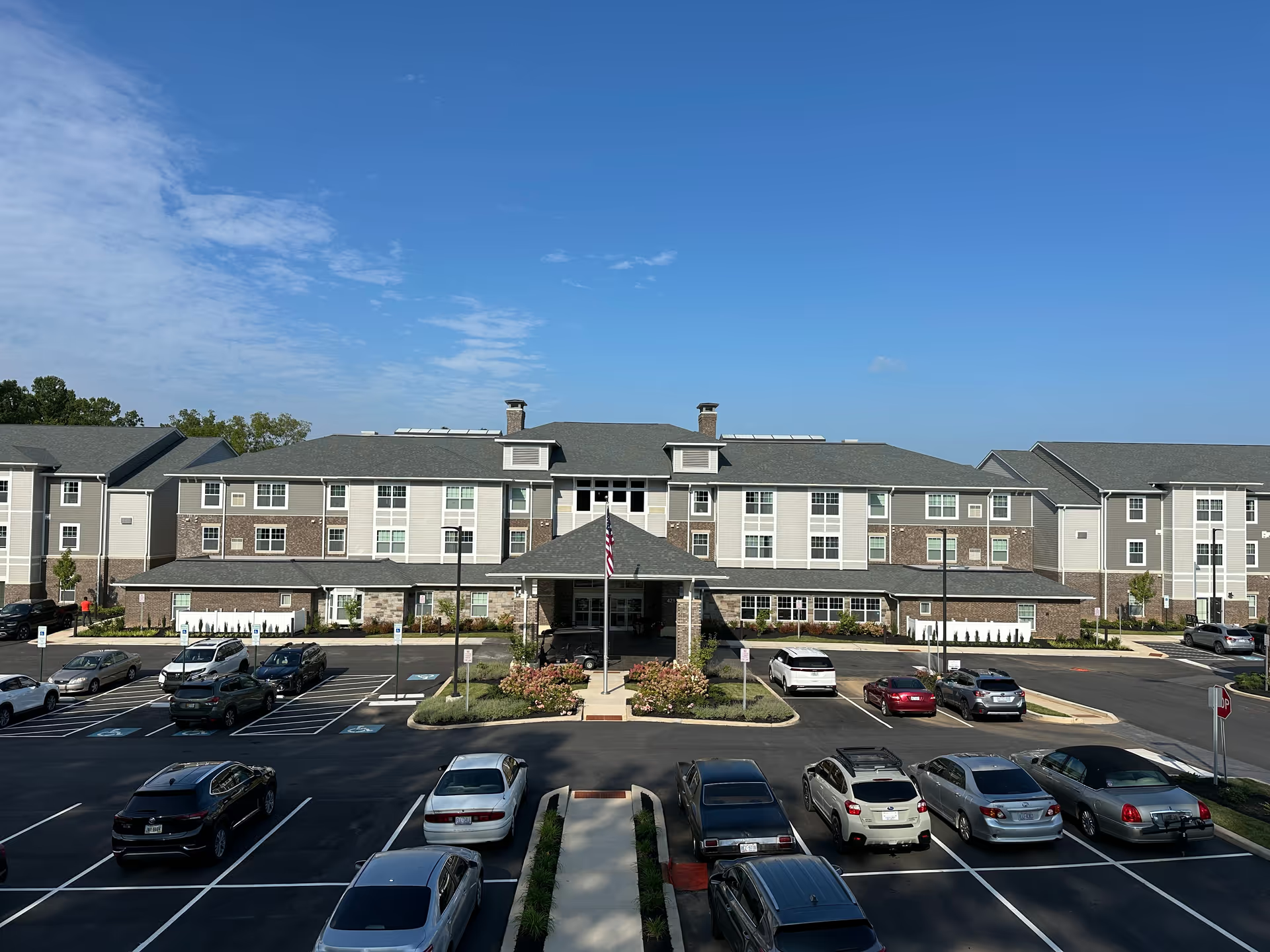
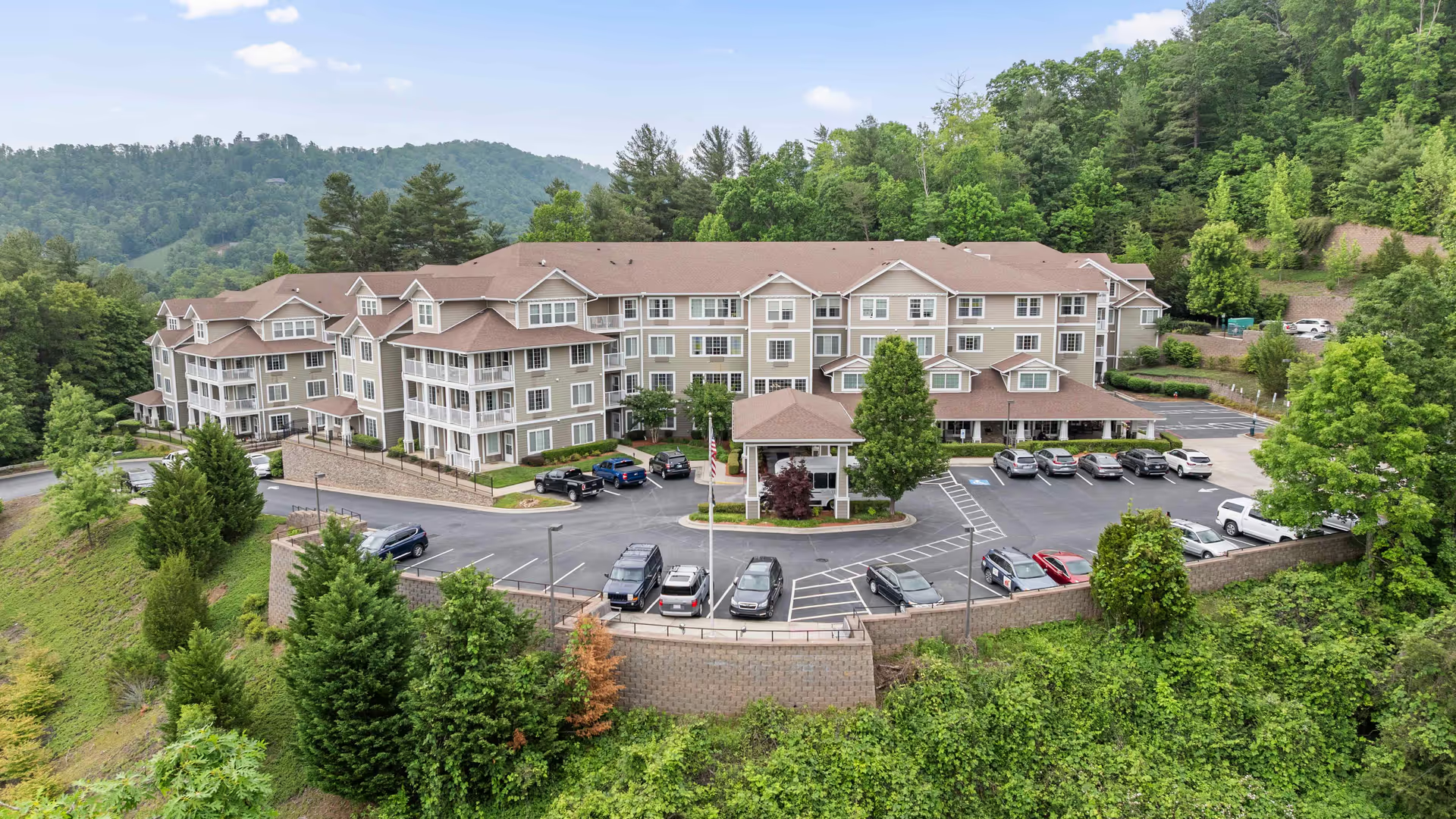
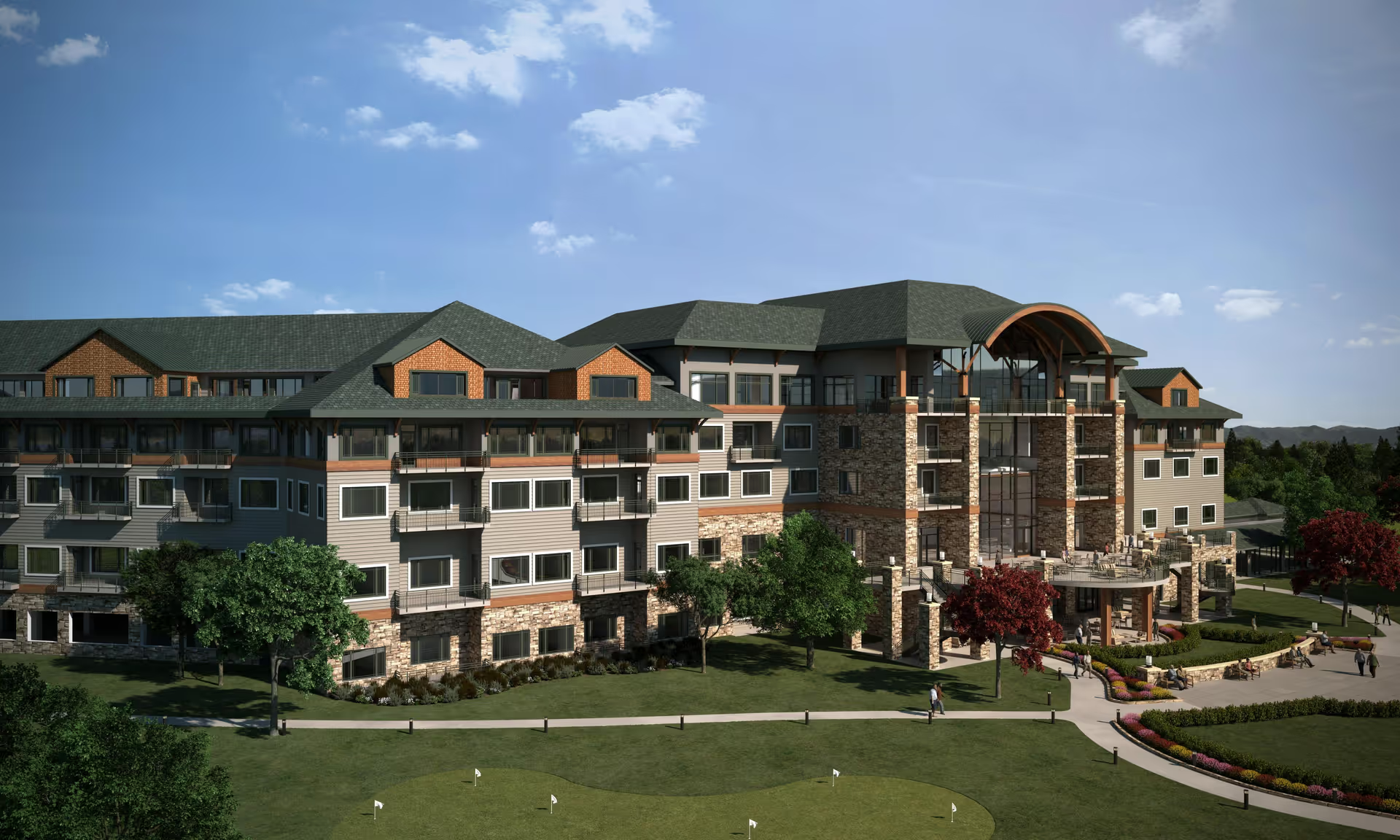
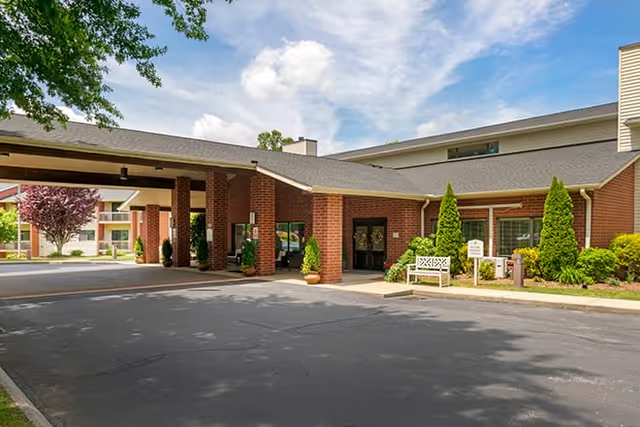
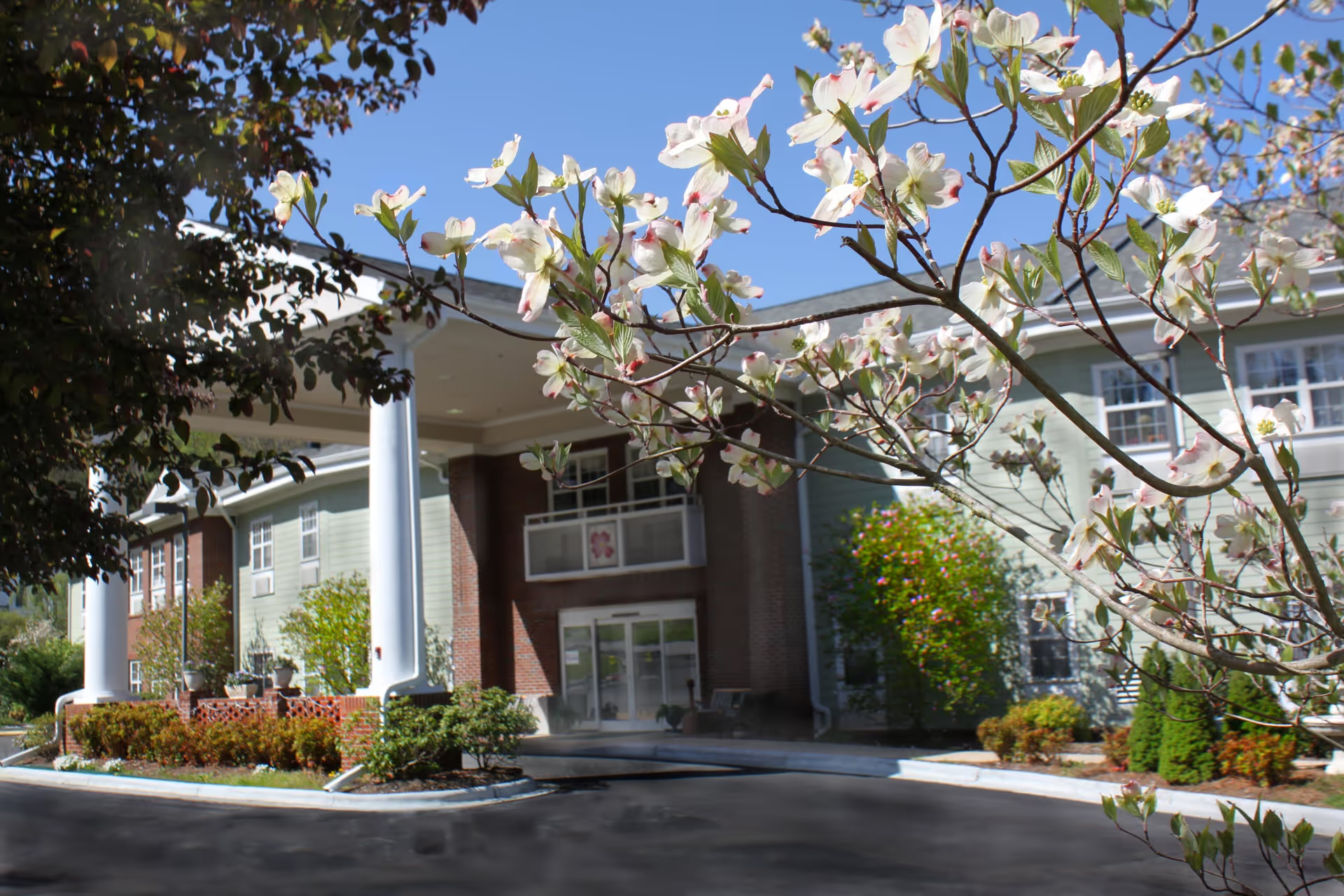
Brookdale Asheville Walden Ridge elicits a mix of strong praise and substantive operational concerns. Many families highlight the facility's dementia focus, noting staff who are compassionate, patient, and skilled at relationship-based care. Reviewers frequently describe engaging activity programming, outings, and purposeful sensory stimulation for memory-care residents. The physical plant is commonly described as modern and bright, with updated finishes, an enclosed courtyard and outdoor/indoor connections, accessible single-level layouts, and on-site rehabilitation services. Several accounts praise proactive family communication channels such as photos, Skype/video calls, regular family meetings, and individualized updates.
Care quality descriptions are mixed. Positive accounts emphasize personalized grooming, attentive one-on-one support, effective management of restlessness, and coordinated hospice or clinical oversight when needed. However, a recurring pattern of inconsistent staffing and high turnover is tied to many of the negative observations. Understaffing and use of temporary personnel are associated with longer wait times for assistance, variable mealtime and bathing support, and gaps in routine personal-care delivery. Some reviewers described missed or delayed attention for residents' daily needs and concerns about the consistency of dementia-care practices across shifts.
Dining and daily living experiences vary across reports. The facility offers varied menus, adapted textures, and finger-food approaches to support self-feeding; several families enjoyed chef-prepared meals and positive dining experiences. At the same time, there are recurring mentions of inconsistent meal-assistance delivery, cold meals at times, and constrained dining-room capacity that can feel crowded. Laundry, personal-item handling, and toiletry delivery emerged as operational pain points: misdirected clothing, missing items, and gaps in housekeeping or inventory tracking were cited as sources of family frustration.
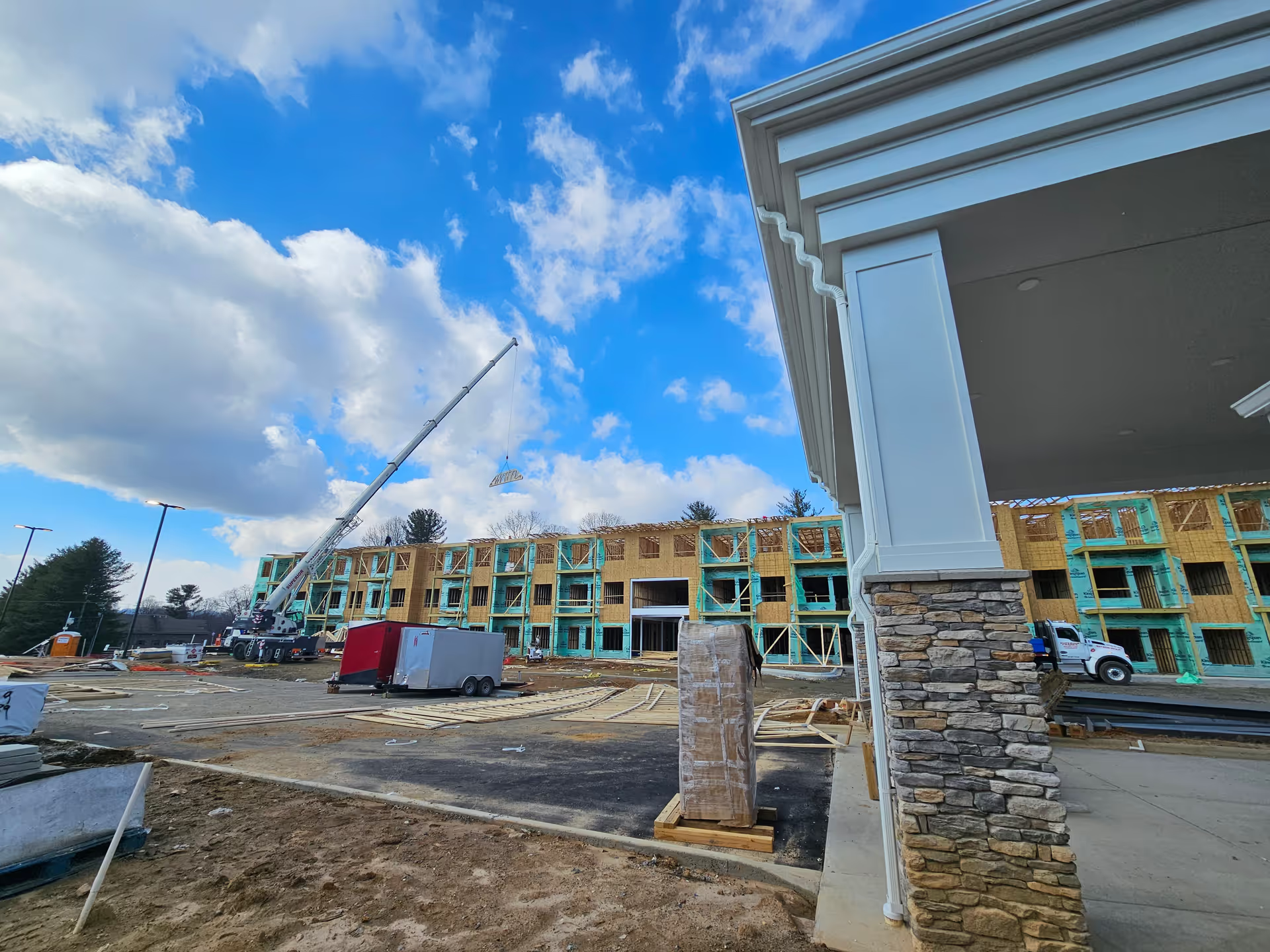
Facility management and communication present mixed impressions. Many reviewers compliment administrators and specific staff members for responsiveness, helpfulness during admissions, and visible engagement with families. Conversely, others reported billing discrepancies, unexpected extra charges that required review to correct, and slower responses from corporate channels. Construction and renovation activity was noted to limit access to some amenities (for example, temporarily closed library spaces), and small common or outdoor areas can feel cramped during peak use or winter months. There are also sporadic cleanliness and pest-control concerns mentioned for certain units and bathrooms.
Notable patterns for prospective families: experiences appear highly dependent on staffing consistency and specific caregiver assignments. Positive outcomes are frequently linked to stable, experienced CNAs and proactive communication; negative experiences commonly coincide with periods of turnover, use of temporary staff, or unclear operational processes (laundry, billing, clinical follow-up). Cost is a commonly cited consideration—many reviewers describe the facility as expensive and recommend clarifying what services are included versus billed separately. When evaluating this community, families may find it helpful to ask about current staff turnover and vacancy rates, typical staff-to-resident ratios by shift, protocols for meal assistance and incontinence care, laundry and personal-property procedures, physician and clinical-oversight schedules, and how construction or renovations will affect access to communal space.