Overall impression: Reviews of Smoky Ridge Health & Rehabilitation present a mixed picture. Many families and patients described attentive, compassionate bedside care—particularly from certified nursing assistants (CNAs) and nursing staff—and praised an organizational culture that can feel family-like. At the same time, other reviewers reported operational and environmental issues that materially affected their experience. The pattern is one of strong personnel-driven strengths coupled with variability in facility upkeep, responsiveness, and consistent clinical performance.
Care quality and therapy: Multiple accounts highlight compassionate direct care and therapy outcomes; several reviewers credited the therapy department with meaningful progress in mobility and with prioritizing essential appointments such as dialysis. Simultaneously, there are descriptions of variable clinical performance: some residents had positive rehab and nursing experiences, while others described substandard therapy or concerns about safety monitoring. The aggregate suggests that therapy and nursing can be effective, but results appear to depend on timing, staff assignment, or unit-level practices.
Staff and communication: Praise is frequent for individual staff members and for administration who are accessible and proactive—examples include leadership during utility outages and hands-on support during admissions. Many families noted staff who go beyond duty to provide personal attention. Conversely, several reviews describe unhelpful or rude interactions, perceived favoritism, and inconsistent responsiveness to calls. These contrasts point to uneven staff conduct and communication standards across shifts or teams rather than a uniformly consistent culture.
Dining and activities: Kitchen and dining staff are singled out positively in a number of reports for thoughtful meal preparation and accommodating choices. However, other reviewers described dissatisfaction with food quality and service speed. Activity and spiritual programming received positive mention in terms of a family-oriented, faith-friendly atmosphere, but documentation of program breadth and consistency is limited in the feedback.
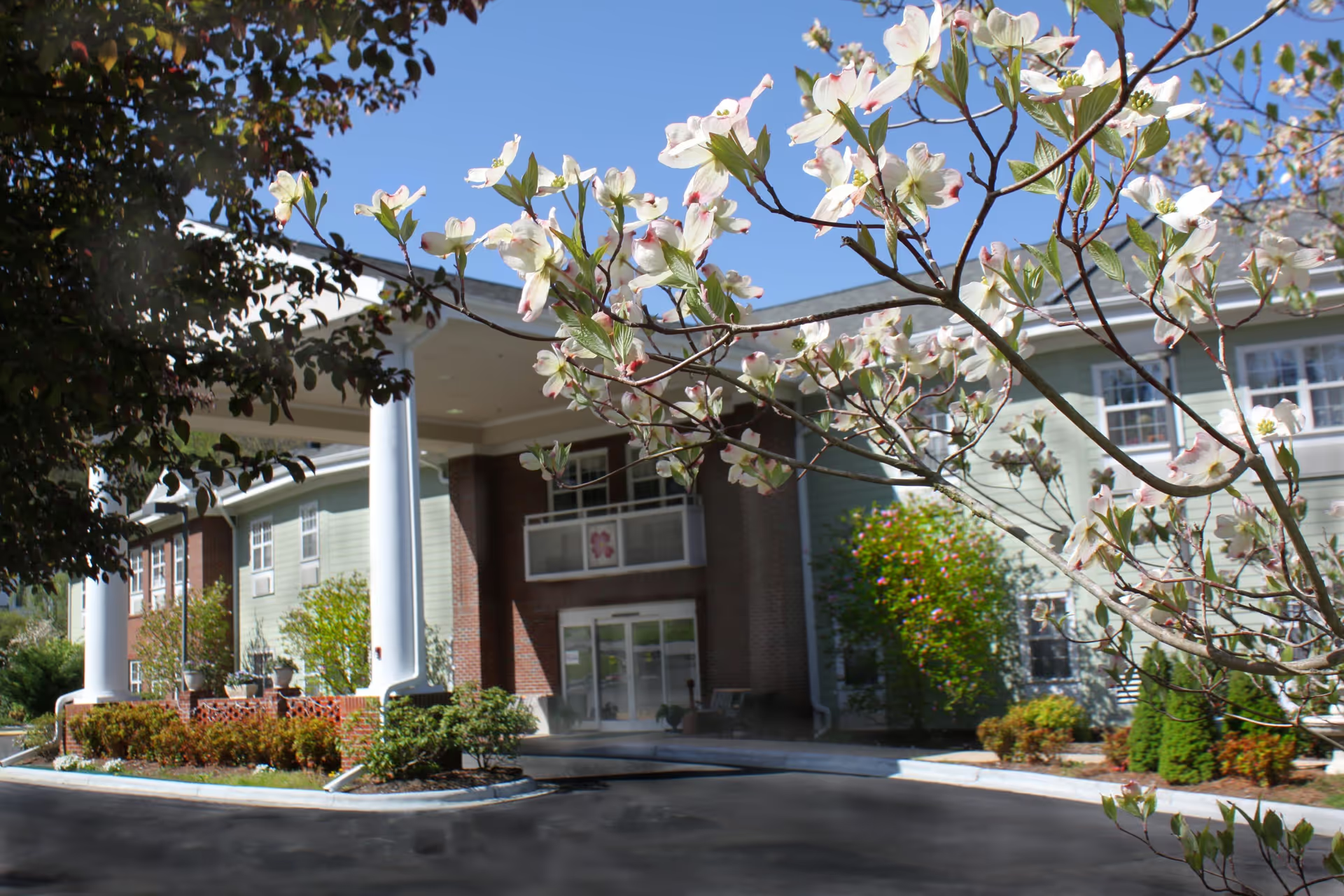
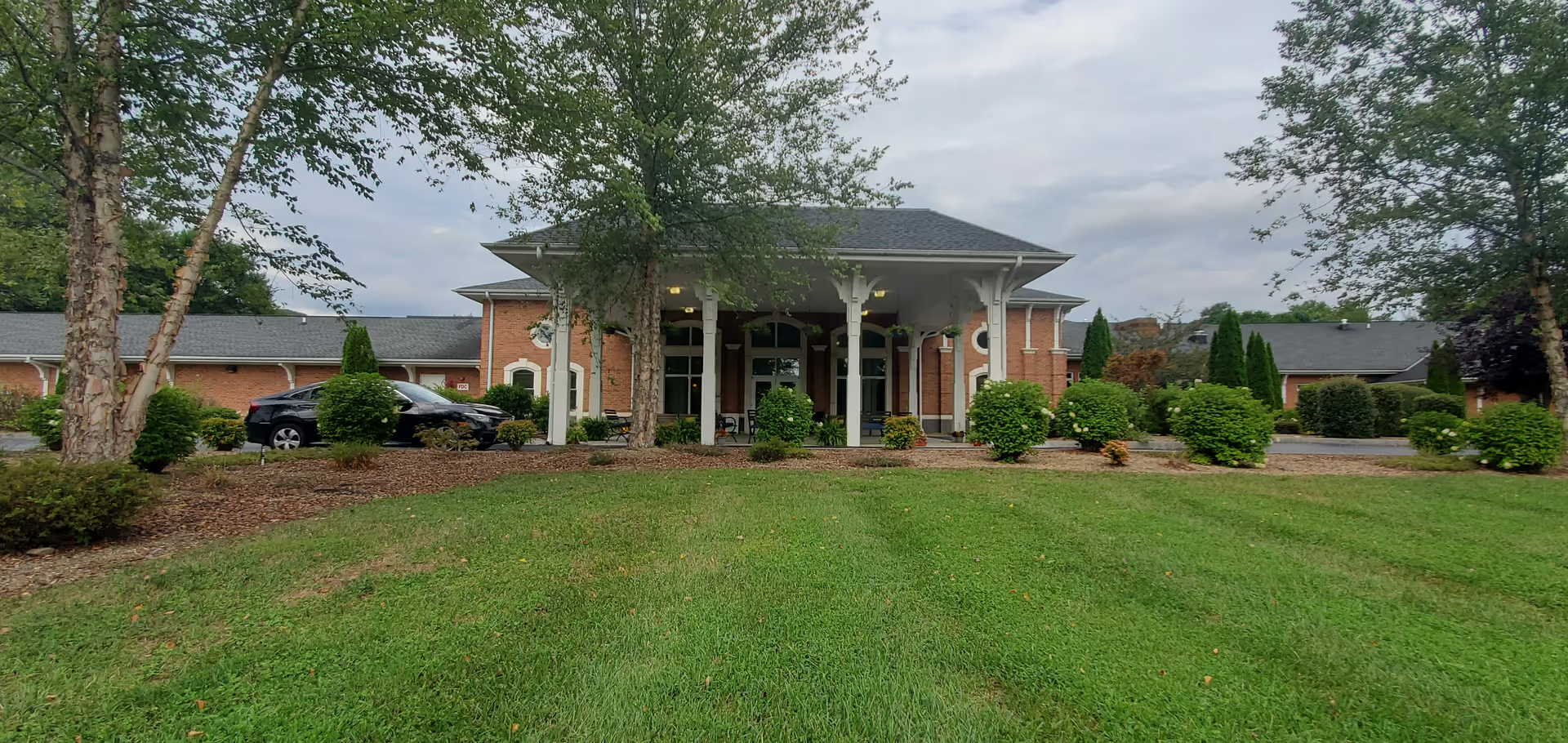
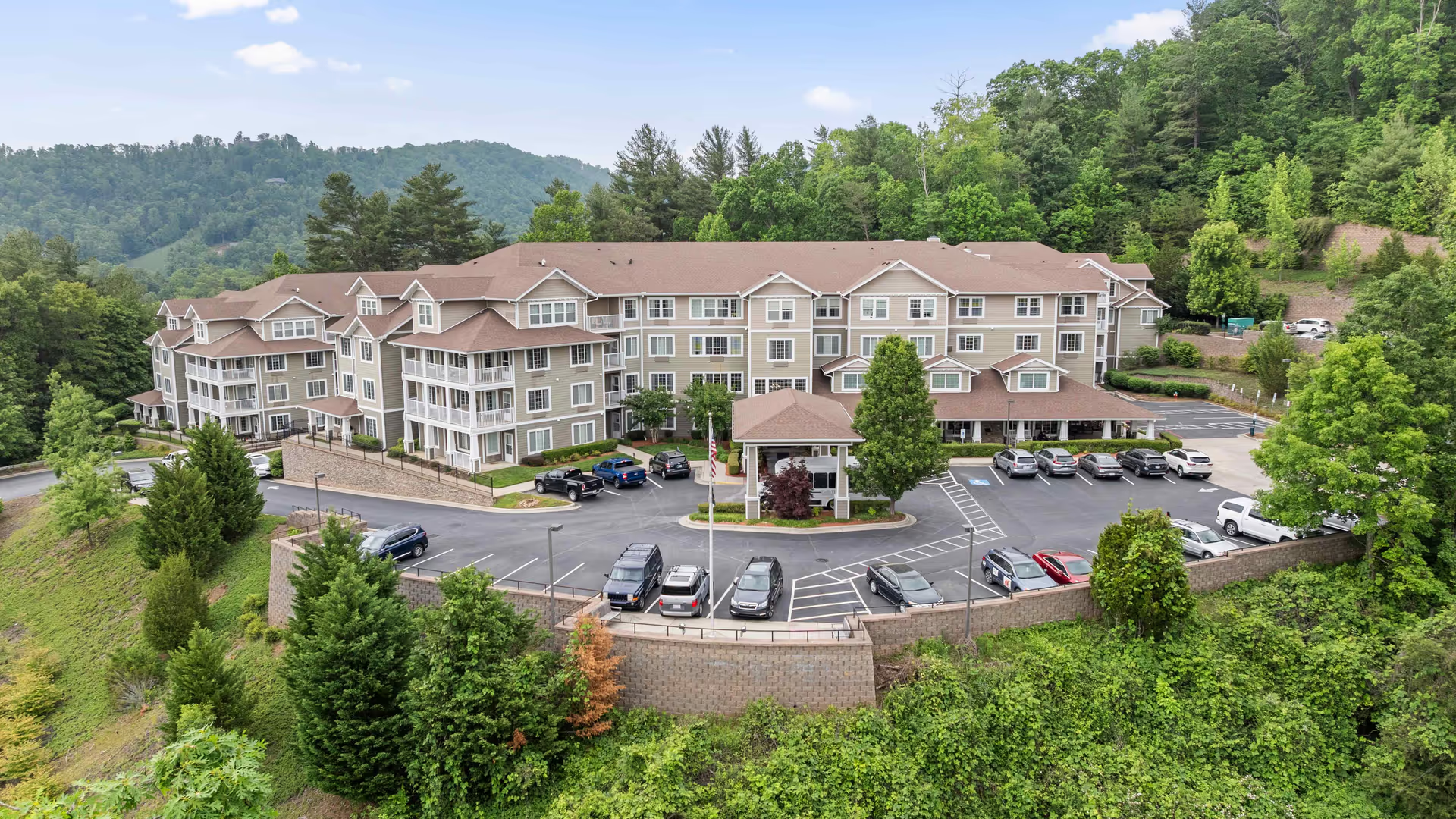
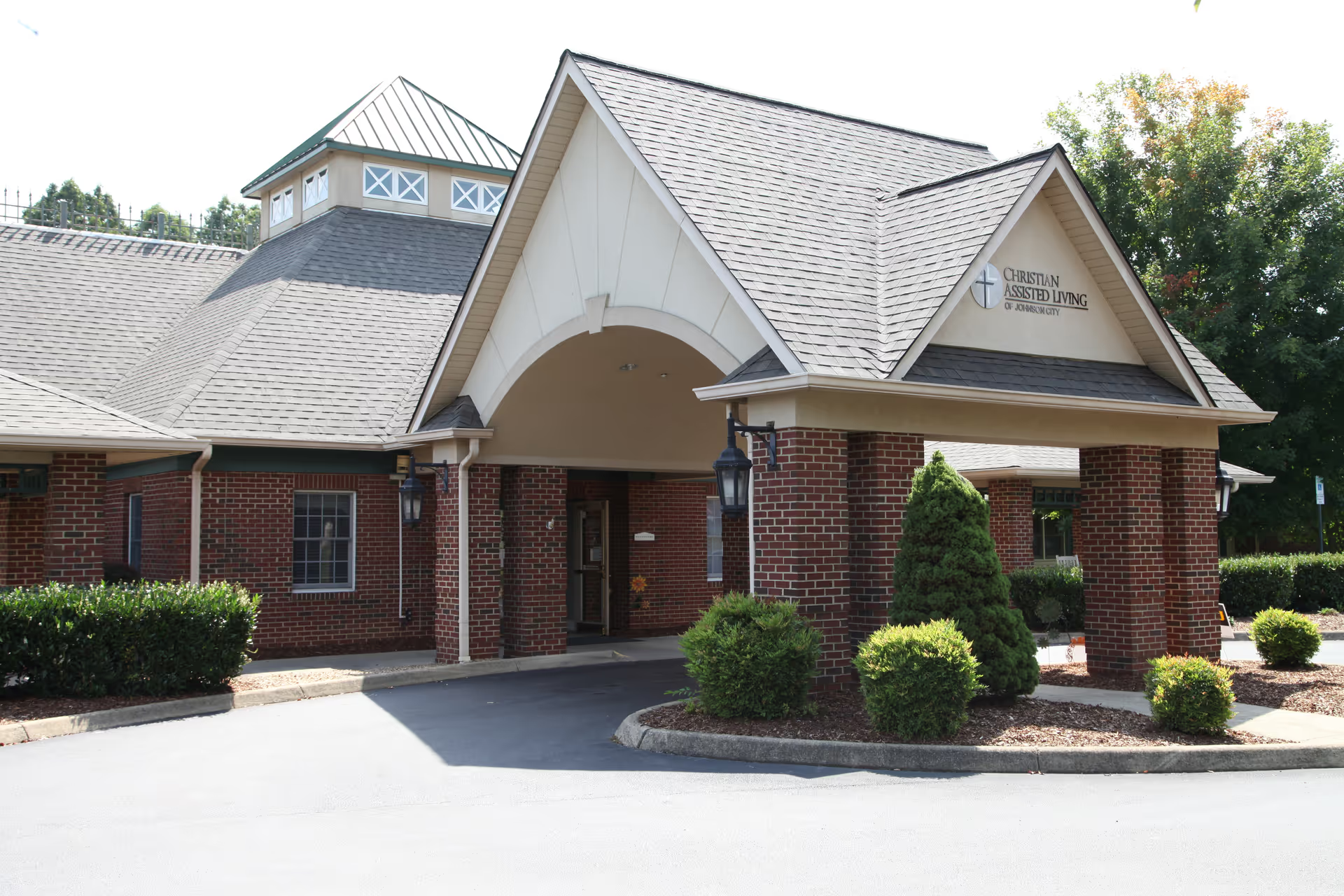
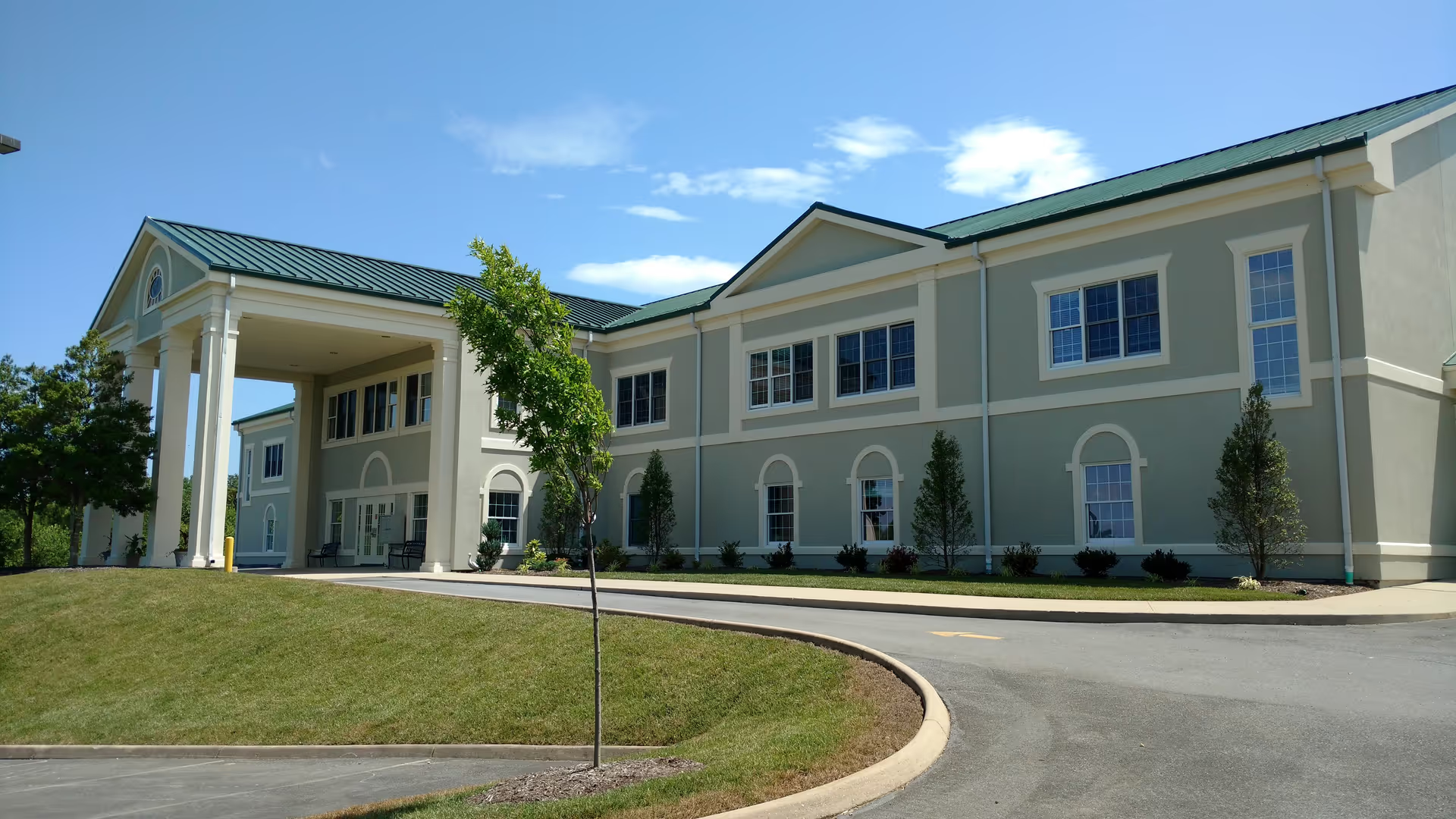
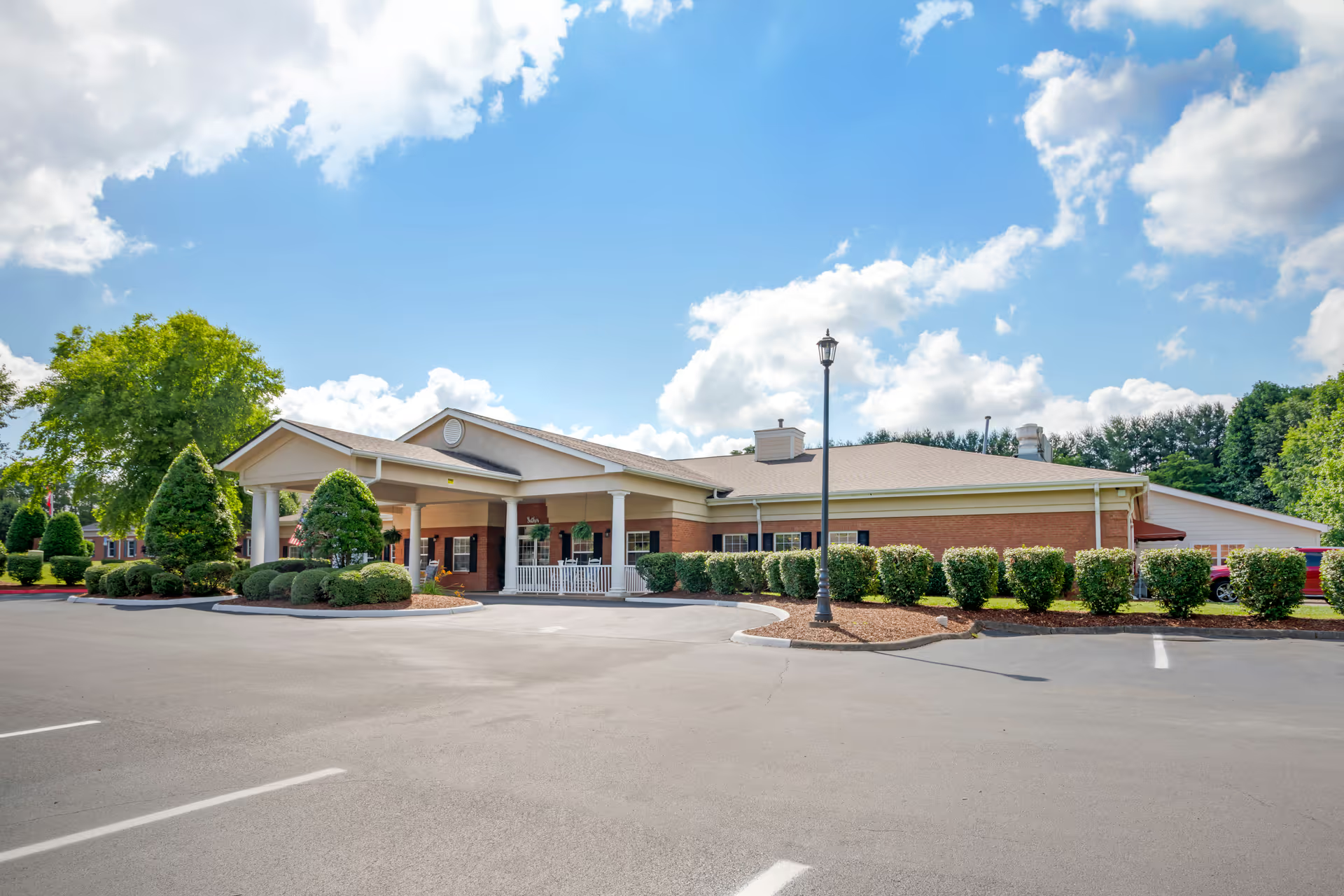
Facilities and sanitation: Comments reference visible wear and outdated infrastructure, including stained flooring and maintenance constraints. There are specific cleanliness and sanitation concerns, odor concerns in some common areas, and mentions of pests in particular locations. Facility leadership is described as doing the best they can with limited resources, but the physical environment appears to be a recurring area of concern that may require targeted investment and improved pest control.
Management and systems: Administrative responsiveness and community support are clear strengths—management is often reachable and has been recognized for problem-solving and donor engagement. At the same time, reviewers raised concerns about advertising accuracy and the consistency of operational follow-through. Operational weaknesses implied by the feedback include inconsistent staffing levels or practices, slow response to resident requests, and gaps in fall-prevention and safety monitoring.
Notable patterns and guidance for visitors: The reviews are polarized—many families report excellent, compassionate care and accessible leadership, while others describe experiences they found unacceptable. This variability suggests quality may depend on specific staff assignments, shifts, or unit-level practices. Prospective residents and families should perform an on-site visit, ask about current staffing patterns, inquire specifically about sanitation and pest-control measures, review fall-prevention protocols and therapy outcomes, and request recent facility maintenance or inspection information to assess whether the facility’s strengths align with their needs.