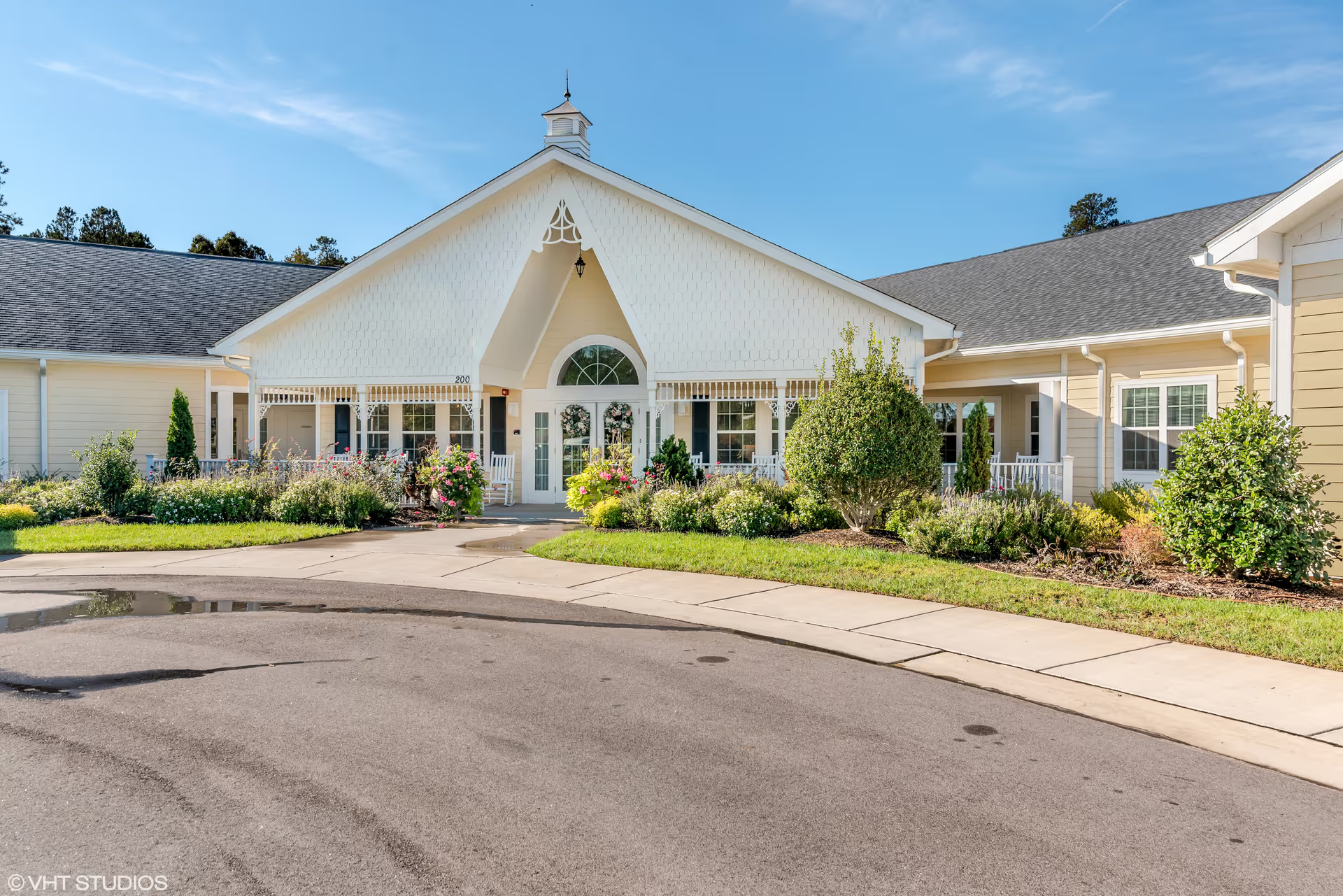
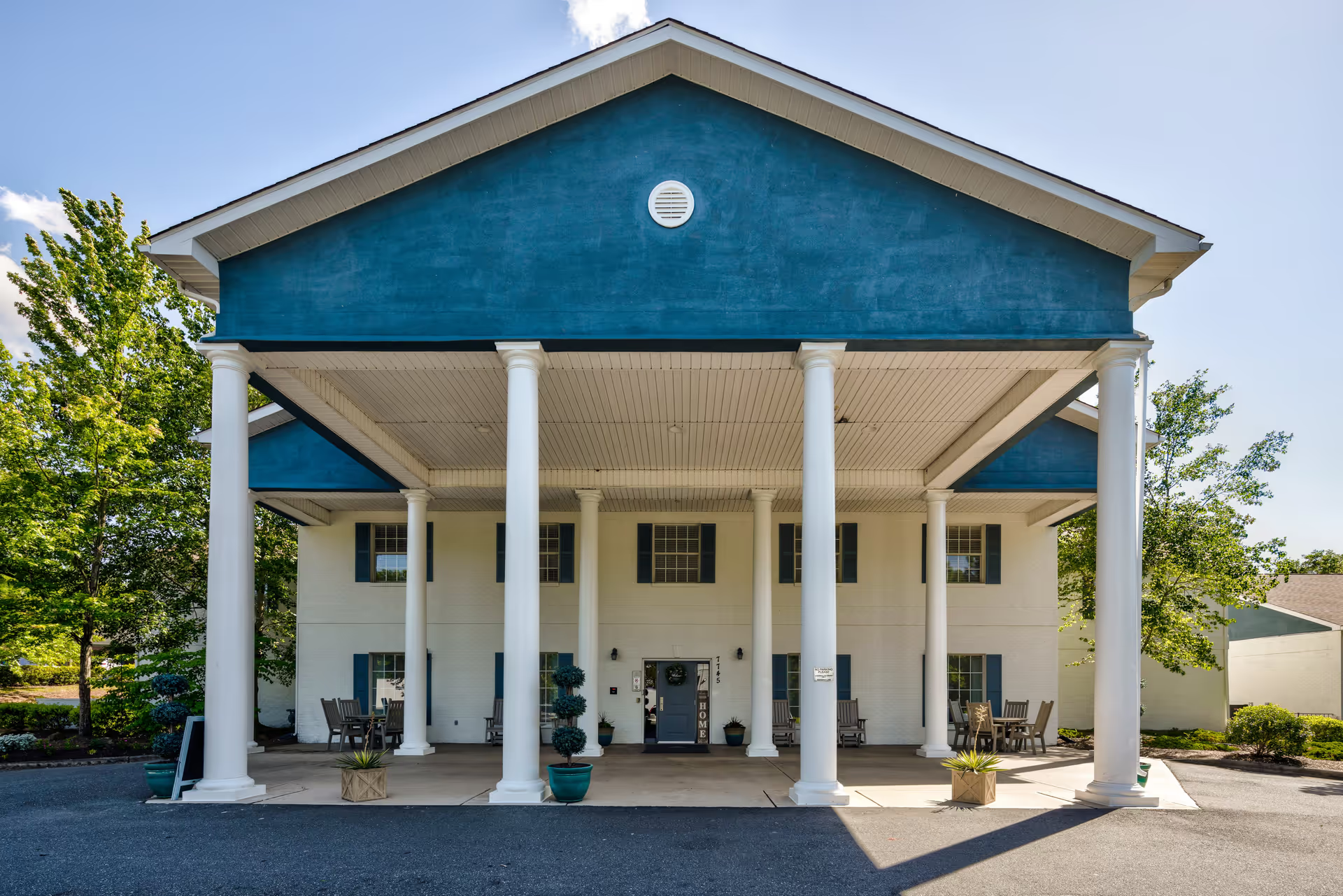
Curis Charlotte elicits a mixed but coherent set of impressions: many families praise the caregiving staff, therapy team, and recent facility renovations, while others report operational weaknesses that affect clinical reliability and cleanliness. Positive comments focus on staff warmth, a strong rehabilitation program, engaging activities, and upgraded physical spaces — private and semi-private rooms, a bright lobby and dining room, and a safety-focused check-in process are repeatedly noted. Several accounts also single out helpful social work support and a generally smooth admission or transition experience when staffing and management are steady.
Care quality is variable. When the rehabilitation team is engaged, families describe effective, broad therapeutic services and meaningful progress. However, other accounts raise concerns about inconsistent therapy techniques, limited individualization of therapy plans, and gaps in clinical oversight such as limited physician presence and cursory nursing assessments. There are also operational patterns suggesting delays in responding to resident calls and gaps in wound-care and skin-check practices that warrant attention.
Staff and management present a mixed picture. Reviewers frequently describe compassionate, family-like caregivers and specific staff members who provide excellent support; some reviewers credit management changes with noticeable improvement. At the same time, there are indications of high staff turnover, understaffing and occasional poor staff conduct or tone. Administrative inconsistencies — including front-desk inattentiveness, chaotic lobby experiences, and frequent ownership/name changes — contribute to uneven experiences over time.
Dining and nutrition receive both praise and concern. The dining environment and new dining room are often praised as attractive and welcoming, but there are also recurring concerns about meal continuity, nutrition management, and food-service consistency. Families should clarify specific dietary and feeding plans during tours and admissions.
Activities are a relative strength. Multiple reviewers highlight crafts, hallway engagement, and organized programming that keep residents occupied and socially engaged. Social work and family-liaison supports are reported as very helpful in individual cases, improving communication and transition planning when those roles are actively staffed.
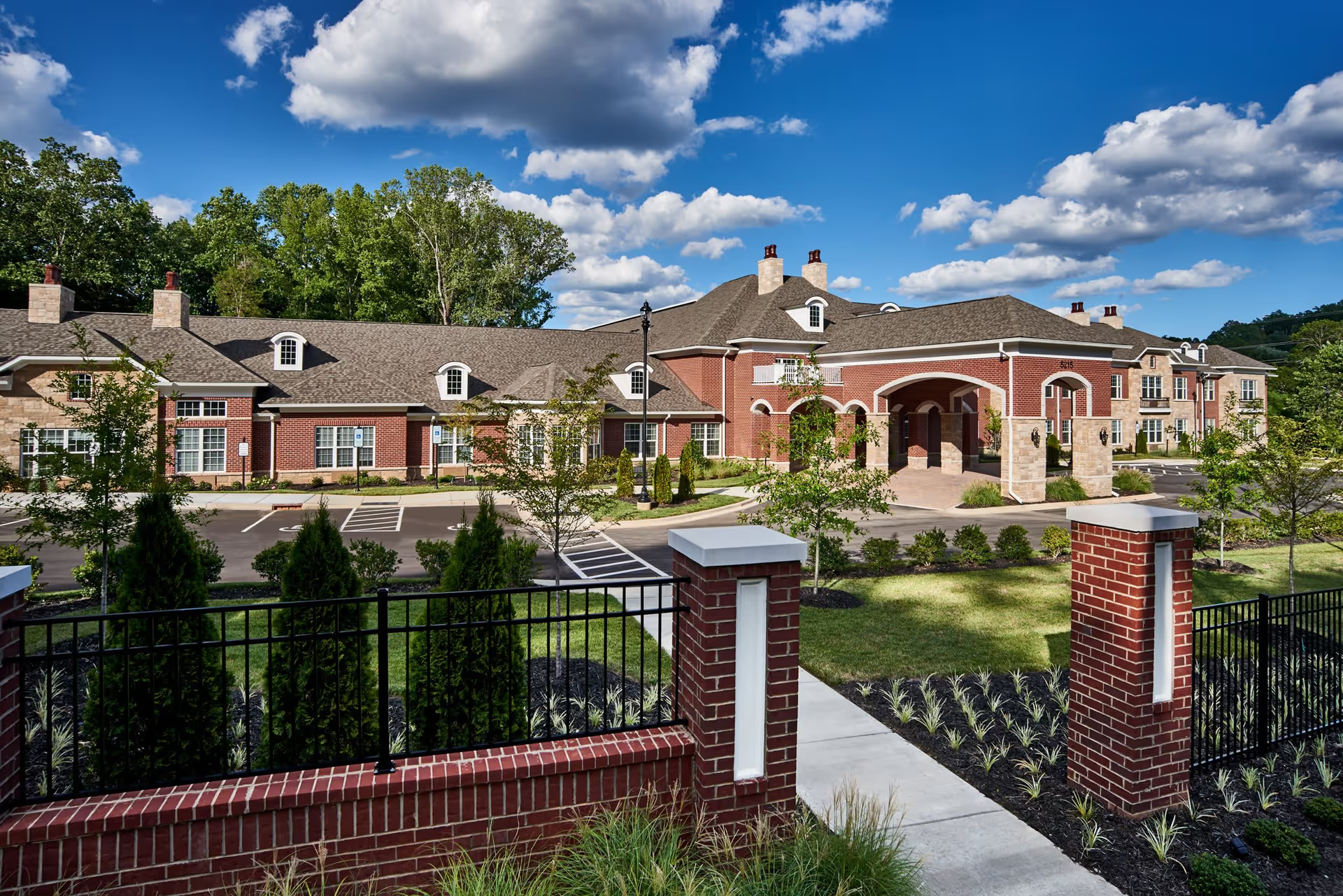
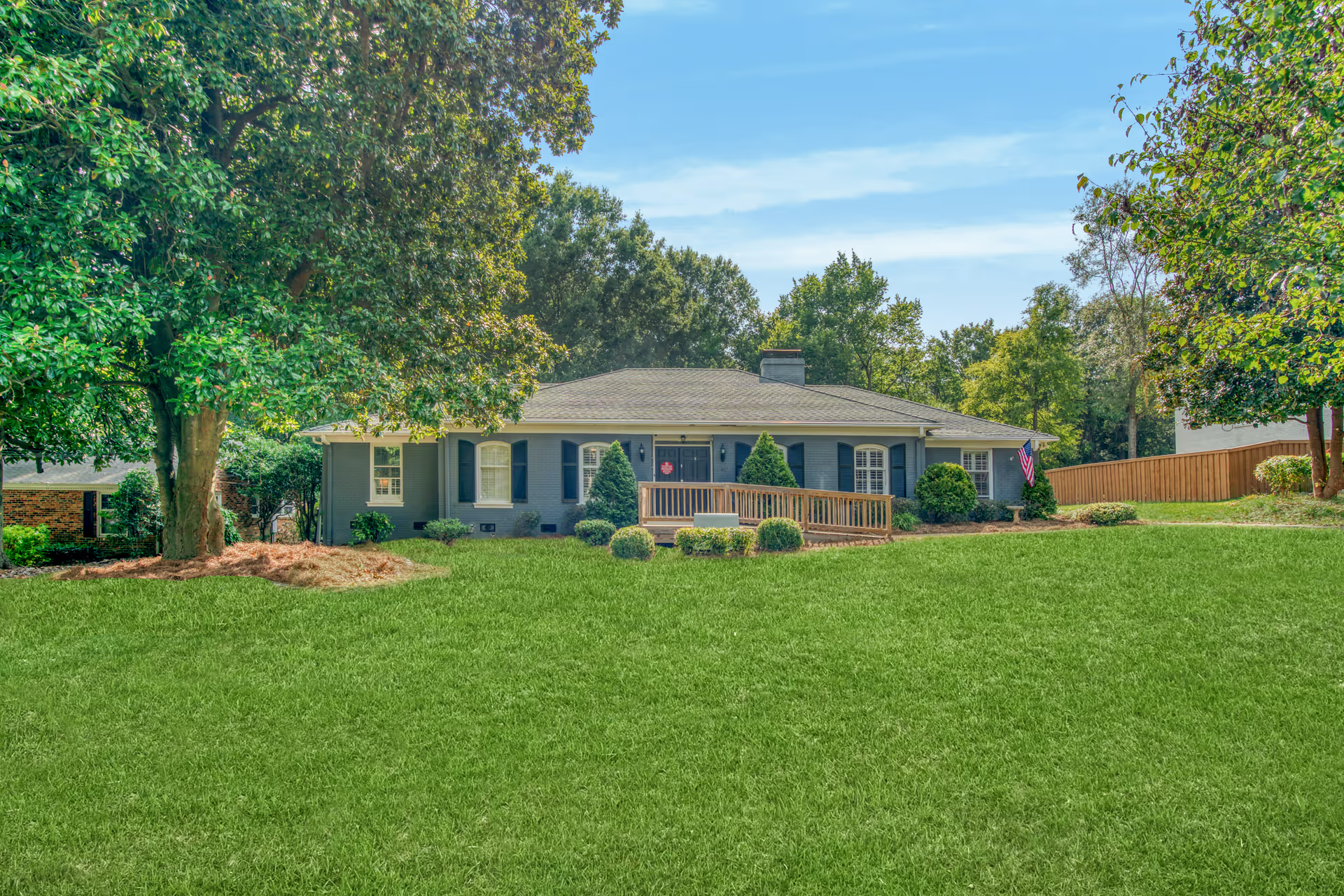
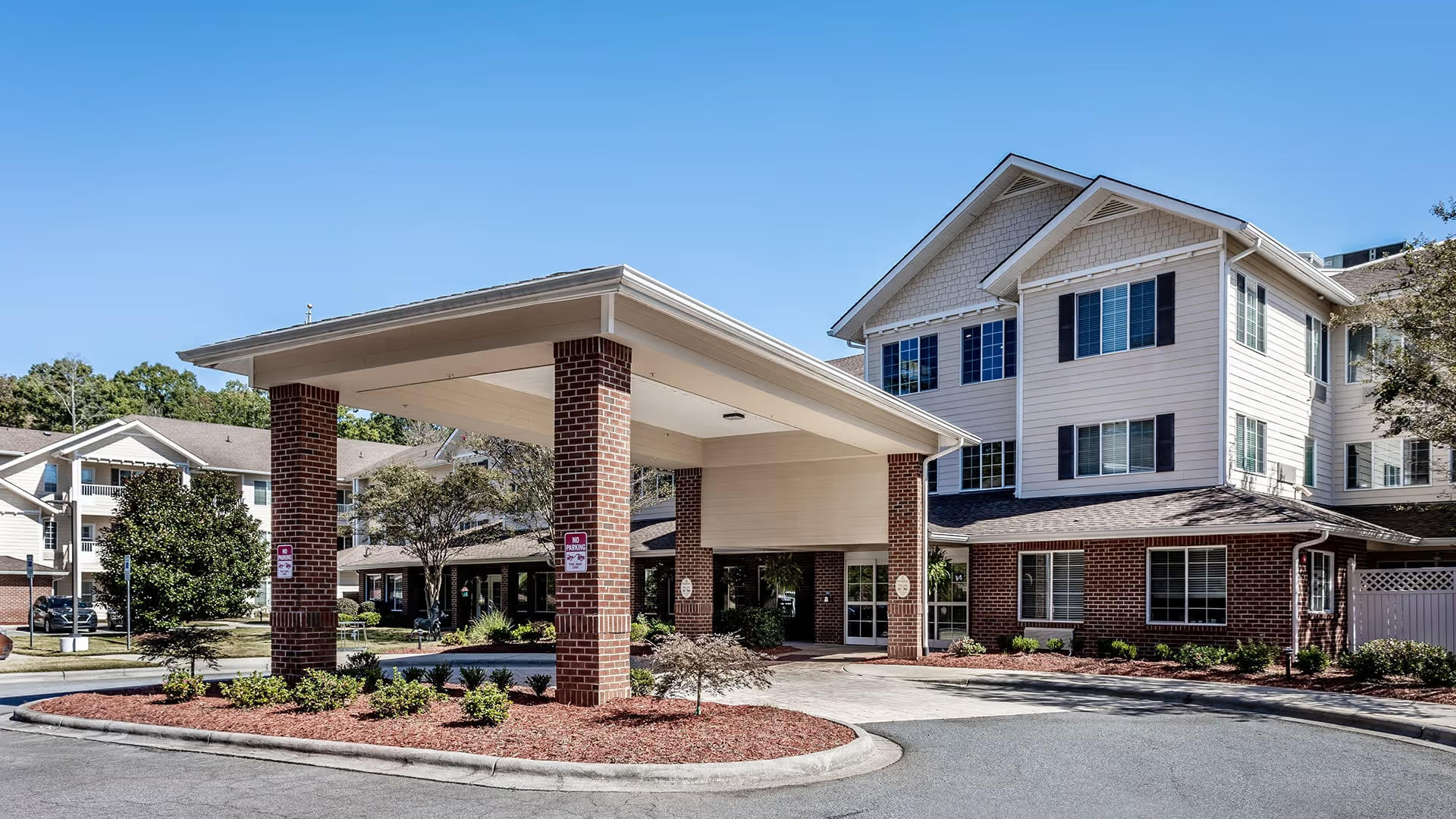
Facility condition is reported in two contrasting ways: several reviewers describe a renovated, bright, and well-maintained center with new rooms and inviting common areas, while other reviewers report sanitation and pest-control concerns as well as periodic hot-water and laundry issues. These inconsistencies suggest uneven maintenance or unit-level variability rather than a single uniform facility condition.
Notable patterns to consider: 1) experience appears sensitive to staffing and management stability — families often report improved care after leadership changes; 2) communication failures (notifications to families and external providers) and responsiveness to clinical issues are recurring operational weaknesses; and 3) there are serious, singular claims involving billing or insurance practices that have been described as allegations and may merit direct inquiry. Prospective residents and families should tour the facility, ask about recent remediation actions for sanitation and pest-control, review staffing patterns and medical oversight, and request specifics about therapy individualization and communication protocols before placement.