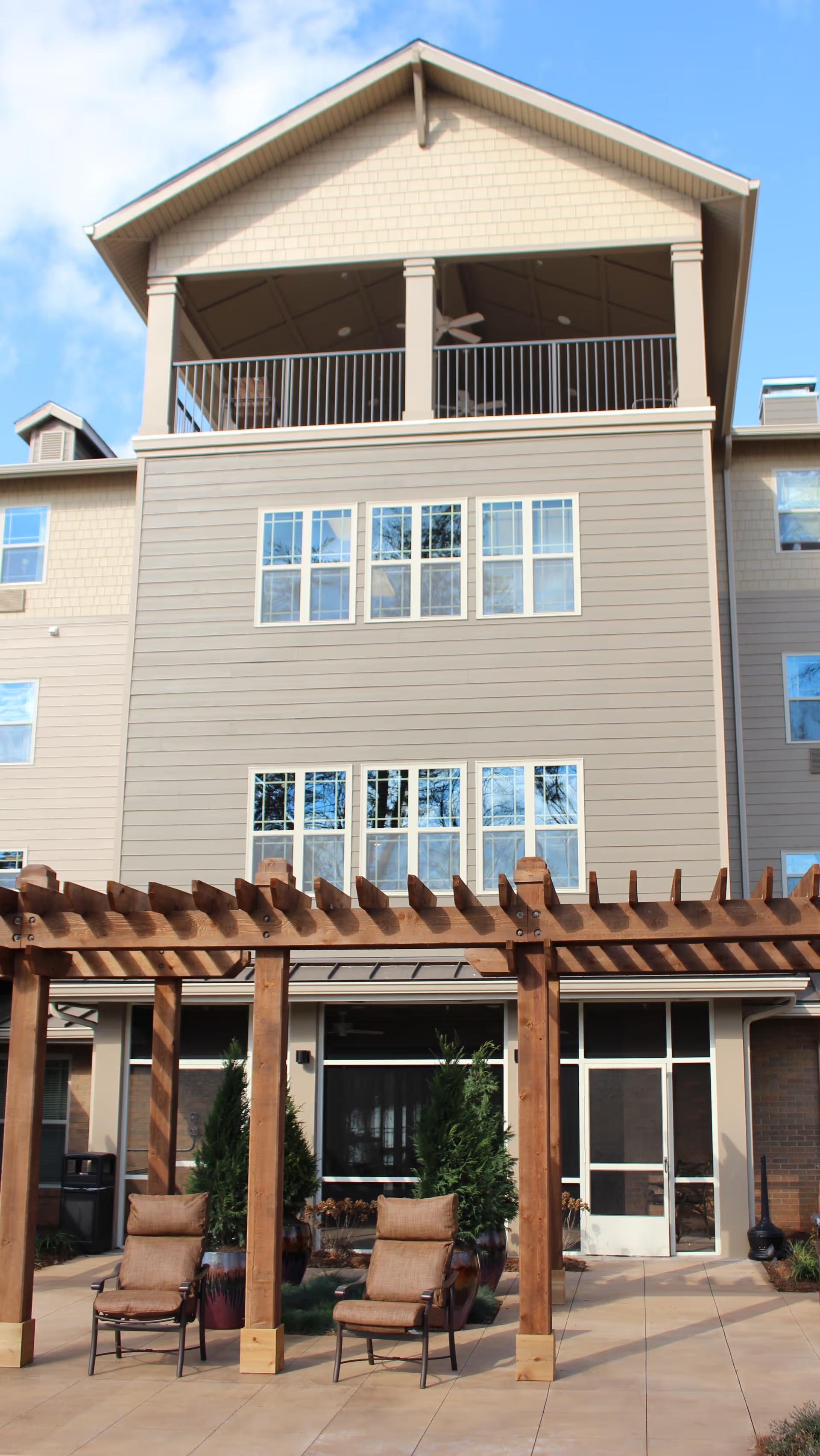
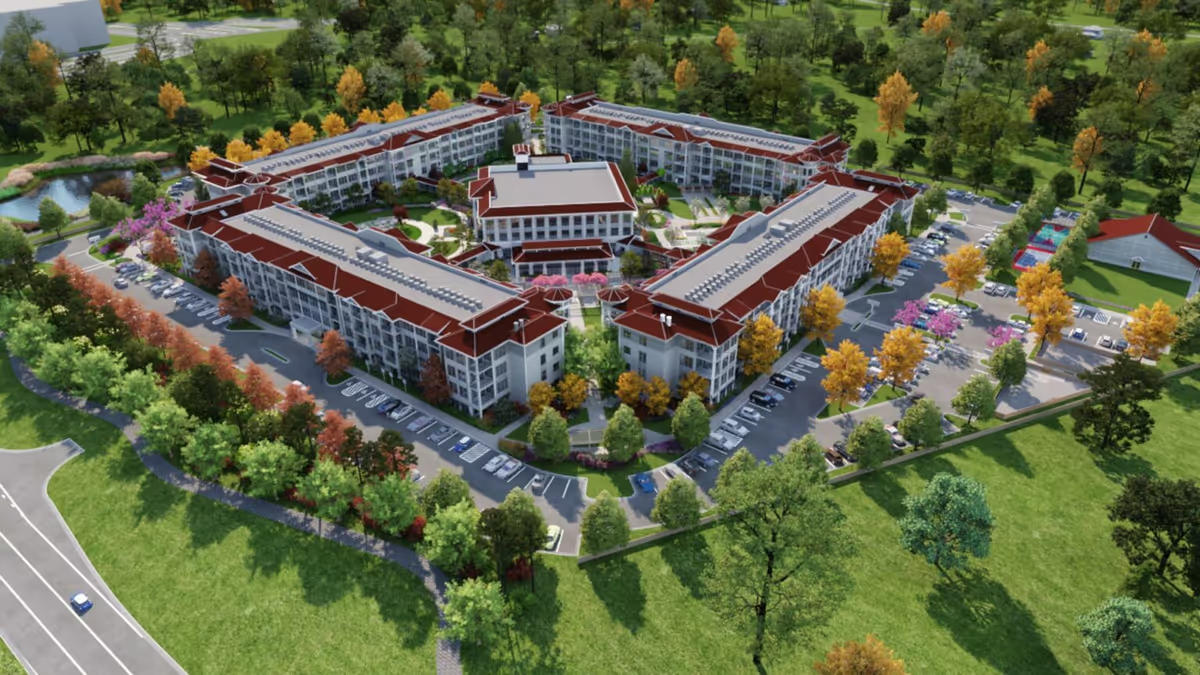
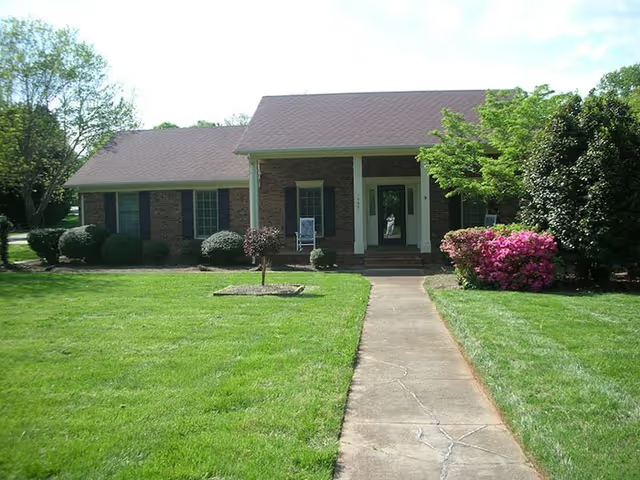
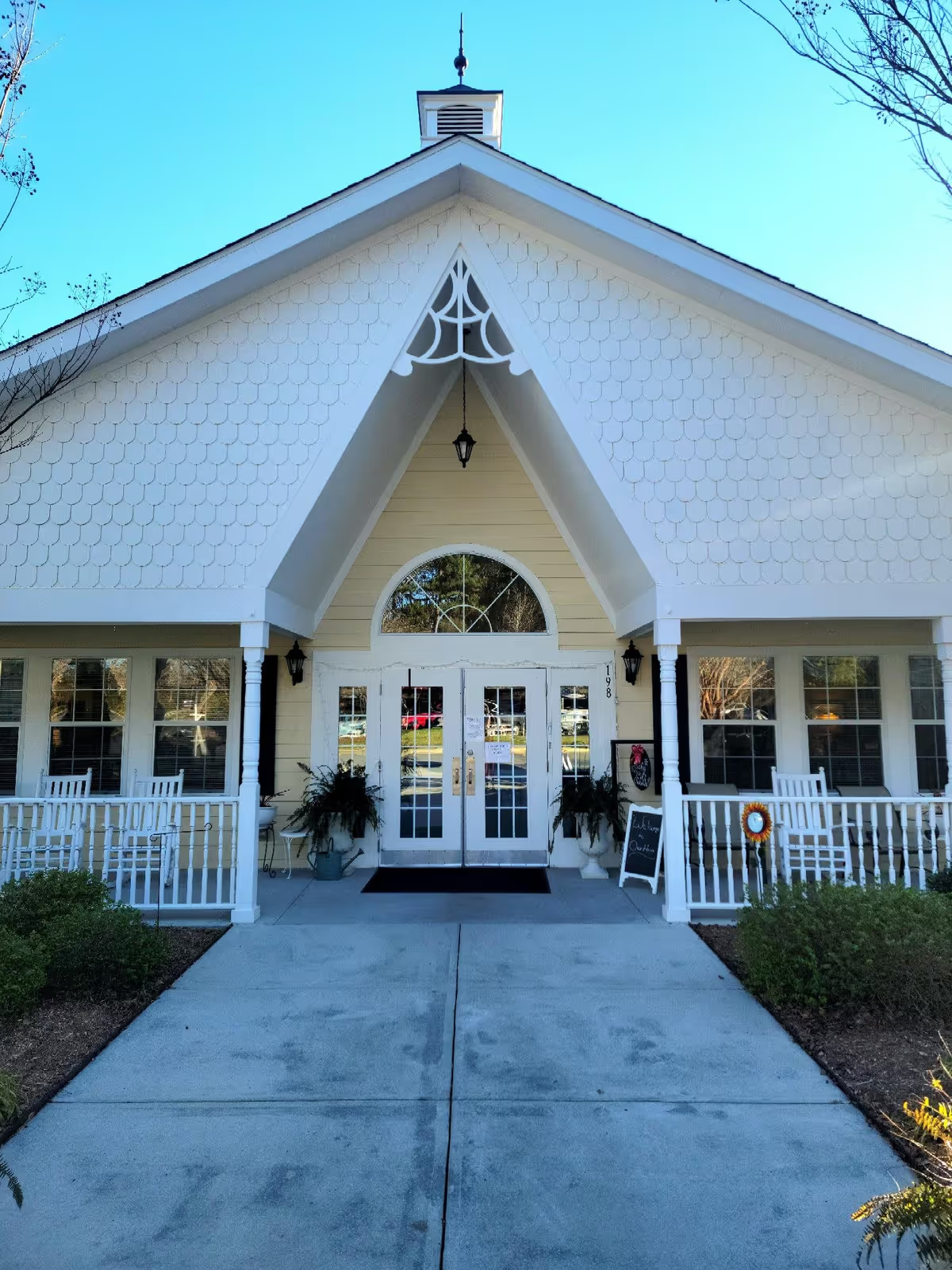
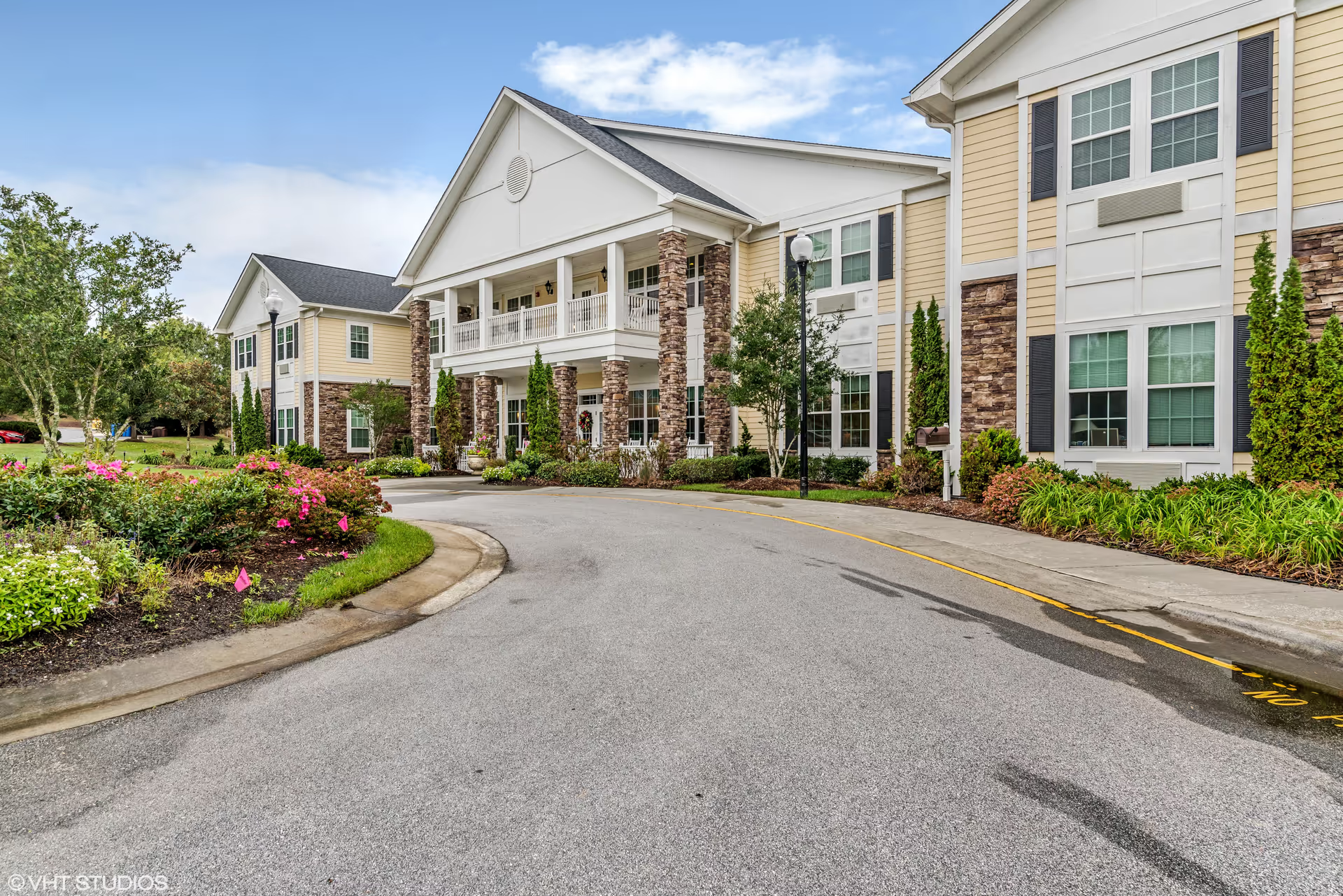
The Pines at Davidson is consistently described as an attractive, well-maintained campus with a broad range of housing options, extensive amenities, and an active social and cultural program. Reviewers commonly highlight the campus landscaping, walking and bike trails, indoor heated pool and fitness facilities, on-site services (bank, postal, hairdresser), and a connection with a local college that brings classes and performances to the community. Unit sizes range from studio configurations to three-bedroom cottages and villas, and many families noted spacious interiors and recent updates to common areas.
Care and staffing receive mixed but generally positive commentary. Many accounts emphasize compassionate, professional staff and 24-hour nursing oversight, with families reassured by the level of clinical support available. At the same time, there are recurring concerns about staffing levels for activities and engagement: some residents are described as needing encouragement to participate, and reviewers expressed a desire for more proactive staff interaction during social programs. There are also isolated but notable comments about communication and sensitivity in difficult situations, including family interactions following a resident death; these point to opportunities for strengthening bereavement communication and staff training in family-facing interactions.
Dining and food service are a divergent area. Multiple reviewers praised meal service and wine offerings, while others described inconsistent execution—overcooked or overly sweet preparations and dependence on basic or canned side items. This variation suggests uneven kitchen performance or menu inconsistency rather than a uniform standard. Likewise, facilities maintenance is strong in many respects (cleanliness, interior updates), but reviewers mentioned dim lighting in certain areas and odor concerns in a clinical wing, indicating localized environmental maintenance issues that merit attention.
Operational and administrative themes include clear trade-offs between quality and cost. The community commands a substantial buy-in and ongoing fees, and the upfront financial commitment and admission costs are frequently cited as a barrier. Several comments describe a rushed tour or admissions process and frustration over financial-eligibility decisions, suggesting the need for clearer pre-admission communication and a more measured onboarding experience. There are also remarks about personal-item management (items misplaced or lost) and about security and emergency-preparedness training; one review explicitly questioned the credentials of security personnel. These point to operational areas—inventory/labeling practices and staff training in safety protocols—where process improvements could reduce family concerns.
Finally, a small number of serious concerns were mentioned, including allegations related to clinical practice and potential legal action. While these accounts appear to be individual and not a dominant theme across the dataset, they are significant and suggest families may want to seek up-to-date information on any regulatory or legal matters when evaluating the community. Overall, The Pines at Davidson projects a strong campus and programmatic profile with high demand and many satisfied residents; prospective residents and their families should weigh the community’s amenities and clinical strengths against the high cost of entry and the operational areas identified above, and should request specific, current information about staffing levels, dining menus, safety training, and any outstanding governance or legal issues during the tour and decision process.