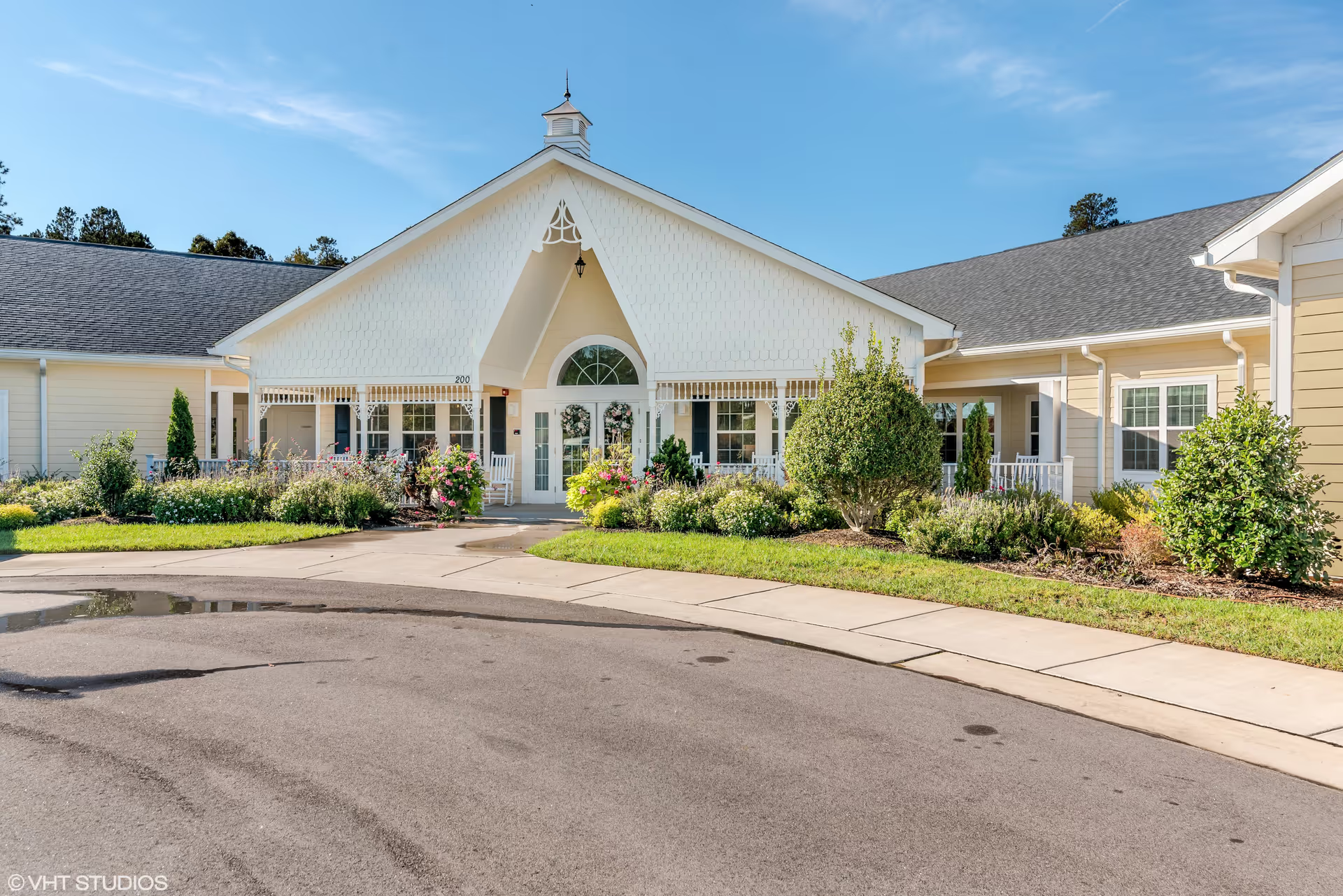
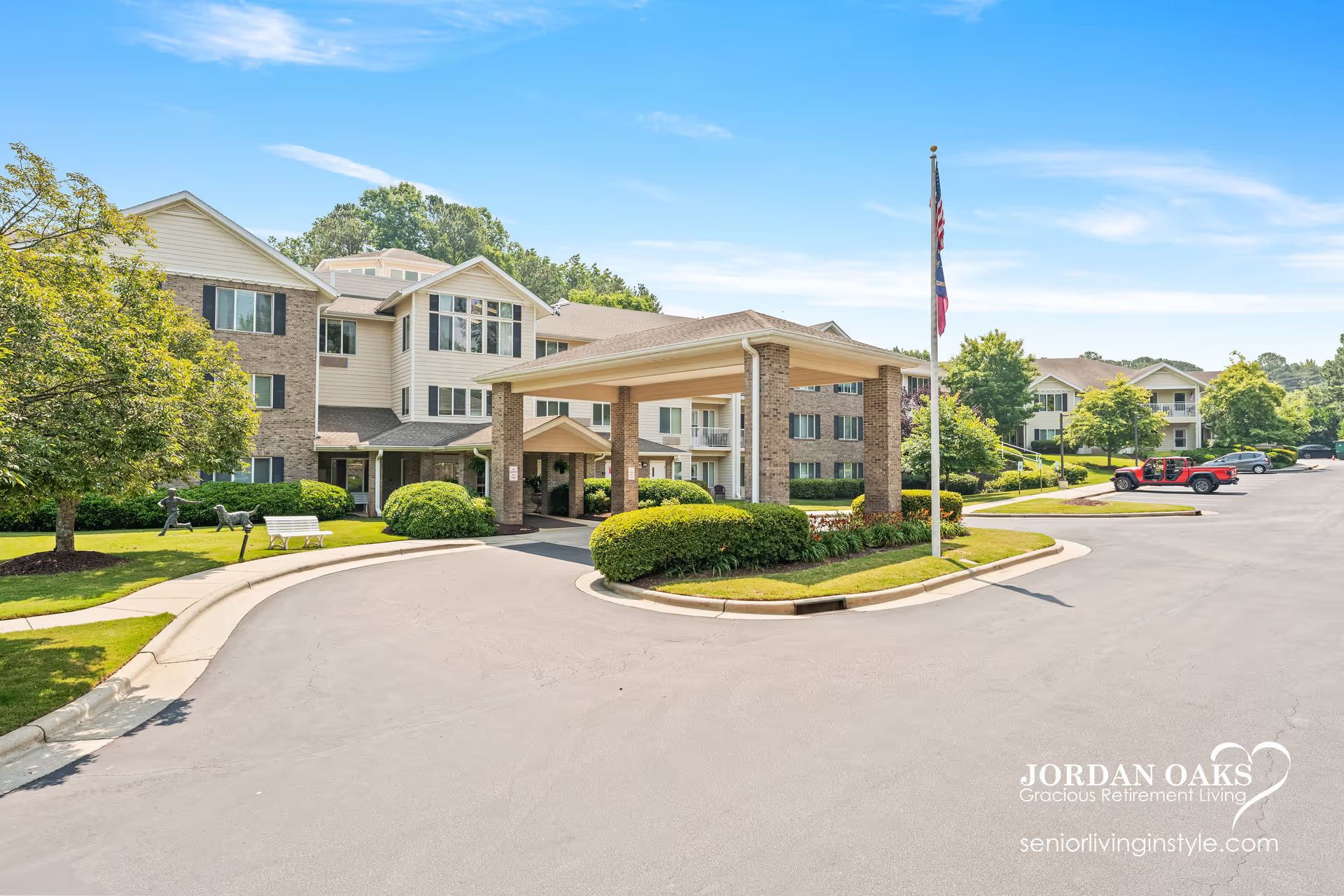
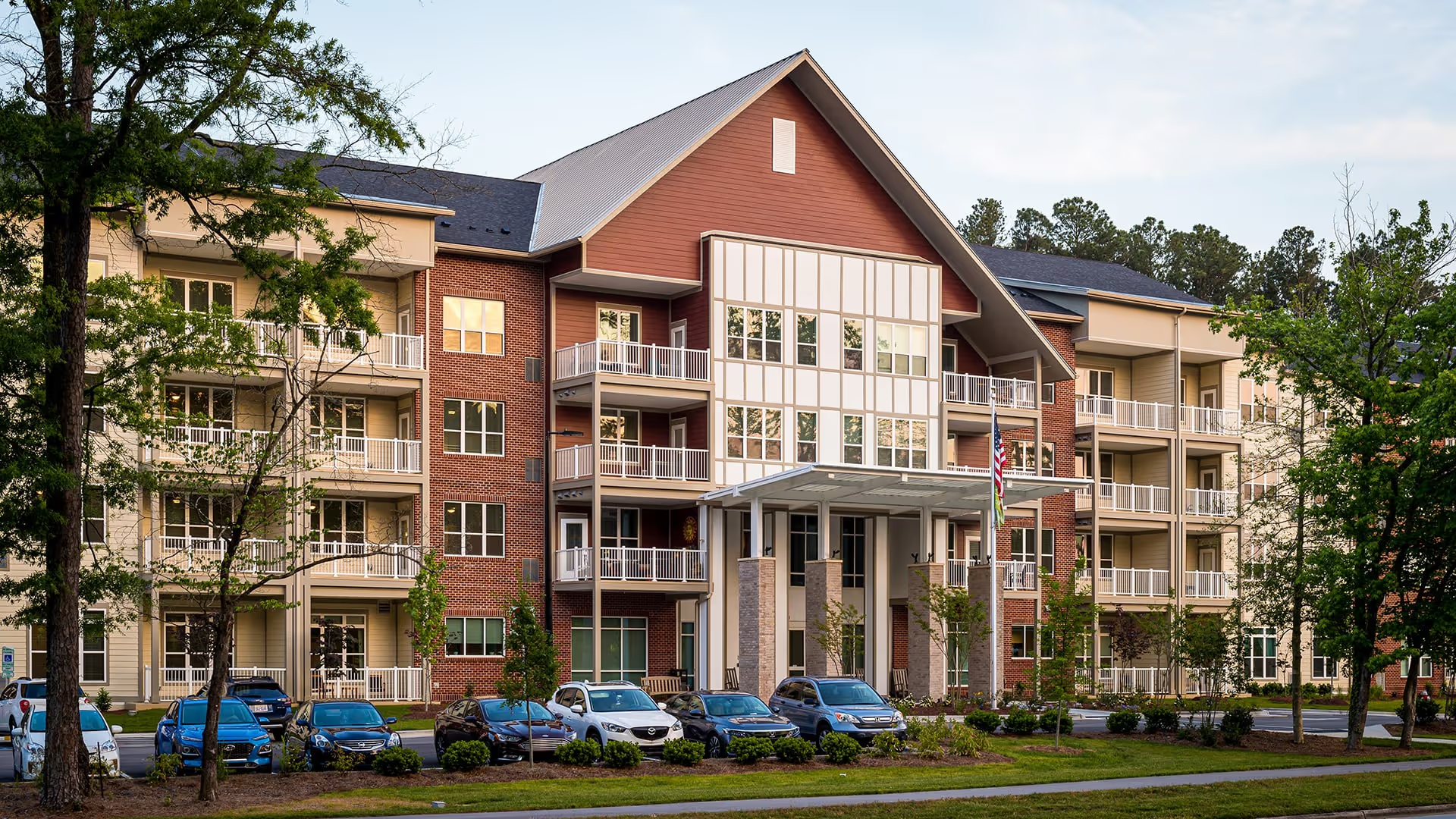
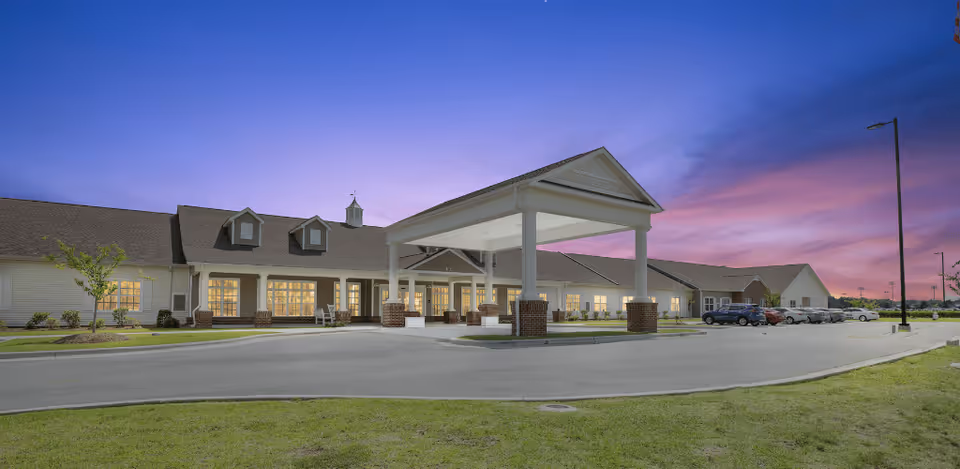
Carrolton of Dunn elicits a mixed but distinct pattern: several families describe meaningful clinical successes, attentive frontline caregivers, and an active daily program, while others identify operational gaps that affect day‑to‑day reliability. Positive accounts emphasize effective therapy, responsive CNAs and nurses who build relationships with residents, and a predictable admissions experience. Many families find the community convenient and appreciate homelike room layouts, organized activities including classes and weekly church services, and staff who provide individualized attention that can restore a resident’s prior level of engagement.
Care quality appears uneven. Multiple reports praise the facility’s physical therapy and instances of above‑average personal care; however, there are recurring concerns about overnight staffing shortages, delays in nurse availability, and episodes of inconsistent clinical follow‑through. Specific operational weaknesses cited include medication-administration problems and gaps in wound care continuity. These are described as systemic process issues rather than isolated compliments, and they indicate a need for clearer clinical protocols and stronger oversight to ensure consistent execution.
Staffing and conduct are a mixed picture. Numerous commenters highlight compassionate, organized, and attentive caregivers who take extra steps for residents, producing peace of mind for families. At the same time, others describe unresponsive or poorly communicative staff and variable attitudes among team members. These contrasting accounts suggest that resident experience may depend heavily on which staff are on duty; consistent supervision, training, and staffing levels would likely reduce variability.
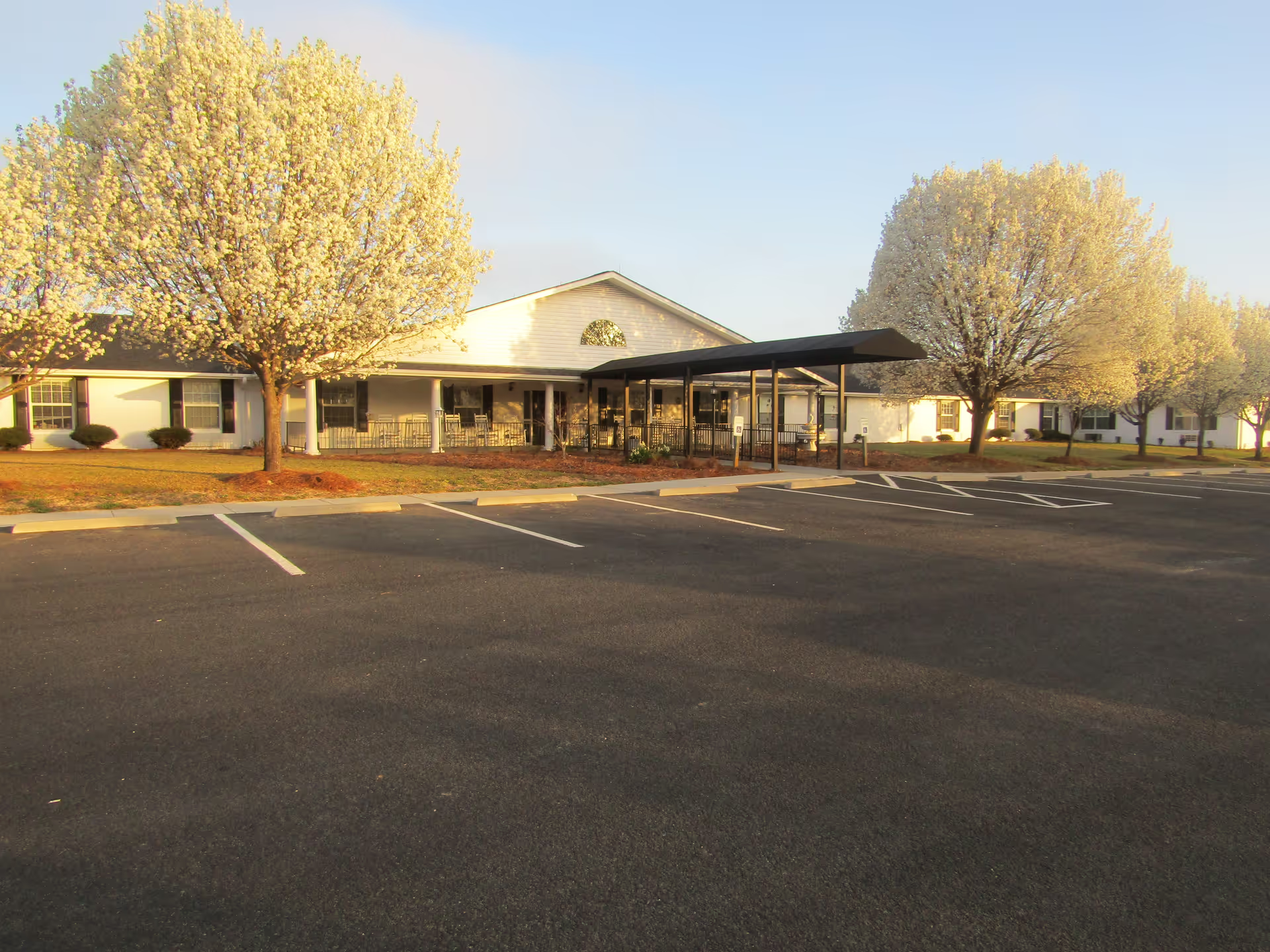
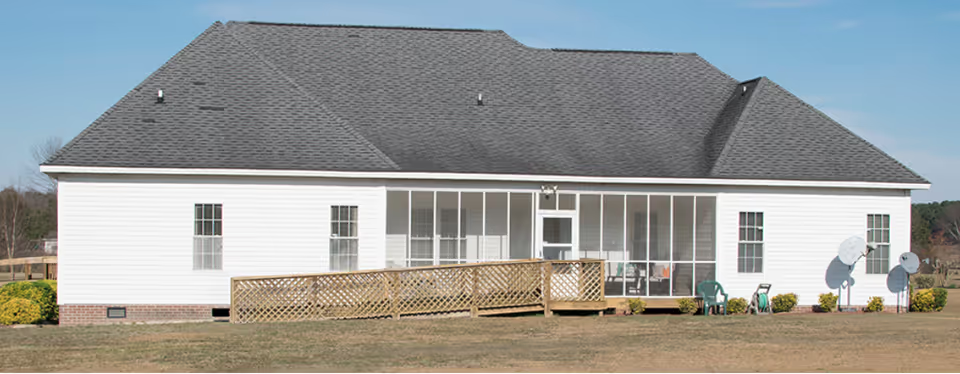
Dining, housekeeping, and facilities receive variable feedback. Some reviewers note thorough cleaning routines and a generally clean facility in areas, while others describe sanitation and laundry shortfalls, inconsistent housekeeping schedules (including limited weekend coverage), and concerns about timely personal-care tasks. Meal quality is described as uneven by some families. Physical plant issues are also noted: the building shows age and requires maintenance work, and some bathrooms present accessibility limitations for residents using mobility devices. An amenity gap is identified for smokers, who lack a covered outdoor smoking area.
Management and risk patterns warrant attention. Positive experiences often correlate with engaged staff and effective therapy teams; conversely, operational weaknesses such as inconsistent staffing, medication and wound‑care process lapses, and housekeeping variability recur across accounts. There are also serious individual allegations, including claims of staff theft; these are not described as routine but are significant and should prompt direct inquiry during any tour or decision process.
For prospective residents and families: an in‑person visit should include questions about overnight nurse coverage, staff‑to‑resident ratios, medication and wound‑care protocols, laundry and housekeeping schedules (including weekend coverage), bathroom accessibility for specific mobility aids, and how management tracks and responds to clinical errors and complaints. Observing different shifts and speaking with current families can help clarify how consistently the facility delivers on the strengths many reviewers describe.