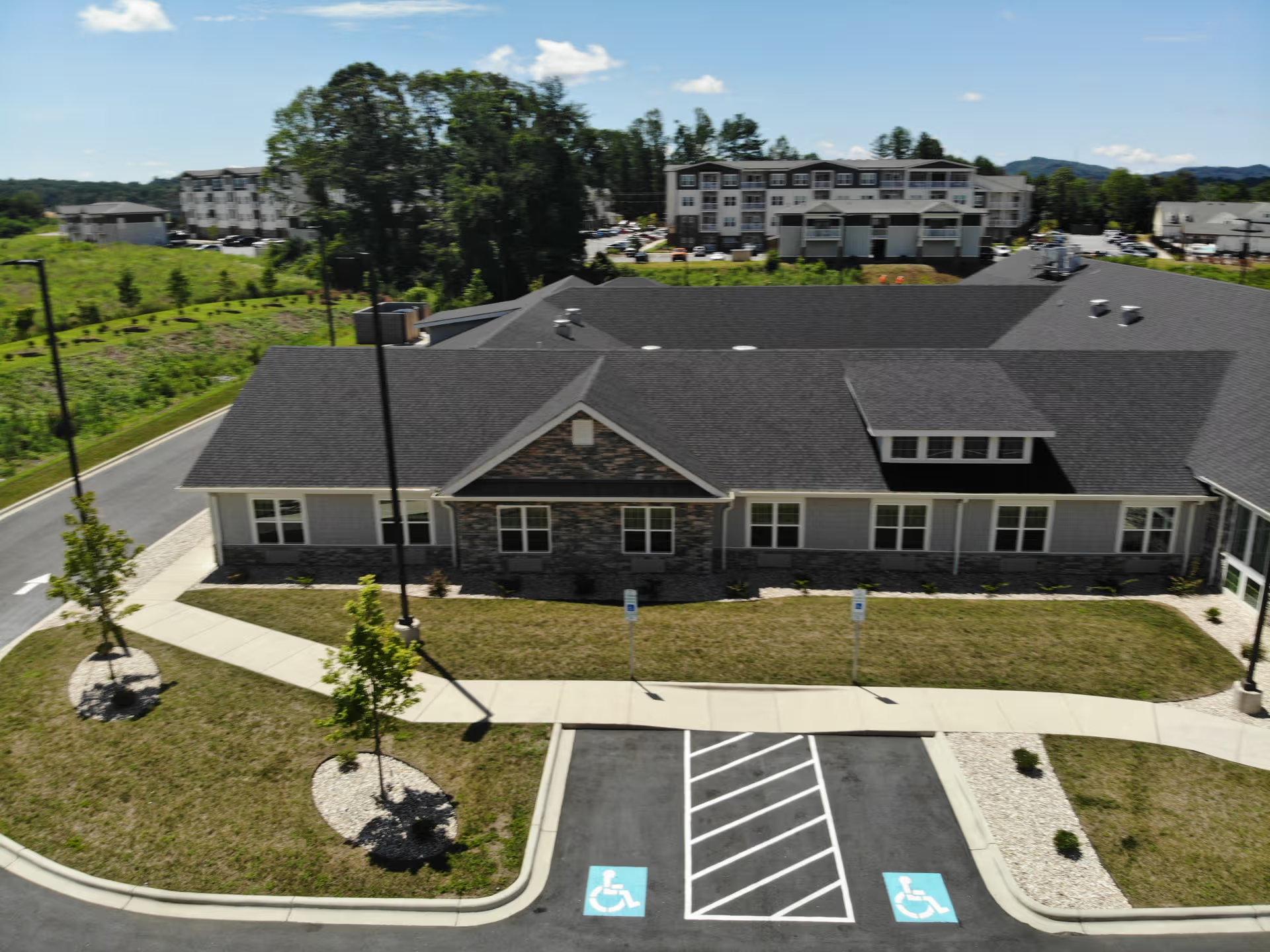
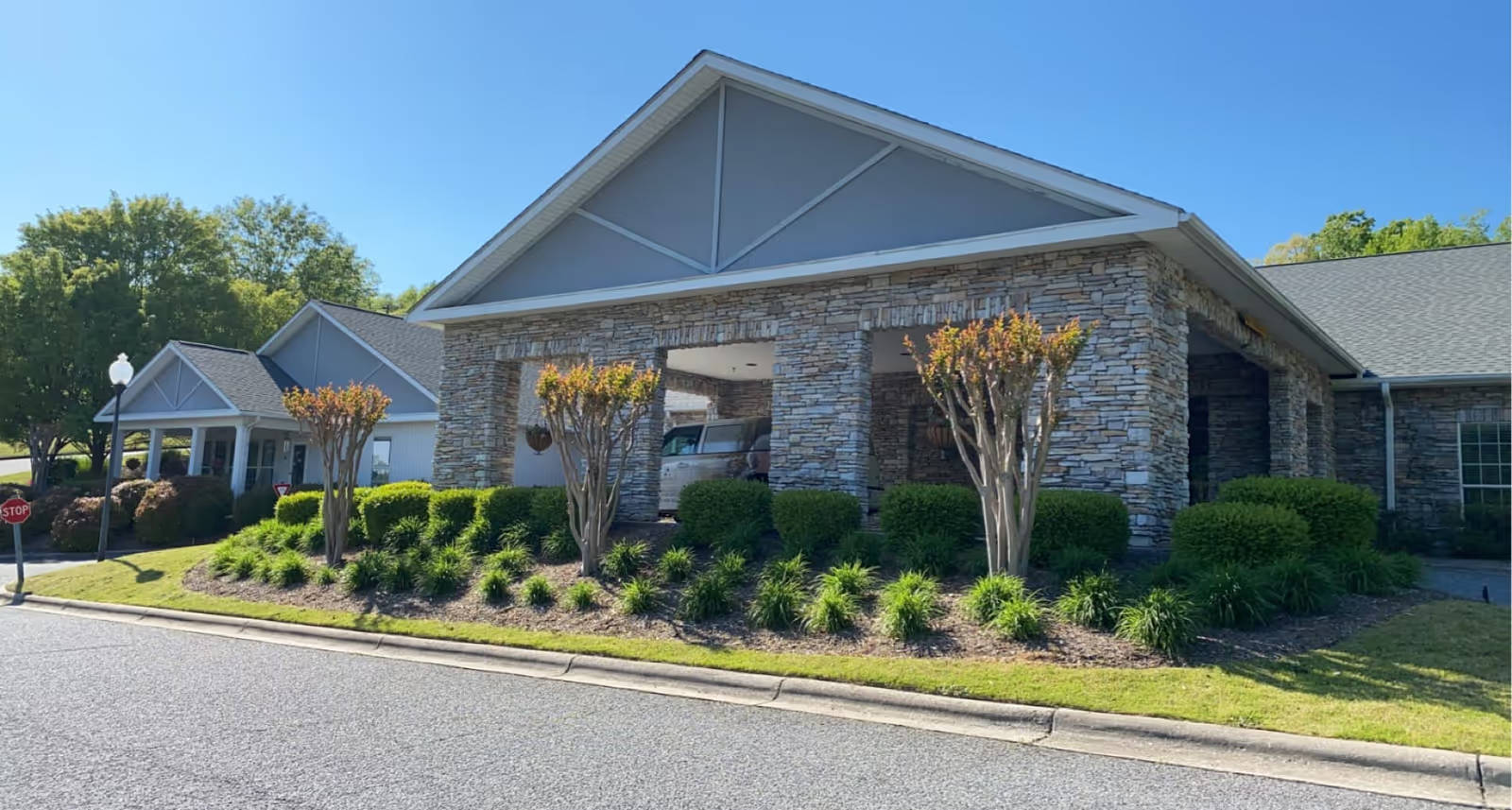
Reviews for this small, residential-style home are mixed, with clear strengths in its homelike atmosphere and notable concerns about clinical oversight and operational consistency. Many families highlight a relaxed, family-oriented environment where caregivers are described as attentive, compassionate, and responsive. The facility model emphasizes personalized attention and a favorable staff-to-resident ratio, with amenities in some homes such as a large TV room, dining area, sizeable kitchen, and private rooms that allow residents to personalize their spaces. Several reviewers also praised the provider's willingness to accommodate dietary needs, support family visits and end-of-life comfort, and maintain open communication with families.
At the same time, there are substantive operational issues that prospective residents and families should investigate. A recurring theme is the facility's staffing model, which in some cases lacks licensed clinical personnel such as nurses or certified nursing assistants; this has been associated in reviewer accounts with gaps in clinical monitoring and care escalation. Relatedly, some reviews describe hospital transfers linked to nutritional and hydration concerns, and a few note worries following a resident's death—issues that suggest a need to verify clinical oversight, care-planning processes, and emergency response protocols before committing.
Dining and nutrition present a mixed picture. Several accounts praise nicely prepared meals and individualized diet accommodations, while others describe limited food choices and inconsistent meal quality. This variability indicates that meal service and menu variety may differ between homes or over time; families should ask about weekly menus, special-diet procedures, and how nutrition and fluid intake are monitored.
Facilities and programming vary across locations. Some homes offer regular activities, communal spaces, and a quieter, homey atmosphere; others are described as smaller with fewer amenities. Room arrangements may include shared two-bedroom units, and there are operational policies around room retention and assignment that can require additional payment to secure continuity of placement—an important contractual detail to clarify. Communication and management are generally cited positively by many families, including support with transportation and housing needs, but a subset of reviews point to inconsistent staff approachability and responsiveness.
Overall impression: the provider appears to offer a comfortable, family-focused alternative to larger institutional settings, with strong points in personalized care and community orientation. However, variability in clinical staffing, nutrition management, meal consistency, and some administrative policies suggests that quality may differ by location or over time. Recommended next steps for families: tour the specific home being considered; confirm presence and schedule of licensed clinical staff; review nutrition and hydration monitoring protocols; examine room-assignment and fee policies in writing; ask for examples of activities and staffing ratios; and request recent references or quality metrics to assess consistency of care.