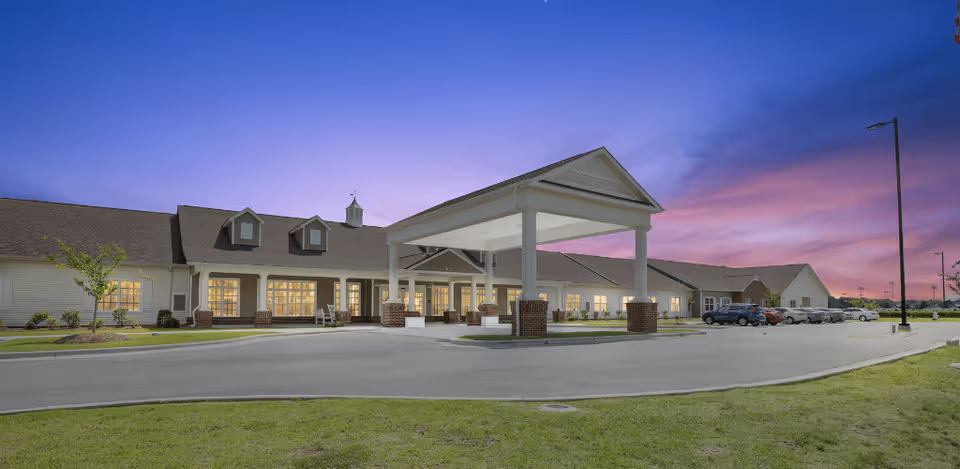
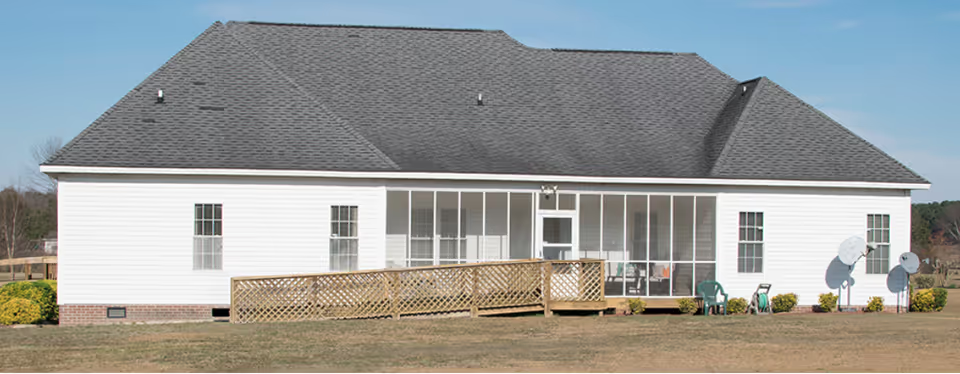
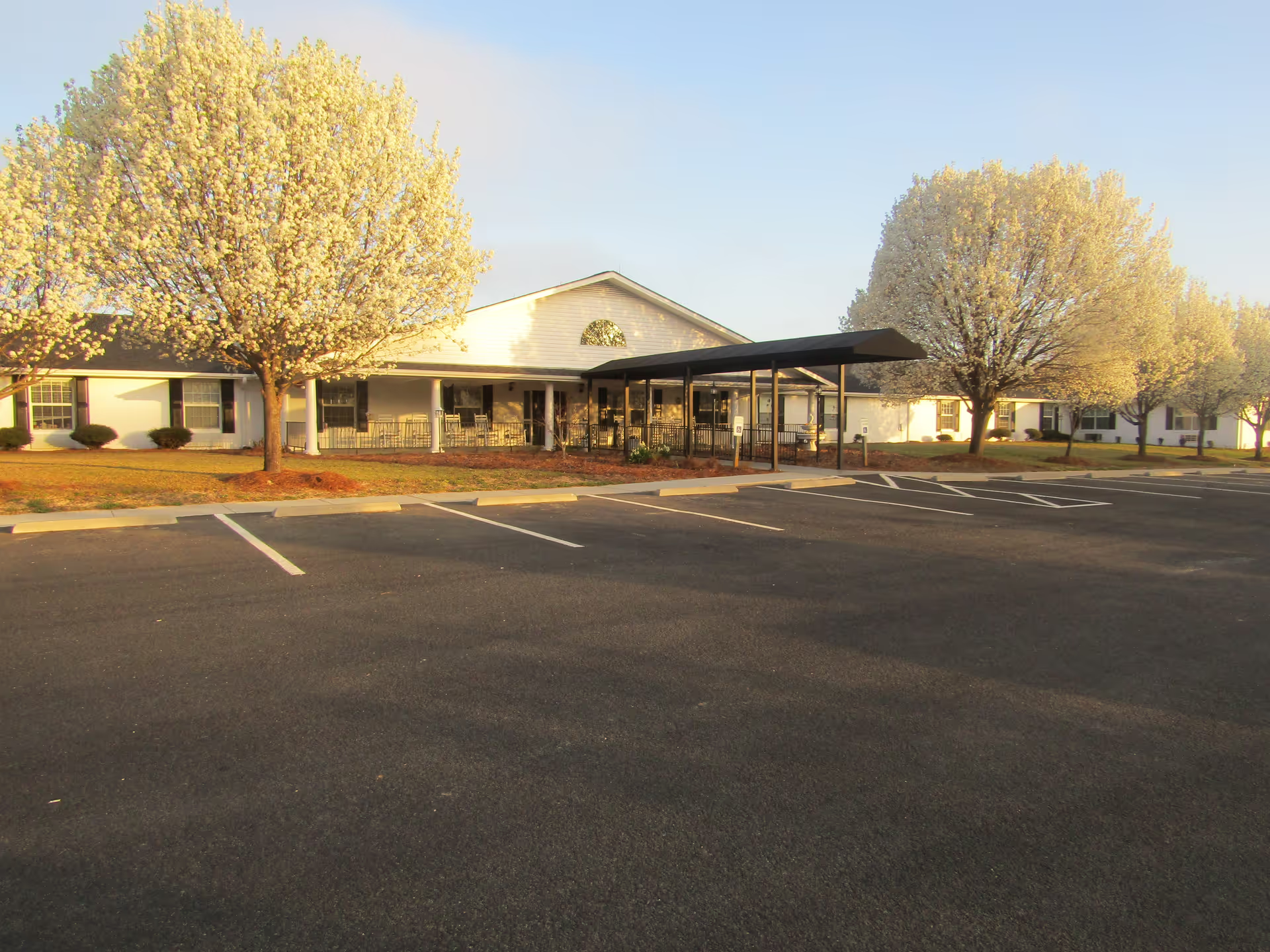
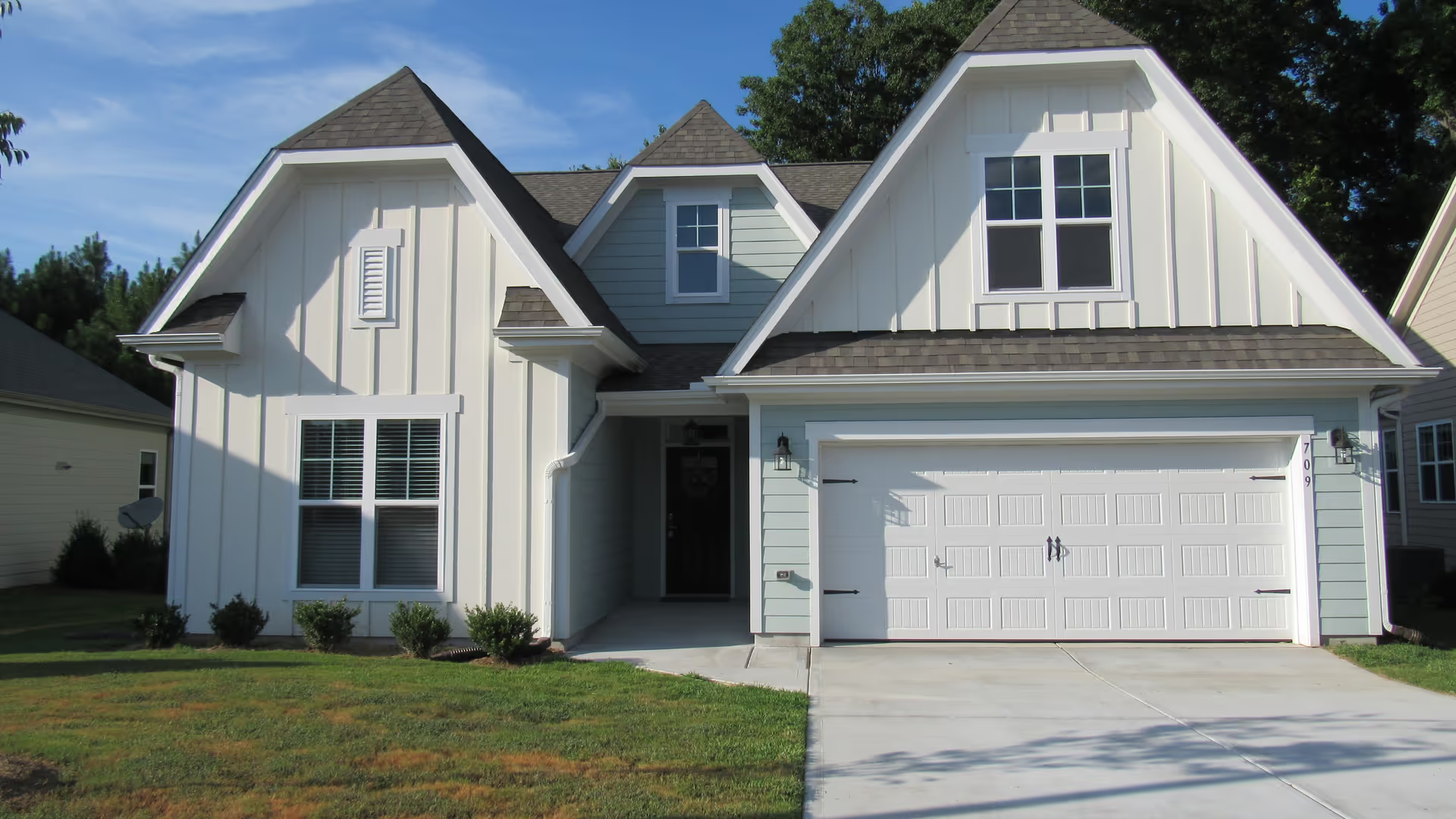
The reviews of Bethesda Health Care Facility present a mixed picture: many families praise the clinical care, compassion, and continuity of staff, while others describe operational shortcomings that affect resident experience. Positive descriptions emphasize attentive nurses and CNAs, strong rehabilitation services, proactive clinical communication, and a family-like culture among long-tenured employees. Several accounts highlight effective coordination during admissions and transitions, helpful social-work support, thorough shift handoffs, and a generally clean, well-maintained environment in public areas.
Care quality and clinical operations draw both commendation and concern. Strengths include engaged nursing teams, timely access to therapy services (physical and occupational), on-hand wound and medication supplies at times, and responsive family communication. Counterbalancing this, reviewers describe inconsistent personal-care practices—notably variable bathing schedules, delays in assistance for toileting/changes and dressing, and episodic gaps in wound- and skin-care follow-up. There are also concerns about infection-control and general sanitation practices in parts of the facility; these comments suggest variability in clinical follow-through rather than a uniform standard of practice.
Staffing, culture, and management responses are another area of divergence. Positive reports cite long staff tenure, a welcoming and respectful approach, and aides who go above and beyond for residents. Conversely, some families report staffing shortages on floors, limited supervisory presence, slow response times for routine needs, and instances where staff communication tone or behavior was unprofessional. There are also comments about visible staff behaviors (frequent phone use, loud nursing-station activity, and smoking near building entrances) that some families felt affected the resident environment. Several reviewers described difficulty obtaining clear explanations during admissions or when seeking administrative follow-up, indicating variable responsiveness at the management level.
Dining, activities, and amenities receive mixed commentary. Many reviewers praised home-style meals and enjoyable dining experiences; others found the dining-assistance process inconsistent. Activity programming is described as engaging and morale-boosting in some accounts, with residents laughing and participating, while other families characterized the activities calendar as overpromised or insufficiently staffed. Housekeeping and common-area cleanliness are often noted positively, yet there are also isolated sanitation and maintenance concerns that prospective families may want to verify in person.
Notable patterns: the facility appears to provide strong interpersonal care and skilled therapy for a substantial number of residents, but reviewers also identify operational variability—in staffing levels, personal-care timeliness, wound/infection follow-up, and administrative transparency. For prospective residents and families, an in-person assessment is advisable: observe staffing levels on units, ask for specifics about bathing and toileting assistance schedules, review wound- and infection-control protocols, request copies of recent inspection reports, clarify admissions criteria and communication procedures, and sample a meal or activity. These steps can help determine whether the facility’s strengths align with a particular resident’s clinical and psychosocial needs.