Overall impression Chatham Nursing and Rehabilitation receives substantial positive feedback for its caregiving teams, clinical therapy, and facility environment, while also showing recurring operational weaknesses in leadership, safety processes, and communication. Families and former residents frequently praise the professionalism, compassion, and clinical skill of direct-care staff and therapists, and many describe clear functional improvements for residents who enter for rehabilitation. At the same time, several reviewers describe inconsistent management follow-through and safety- and documentation-related gaps that warrant consideration for prospective residents and families.
Care and clinical quality Clinical care and therapy are commonly highlighted as strengths. Physical and occupational therapy staff are repeatedly credited with improving mobility, reducing medication needs, and enabling timely discharges home. The facility’s memory-care unit and rehabilitation services receive positive statements about focused, effective interventions. Nursing staff are often described as attentive and compassionate; however, reviewers also describe variability in nursing-team performance and responsiveness across shifts. That variability appears to contribute to concerns about medication-administration accuracy and discharge paperwork consistency, indicating room for improvement in clinical handoffs and medication controls.
Staff, culture, and safety Many comments emphasize a family-oriented culture, long-tenured staff, and personalized attention from caregivers and admissions personnel. Admissions and executive leadership receive praise in several cases for accessibility and care coordination. Conversely, patterns emerge around leadership follow-through, inconsistent responsiveness from the director of nursing or admissions at times, and workplace-culture issues including favoritism and morale variability. Safety-related concerns appear in multiple accounts—specifically falls and oxygen-management issues—suggesting gaps in fall-prevention protocols and other clinical-safety systems rather than isolated praise or criticism of individual caregivers.
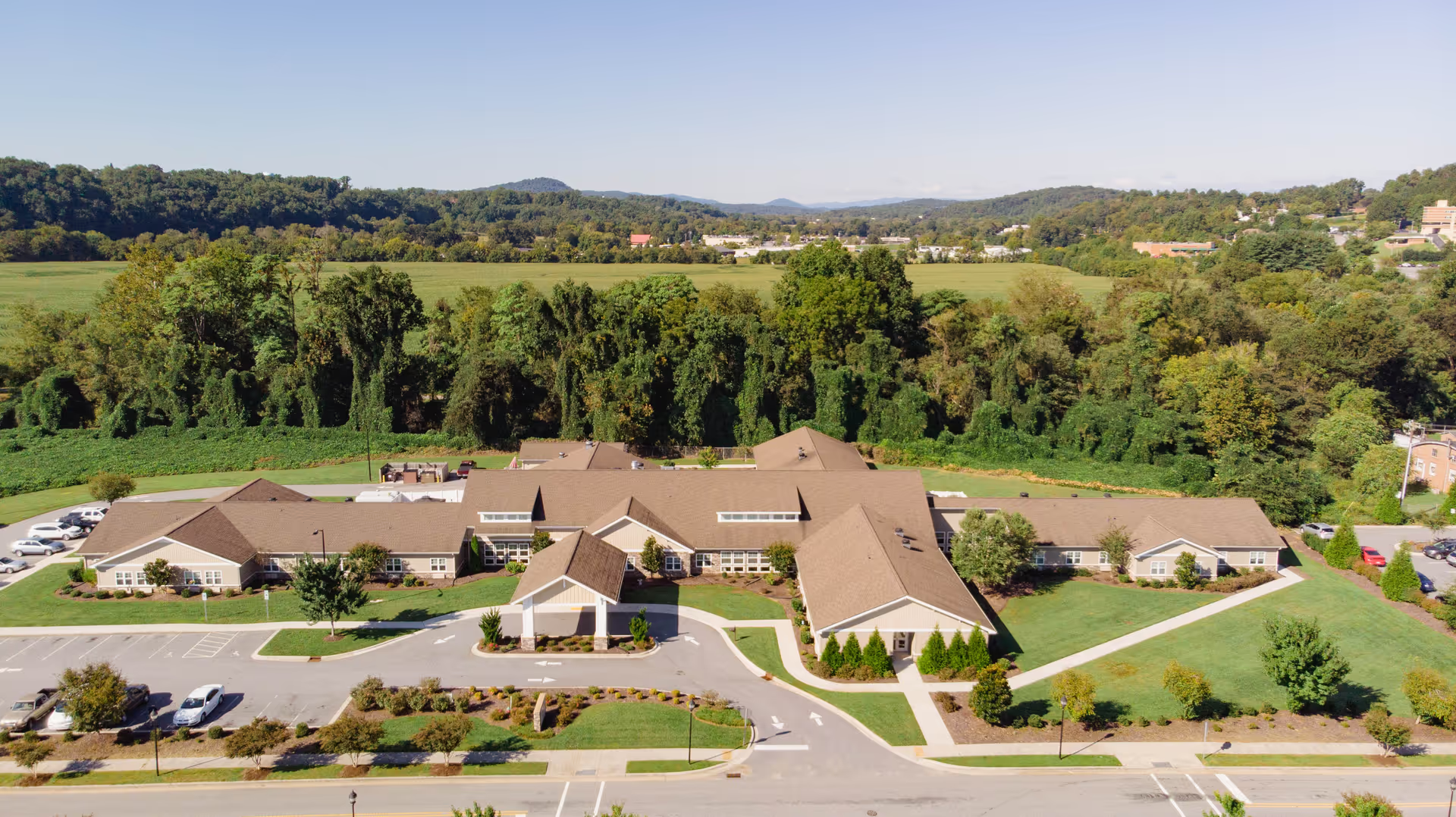
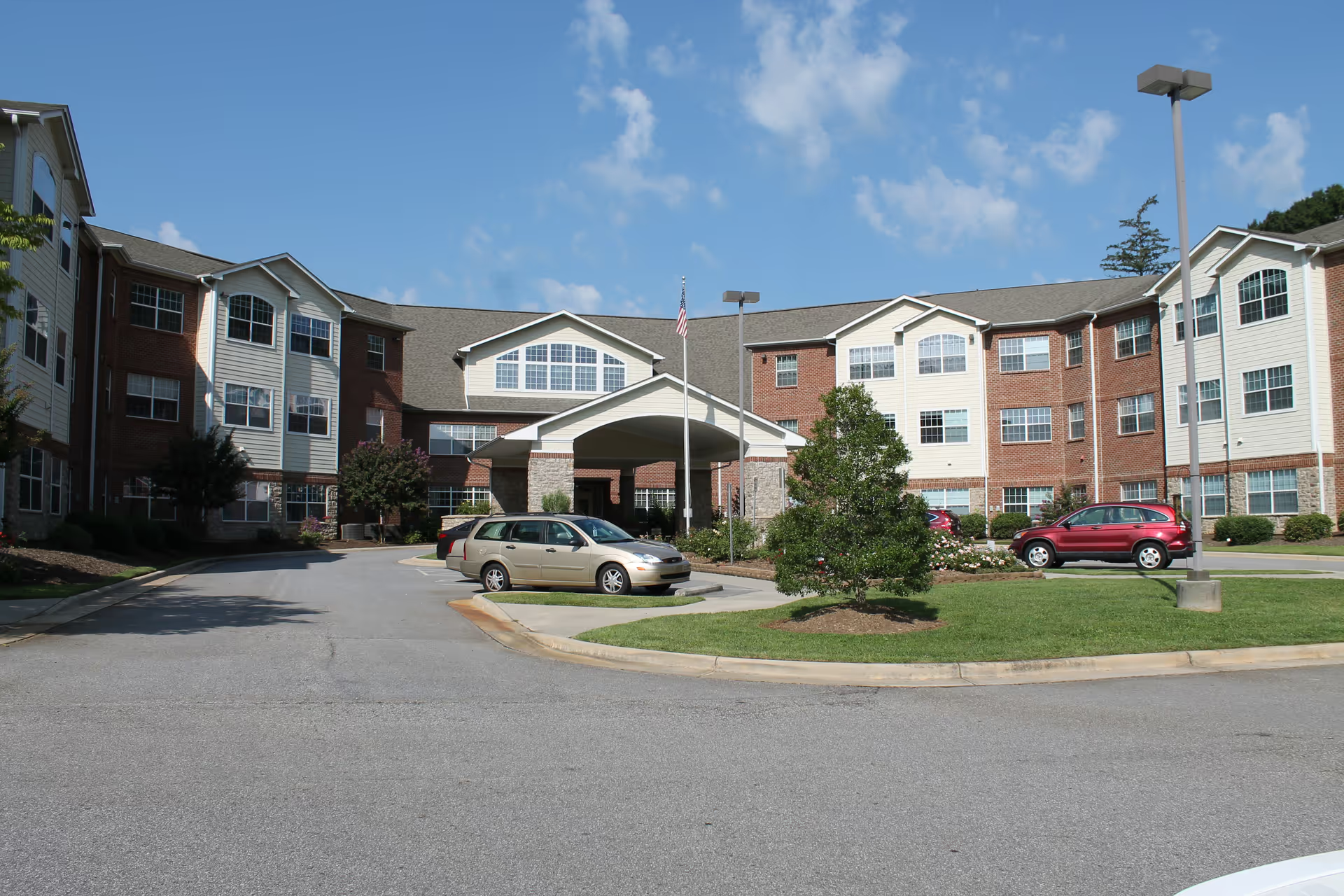
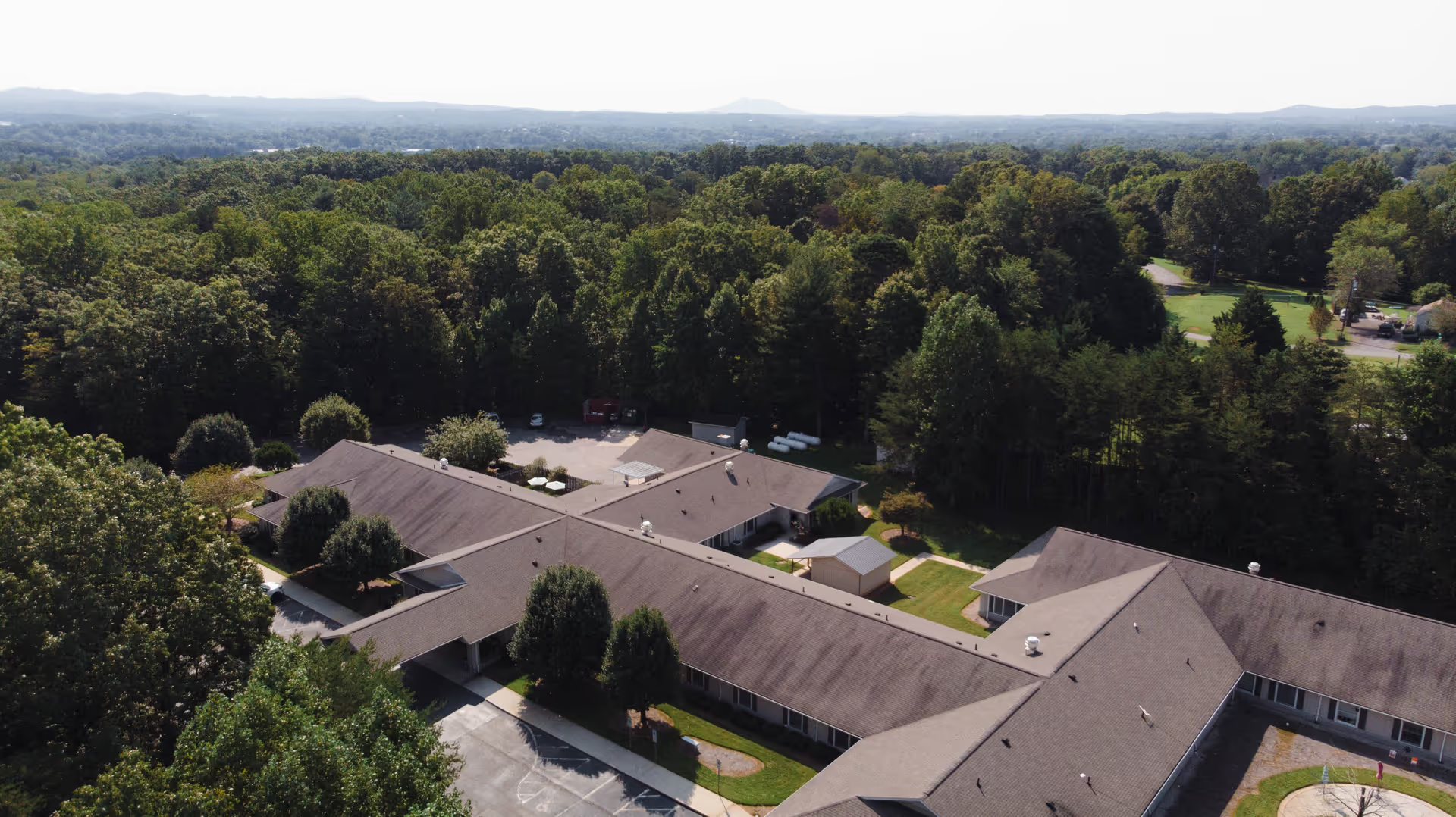
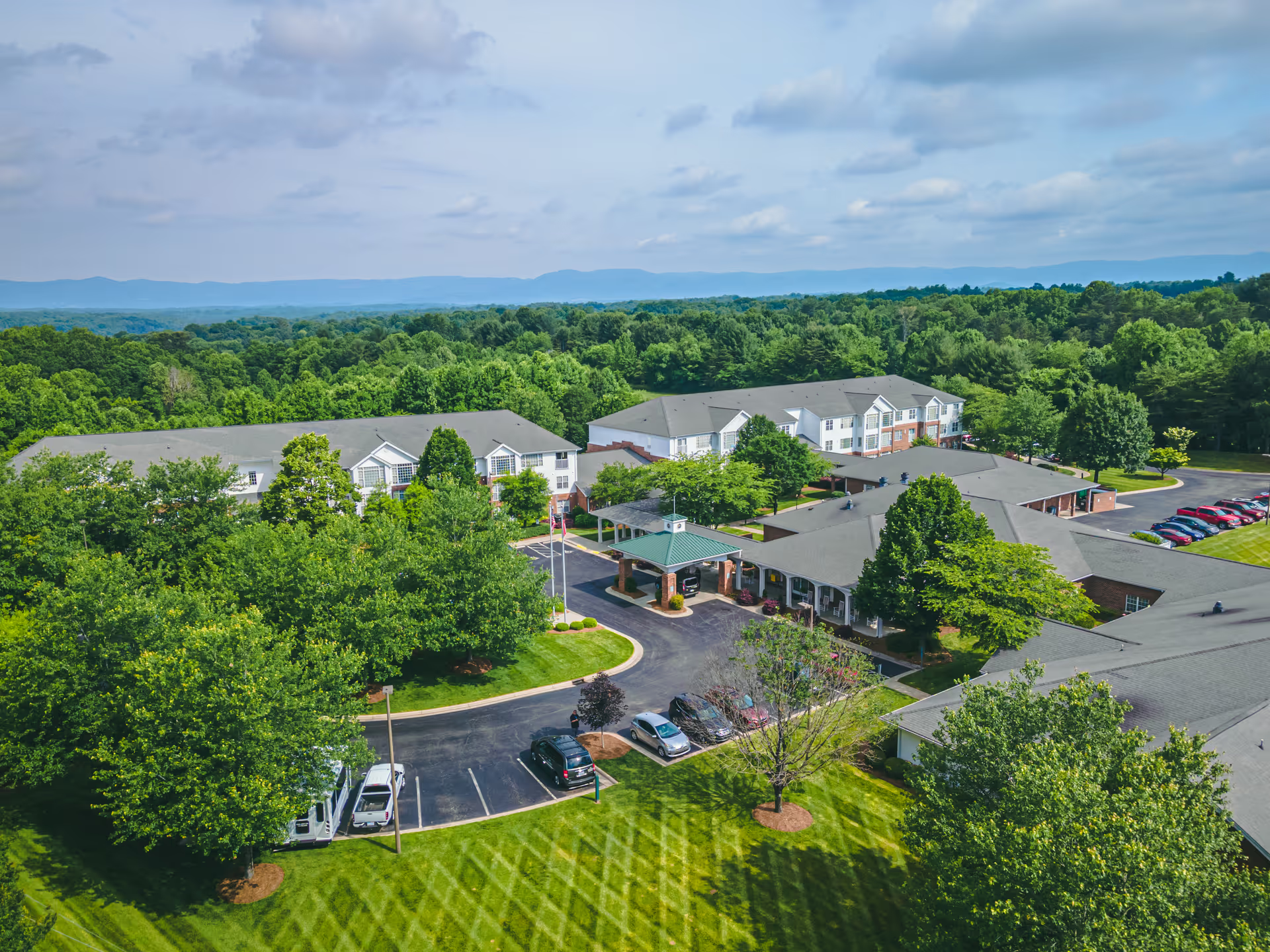
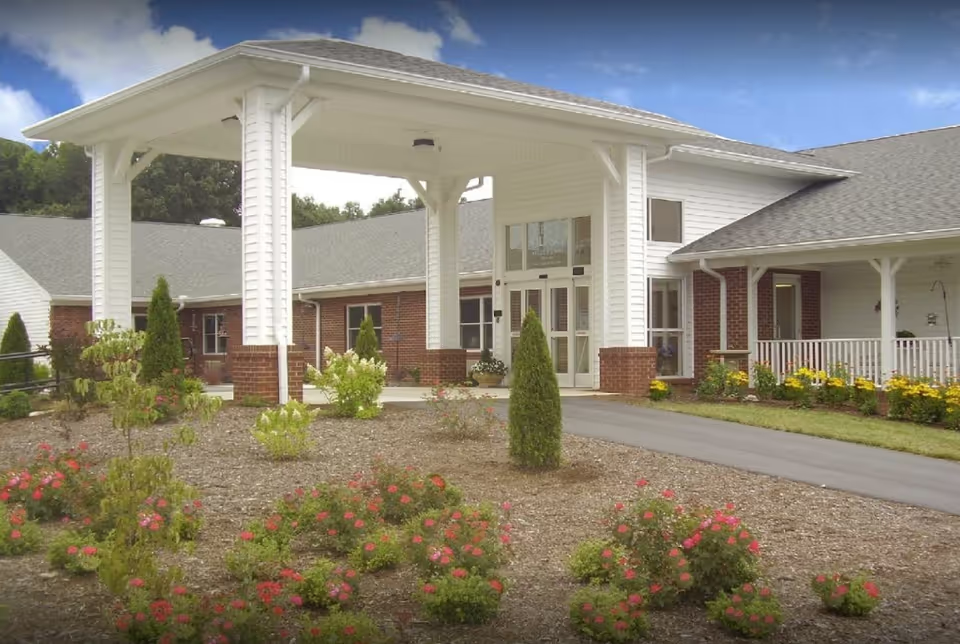
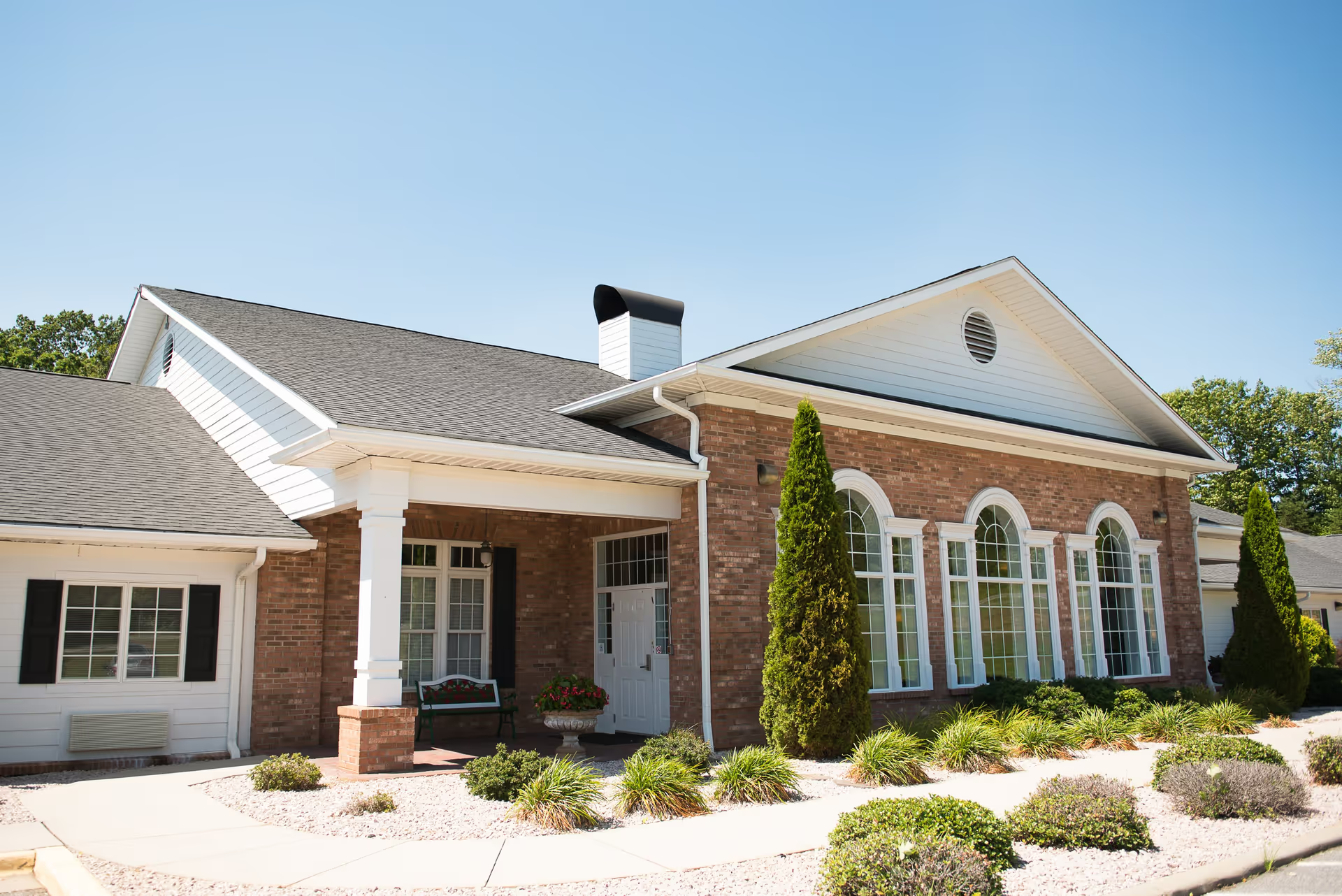
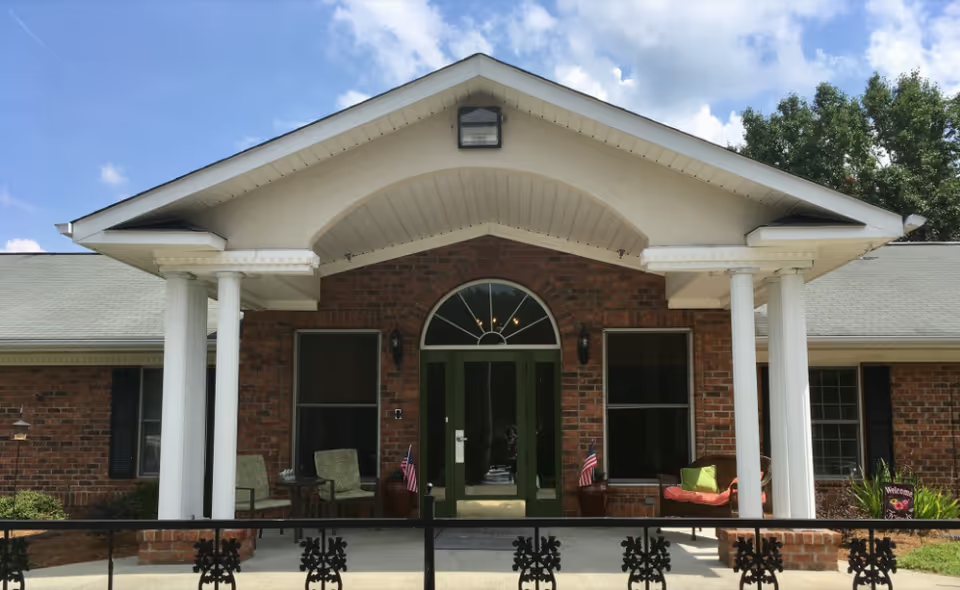
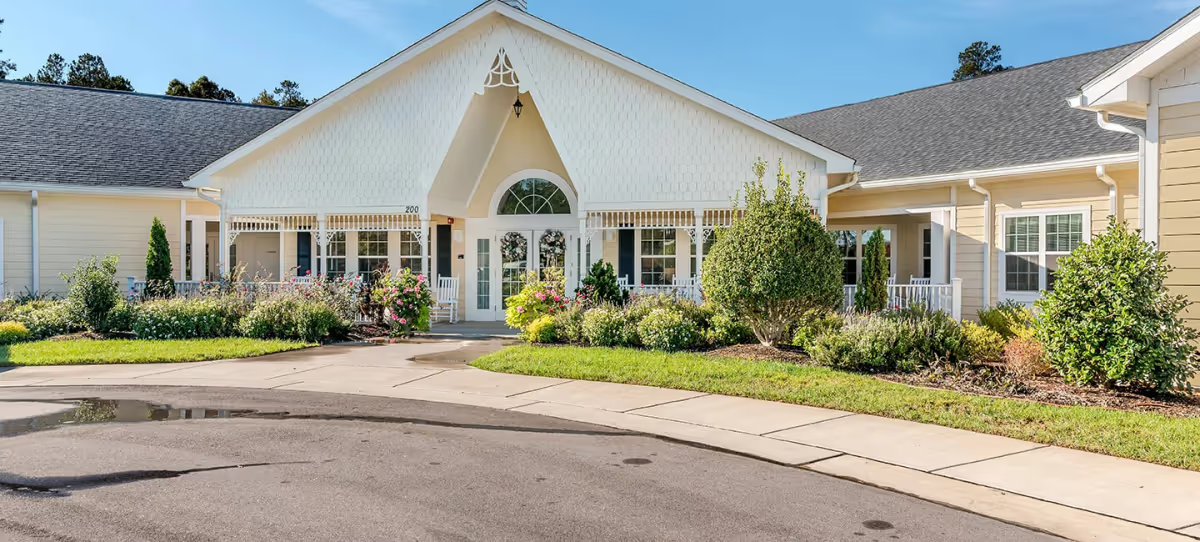
Dining, activities, and facilities Dining and activities are consistent strengths in the reviews. The culinary program is described as providing a good variety of meals and festive touches for birthdays and holidays. The activities program is portrayed as active and engaging, contributing to resident well‑being and social engagement. The physical environment is frequently described as clean, well maintained, and homelike, with pleasant decor and atmosphere.
Management and communication patterns Communication experiences are mixed: many families report proactive, transparent communication and regular updates from leadership, while others describe unreturned calls, delayed follow-up, and inconsistent documentation. These mixed experiences point to variability in administrative processes and staff accountability rather than a uniform practice. For prospective residents, the pattern suggests that outcomes are often strong when direct-care teams and leadership communicate effectively, but there is potential risk in cases where follow‑through and documentation controls lapse.
Bottom line Chatham demonstrates clear strengths in rehabilitation, therapy, compassionate caregiving, dining, activities, and facility upkeep. Prospective residents and families should weigh those strengths against consistent operational concerns: leadership and follow-through variability, medication- and documentation-control gaps, intermittent staffing pressures, and safety-process weaknesses. Visiting the unit, asking specific questions about fall-prevention, medication controls, staff continuity, and communication protocols, and observing shift change handoffs will help families assess whether the facility’s strengths align with their loved one’s clinical and safety needs.