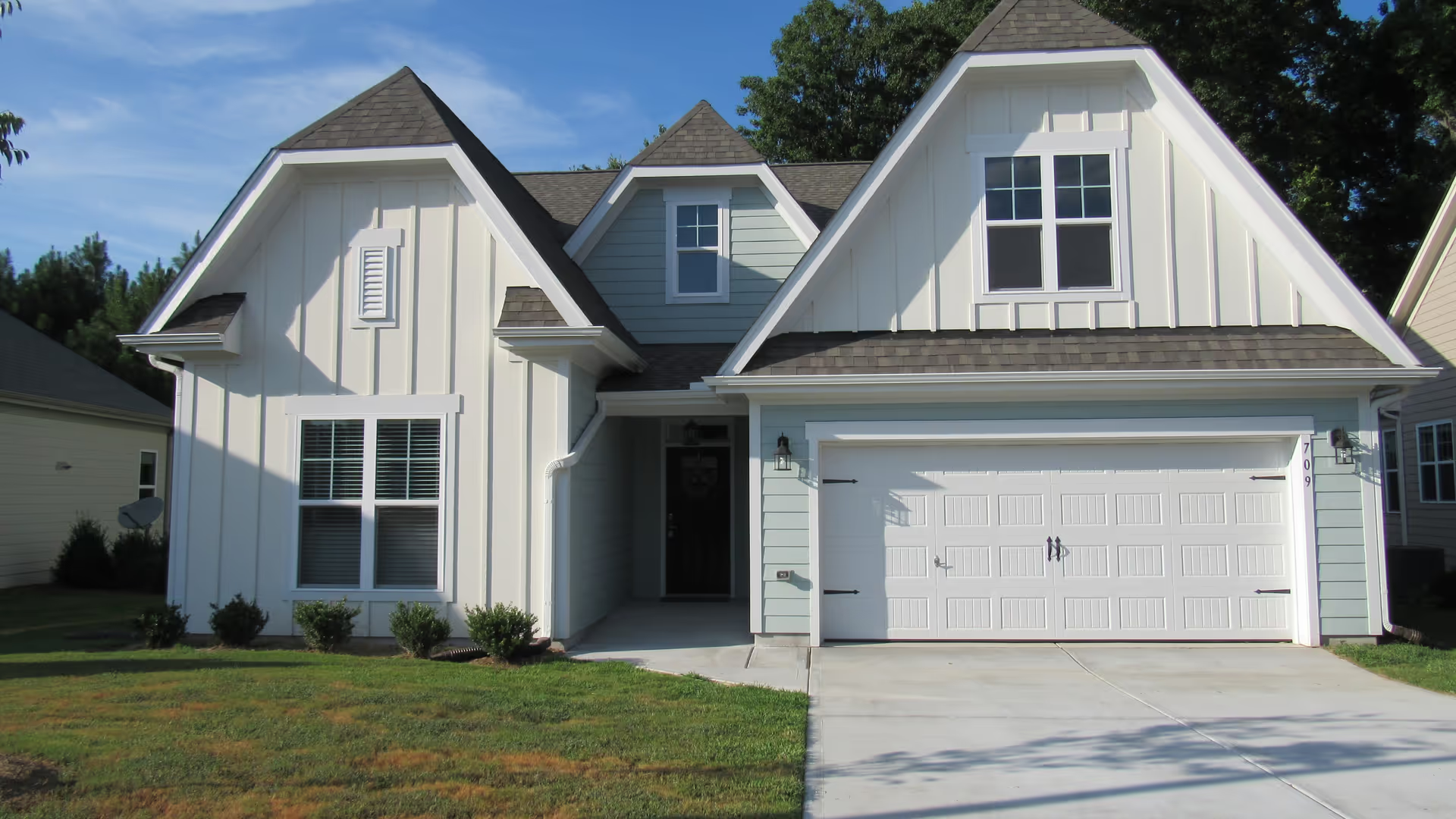
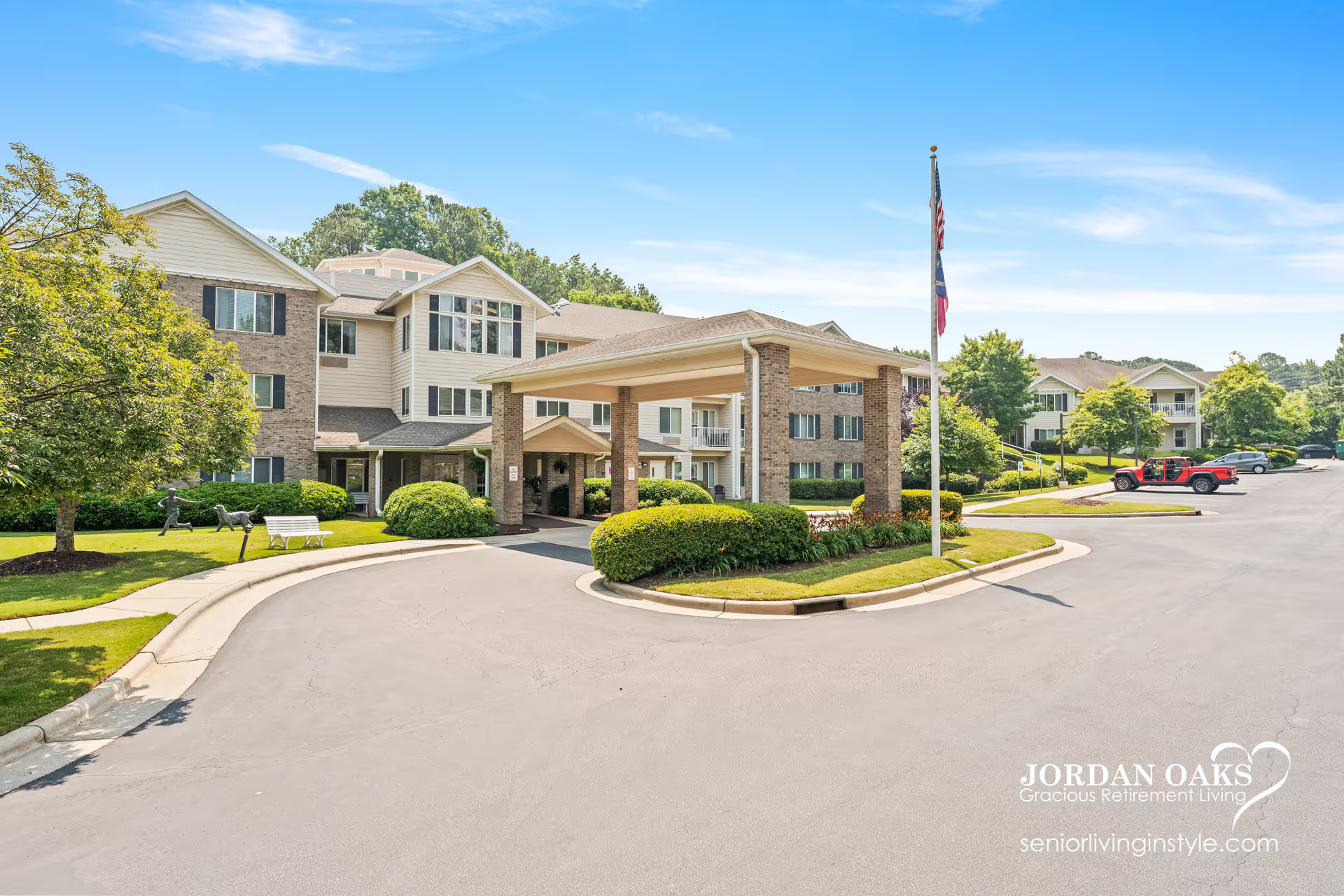
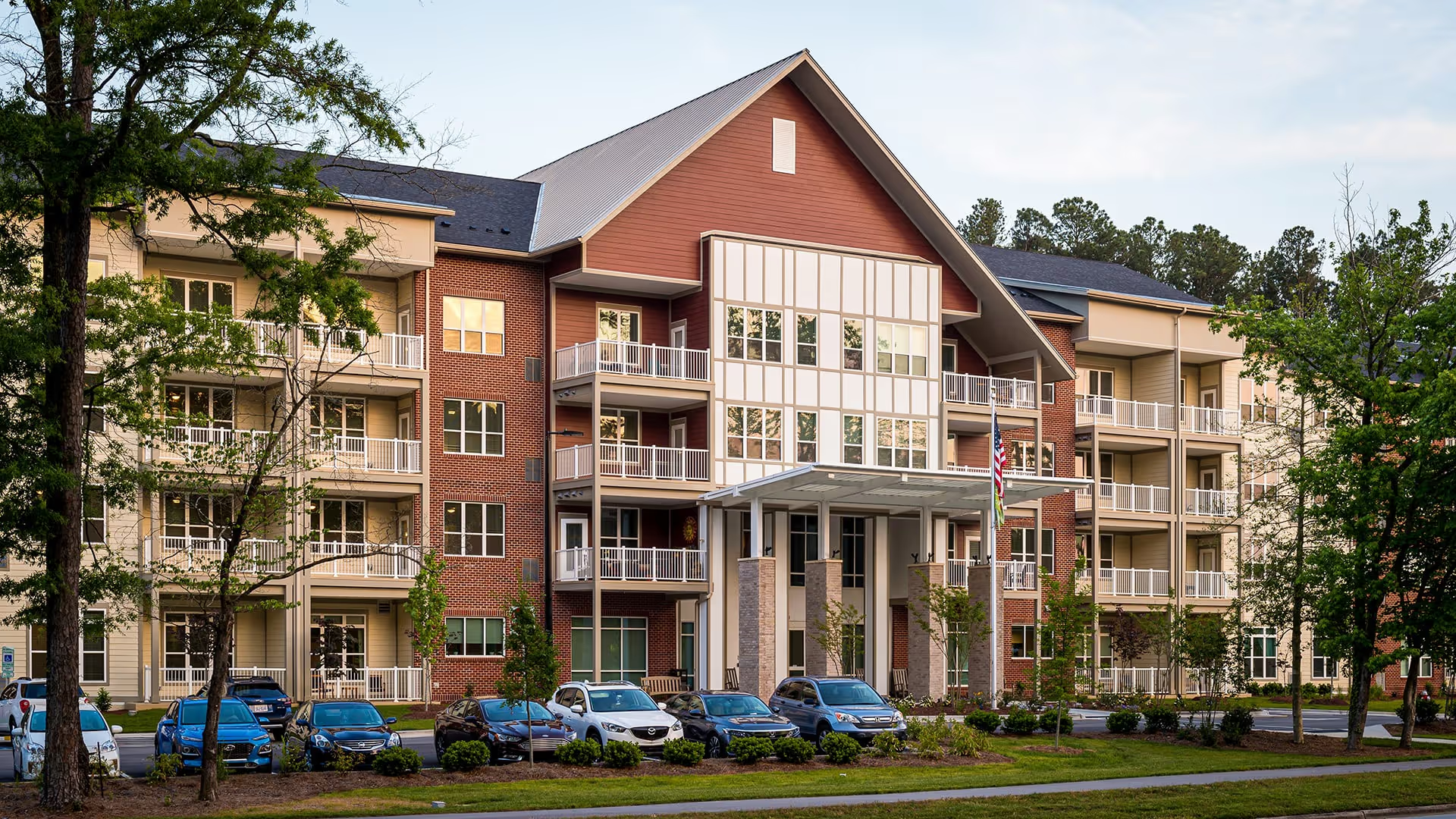
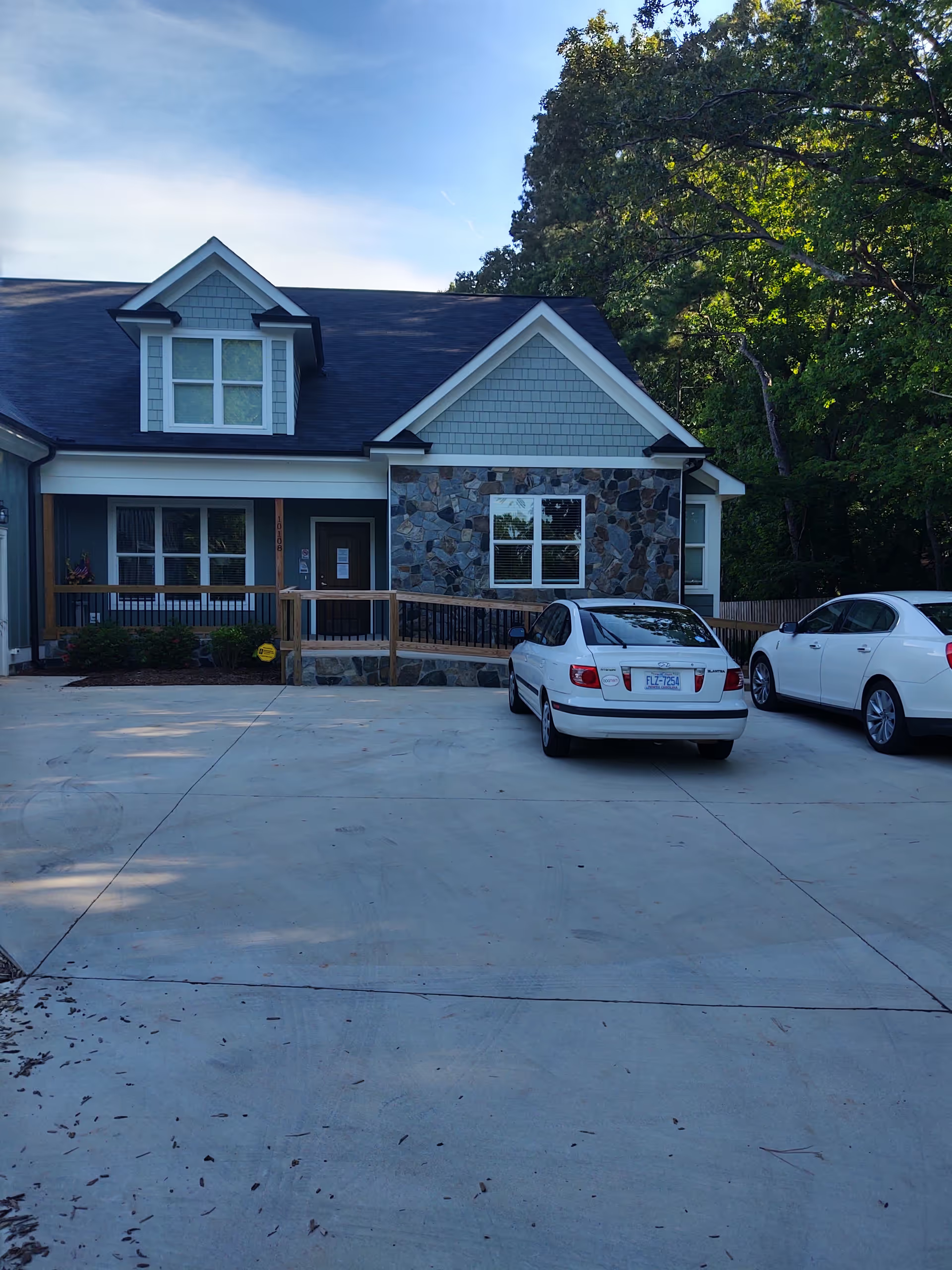
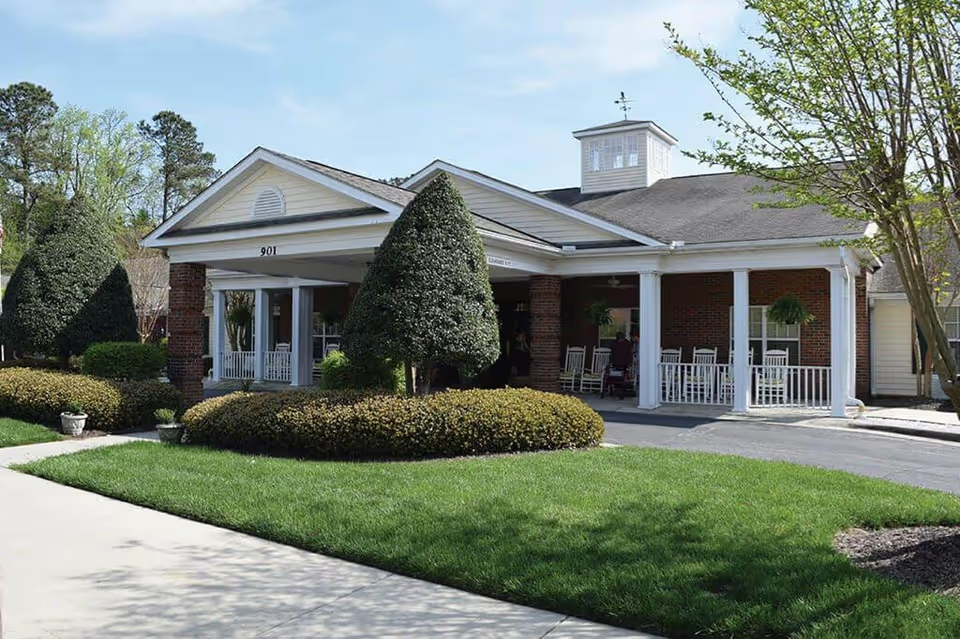
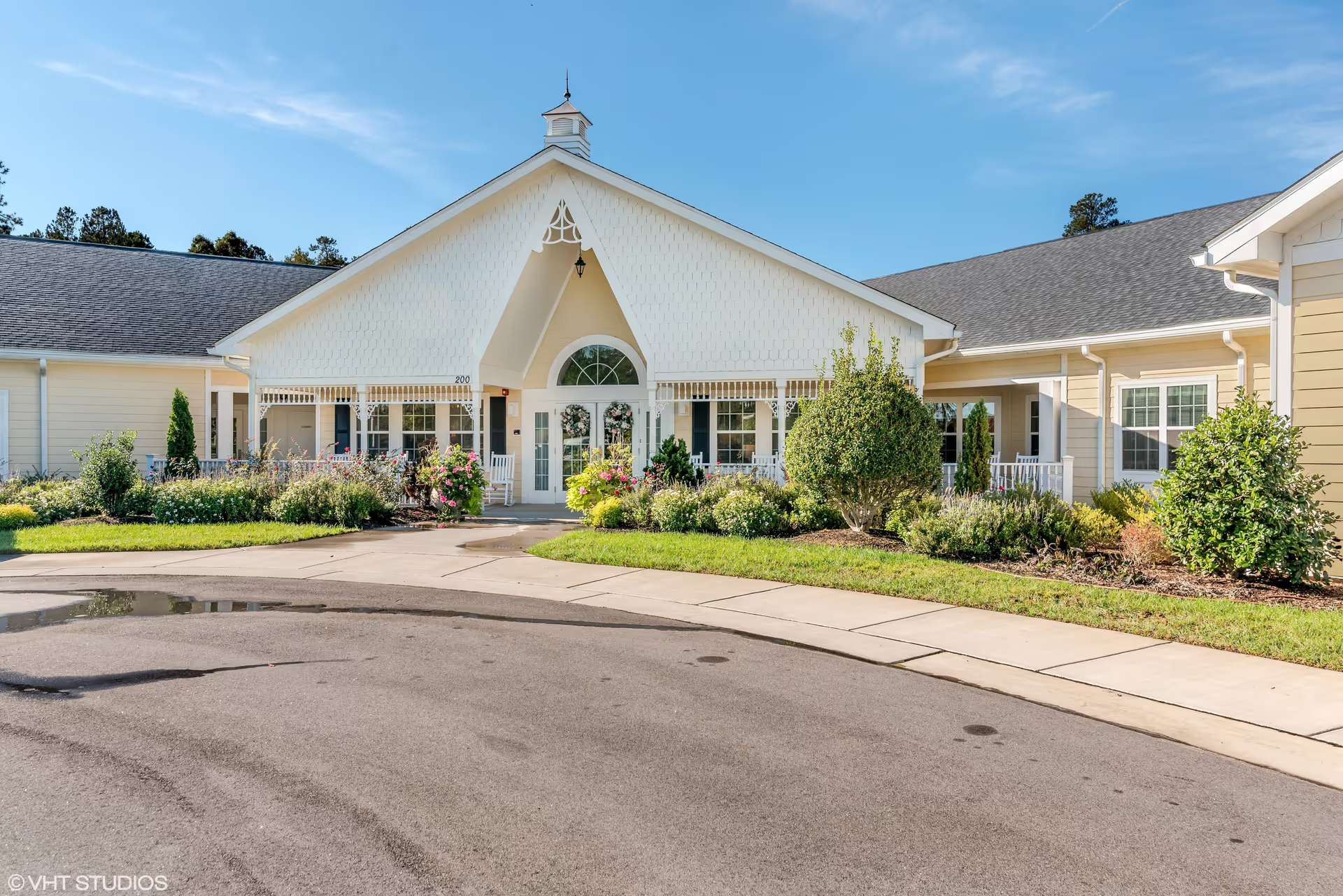
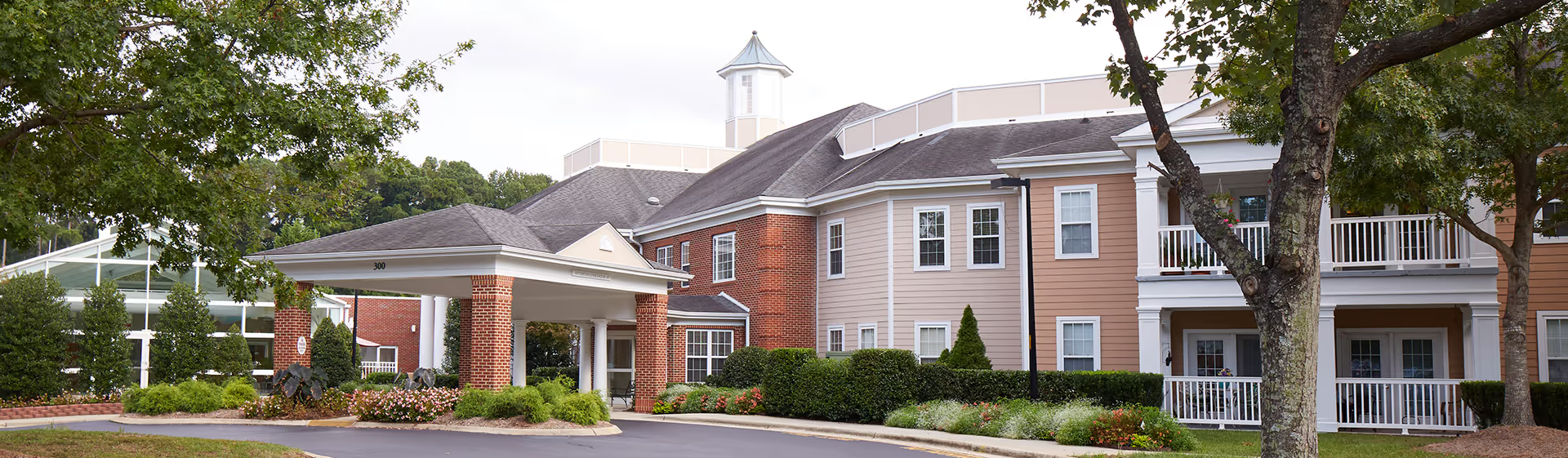
Reviewers describe a facility with clear strengths in rehabilitation outcomes, individualized bedside care, and an attractive physical environment. Many families praised the rehabilitation team (physical and occupational therapists) for producing measurable improvement and returning residents toward baseline function, and several accounts emphasize one-hour therapy sessions per discipline and strong early gains. Numerous comments highlight compassionate nursing and aide interactions, friendly admissions and front-desk staff, large private rooms with private baths, well-maintained grounds, and a culture of caring that several families found reassuring during short-term stays.
At the same time, reviews reveal recurring operational weaknesses. Staffing levels and turnover are a frequent concern, contributing to delayed responses to call lights and clinical events and to inconsistent scheduling of therapy and direct care. Multiple commenters described communication breakdowns between clinical staff and families during incidents, as well as variability in administrative follow-through; some families felt leadership was accessible and engaged, while others experienced difficulty obtaining timely answers. Clinical-process gaps were also described: medication reconciliation and documentation errors, inconsistent monitoring of skin integrity and wounds, and episodic failures in diabetes-appropriate meal delivery or texture-specific meal preparation.
Dining and dietary management are areas of mixed feedback. The facility’s food service receives both praise and criticism: some residents enjoyed the meals and hospitality, while others noted heavy seasoning, limited fresh-vegetable options, and problems distinguishing texture-modified meals for residents with swallowing or dietary restrictions. Personal-item handling and laundry were flagged as operational issues by several families. A few serious incidents described by reviewers—including emergency transports and a filed complaint with a state agency—underscore the importance of asking about clinical-incident protocols; these accounts suggest variability in incident response and family notification processes rather than a uniform pattern.
Many positive reviewers emphasized strong administrative and therapy-level engagement, including proactive admissions coordination and visible director involvement in care. Conversely, other reviewers described uneven professionalism among newer staff, inconsistent infection-control precautions during the pandemic, and occasional lapses in hygiene-related processes and scheduling (for example, holiday coverage and call-response staffing). Taken together, the pattern indicates that individual experiences at the facility can vary substantially depending on staffing on a given day, the unit, and the clinical needs of the resident.
For prospective residents and families: the facility offers a number of tangible strengths for short-term rehabilitation—skilled therapy teams, private rooms, and a generally pleasant environment—balanced against operational risks tied to staffing, communication, and certain clinical processes. When evaluating placement, consider asking for current staffing ratios, fall- and pressure-care protocols, medication reconciliation procedures, dietary accommodations for medical diets, and sample menus and inspection reports to gauge consistency in the areas that reviewers most frequently cited as variable.