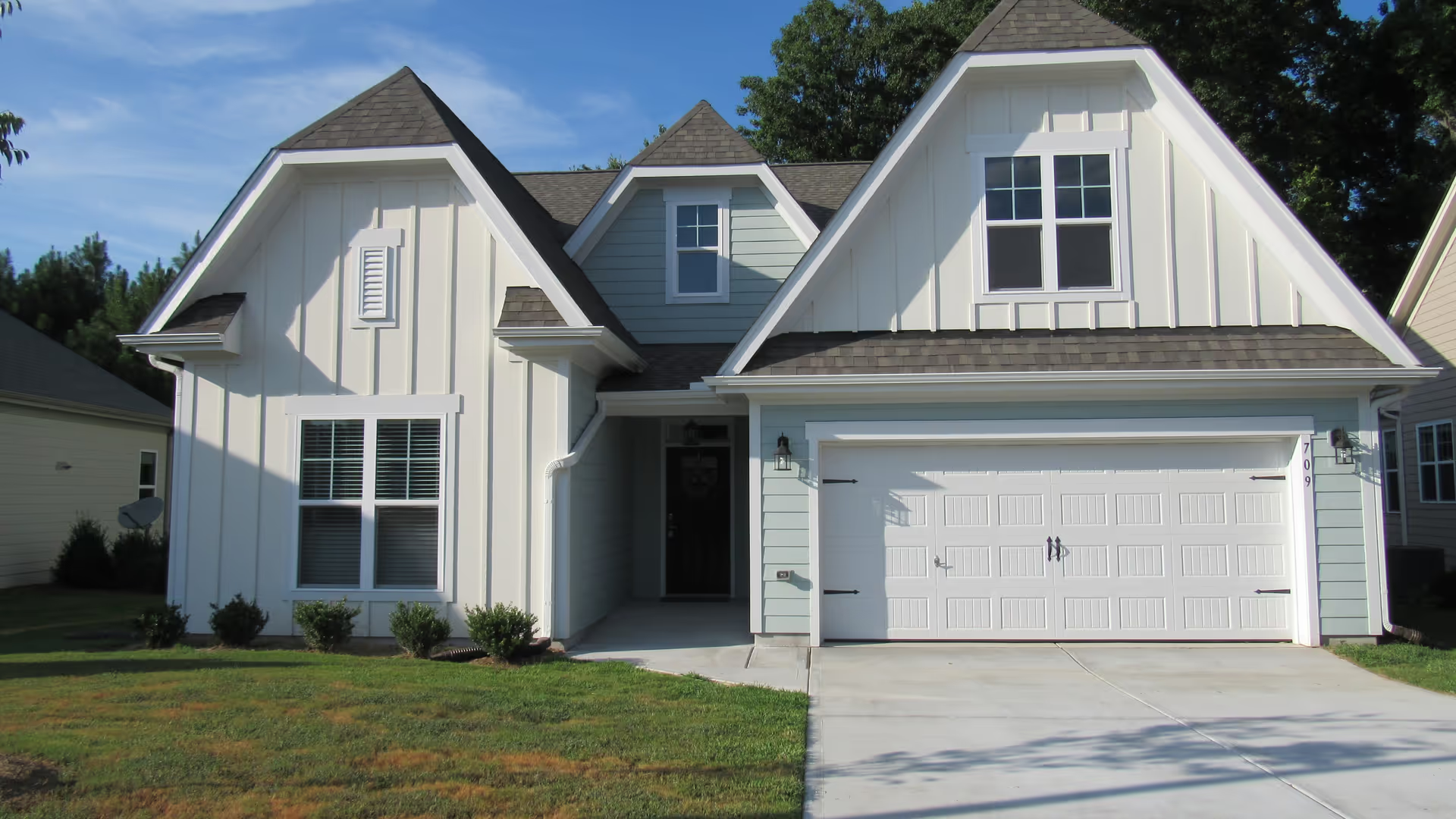
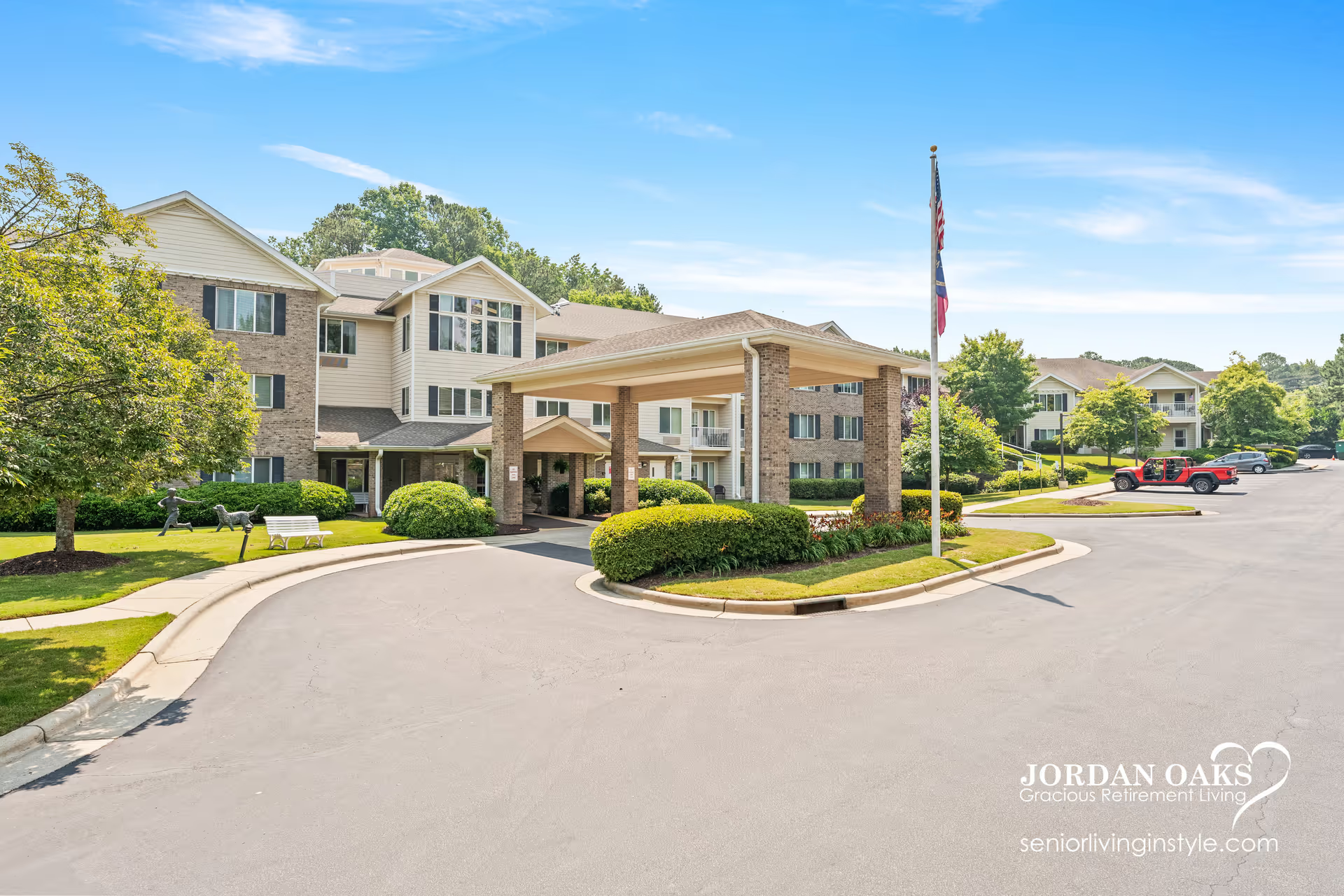
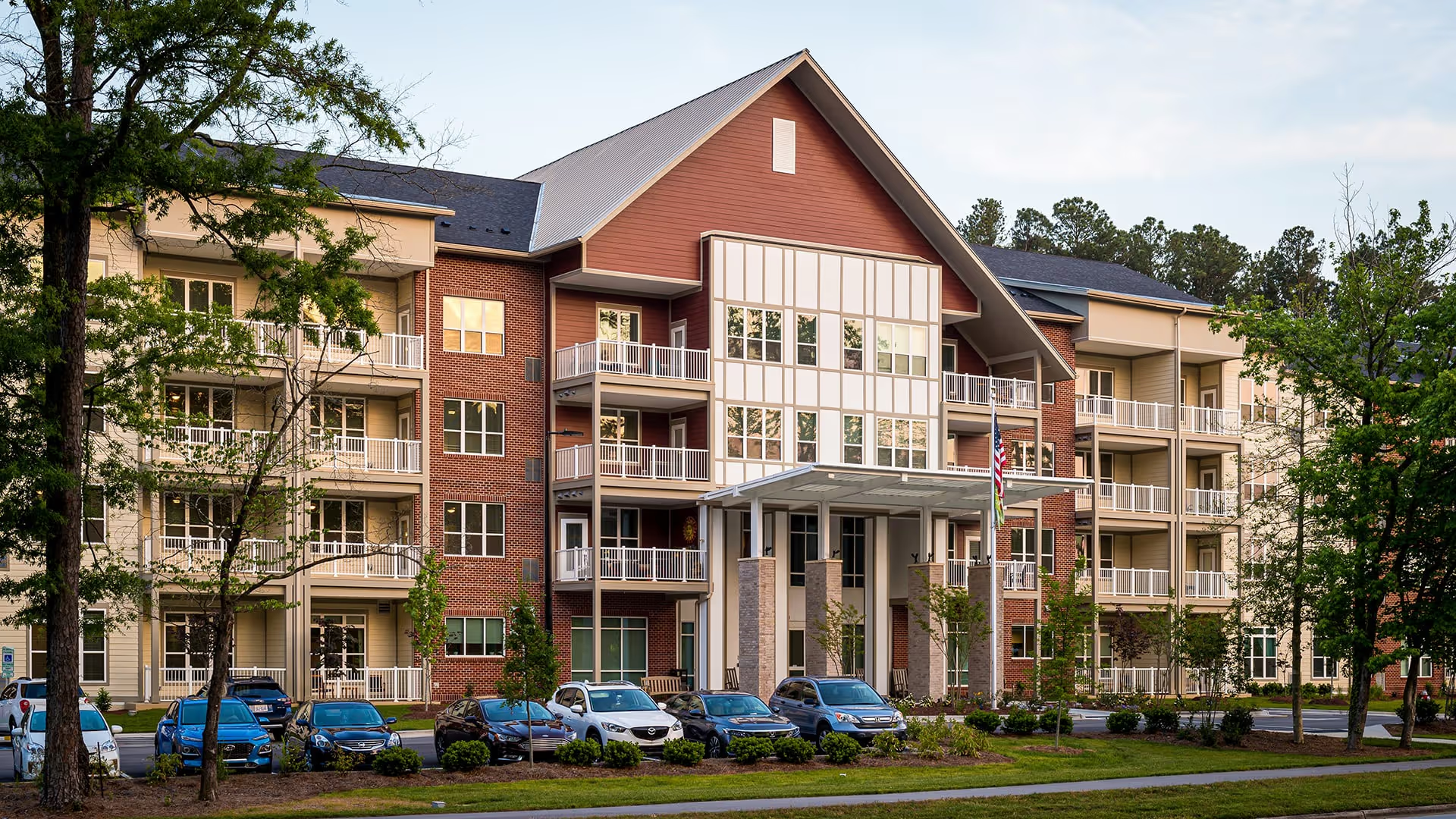
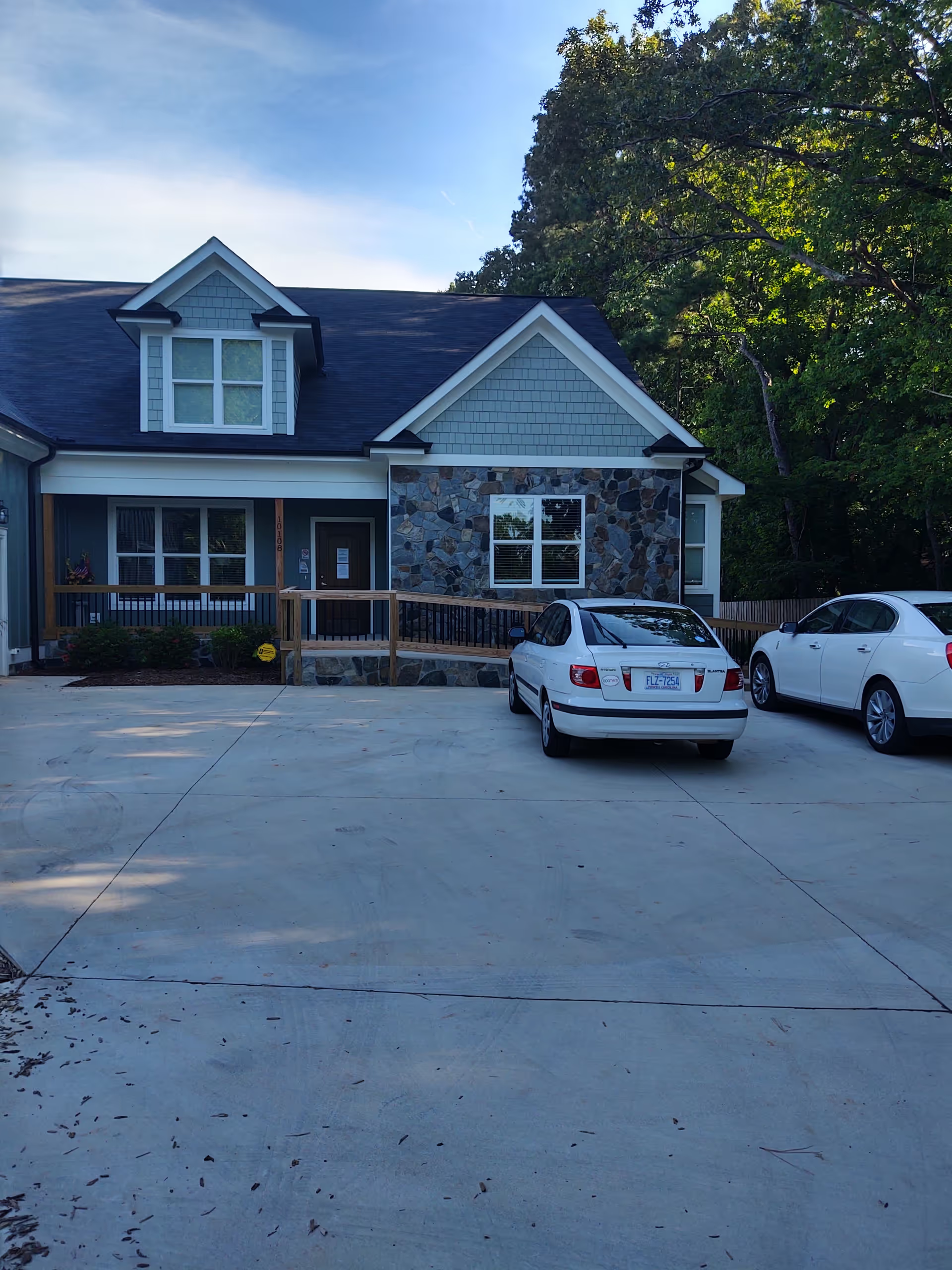
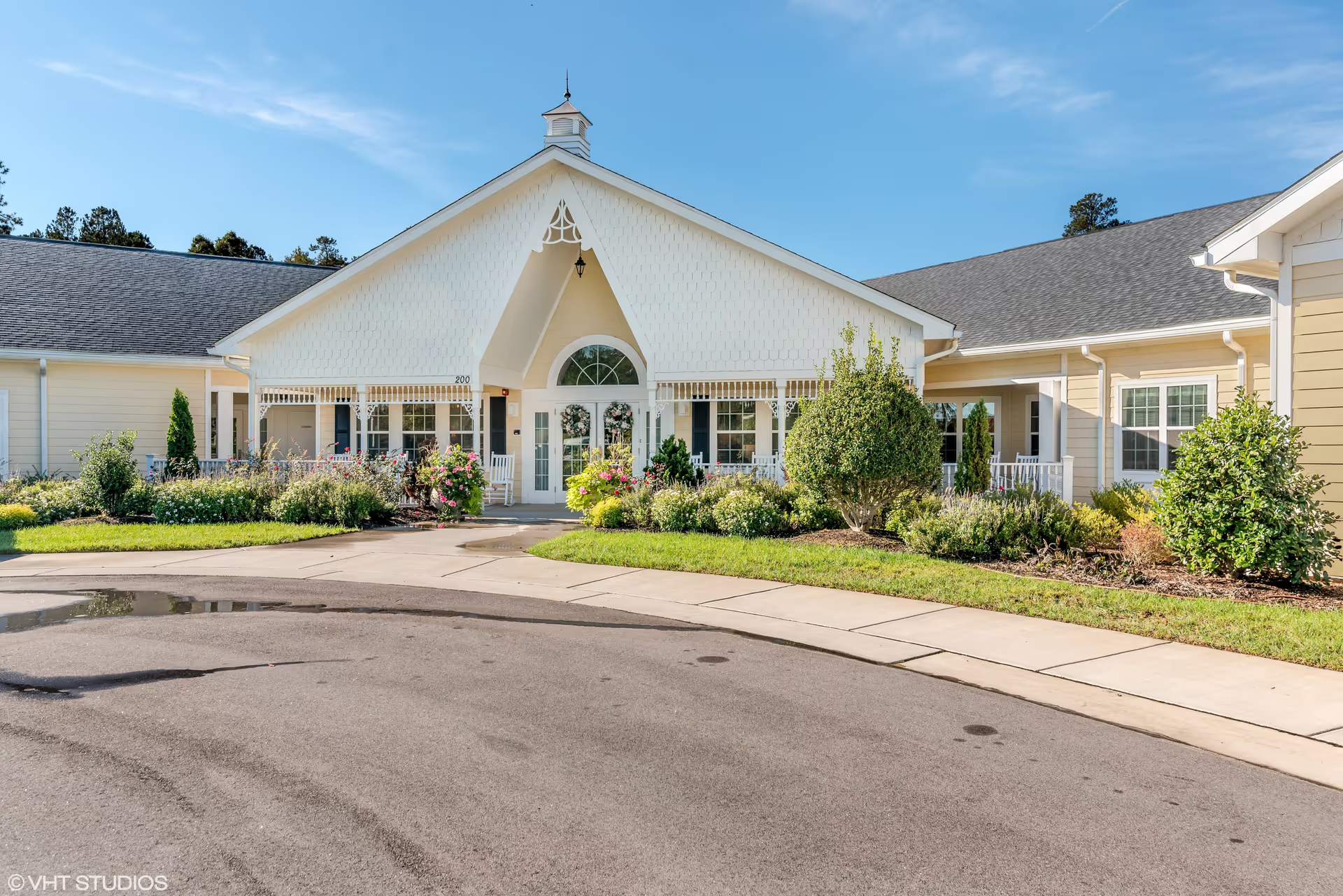
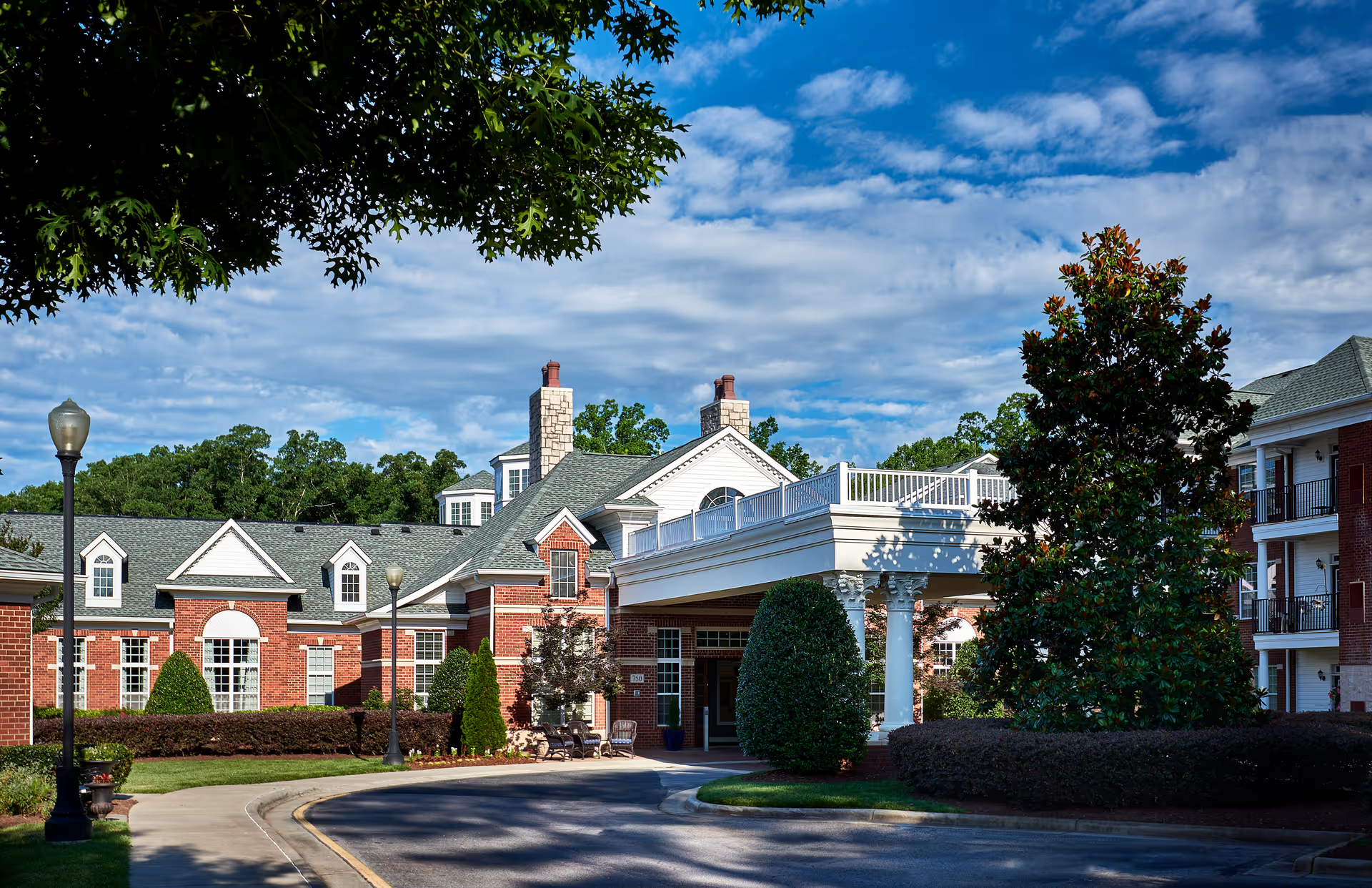
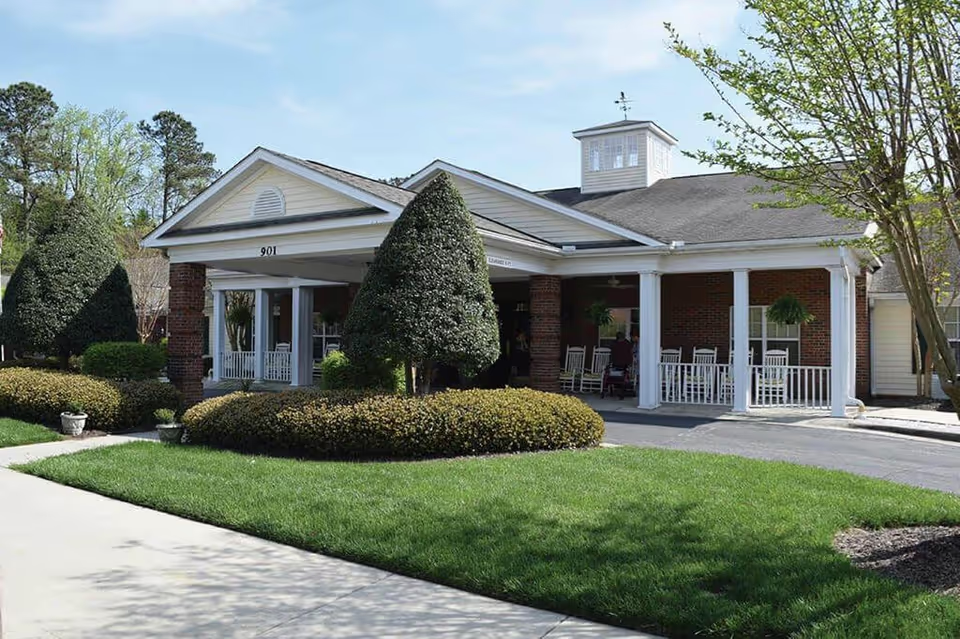
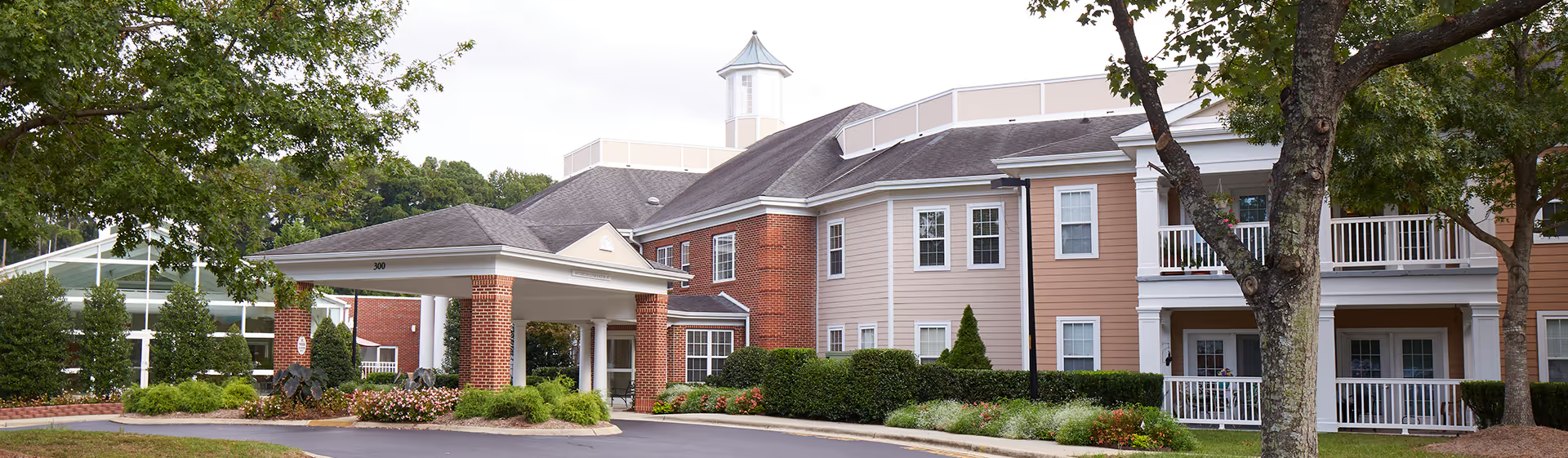
Reviews describe a facility with clear strengths at the direct-care level alongside recurring operational weaknesses. Many families and residents praise frontline caregivers as compassionate, attentive, and engaged — staff who create a homey atmosphere, help residents socialize, and provide hands-on assistance. The building and communal spaces are frequently described as bright and well-maintained, with private and roomy accommodations, sunrooms, outdoor patios, comfortable parlors, and a restaurant-style dining area. Memory care and on-site therapy services are highlighted positively in multiple accounts, and several reviewers noted smooth admissions experiences and helpful tour staff.
Conversely, a pattern of operational concerns appears across reviews. Staffing instability — high turnover and understaffing — is repeatedly linked to inconsistent care, slow response times to call bells, and gaps in daily tasks. Medication-administration issues are a prominent concern, with examples suggesting inconsistent timing, dosing, and tracking; reviewers describe this as an area needing stronger clinical controls. Family–facility communication and complaint resolution also emerge as persistent weaknesses: delayed or incomplete notifications after incidents, slow responses from management, and difficulty obtaining medical records or billing clarity were reported.
Housekeeping and laundry processes were described as uneven, producing sanitation and linen-change concerns for some residents. Dining receives mixed feedback: some reviewers appreciate the dining environment and occasional meals, while others describe inconsistent meal quality, heavy or hard-to-digest menu items, and an overreliance on snacks or off-site dining. Activity programming likewise varies by unit and over time — some families report active, engaging calendars, whereas others note periods with very limited offerings.
Management-level issues recur in several reviews. Multiple leadership transitions, administrative turnover, and perceived lack of transparency around contracts and fees have contributed to family frustration. There are also repeated mentions of gaps in safety management (falls, hallway hazards) and lapses in staff conduct oversight, including privacy and professionalism concerns that warrant attention. A small number of reviews raise serious end-of-life and hospice-related concerns and describe challenging post-incident communications; these accounts underscore the need for strengthened clinical governance and family engagement protocols.
Overall, prospective residents and families will find strengths in the facility’s environment, therapy services, memory-care programming, and many dedicated direct-care staff. At the same time, operational reliability is uneven: medication safety, staffing stability, housekeeping, activity consistency, and management responsiveness are areas where quality appears variable and where targeted improvements would materially affect resident experience and family confidence.