Feedback about Blumenthal Health and Rehabilitation Center is polarized: many accounts praise the facility’s rehabilitation capabilities, therapy teams, and several individual caregivers, while other accounts describe operational shortcomings that affected safety, communication, and basic care. The strongest and most consistent positive theme is the therapy department — physical and occupational therapy staff are frequently credited with marked mobility and functional improvements, frequent therapy availability, and successful discharge-to-home outcomes. Multiple reviewers also highlighted compassionate nurses and CNAs, attractive outdoor spaces and private-room options, and a generally welcoming front-desk presence.
Staffing and clinical consistency emerge as the primary areas of concern. Review content identifies uneven staffing coverage, frequent use of agency staff, and turnover that can leave patients without familiar caregivers. These staffing issues are linked to delayed assistance for toileting and feeding, missed or late medication administrations, and slow responses to call buttons. There are also repeated concerns about medication-management practices and documentation, which families associate with clinical instability in a few serious cases. A subset of comments references improvement after leadership change, indicating variability in performance over time.
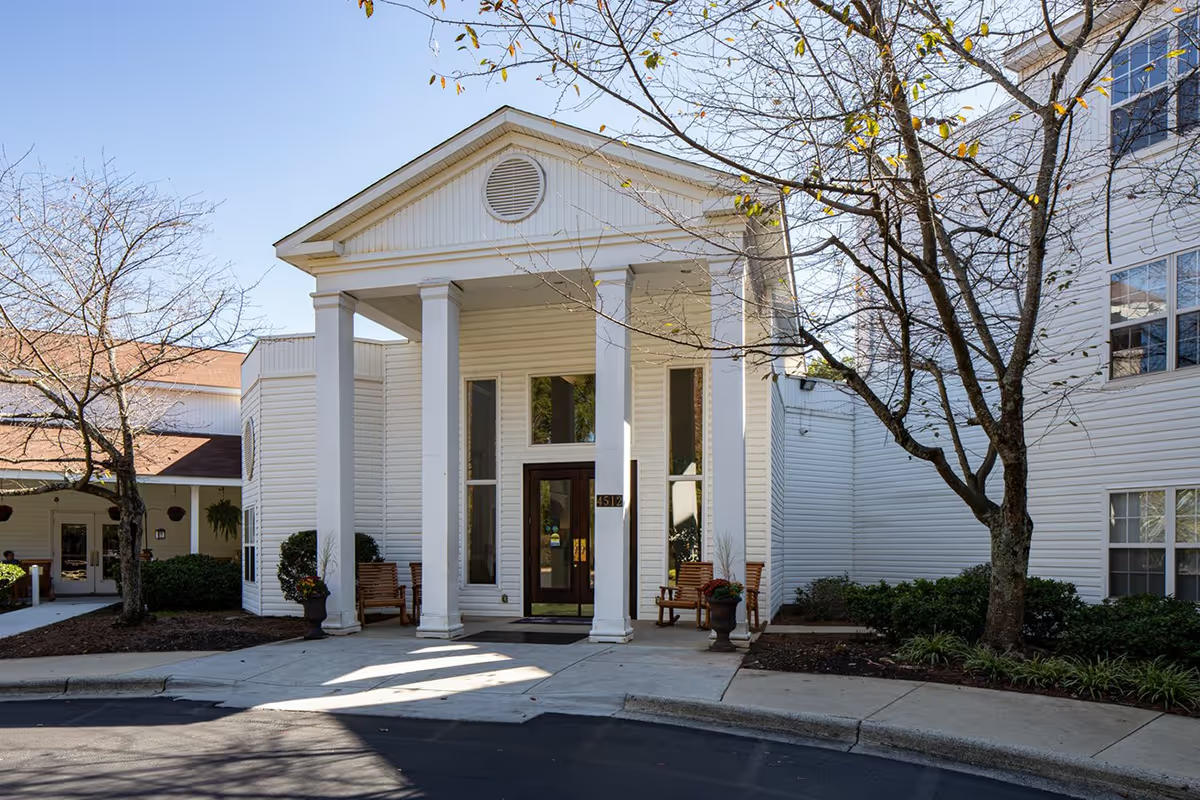
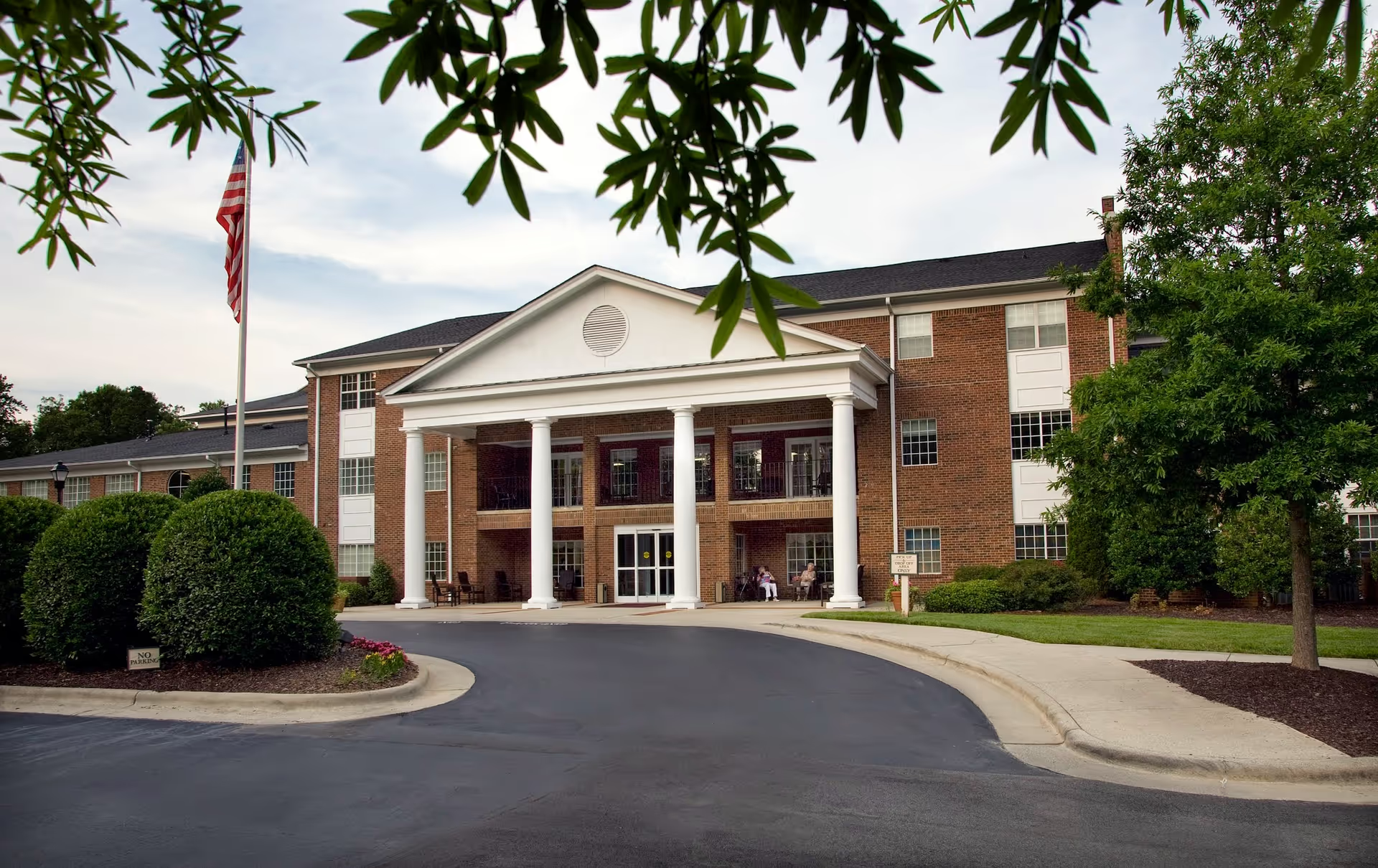
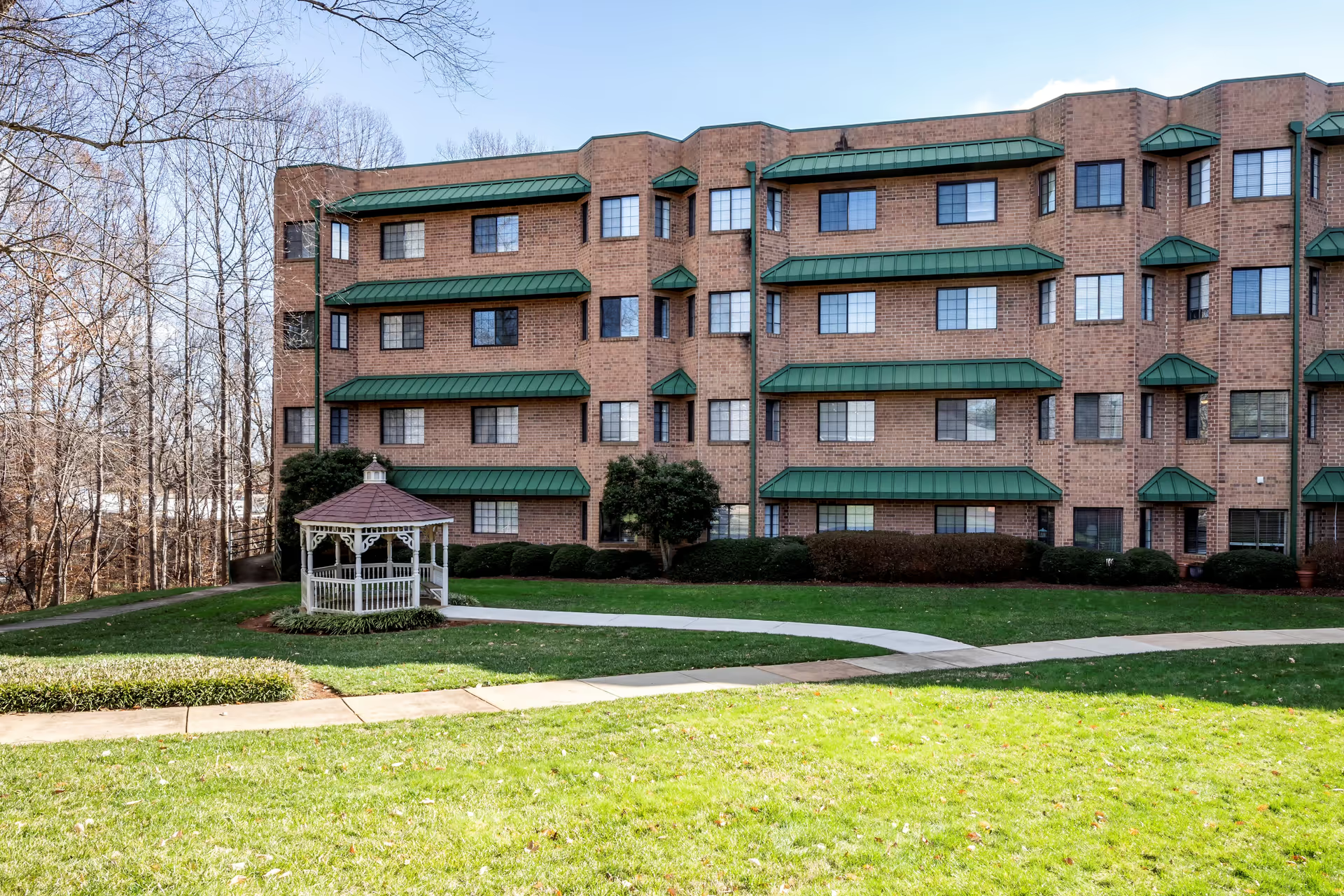
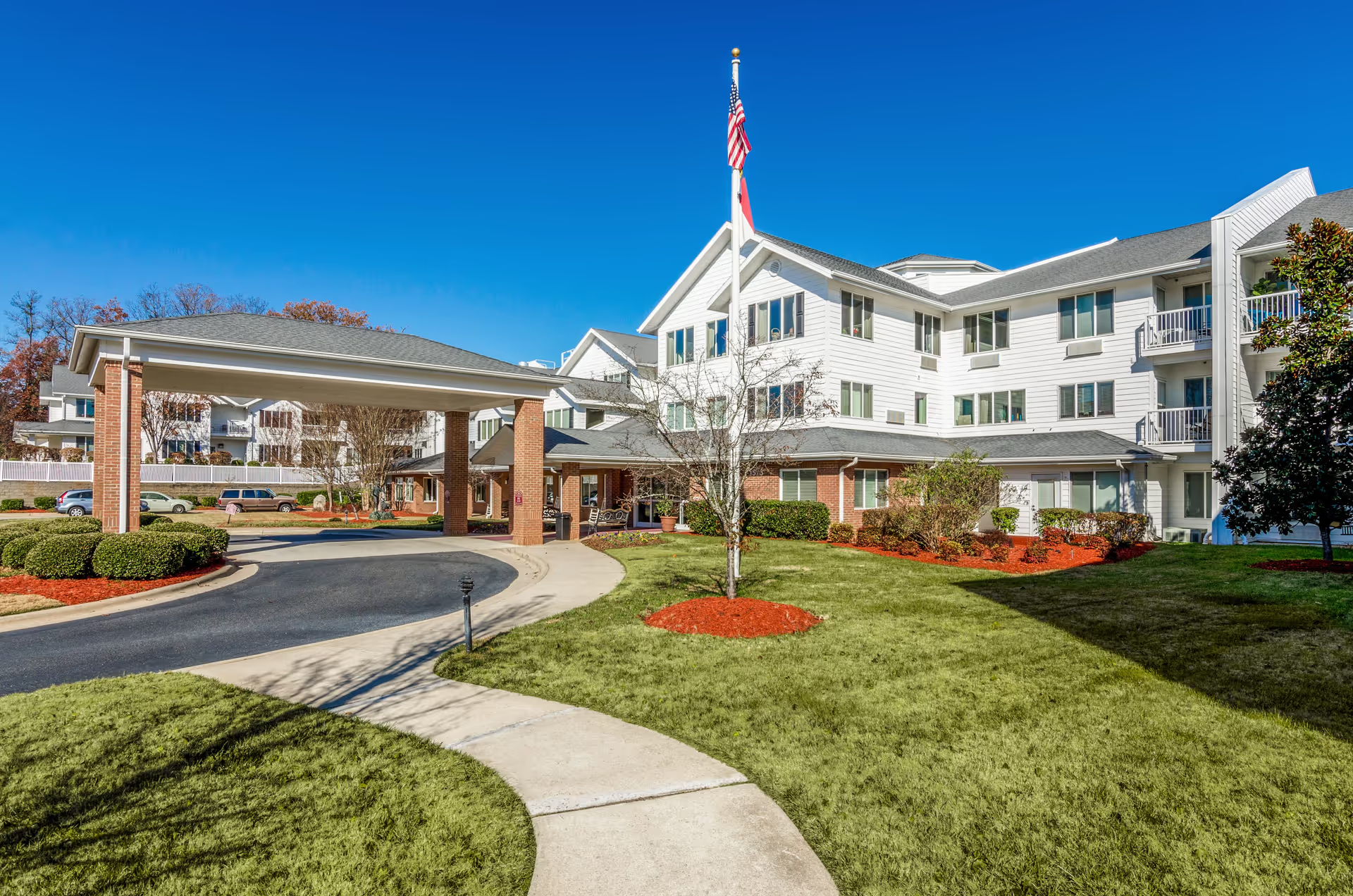
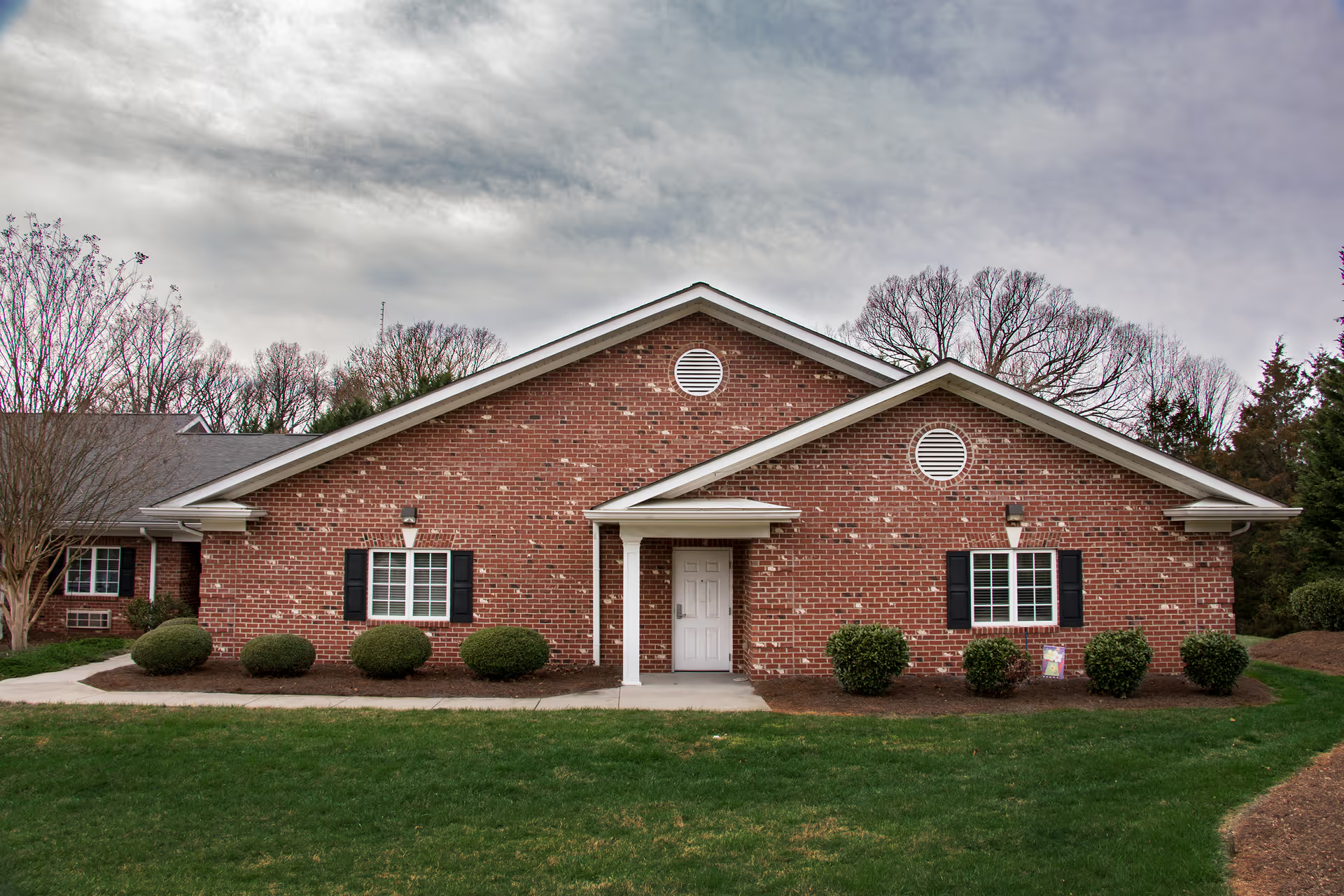
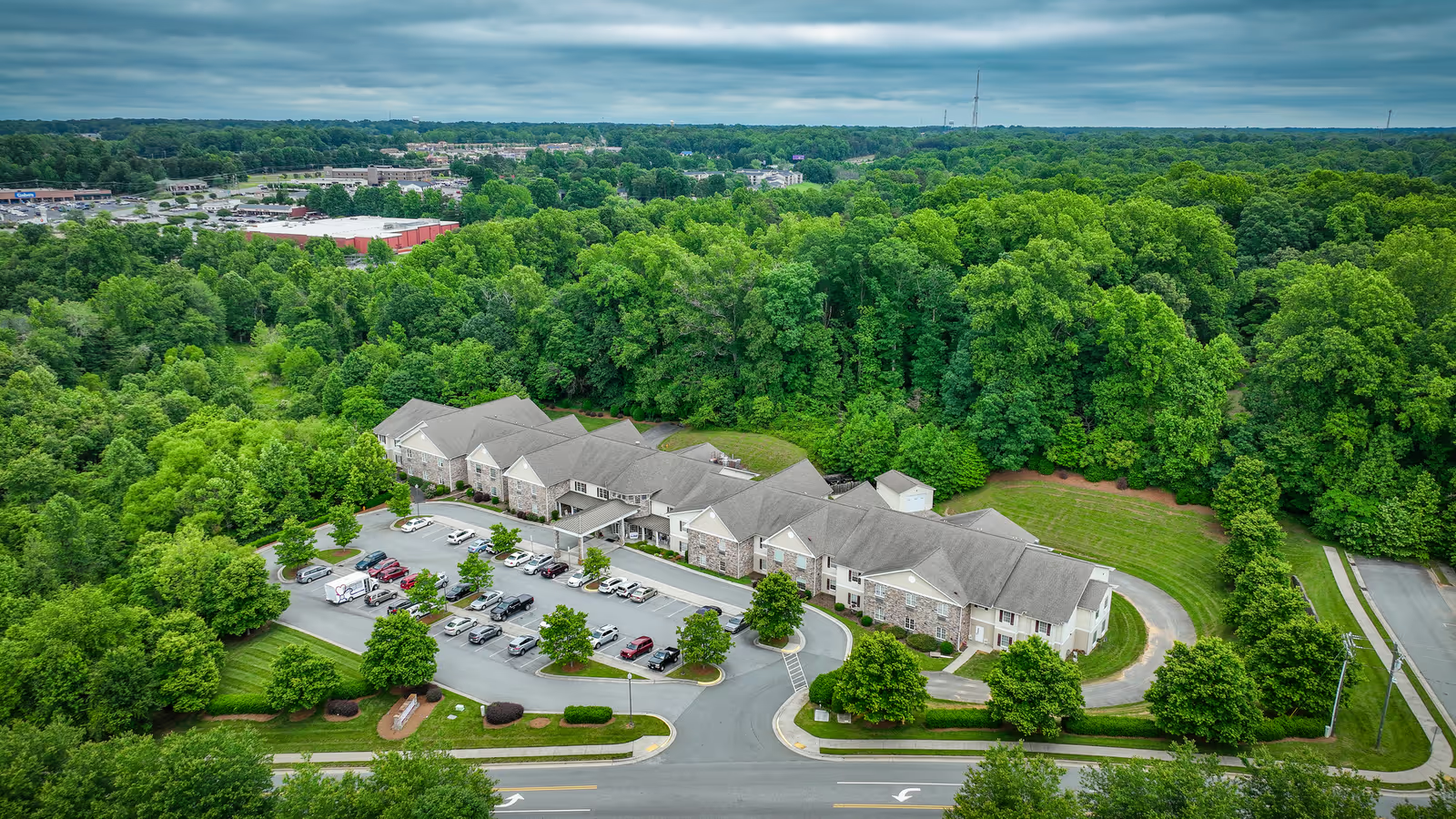
Dining, activities, and the physical environment present mixed impressions. Many residents and families report engaging programming (parties, outings, music, movies) and a generally pleasant campus with courtyards and private rooms. Food quality is described as very good by some (notably desserts and certain meals), but other accounts describe inconsistent meal timing, missed or delayed meals, and variable culinary satisfaction. The building’s aesthetics and cleanliness are praised in several descriptions, yet others describe maintenance and sanitation concerns in specific rooms or nursing stations, as well as aging fixtures and occasional odor concerns.
Management, communication, and administrative processes receive varied evaluations. Several families describe effective, timely coordination and meaningful improvements under newer leadership; conversely, other families report gaps in family notification about clinical events, delays in discharge planning and transport coordination, and problems with billing or insurance activation. These administrative inconsistencies can compound clinical worries when families are not promptly informed about hospital transfers or changes in condition.
Notable patterns to consider: safety practices around transfers and fall prevention and the supervision of agency or newly oriented staff are recurring operational weaknesses in the feedback. When staffing and communication are functioning well, residents tend to experience positive rehab outcomes and satisfying interactions. When those systems lapse, families report delays in basic care, inconsistent documentation, and poor follow-through on discharge and billing matters. Prospective residents and advocates may wish to confirm current staffing ratios, medication-administration protocols, visitation policies, billing procedures, and recent quality-improvement initiatives when evaluating the facility.