Brookdale Lawndale Park presents a mixed but informative picture for prospective residents and families. Many accounts praise the facility’s strengths: direct-care staff are frequently described as compassionate and attentive, the interior and common areas are generally clean and well maintained, and there is an active calendar of activities with outdoor courtyard and gardening spaces that support social engagement. The community offers a range of services — including rehabilitation/respite care, an on-site salon and podiatry, separate memory-care accommodations, and knowledgeable admissions staff — that contribute to a broadly positive social environment and perceived value for cost.
Care quality and clinical concerns are a recurring theme with varied experiences. Several families describe reliable, family-like caregiving and effective rehabilitation support, while others note inconsistent clinical oversight, delays in response to call systems, falls that required hospital evaluation, and gaps in individualized care planning. Medication-management issues are highlighted in multiple accounts, including coordination of pain medications and delays in medication adjustments. These concerns suggest variability in clinical processes and handoffs that families should probe during a tour.
Staffing and communication present a split impression. Many reviews commend frontline caregivers and praise particular staff or managers who provide above-and-beyond assistance, navigate financial questions, and support transitions. At the same time, there are repeated observations of staffing shortages, high turnover, and after-hours coverage limitations; families report slow follow-up from management, inconsistent night/weekend phone coverage, and uneven communication about changes in condition or billing. These patterns indicate that day-shift caregiving can be strong while managerial continuity and after-hours systems may be less reliable.
Dining and activities are generally strengths but show variability. The facility’s cafeteria-style meals, varied menus, and social dining are cited positively by numerous residents; snack availability and flexible options are also appreciated when available. Other accounts describe inconsistent meal quality, unusual menu pairings, and limited evening snacks. Activity programming is robust in many descriptions — with crafts, exercise, music, and outings — but engagement varies by unit; some families say the memory-care neighborhood and activity offerings are lively, while others find certain areas less proactive about resident engagement.
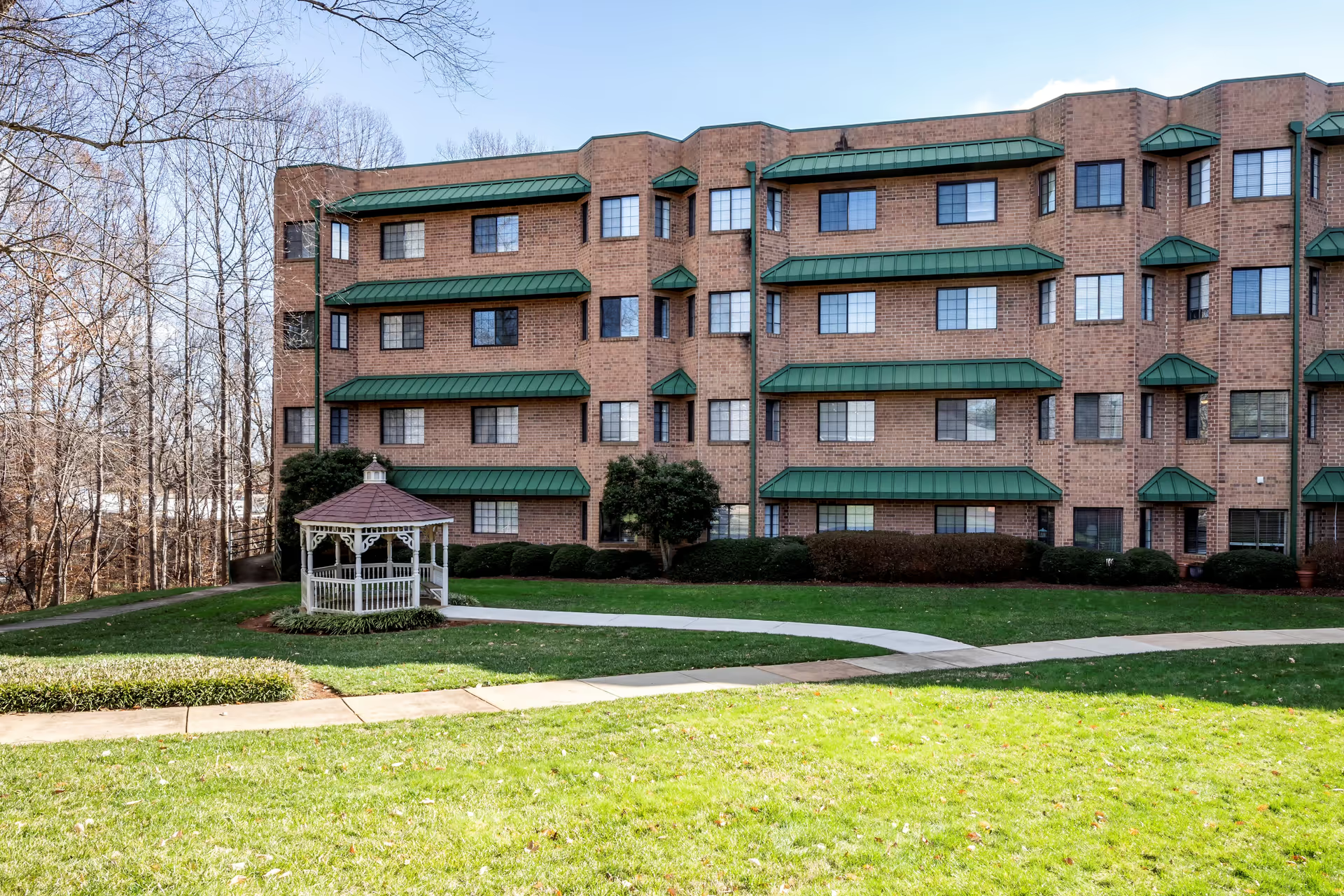
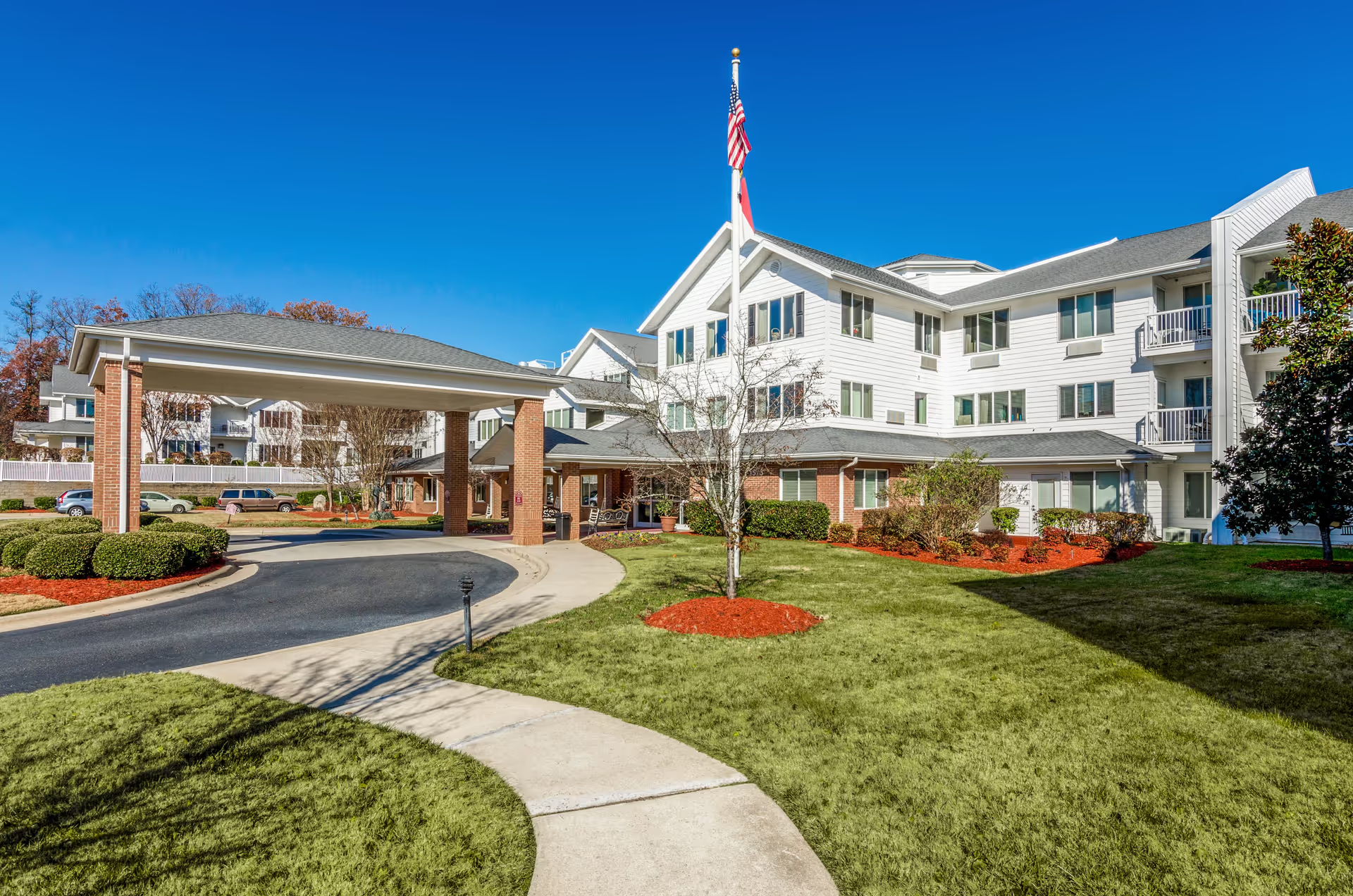
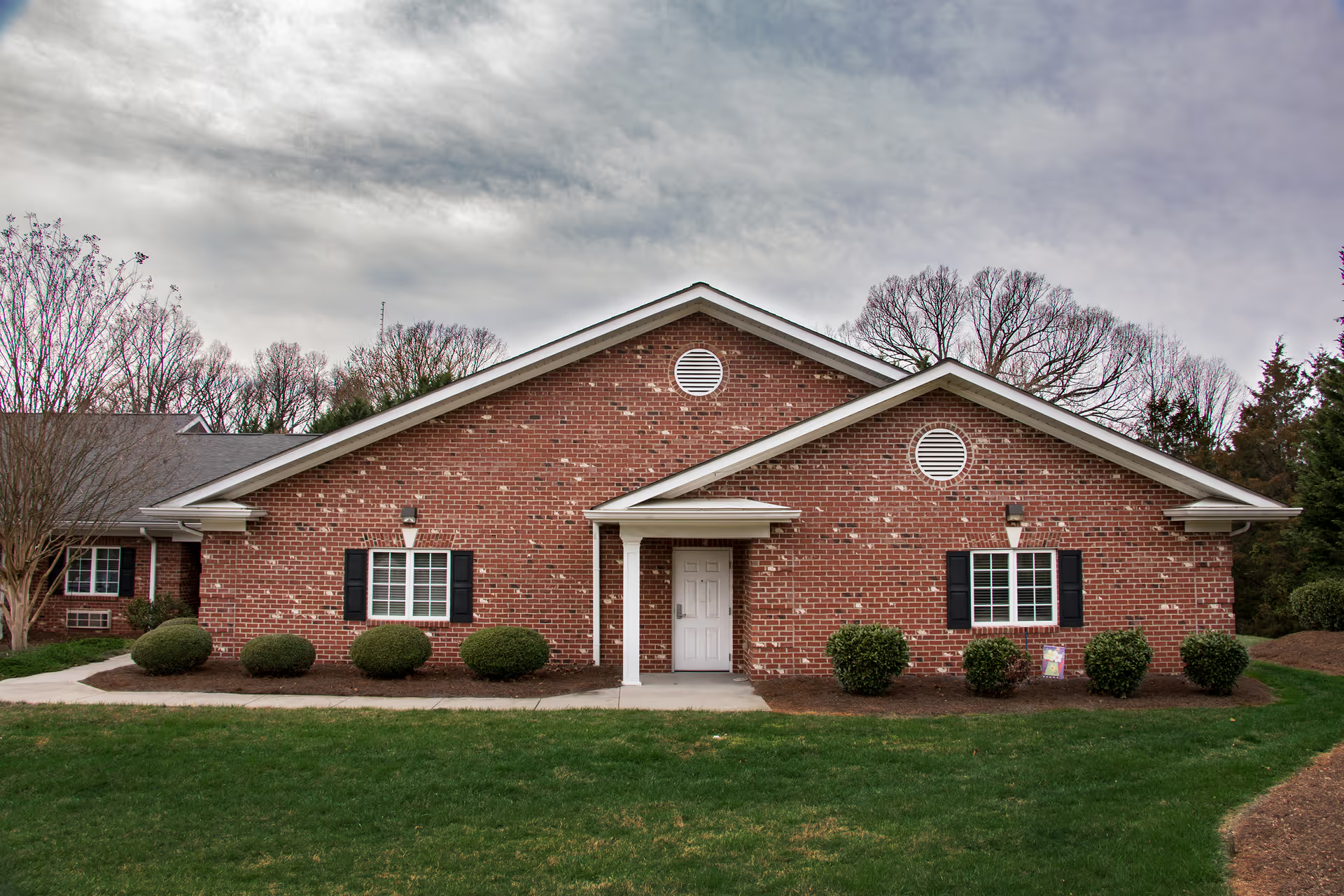
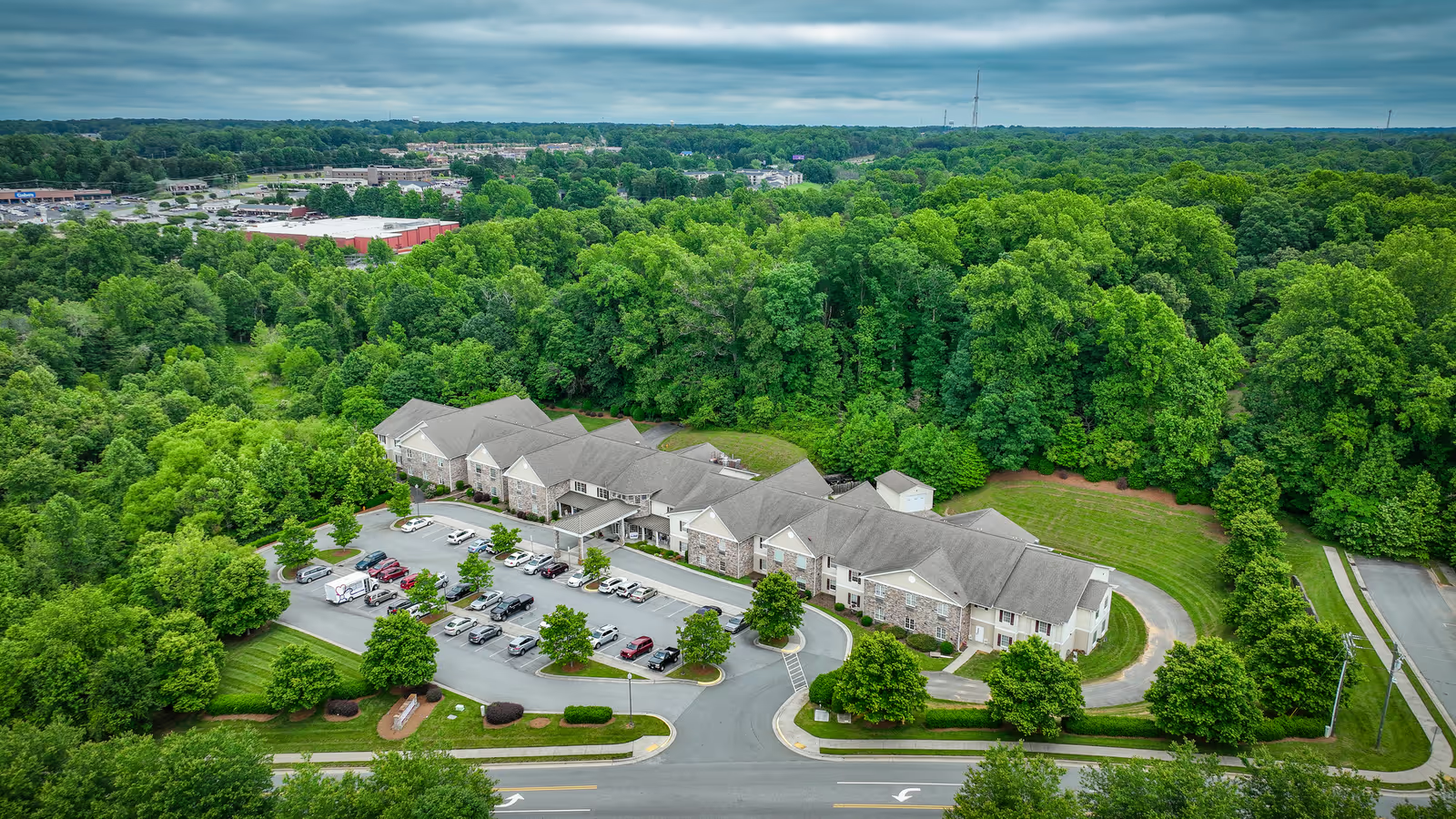
Facilities and safety considerations are similarly mixed. Interiors, dining rooms, and many resident rooms receive positive comments for cleanliness and upkeep, and ongoing renovations have improved appearance. The separate memory-care space and fenced outdoor areas are cited as beneficial. At the same time, some accounts note sanitation and odor-management inconsistencies in particular areas, smaller room sizes, limited in-room amenities (no refrigerator/microwave in some units), and concerns about security and access control including incidents of personal items missing or unsecured doors.
Management and transparency show a wide range of experiences. Several families report excellent, communicative managers and sales staff who assist with placement and financial navigation; others report organizational disarray, missed follow-through on promises, unexpected add-on charges, and unclear pricing practices. These contrasting perspectives suggest variable managerial performance over time or by shift. Prospective families should request clear written information on billing, after-hours contact procedures, staffing ratios, medication protocols, care-plan documentation, and security measures.
Notable patterns for decision-making: strengths include engaged caregiving staff, a clean and socially active environment, on-site services, and reasonable value options. Recurring operational weaknesses to investigate further are staffing consistency (especially nights/weekends), medication-management protocols, family communication practices, billing transparency, and security/access controls. An in-person visit that includes conversations with nursing leadership, a tour of memory-care rooms and common areas at different times of day, and review of written policies on medication administration, emergency response, staffing levels, and billing will help clarify whether the facility’s strengths align with a prospective resident’s needs.