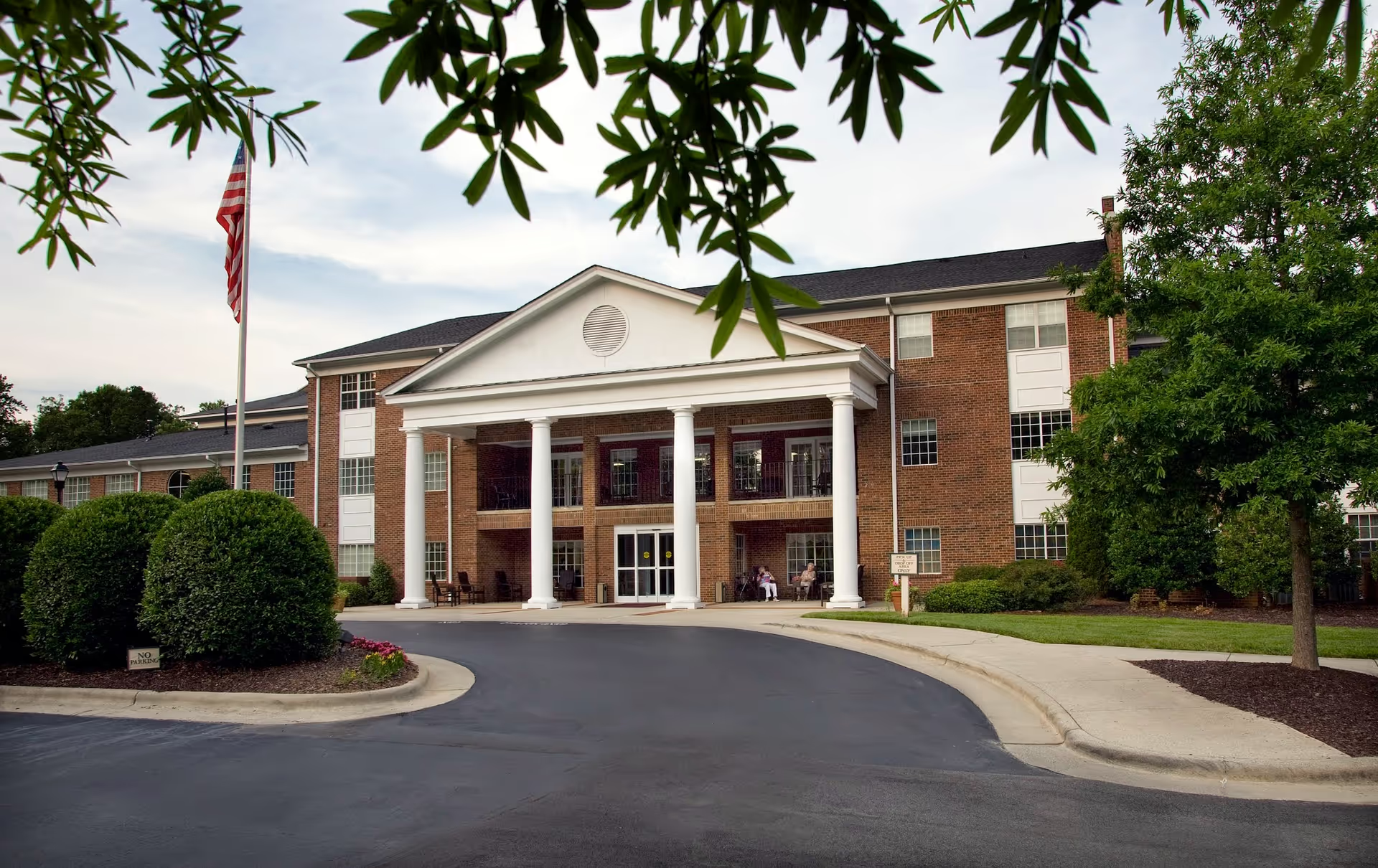
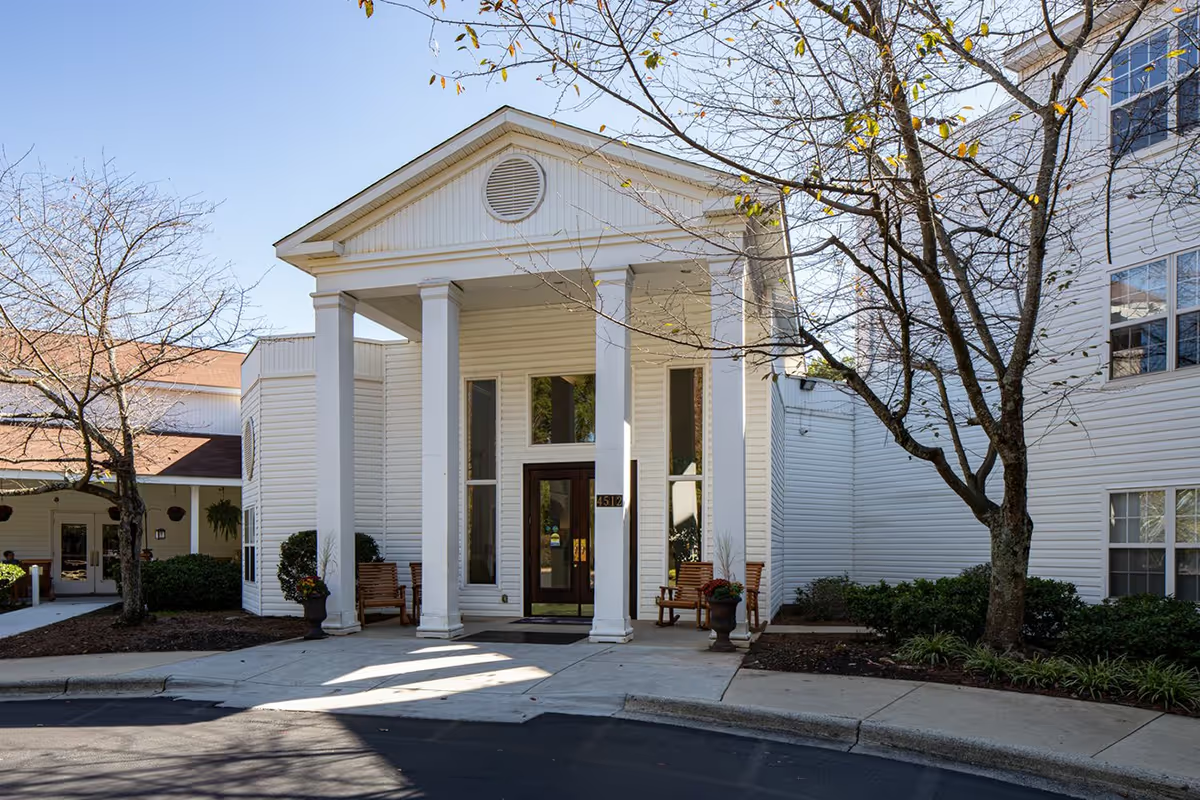
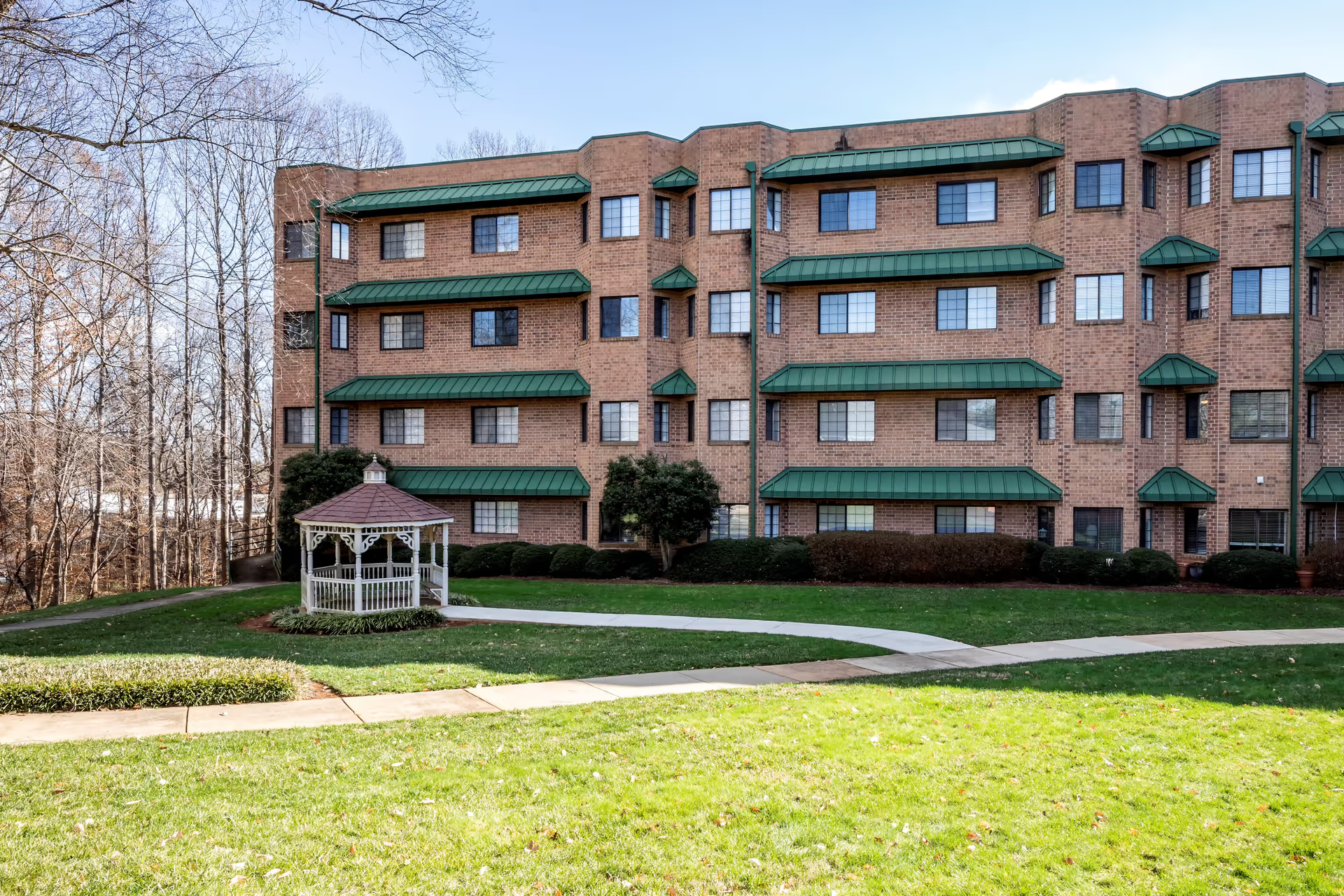
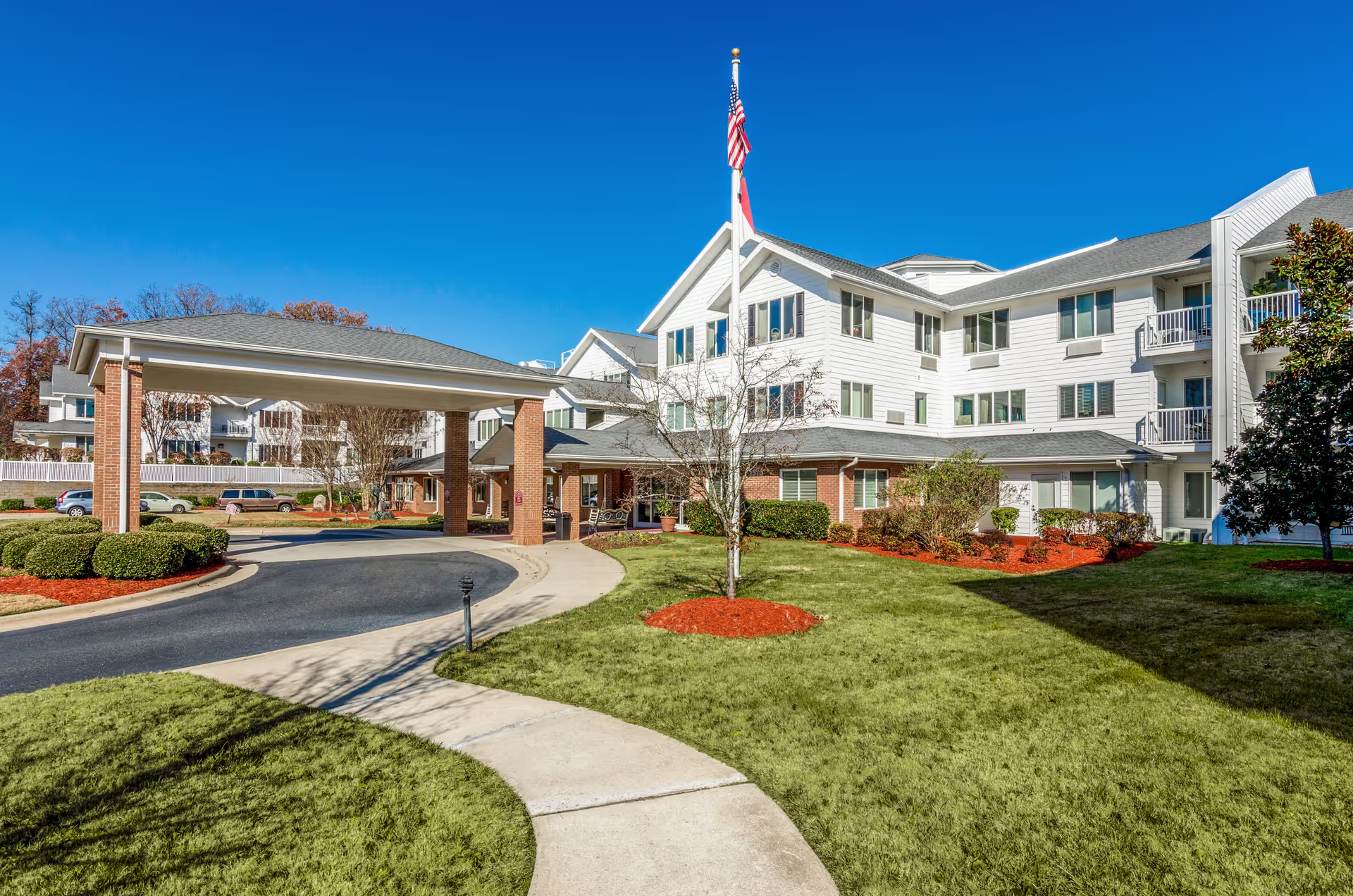
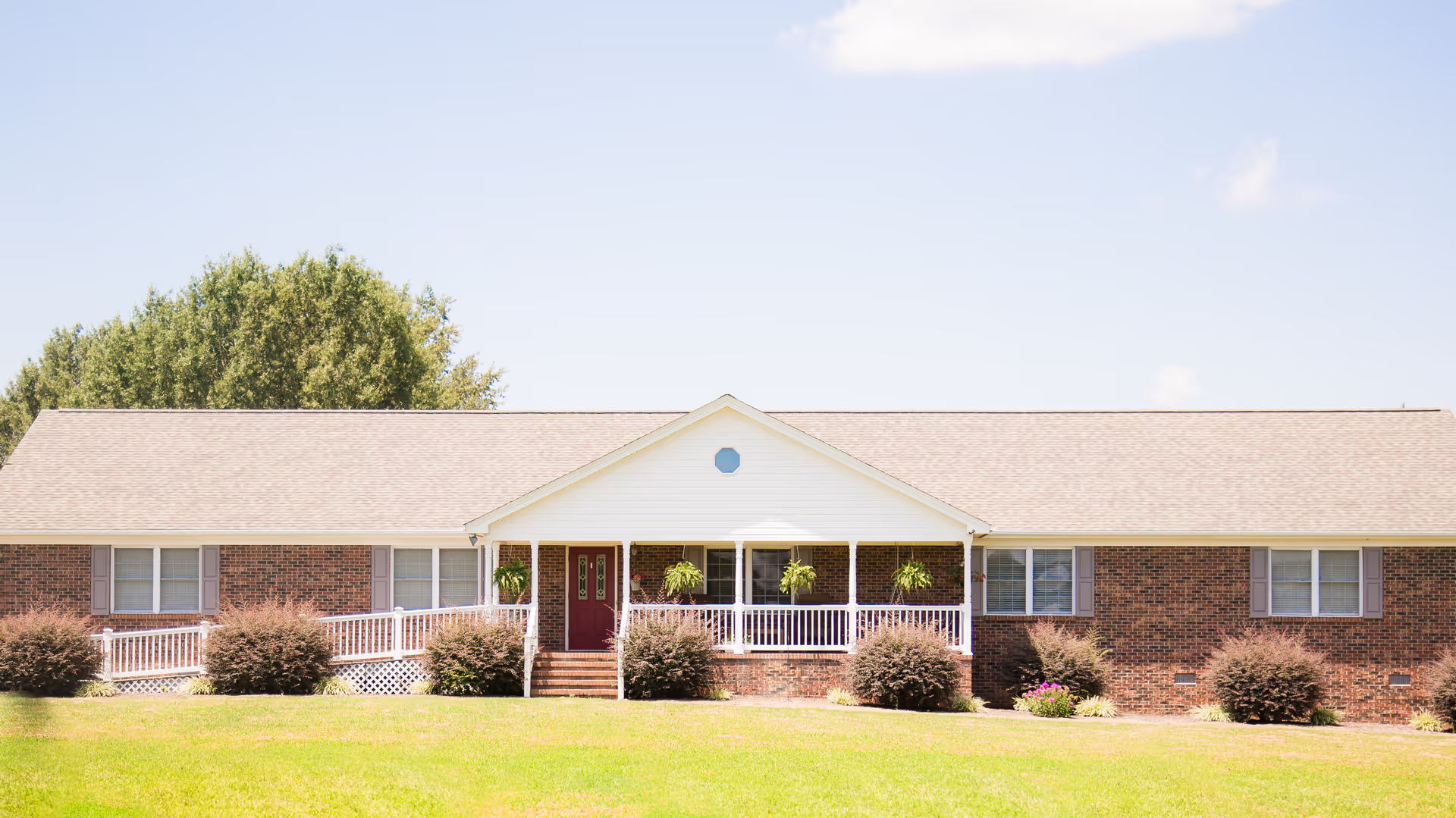
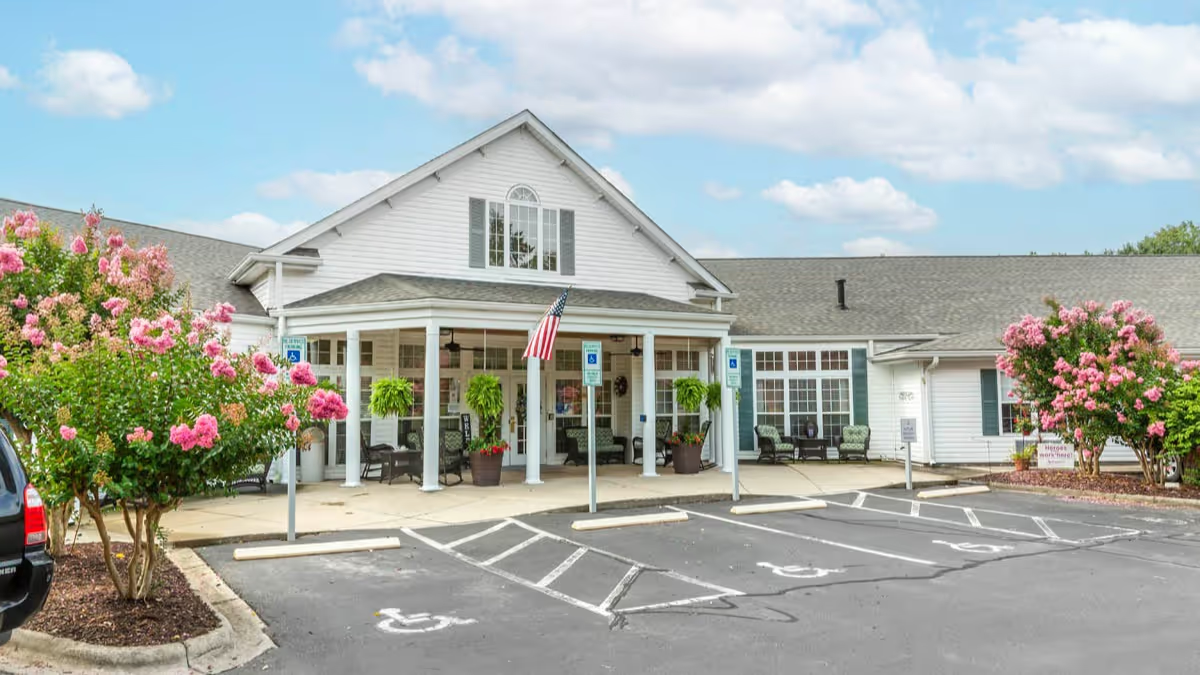
Carriage House presents a mixed but overall usable profile for many prospective residents. Its strongest and most consistent positives are the people and the physical environment: reviewers frequently describe staff as compassionate, welcoming, and informative, and many highlight excellent housekeeping, well-kept grounds, and attractive common spaces. The campus offers multiple shared areas (libraries, chapels, sunrooms), per-floor dining, and transportation services, which support a community-style living arrangement and easy access to outings and appointments.
Clinical care is a combination of meaningful strengths and operational inconsistencies. The community provides on-site medical services, weekly physician visits, and rehabilitation supports such as physical therapy; some families reported rapid medical response and seamless transitions. At the same time, a recurring operational concern is medication management and documentation: reviewers described missed medications, requirements for physician orders for over-the-counter products, and occasional delays in attending to resident needs. These describe process gaps rather than wholesale clinical failure, but they are important for families who require reliable, timely medication administration.
Staffing patterns produce both praise and variability. Many reviews single out individual caregivers, receptionists, and managers for exceptional compassion, individualized attention, and strong communication during admissions and transitions. Conversely, reviewers also reported intermittent understaffing, inconsistent professionalism across shifts, language or clarity barriers with some caregivers, and occasions when management tone or responsiveness was unsatisfactory. Turnover and shift-to-shift inconsistency appear to affect continuity of care and family communication in some instances.
Dining and activities are polarizing areas. Several families praise the restaurant-style dining, accommodating menus, and improved meal presentation; others describe variability in meal quality—especially dinner variety, visual appeal, and occasional cold or overly processed-feeling dishes. The calendar is full and includes bingo, music, exercise, seasonal parties, and off-campus trips. However, activity execution can be uneven: announcements may not always translate into active encouragement or high participation, and staffing gaps (for example, an absent activities director) can reduce program intensity. The community appears well suited for residents seeking a social but relatively quiet environment; it may be less appropriate for those needing highly active programming or consistent one-on-one engagement.
Facilities and logistics are generally positive but show variability by unit. Many reviewers note spacious, well-furnished rooms with private baths, good maintenance, and thoughtful amenities such as beauty/barber services and multiple dining rooms. Others mention smaller room sizes, dated furniture in some units, closet or fixture repairs, and occasional sanitation or laundry lapses. HVAC and room-temperature control problems were reported intermittently (e.g., hot or cold rooms, broken air conditioning), which can affect comfort until resolved. A few reviewers raised safety and access-control concerns (doors and sunroom locks), suggesting that process checks around secure exits may deserve attention.
Management and business practices draw mixed feedback. Several families commended transparent communication, proactive problem-solving, and above‑average follow-through; others described inconsistent follow-up on care-level changes, billing surprises, and concerns about pricing transparency. Prospective residents should clarify billing for care-level changes, overtime pricing, and policies for medication orders and activities staffing during the tour and in writing.
Overall, Carriage House offers many of the qualities families seek—compassionate staff, clean facilities, dining options, and planned activities—alongside operational areas to vet carefully. Key evaluation points for an in-person visit: observe staffing levels on different shifts, ask about medication administration protocols and documentation, review current activity staffing and participation, inspect HVAC and room conditions, and confirm billing/care-level adjustment policies in writing. These steps will help align expectations with the community’s strengths and the operational variability noted by reviewers.