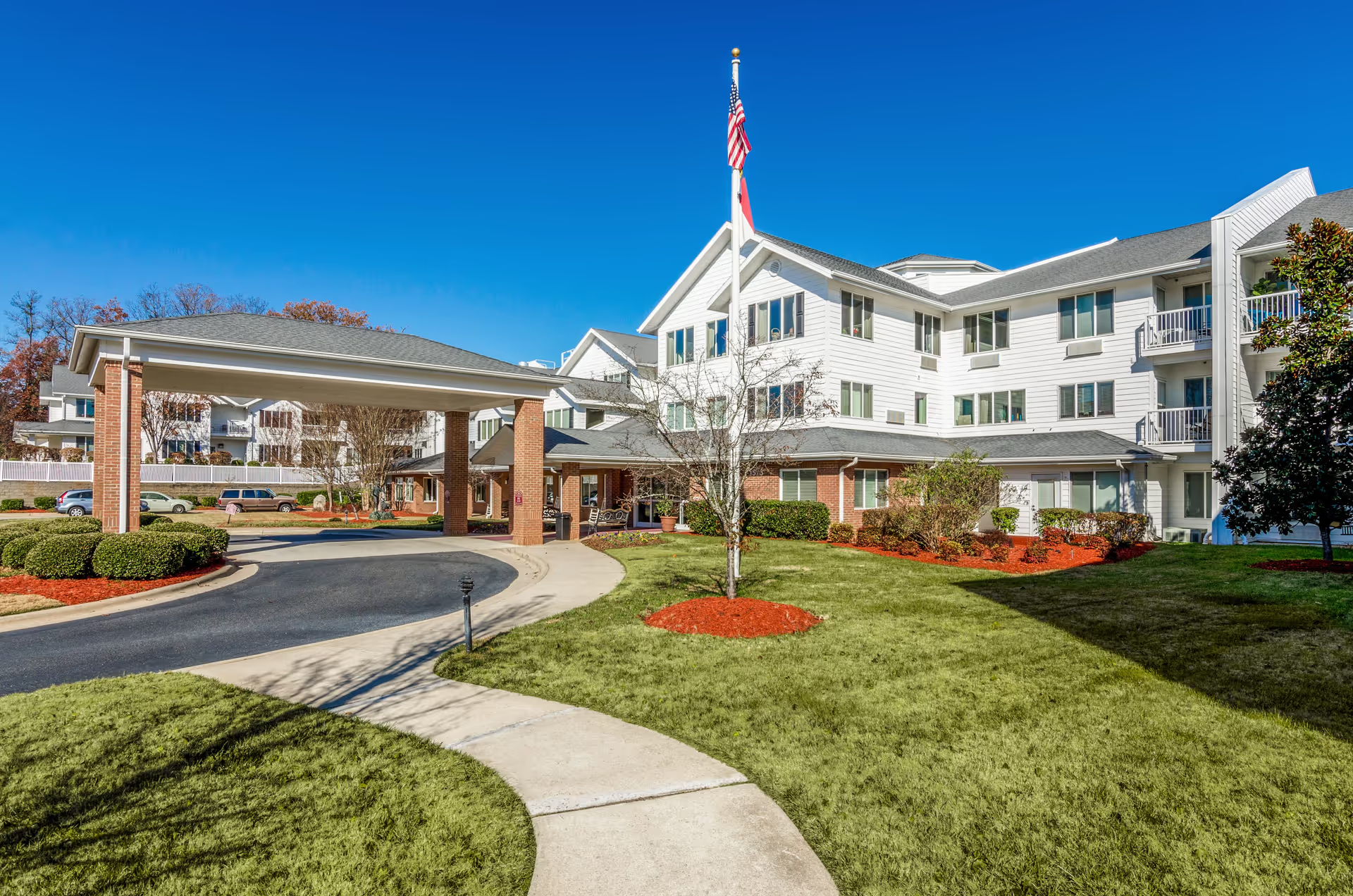
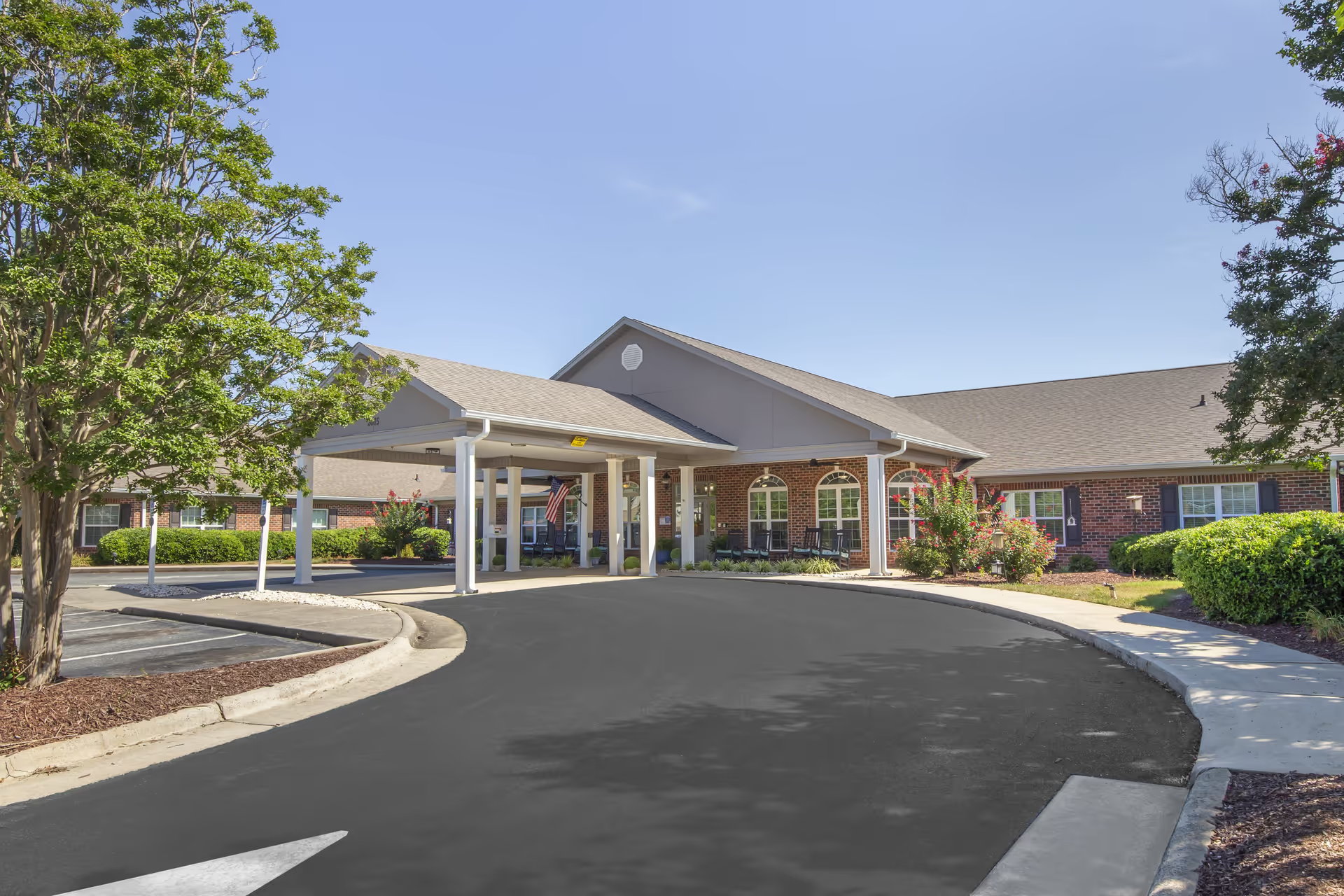
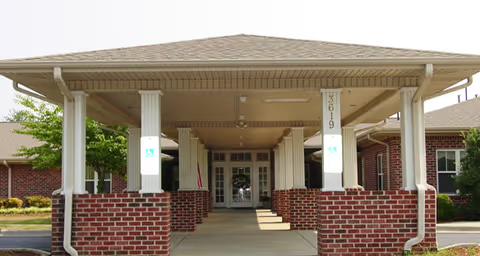
Reviews for Guilford Health Care Center present a mixed picture with clear strengths concentrated in the facility’s rehabilitation services and many recurring operational concerns. The facility receives frequent praise for its therapy teams — physical therapy, occupational therapy and speech-language pathology — and for wound-care expertise. Many families and short-term rehab patients described personalized therapy plans, a well-equipped therapy gym, and staff who are motivating and effective in returning patients home. Numerous individual staff members (nurses, CNAs, therapists and front‑desk personnel) were named positively and characterized as compassionate, attentive, and professional.
At the same time, there is a persistent pattern of concerns related to nursing-level care and operational consistency. Reviews indicate variability in staffing coverage (especially nights and weekends), delayed responses to call bells, and inconsistent nursing checks. Several accounts describe medication-administration and clinical-monitoring gaps that led to escalation of care and hospital transfer; these items point to weaknesses in medication processes and clinical escalation pathways rather than isolated administrative errors. Families commonly reported the need for an advocate to secure timely attention. Safety and fall-prevention processes were also questioned, with multiple references suggesting gaps in transfer and environment-safety practices.
Dining, housekeeping and activities show a bifurcated experience. Many reviewers praised the dining staff for friendly service, knowledge of resident preferences, and varied menu options — some even noted off-menu accommodations and appealing meals. Conversely, other families reported inconsistent meal delivery, trays left at bedside, diet noncompliance, and cold or small meals. Housekeeping and general cleanliness were described positively in large parts of the building, but several reviewers documented sanitation concerns and maintenance variability in specific rooms or units (including mold growth and cosmetic deterioration), indicating uneven facility-wide housekeeping and maintenance practices.
Activities and community engagement are commonly cited as strengths: the facility offers a range of social and spiritual programming, music, crafts, and volunteer involvement that contribute to resident socialization and morale. Management and administrative responsiveness elicited mixed feedback. Some reviewers commended a proactive case manager, accessible administrators, and visible leadership that enhanced coordination of care. Others identified gaps in follow-through, inconsistent family communication, and concerns about billing or payment-communication tone. A subset of reviews referenced very serious clinical outcomes and end-of-life concerns; these descriptions suggest a need for careful review of clinical protocols and family communication following severe incidents.
In summary, Guilford Health Care Center appears to provide strong rehabilitation and therapy services with many compassionate individual caregivers and an engaging program of activities. However, prospective residents and families should weigh these strengths against recurring operational issues: inconsistent nursing responsiveness, concerns about medication and clinical monitoring processes, variability in sanitation and maintenance, intermittent meal-service and diet-compliance problems, and occasional breakdowns in communication and billing practices. Families considering placement may want to ask specific, current questions about nursing staffing levels (including weekend/night coverage), medication-safety protocols, fall‑prevention procedures, kitchen dietary processes, maintenance schedules, and the facility’s incident‑reporting and family-notification practices. Having an identified family advocate or care coordinator is advisable to help ensure timely responses and continuity of care.