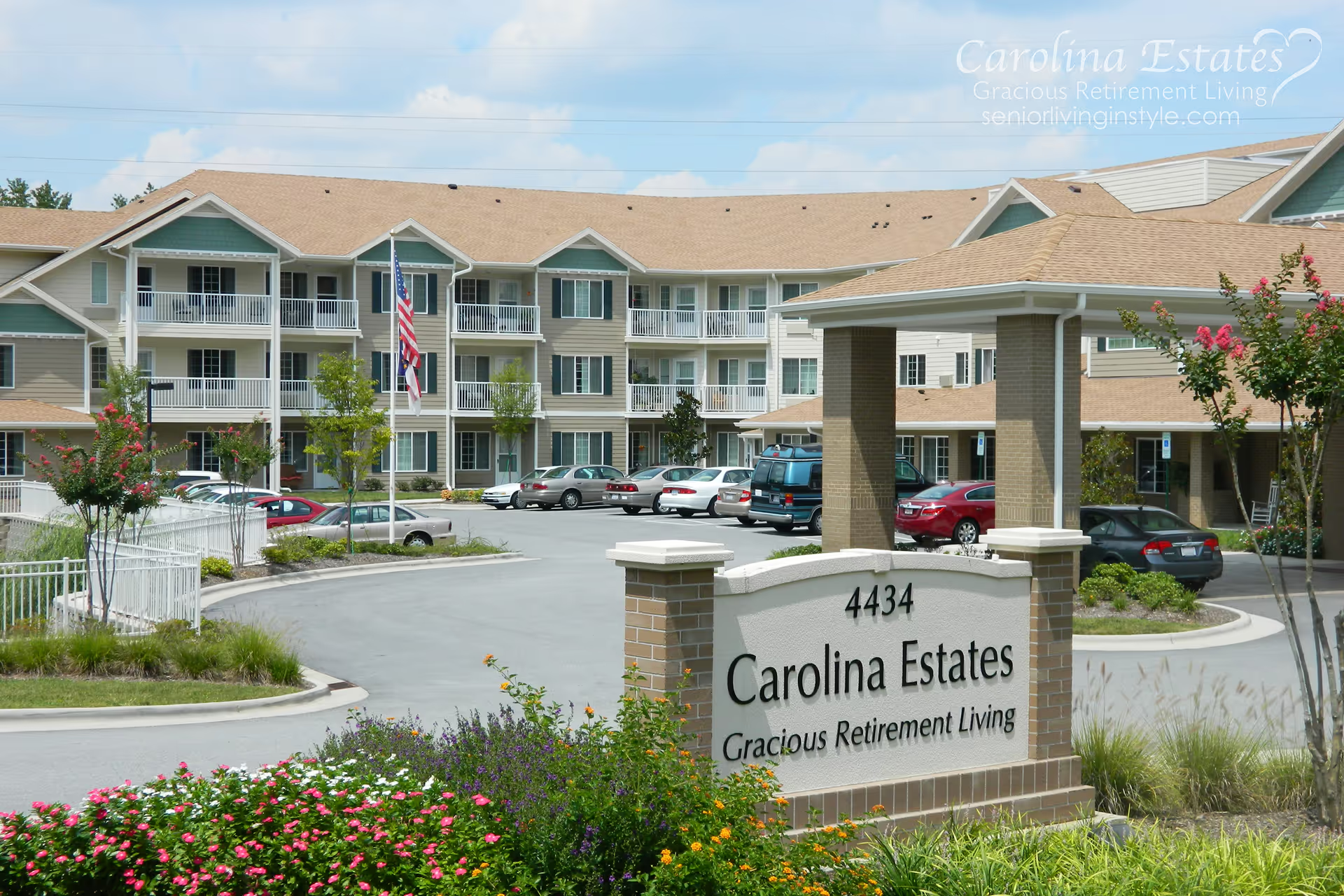
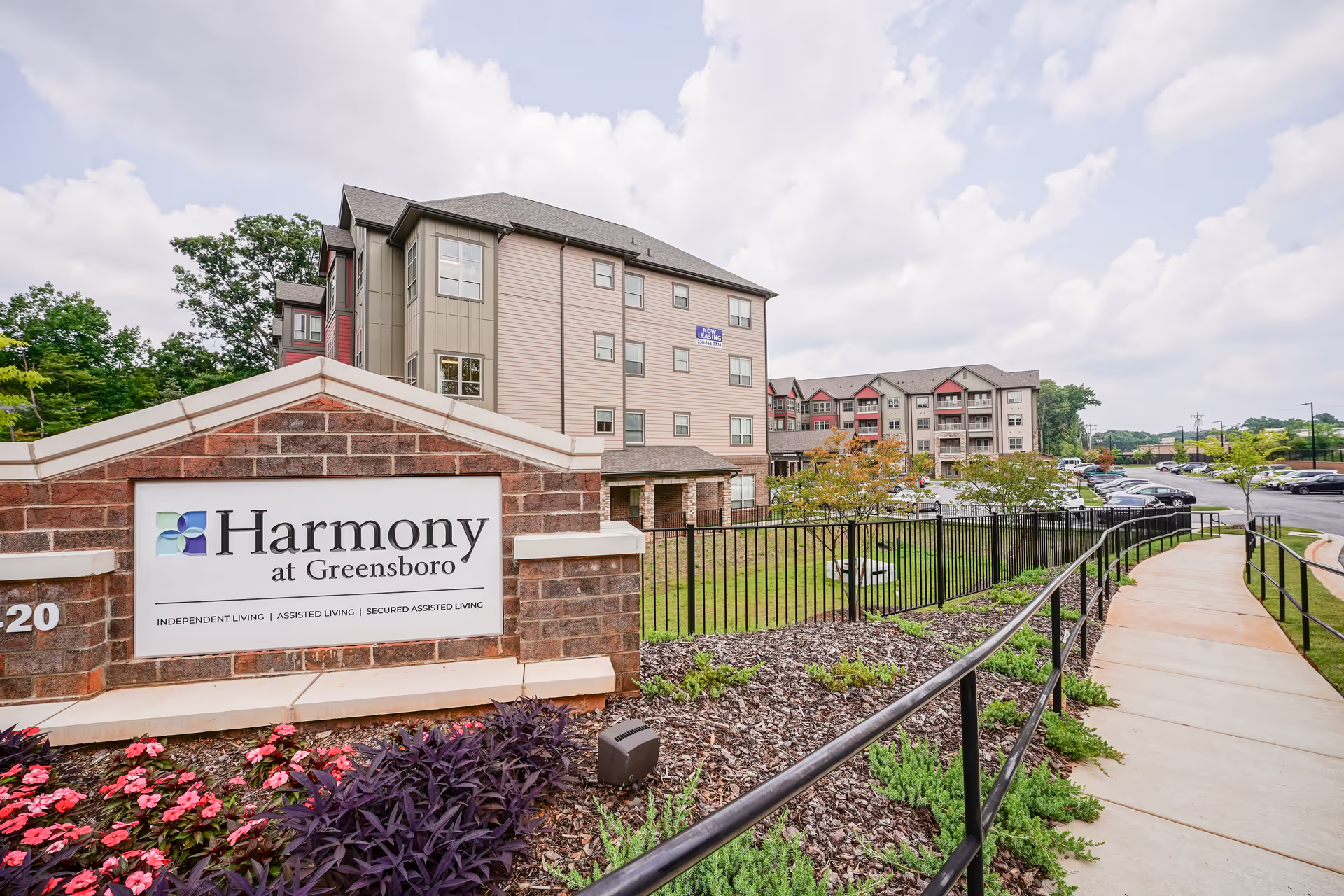
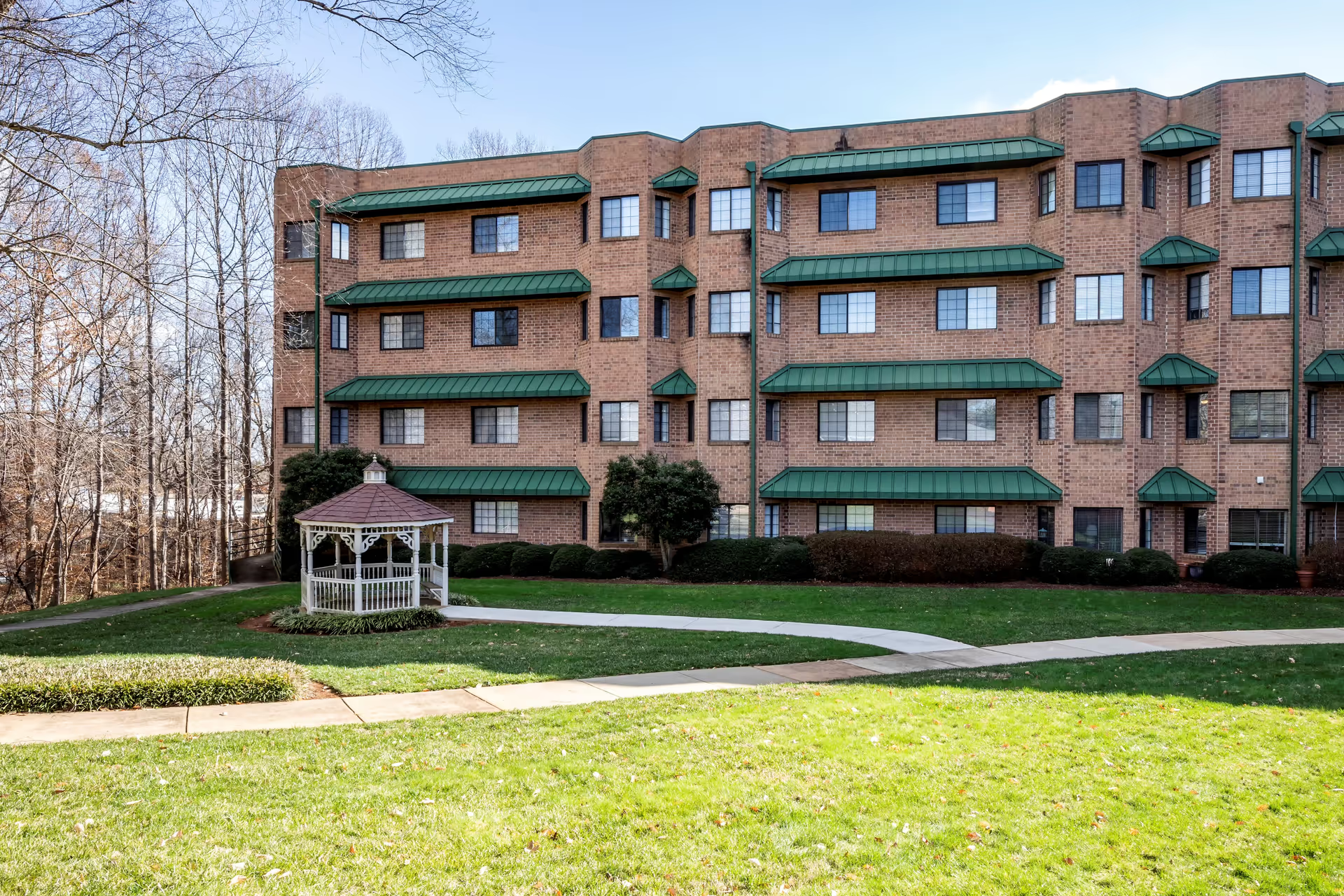
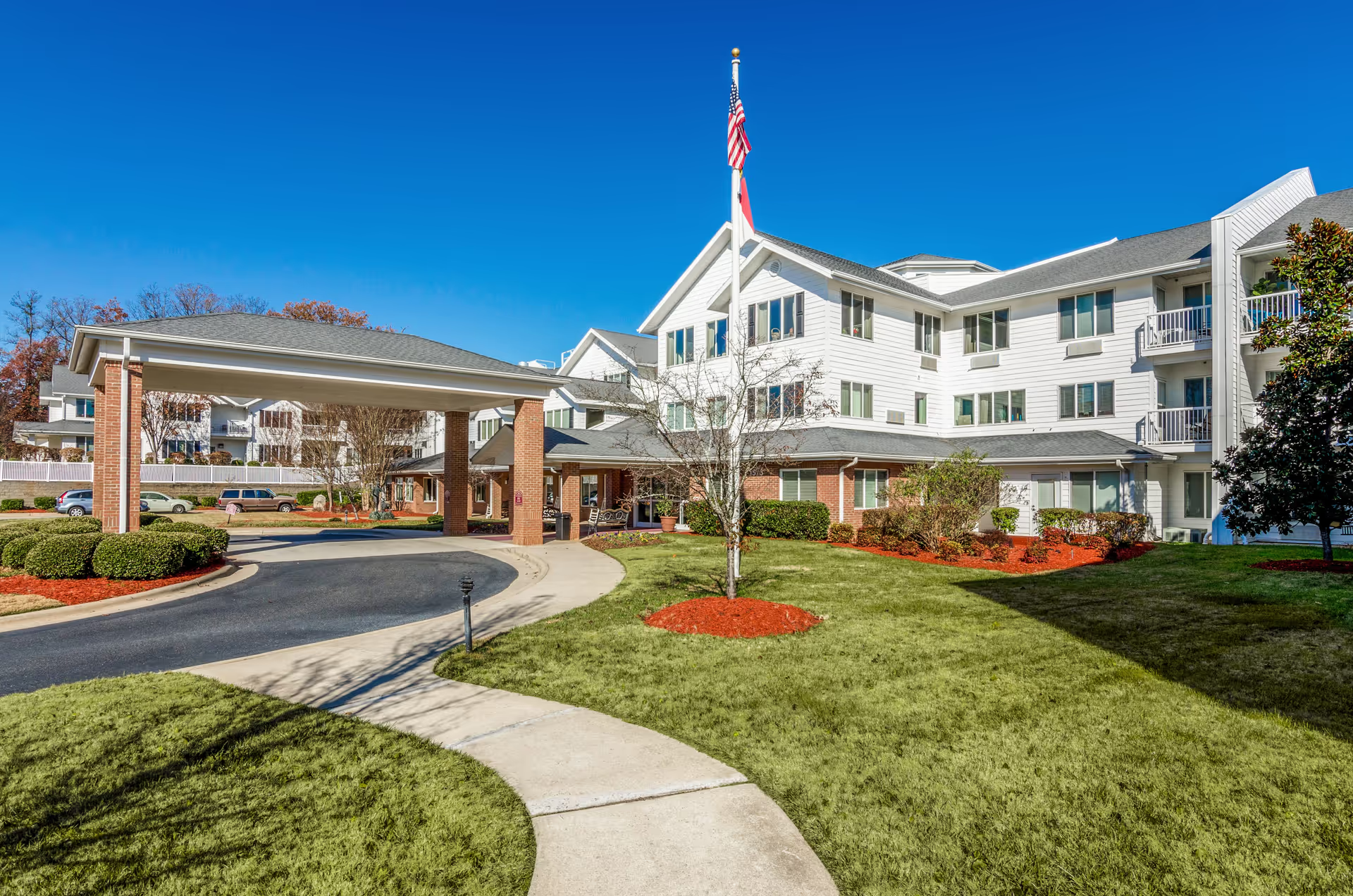
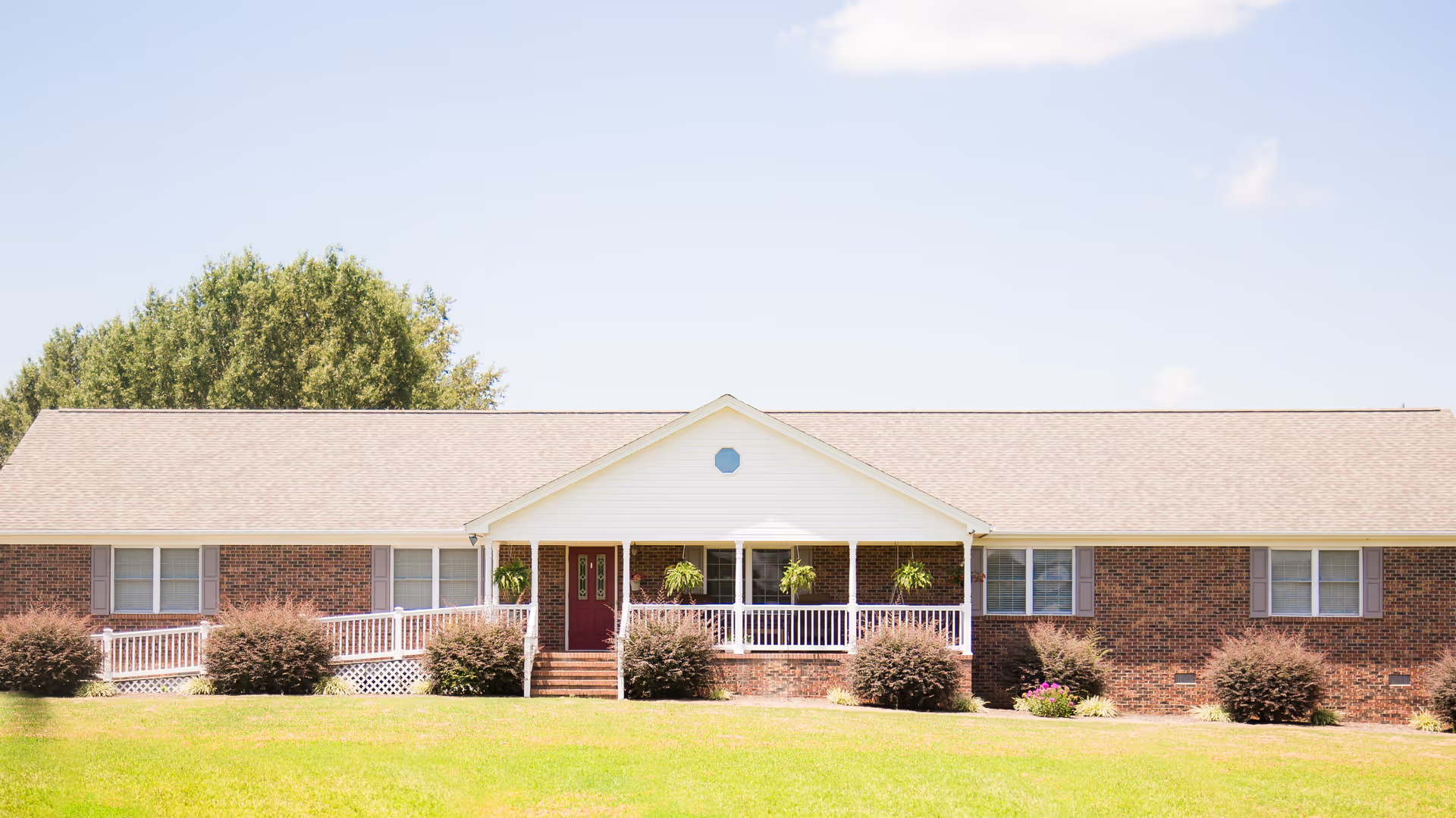
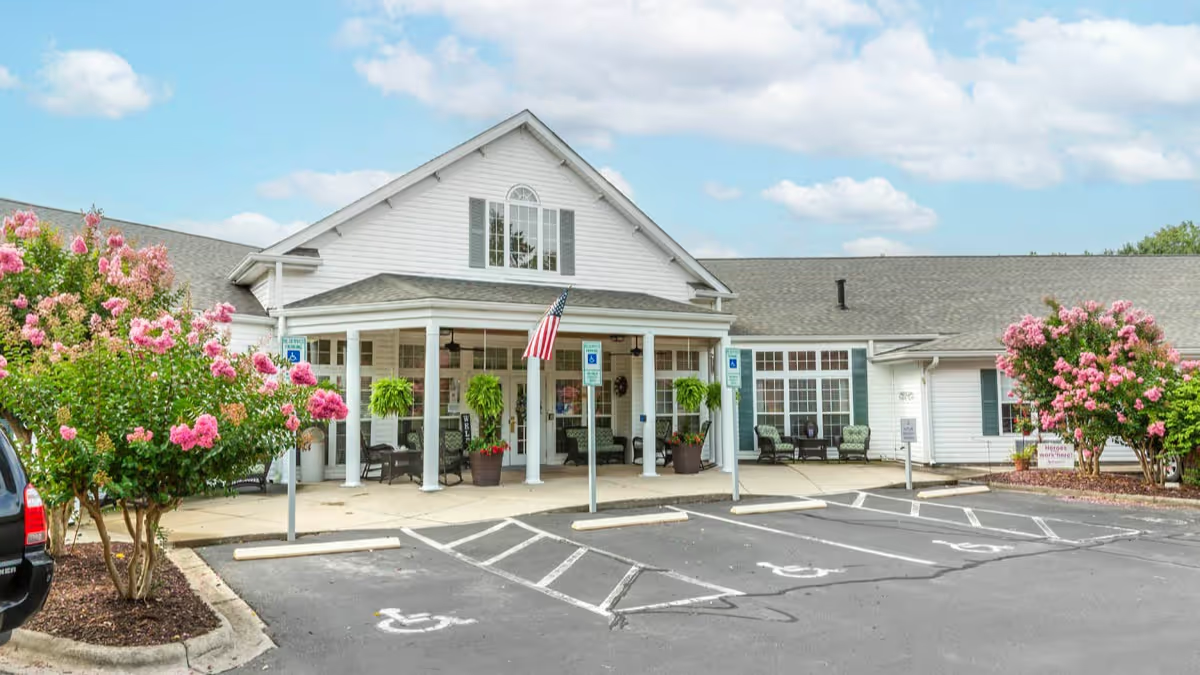
Reviewers present a polarized view of Guilford House: many describe a clean, home-like, single-level facility with pleasant private apartments and attractive outdoor spaces, while others raise operational concerns that affect day-to-day care. The facility is frequently praised for its compassionate, resident-centered staff and knowledgeable nursing team. Several accounts emphasize smooth admissions and transitions, welcoming family engagement, active memory-care programming, and a variety of recreational offerings (bingo, music, cards) that contribute to a lively atmosphere. Multiple comments also reference favorable regulatory feedback and an environment that feels peaceful and well maintained.
Care quality is described as mixed. Positive experiences highlight attentive, medically competent nursing and executive leadership that families found reassuring. Contrasting reports cite inconsistent clinical practices: delays in medication administration, sanitation and incontinence-care concerns, and gaps in fall-prevention and incident response that, in some instances, resulted in emergency care. These operational inconsistencies suggest variability in how clinical protocols are implemented across shifts.
Staff behavior and staffing patterns are key drivers of the divergent impressions. Many reviewers praise individual caregivers and specific leaders for being kind, responsive, and personable. At the same time, recurring themes include understaffing (notably on weekends), high turnover, insufficient shift communication, and occasional staff distractions during care hours. There are also serious individual allegations concerning unacceptable staff conduct and inappropriate language; such claims warrant prompt investigation by the facility and oversight bodies to determine scope and corrective action.
Dining and housekeeping receive mixed feedback. Some families and residents describe appealing meals and a pleasant dining area; others report inconsistent food quality and interruptions to normal service routines. Housekeeping and sanitation are usually described as adequate or better, but several reviews identify lapses in cleanliness and timely room maintenance that undermine confidence in daily care consistency.
Management and communication are described as both a strength and a weakness. Positive remarks reference engaged executive leadership and staff who facilitate family involvement and hospice coordination. Conversely, other reviewers describe abrasive interactions with management, challenges reaching corporate support, and perceptions of limited accountability when concerns are raised. Infection-control policies during the pandemic were experienced as restrictive by some families, reducing access during sensitive periods.
In summary, Guilford House appears to offer many of the attributes families seek in a smaller, memory-care–capable community: a pleasant facility, active programming, and capable caregivers. However, persistent operational themes — uneven staffing, variable adherence to clinical and housekeeping protocols, inconsistent meal quality, and concerns about staff conduct and communication — indicate areas where performance varies by shift or team. Prospective residents and families should tour the community, ask about weekend staffing levels, fall-prevention and medication protocols, staff training and turnover, and how management documents and resolves serious conduct concerns before deciding. If possible, seek recent state inspection results and speak with current families to clarify which experiences are typical today.