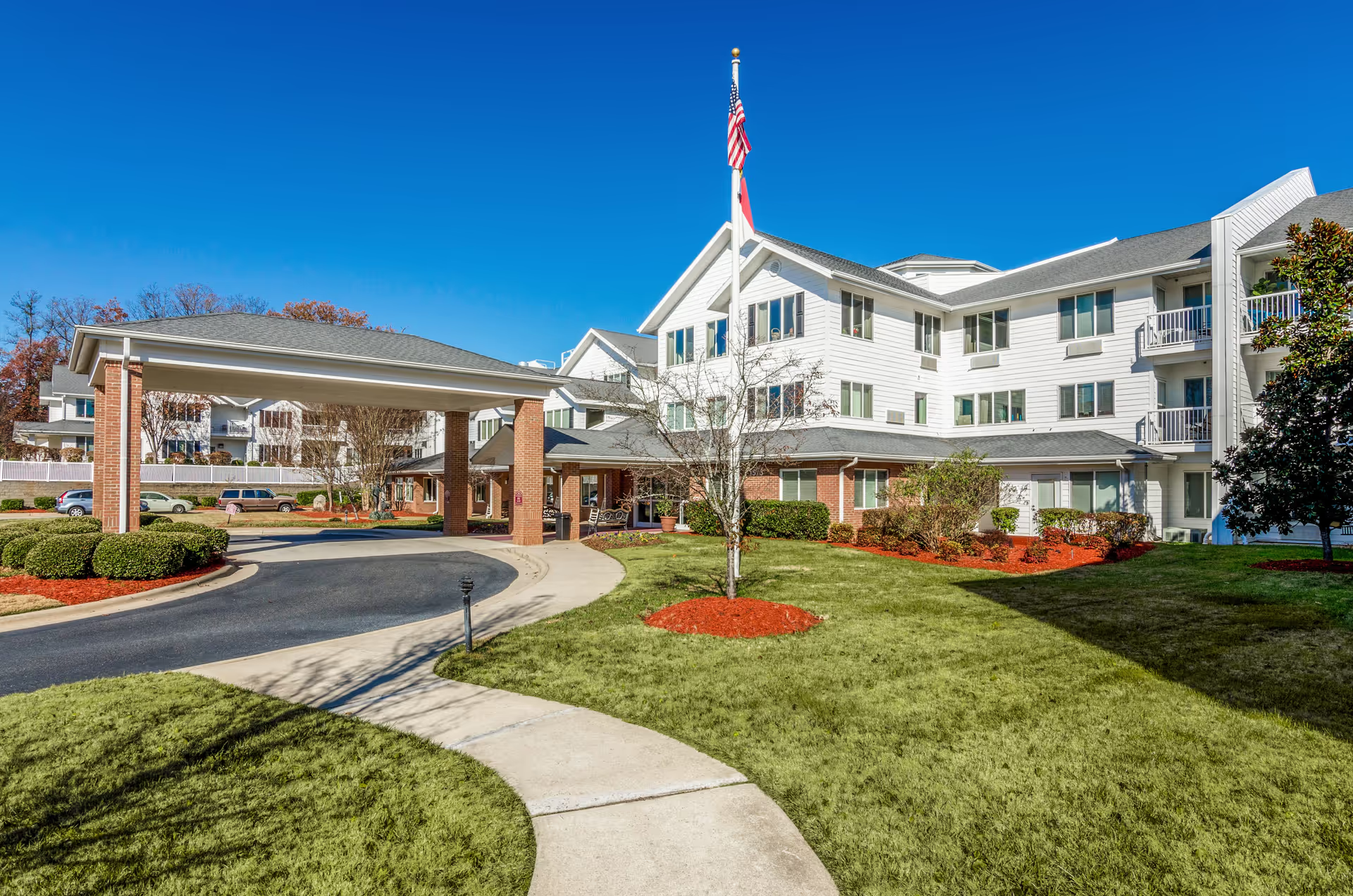
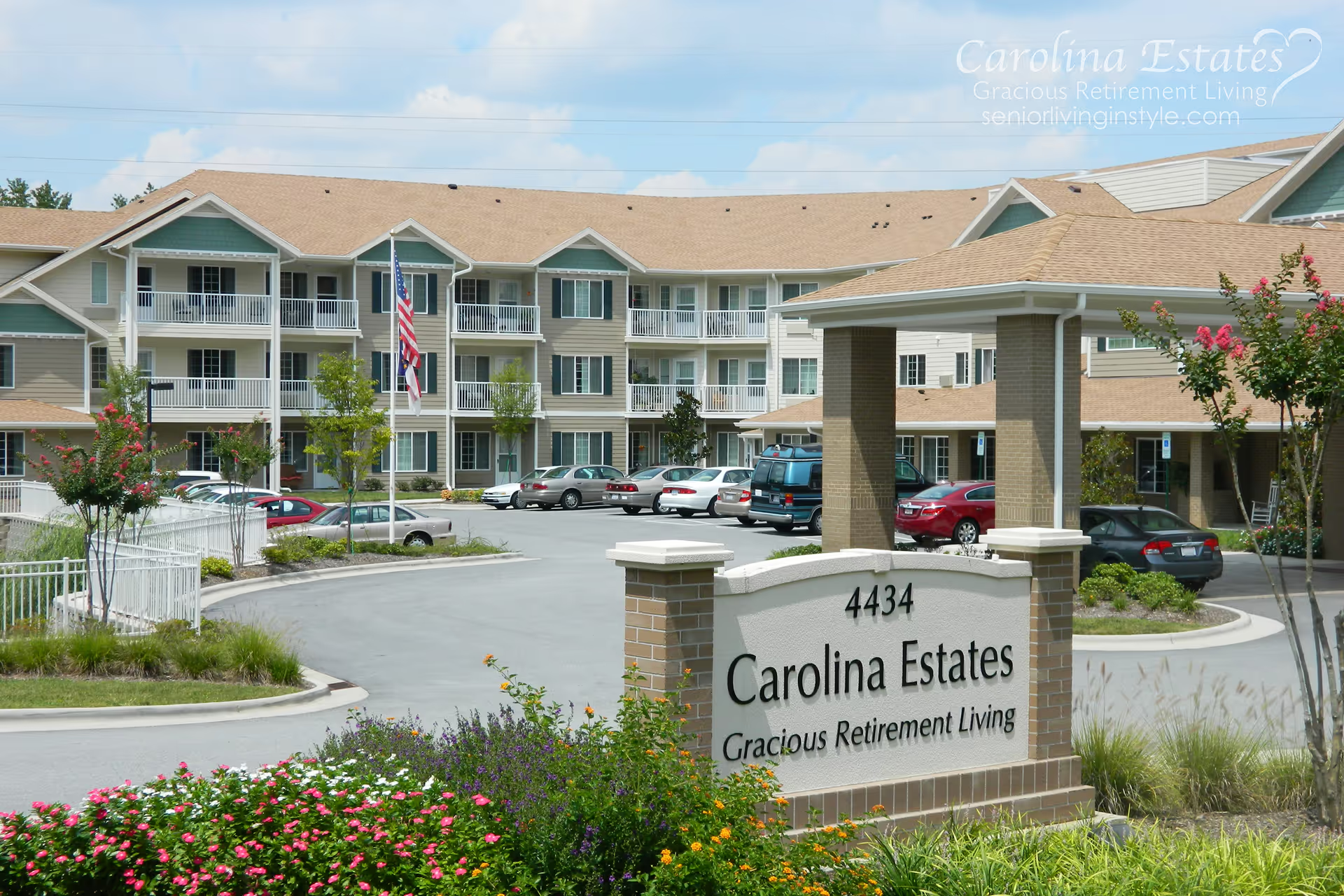
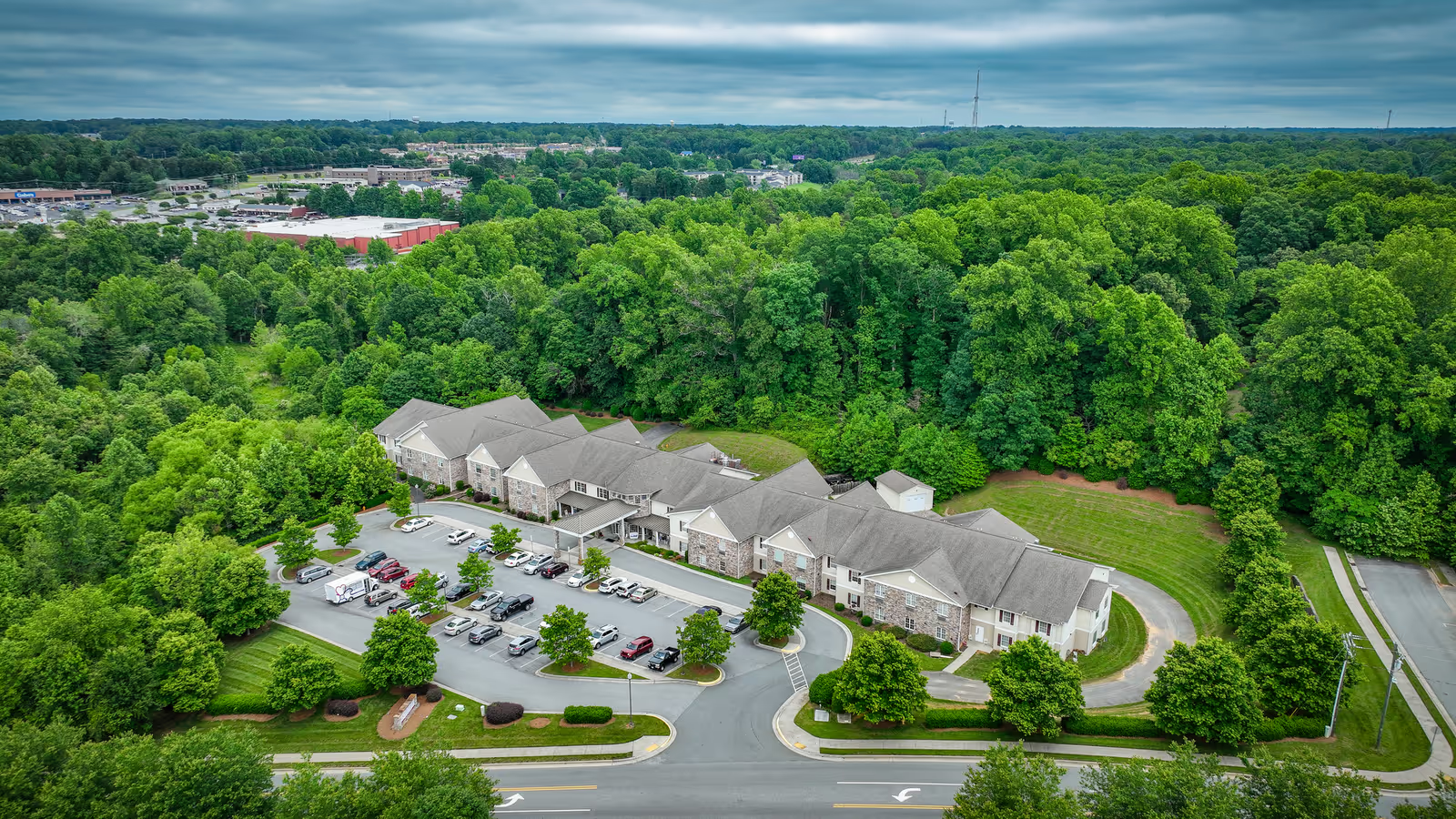
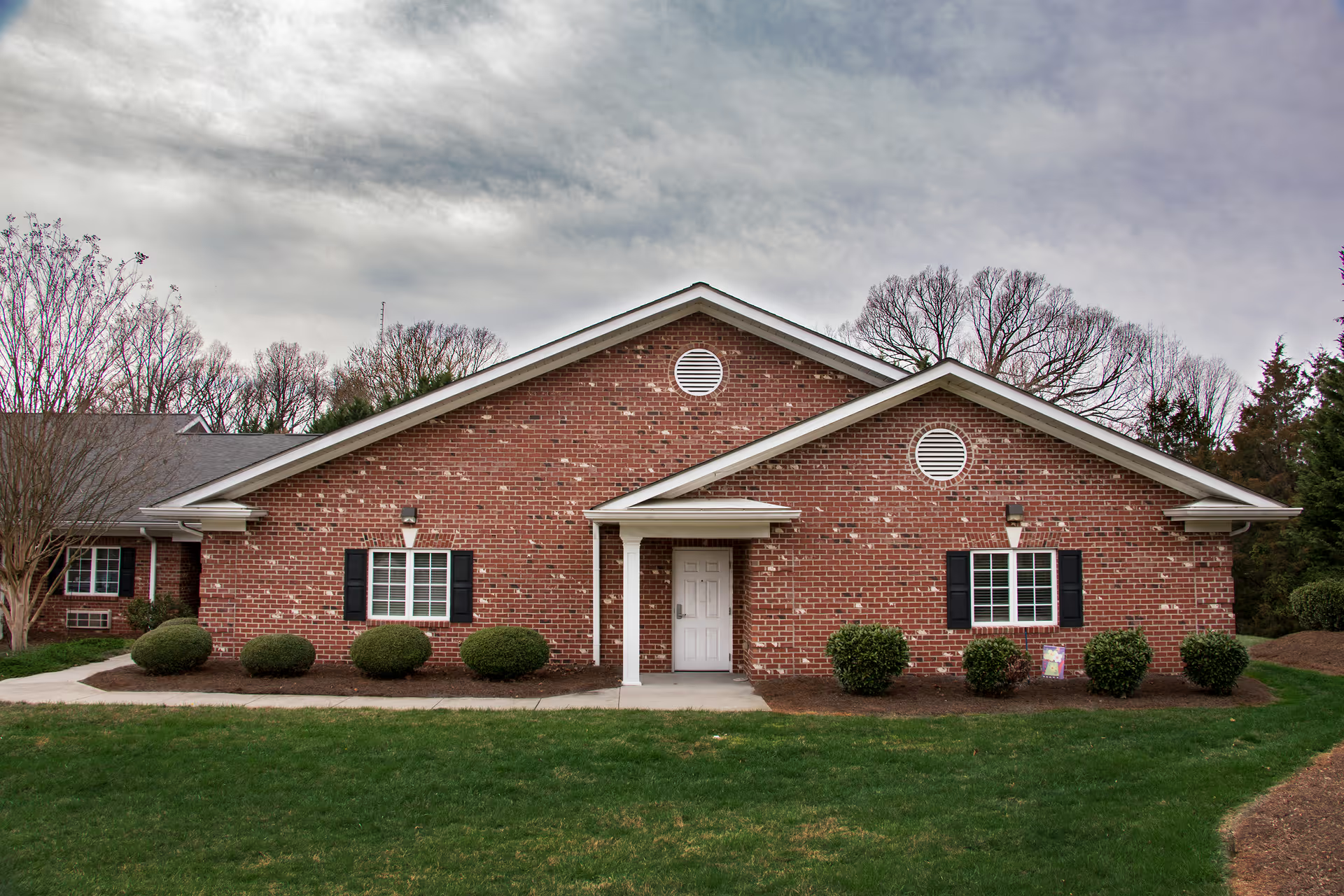
Overall impression: Reviews describe a facility with meaningful strengths alongside significant and recurring operational gaps. Positive experiences emphasize caring front-line staff, good meal quality, available activities, flexible visiting, and roomy accommodations. However, many families also describe patterns of inconsistent care, administrative shortcomings, and maintenance and sanitation problems that affect reliability and safety.
Care quality and clinical operations: Clinical consistency appears to be a central concern. Several accounts describe delays in responding to call bells, inconsistent bathing and personal-care routines, and medication-management problems including supply coordination with pharmacies. These issues translate into unpredictable resident care and raise concerns about oversight of clinical processes. Memory-care services in particular are described as lacking sufficient supervision and structured programming.
Staffing and professionalism: Staff are frequently described as friendly and caring, but staffing levels and retention are uneven. High turnover and weekend/off-shift shortages are common themes, and reviewers describe variable staff attentiveness depending on shift and unit. Additional operational concerns include inconsistent use of staff identification, inconsistent uniforming, and occasional reports of unprofessional conduct or distractions during shifts. Where unit-level managers are engaged and present, families noted better experiences.
Dining and activities: Many reviewers praise the food and note that residents enjoy the menu. Recreational and engagement activities are present and appreciated by some families, though activity offerings and consistency vary by unit and over time; memory-care programming is often called out as insufficient. Flexible visitation and allowance for personal room decoration were noted as positive features.
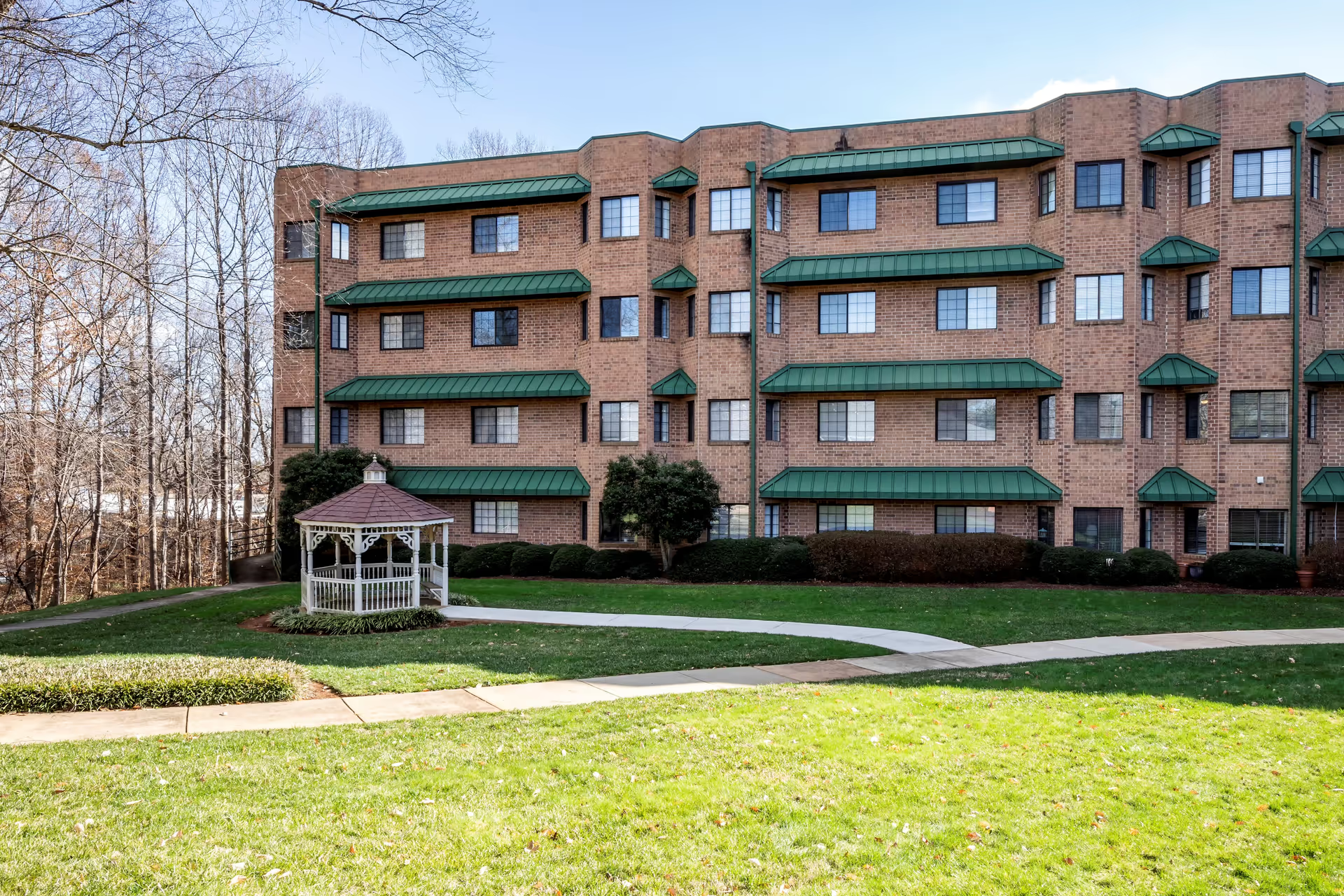
Facilities and maintenance: Maintenance and building-systems reliability are recurrent weaknesses. Reviewers report unreliable elevators, accessibility-door issues, and other deferred maintenance that have implications for safety and evacuation. Housekeeping, laundry, and supply-management processes are uneven, and multiple comments raise sanitation and pest-control concerns as well as instances of mold on improperly stored items. These maintenance and cleanliness issues are contributing sources of dissatisfaction.
Management and administration: Communication and administrative processes are inconsistent. Families describe difficulty obtaining timely information, lapses in coordination with pharmacies, billing disputes, and delays in paperwork or records. There are isolated allegations of financial mishandling related to overpayments. Conversely, some reviewers credit recent managerial changes on particular units with measurable improvements, suggesting responsiveness where leadership is active.
Notable patterns and recommendation guidance: The picture that emerges is one of high variability—experiences differ substantially by unit, shift, and the presence of engaged managers. Prospective residents and families should plan an in-person, unit-level assessment (including inspection of cleanliness, elevator and exit access, and activity programming), ask specifically about weekend staffing and medication/pharmacy procedures, and verify administrative and billing practices in writing. Where strengths are present, they are most often tied to specific staff and unit managers; where concerns appear, they are operational and systemic. Families seeking strong, consistent memory-care support or high reliability in maintenance and clinical oversight should probe these areas carefully before committing.