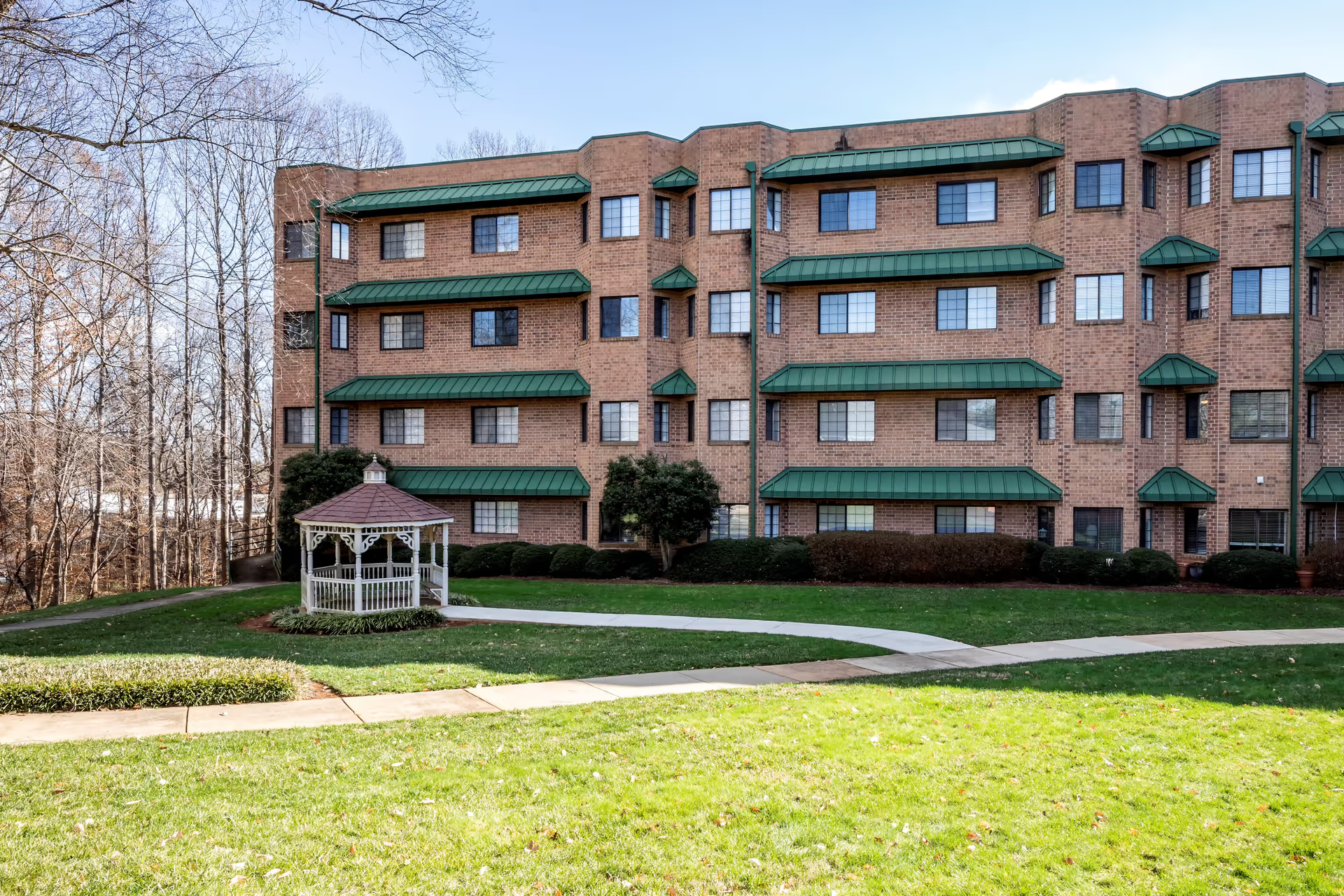
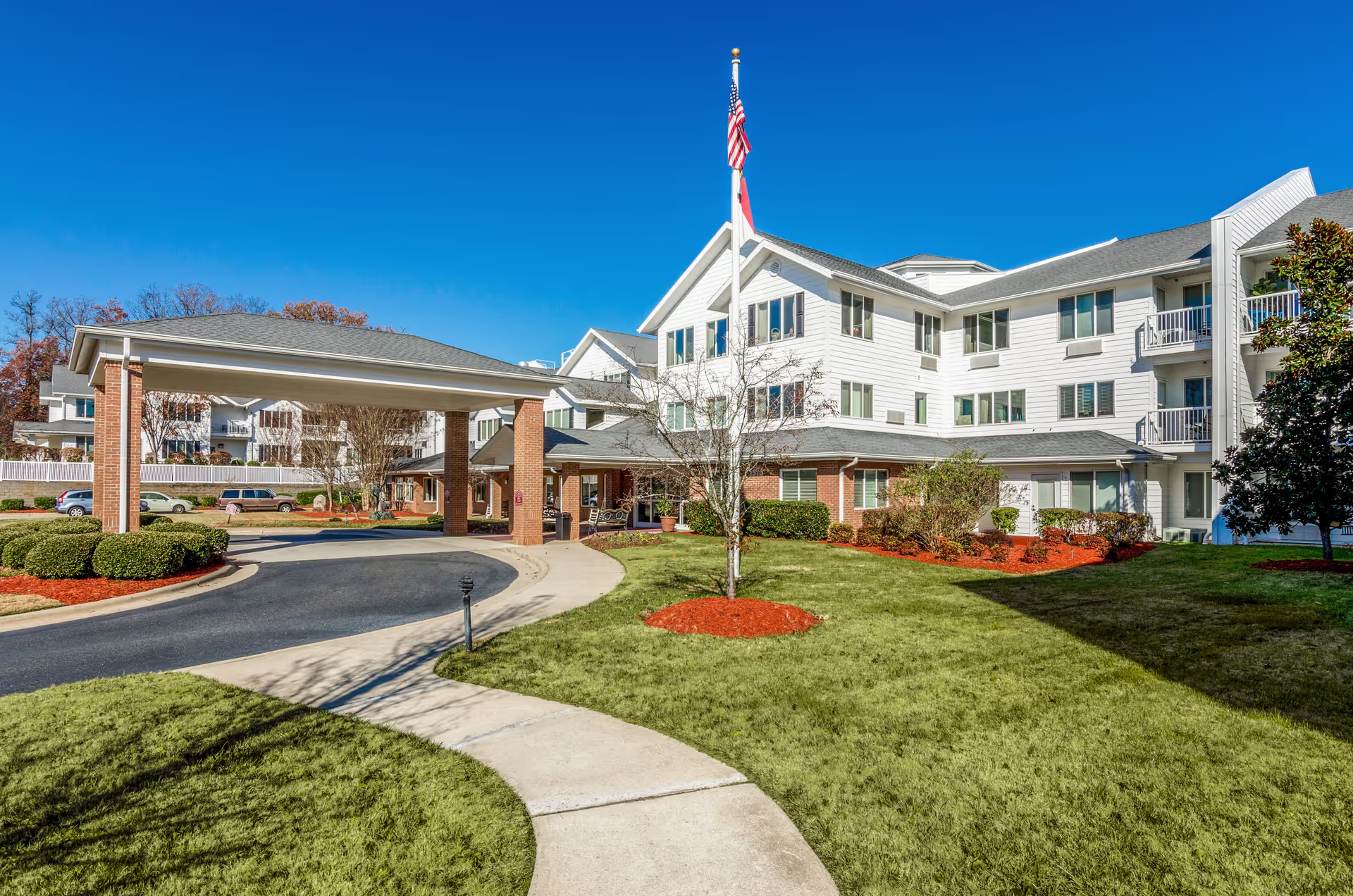
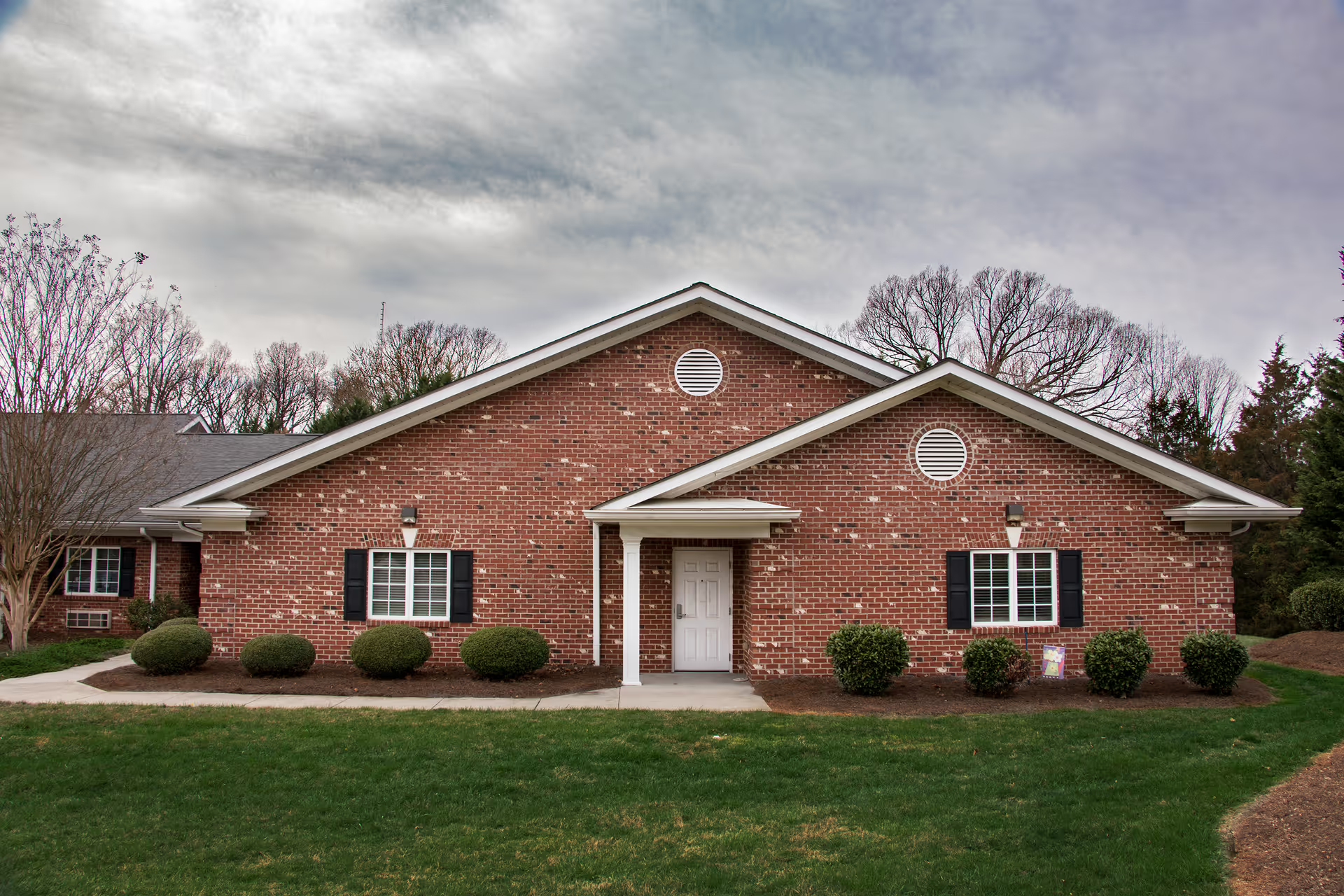
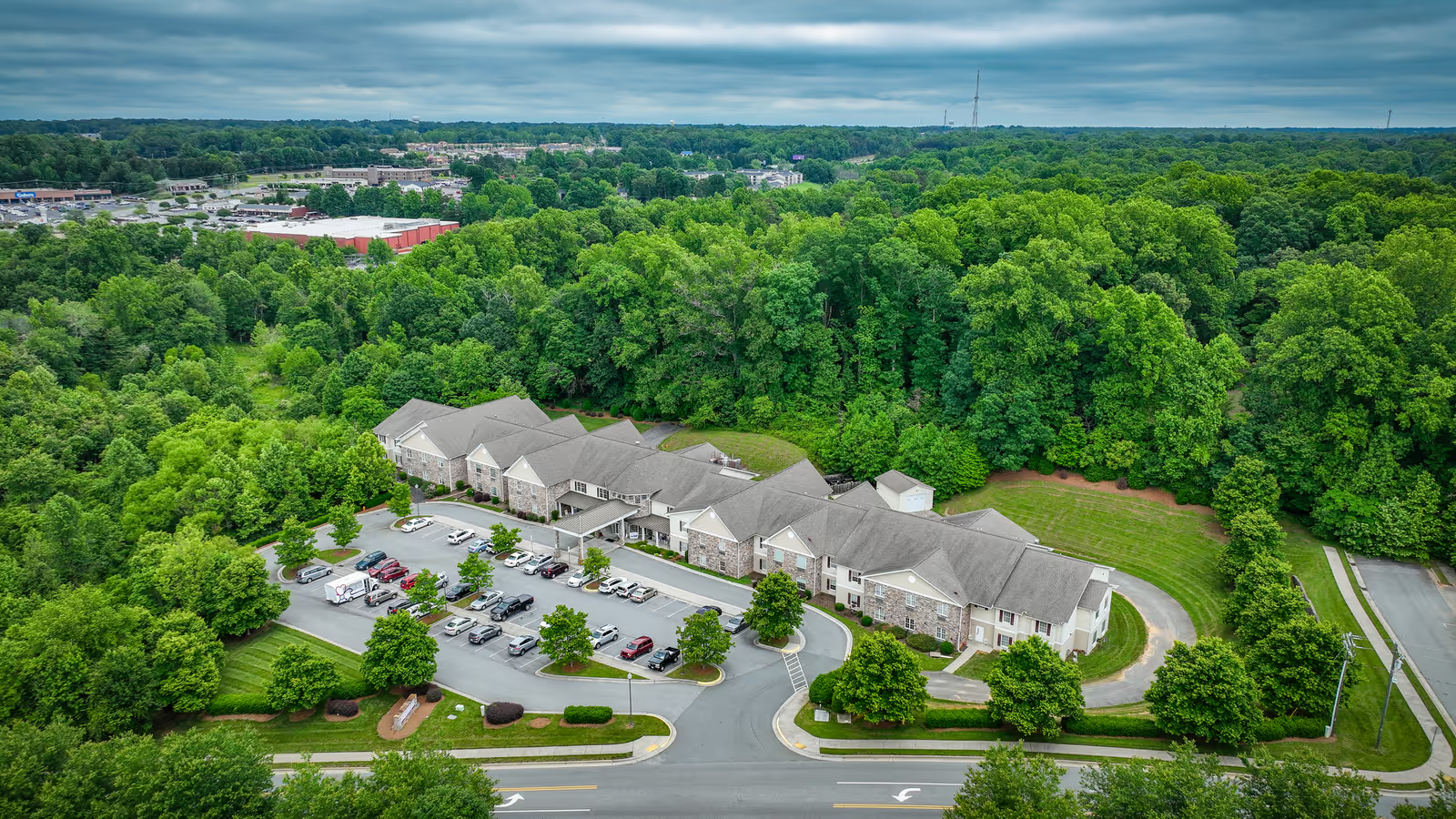
Reviews of Richland Square present a mixed picture with distinct strengths and recurring operational weaknesses. Strengths most consistently described include a compassionate, resident-focused care culture, strong memory-care knowledge among staff, and visible nursing leadership that families cited as an advocate. Many families praised individualized attention — including customized meals, active social programming (music, singing, dancing), on-site hospice support, and frequent photo or communication updates — which contribute to a home-like, family-centered atmosphere. Facility attributes such as bright common areas, a pleasant courtyard, and generally adequate private room sizes were also noted positively.
At the same time, a pattern of inconsistency appears across several operational domains. Staffing levels and continuity are a common concern: reviewers described frequent staff turnover, variable caregiver competence, and periods when coverage was thin. These staffing issues are linked in the reviews to uneven day-to-day care — for example, irregular assistance with routines, variable activity delivery, and gaps in timely clinical attention. Families reported both positive individual staff members and instances where responsiveness and tone were problematic.
Clinical and safety controls emerged as an area needing attention. Several families described significant clinical incidents or delays in medical response and identified problems with medication timing and transfer/safety practices. Reviewers also raised sanitation-related concerns and incontinence-care inconsistencies in some units. Coupled with reports of maintenance items (lighting, plumbing, room repairs) and at least one reference to broader building-safety issues, these accounts suggest the facility may benefit from strengthened clinical oversight, infection-control protocols, and a prioritized maintenance program.
Administrative and management practices were described with notable variability. Some reviews praised effective leadership, clear communication, and proactive problem-solving; others noted poor arrival coordination, insufficient onboarding support, difficulty reaching a consistent point of contact, and billing or insurance paperwork delays. Security and privacy concerns were also mentioned, including access controls to resident rooms and instances of missing belongings, indicating a need to review room-access protocols and property safeguards.
Dining and activities are generally seen as strengths but not uniformly so. The chef and many families received positive comments for meal quality and accommodation of preferences; however, others described inconsistent meal experiences. Activities programming was often engaging — with music and social events frequently highlighted — though several reviews pointed to gaps when key activity staff left or when the published events calendar did not materialize.
What stands out is the polarized nature of experiences: many families describe Richland Square as attentive, warm, and competent for memory-care needs, while others encountered operational shortfalls that materially affected care. Prospective families should plan an in-person tour, ask targeted questions about staffing ratios and staff continuity, medication administration procedures, incident-response protocols, security/room-access policies, recent safety-inspection results, and how the facility manages transitions and family communication. Requesting references from current families and reviewing recent inspection or compliance documents may help clarify whether the facility’s strengths are consistently realized and whether identified operational gaps have been addressed.