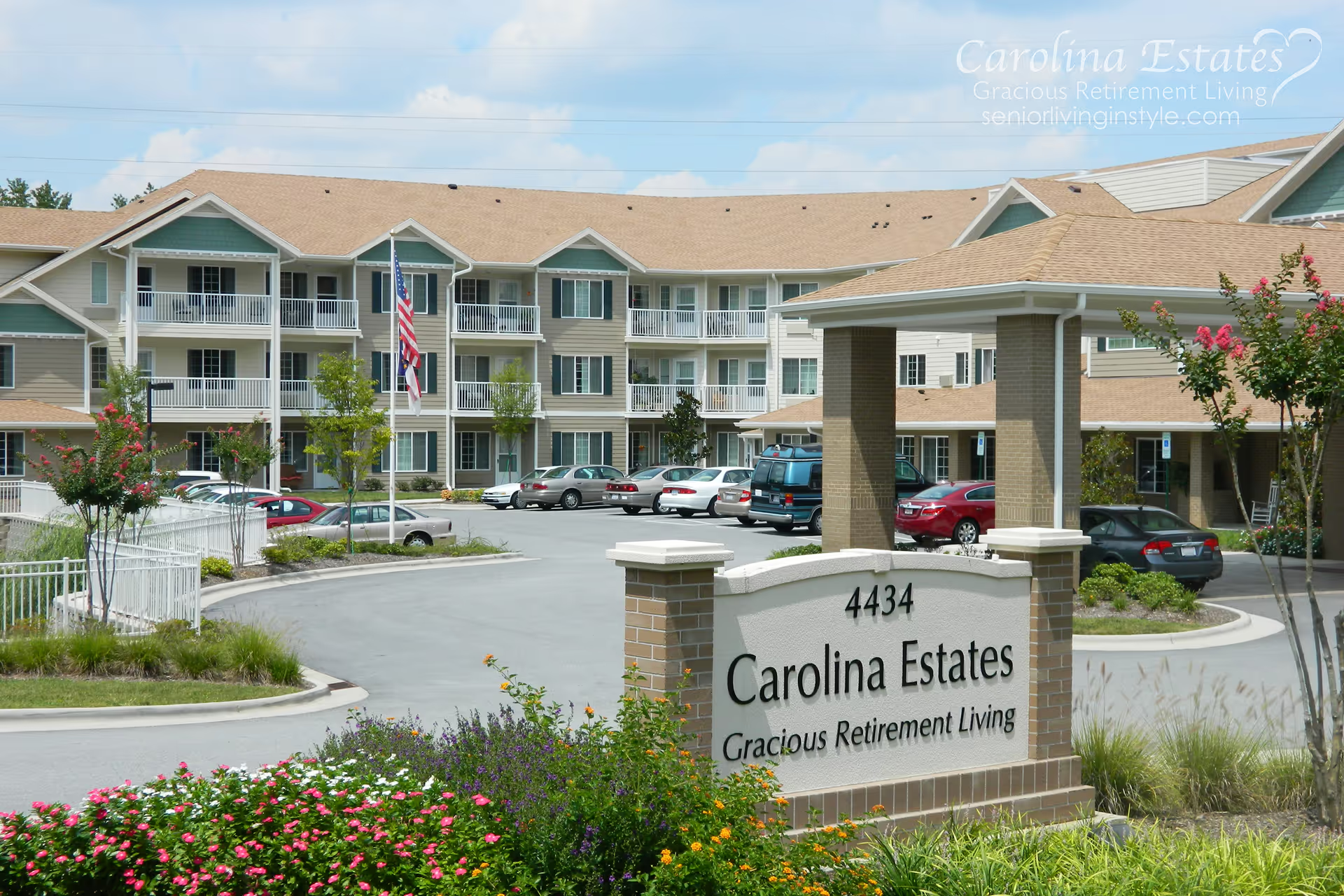
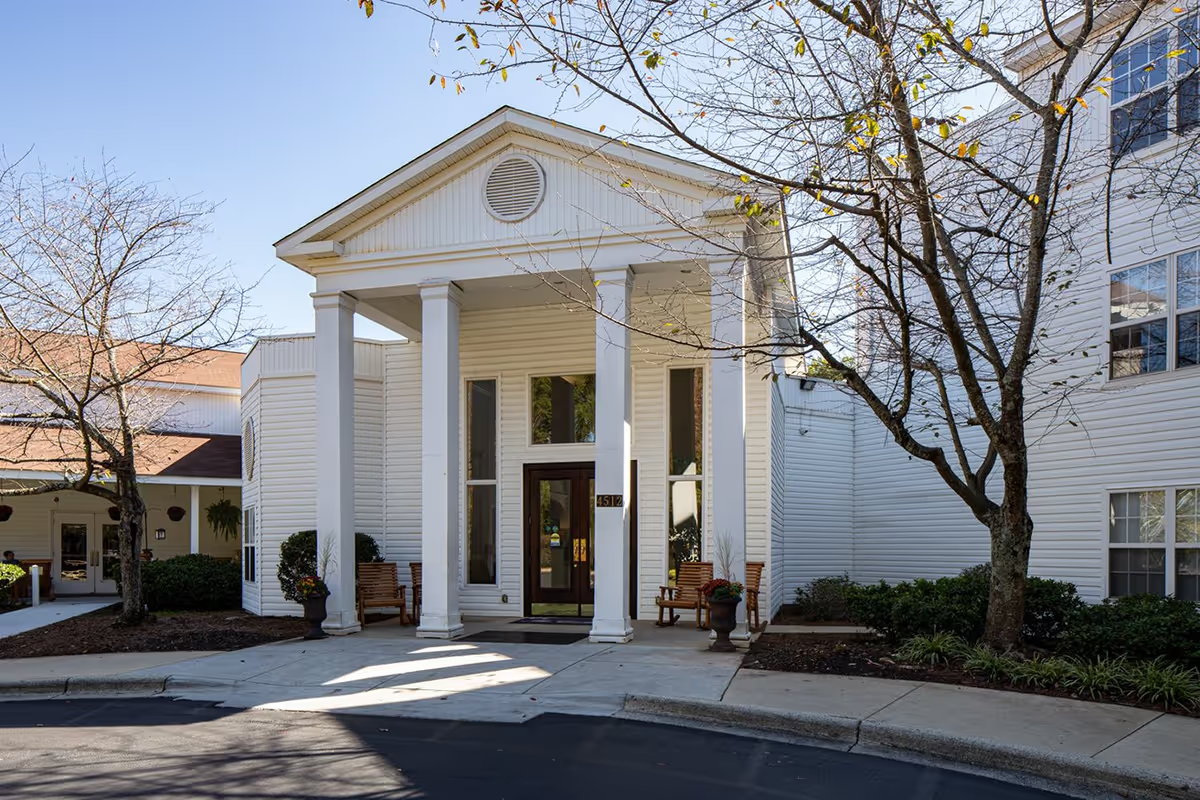
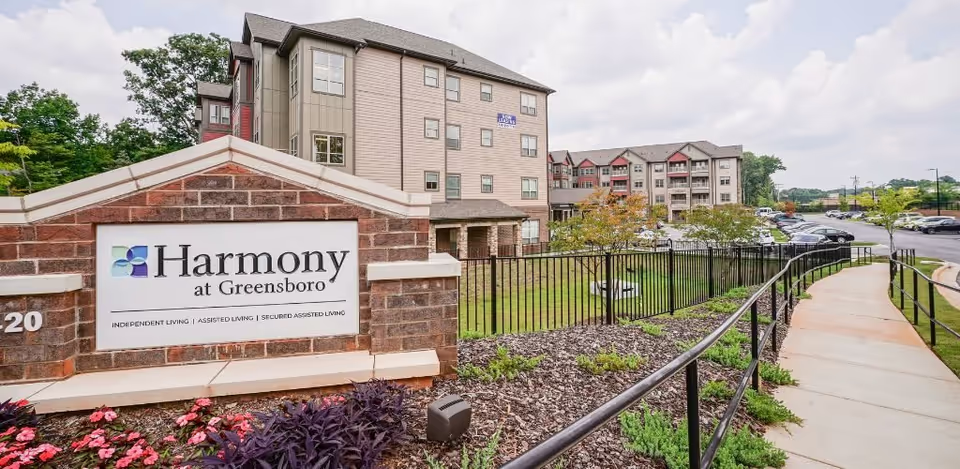
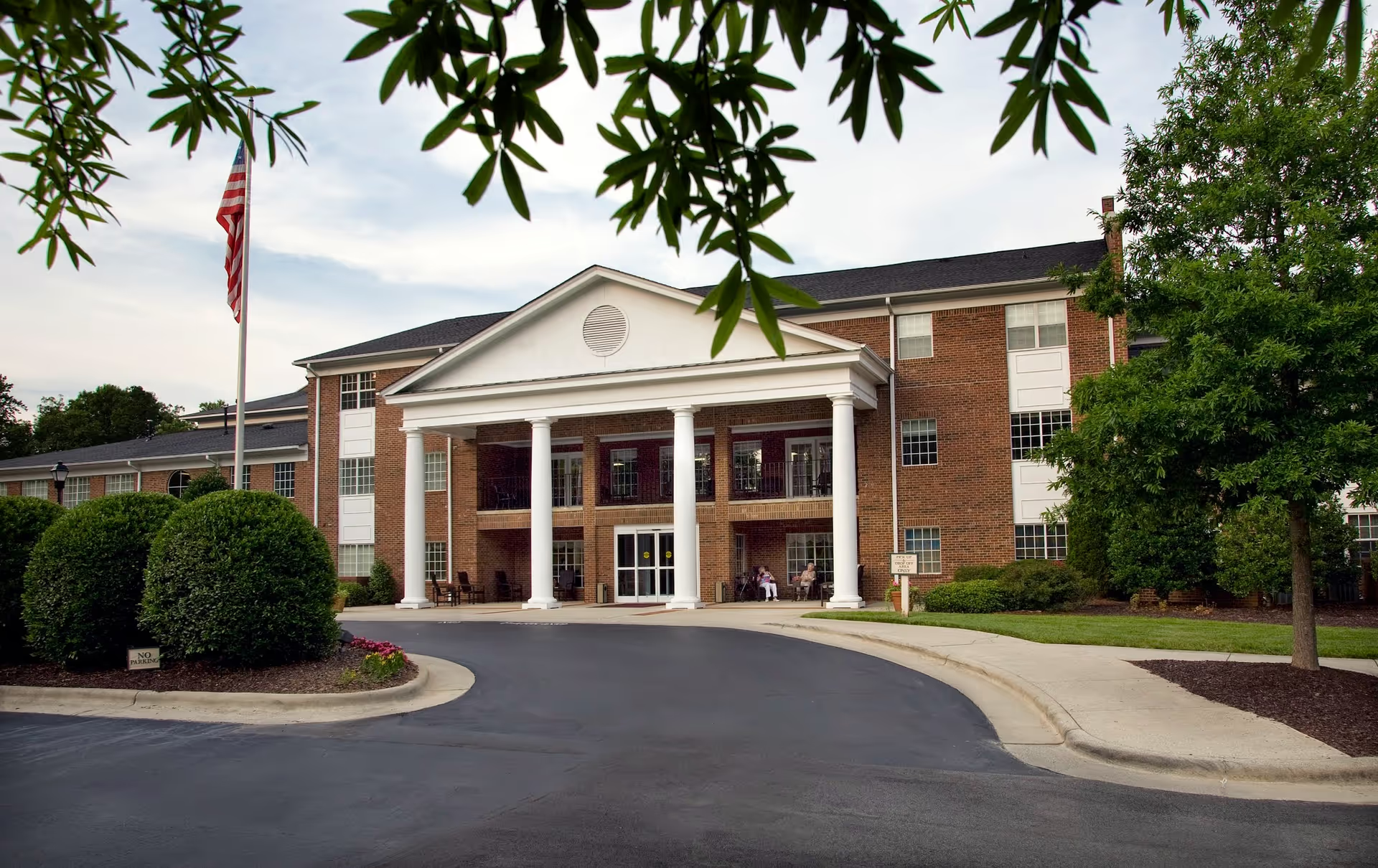
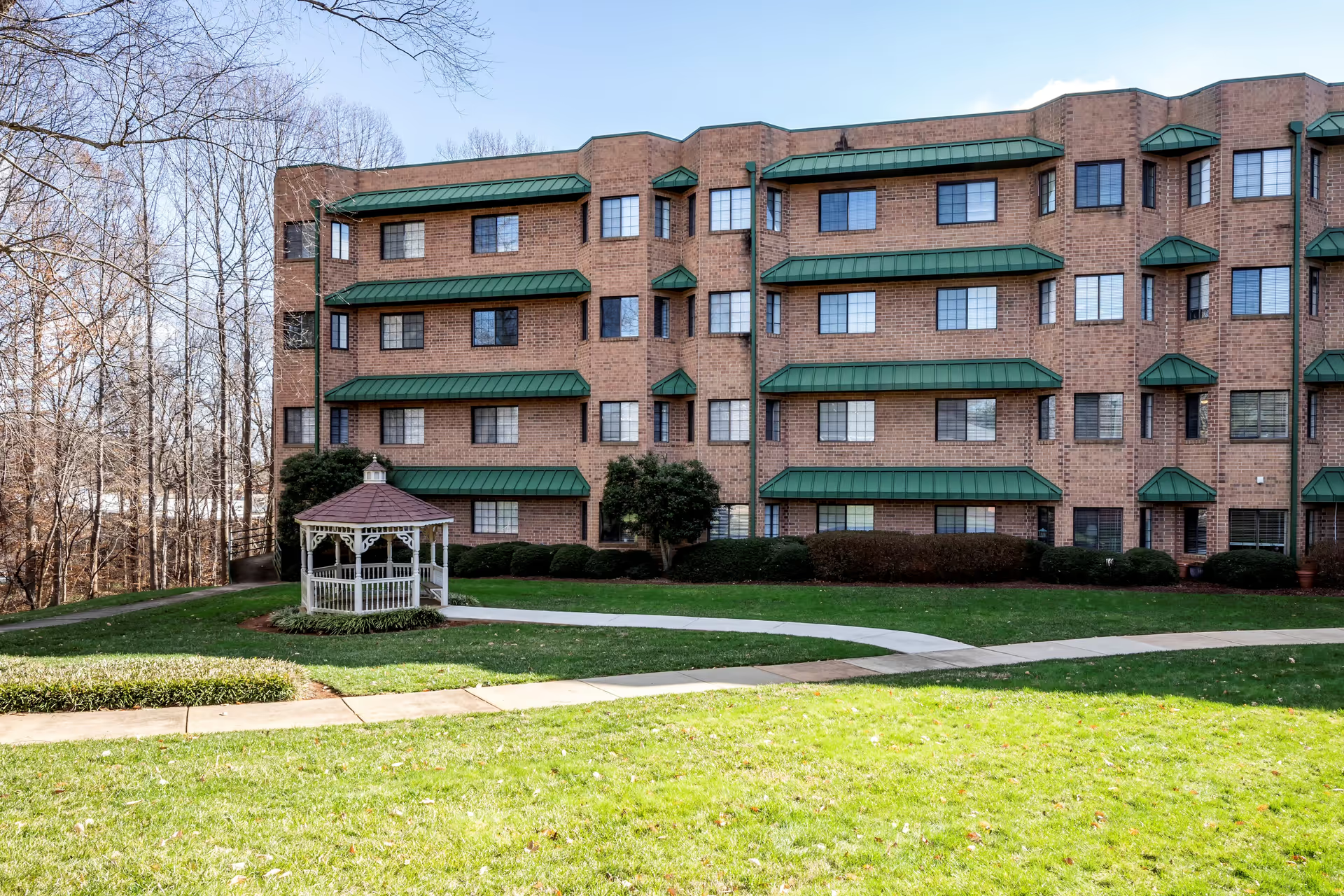
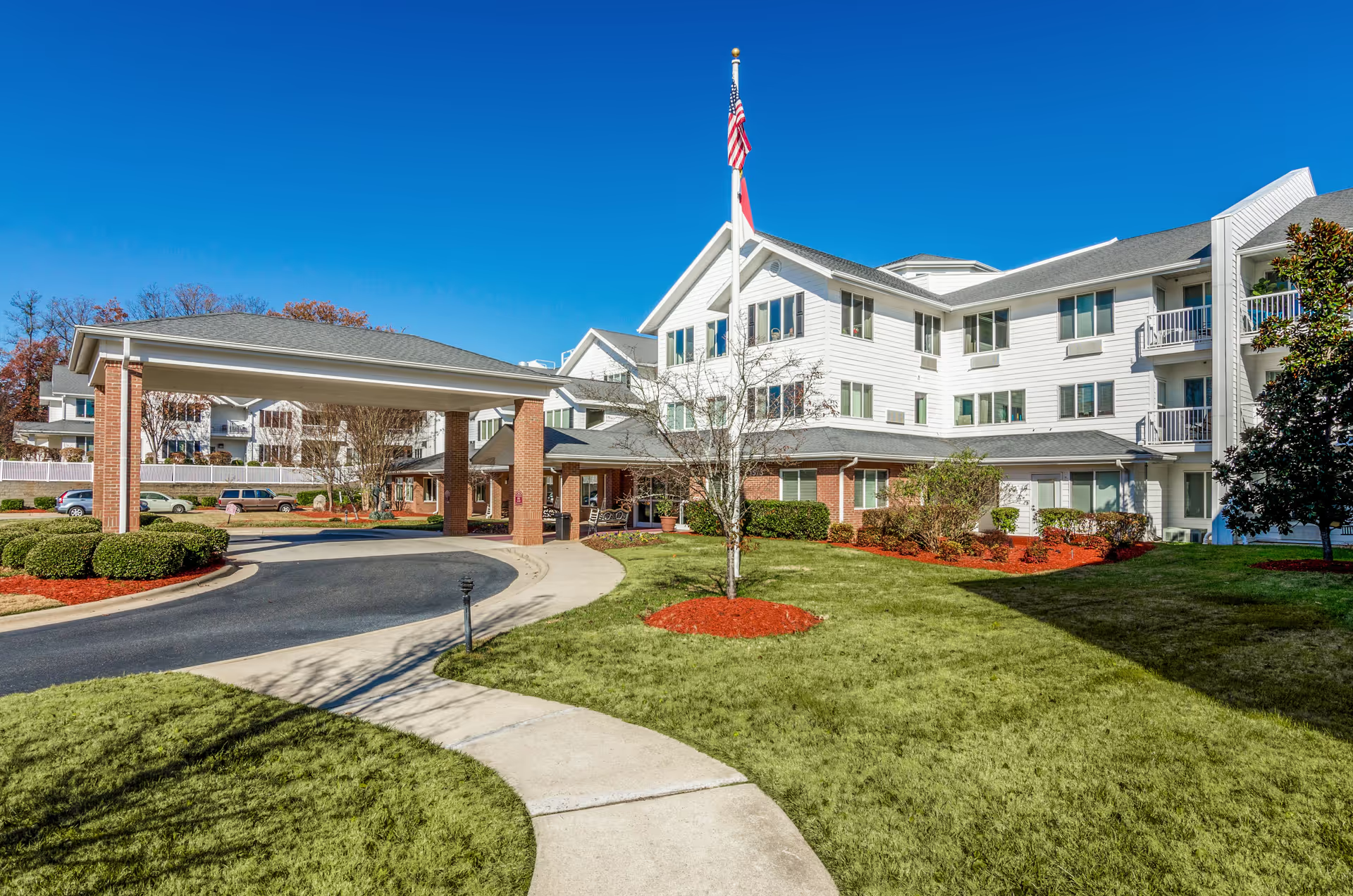
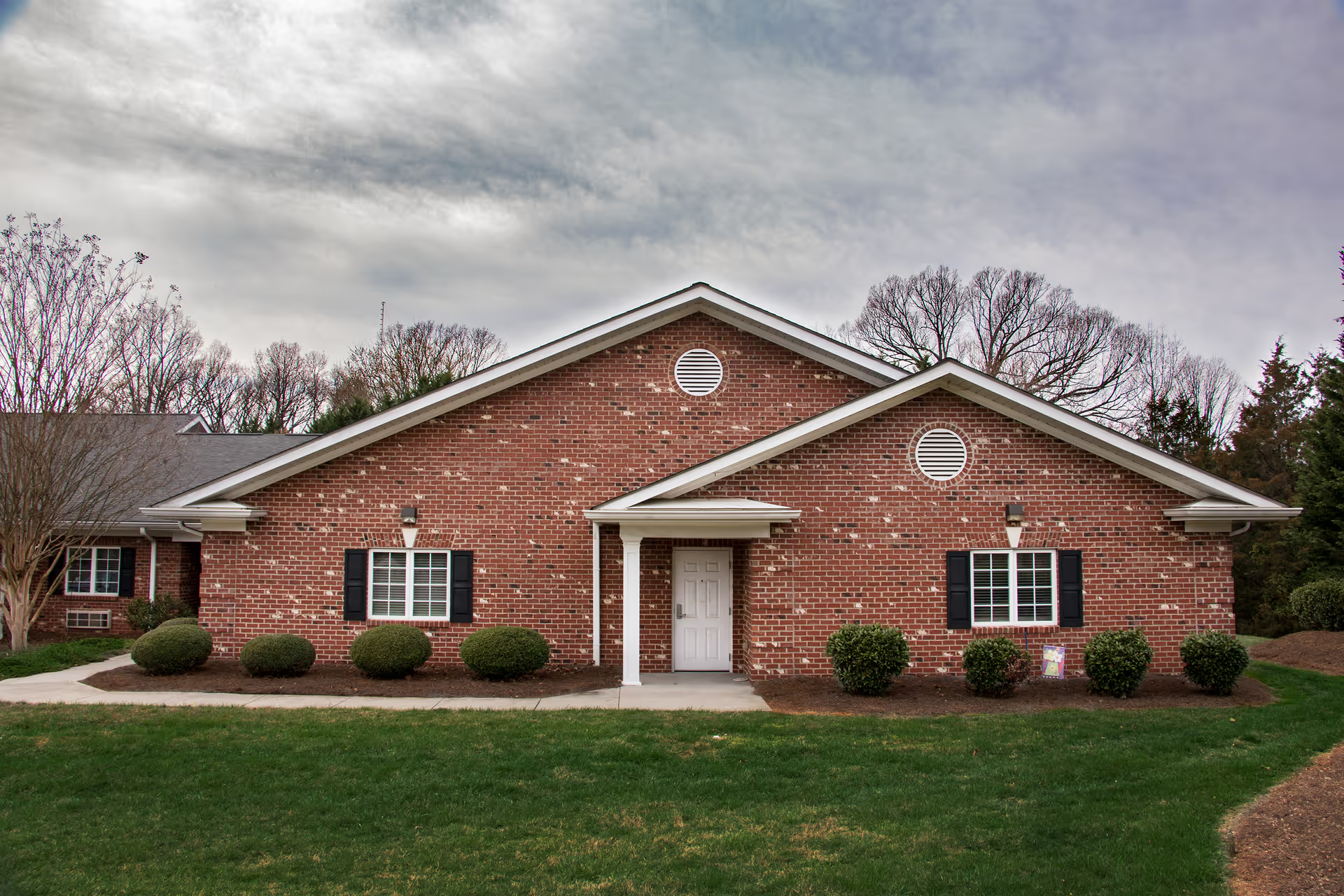
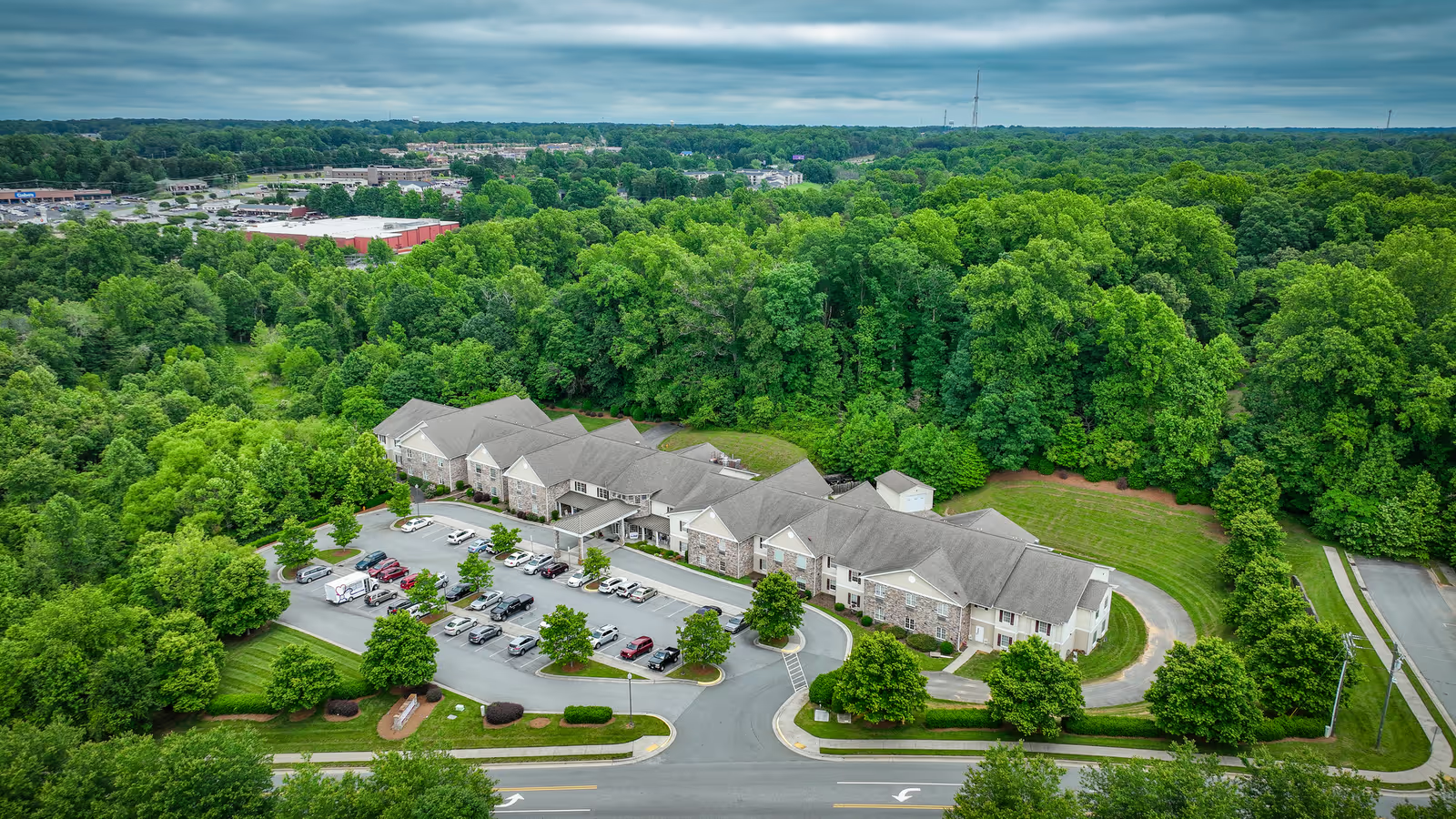
Spring Arbor of Greensboro presents as a modern, well‑kept assisted‑living community with many consistent strengths noted by families. The facility’s single‑story design, spacious rooms (often with kitchenettes), attractive common areas, and pleasant outdoor courtyards contribute to a home‑like, resort‑like impression. On‑site amenities such as a salon, café/coffee area, library, physical therapy services, and organized family events add convenience and social opportunities for residents.
Care quality and staff performance are among the community’s most frequently cited strengths. Families describe compassionate, attentive frontline caregivers and aides, licensed nursing staff who provide regular updates, and staff who know residents by name. There are dedicated memory‑care cottages and a memory unit, and families report collaborative relationships with hospice and therapy providers at end of life. That said, several reviews indicate unevenness in staffing continuity and scheduling — including periods when nurses are not physically present on site — which can influence perceptions of clinical oversight.
Dining and daily living are mixed themes. Many reviewers praise nutritious, appealing meals and desserts, while others report inconsistent food quality and recurring dissatisfaction with certain meal offerings. Activity programming is a notable asset: organized recreational therapy, diverse offerings (music, art, exercise, walking clubs, games, dance), therapy animals, visiting entertainers and school groups, and regular social events are commonly highlighted as enhancing residents’ quality of life.
Operational and management patterns are an area of divergence. Positive comments reference family‑owned, family‑minded management and visible leadership involvement; conversely, some families raise concerns about administrative decisions tied to payment source, including perceived prioritization of private‑pay residents over Medicaid in placement or readmission decisions. Additional operational concerns include questions about medication‑management practices, intermittent communication lapses across shifts, and reported instances that raise waste‑disposal and compliance questions. The community does not appear to offer extensive skilled‑nursing capacity, so residents needing higher‑acuity care may require alternate arrangements.
Cost and availability are practical considerations. Several families view the community as priced at a premium but justified by amenities and staff quality; others consider it expensive and note constrained availability for specific room types (waiting lists). The overall pattern suggests strong social programming, attractive facilities, and generally compassionate caregiving, alongside variability in dining, clinical oversight, administrative consistency, and affordability. Prospective residents and families would be advised to tour at different times of day, ask detailed questions about staffing patterns, medication management, and payer‑related admission policies, and confirm the facility’s capacity for higher‑acuity needs before making placement decisions.