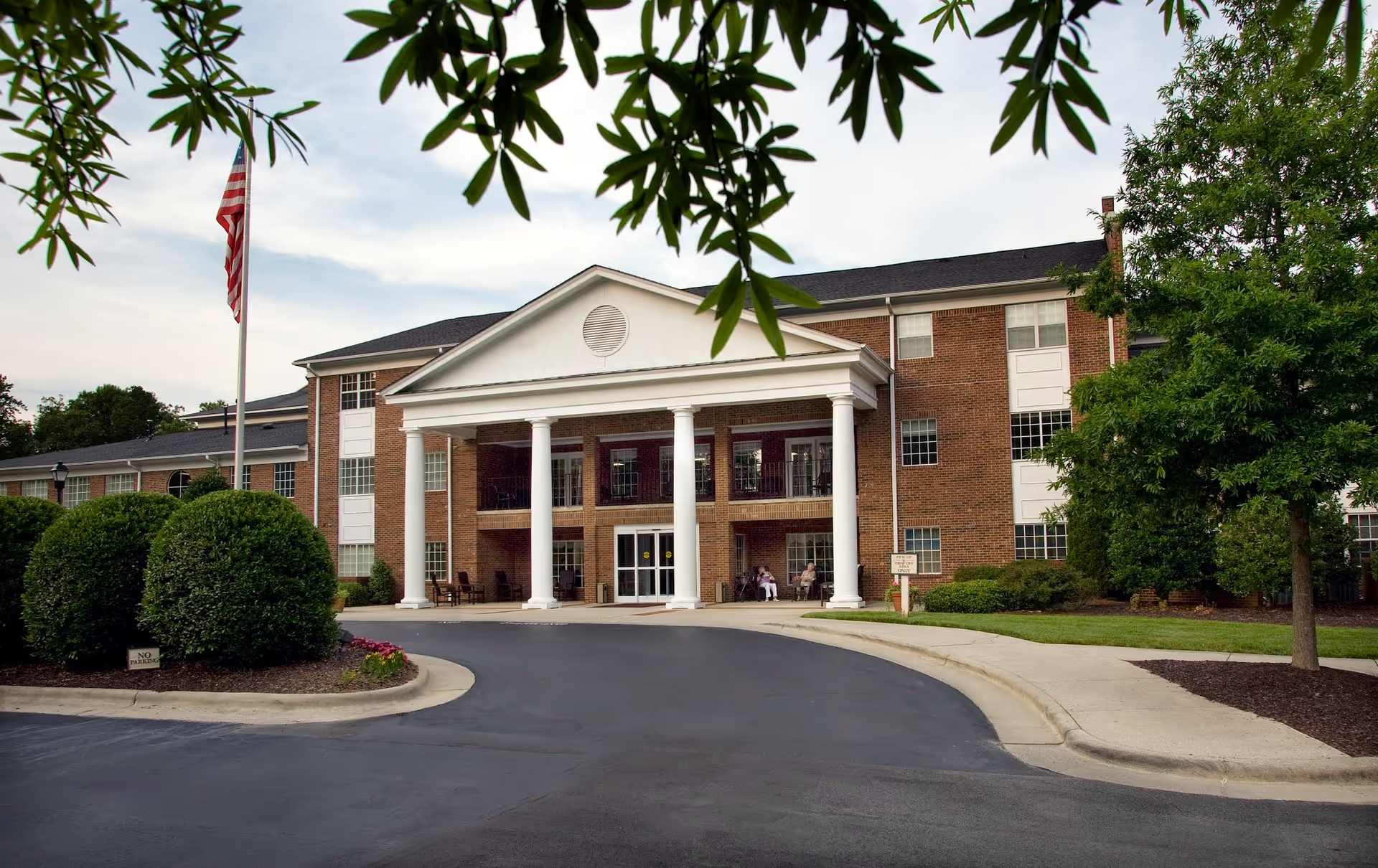
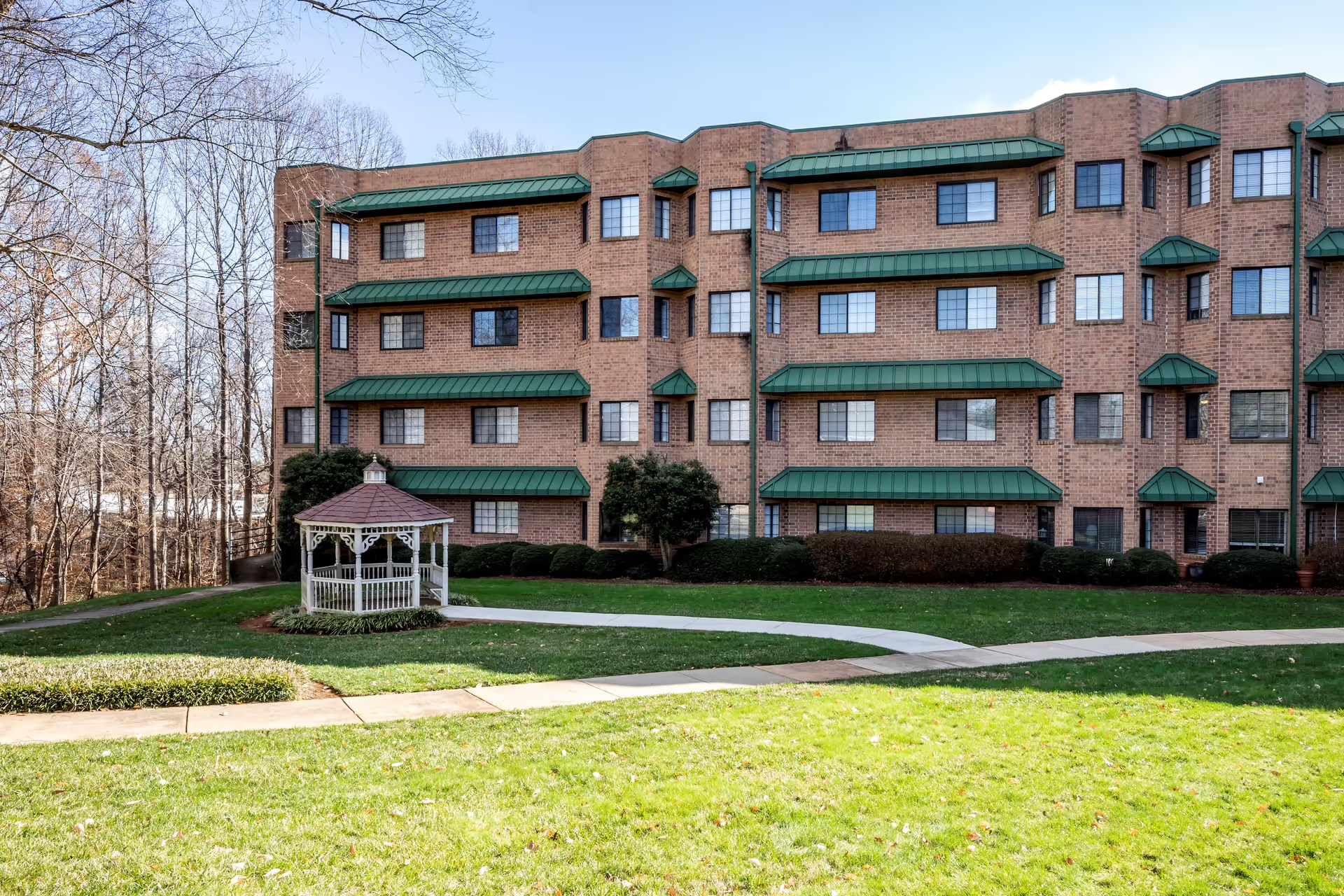
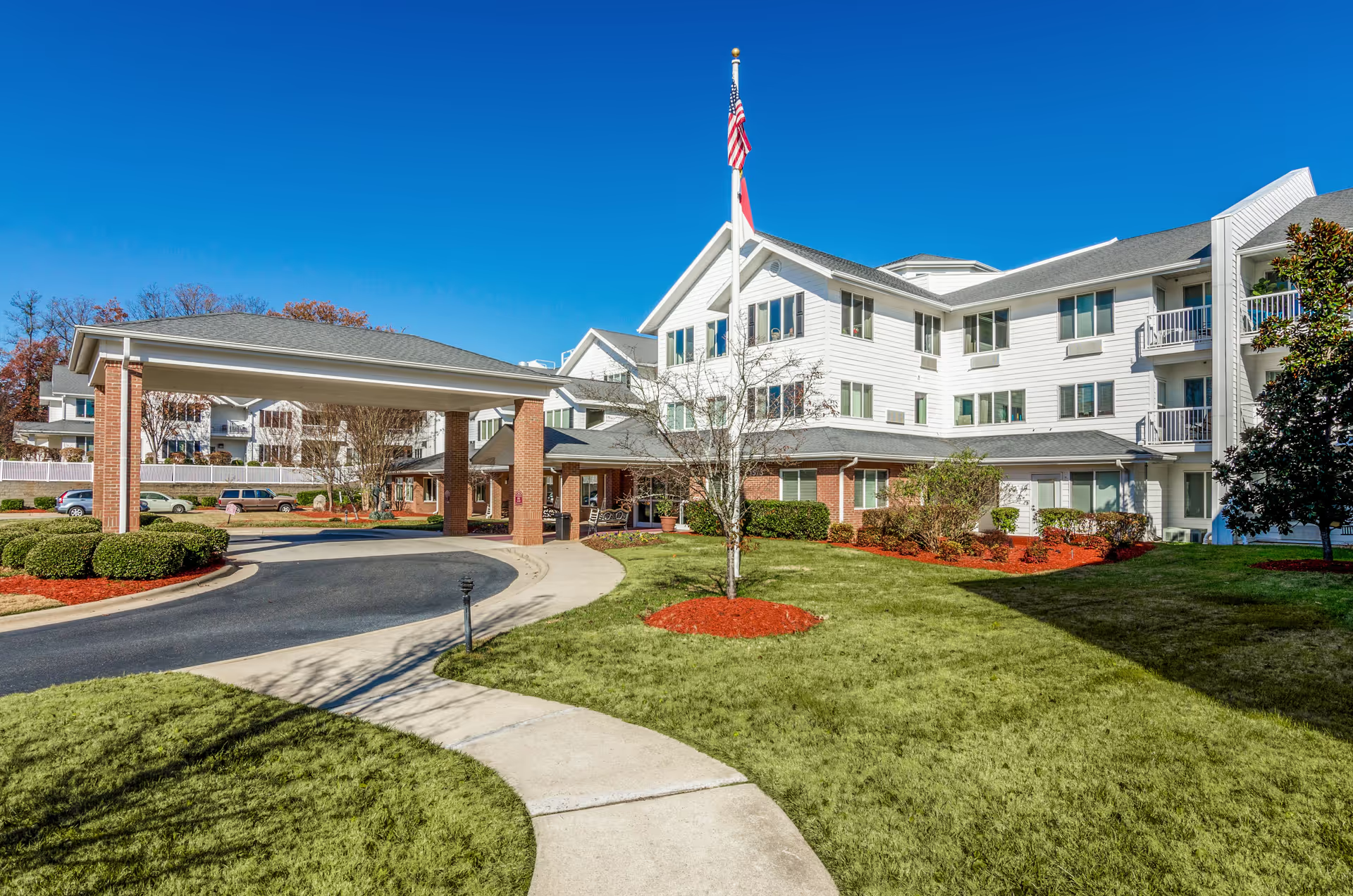
Well-Spring Retirement Community is consistently described as an upscale, well-maintained senior living campus with extensive amenities and a broad activity program. Reviewers emphasize attractive grounds, a pleasant interior environment, and a range of on-site features—indoor pool and spa, theater, gym, wood shop, putting green—and numerous social opportunities such as arts, exercise classes, bridge, movie nights, and shuttle outings. Dining quality and presentation are frequently praised, and many residents and families report high satisfaction with everyday life, social engagement, and the physical environment.
Clinical and care-related experiences show a mixed pattern. Rehabilitation and therapy services receive strong, specific praise for caring staff and good outcomes. At the same time, several reviews raise operational concerns about clinical oversight: medication management and inventory controls appear inconsistent in some accounts, and family members have described instances that suggest uneven supervisory enforcement of nursing staff. Relatedly, there are repeated references to concerns about staff conduct and communication tone; these are framed as issues with responsiveness and interpersonal interactions rather than clinical competence in every case.
Management and family relations emerge as another area of divergence. Many comments commend professional and engaged administration; however, a number of family accounts describe difficult interactions, communication breakdowns, and disputes over decision-making and access. These descriptions point to a need for clearer conflict-resolution processes and more consistent family communication protocols.
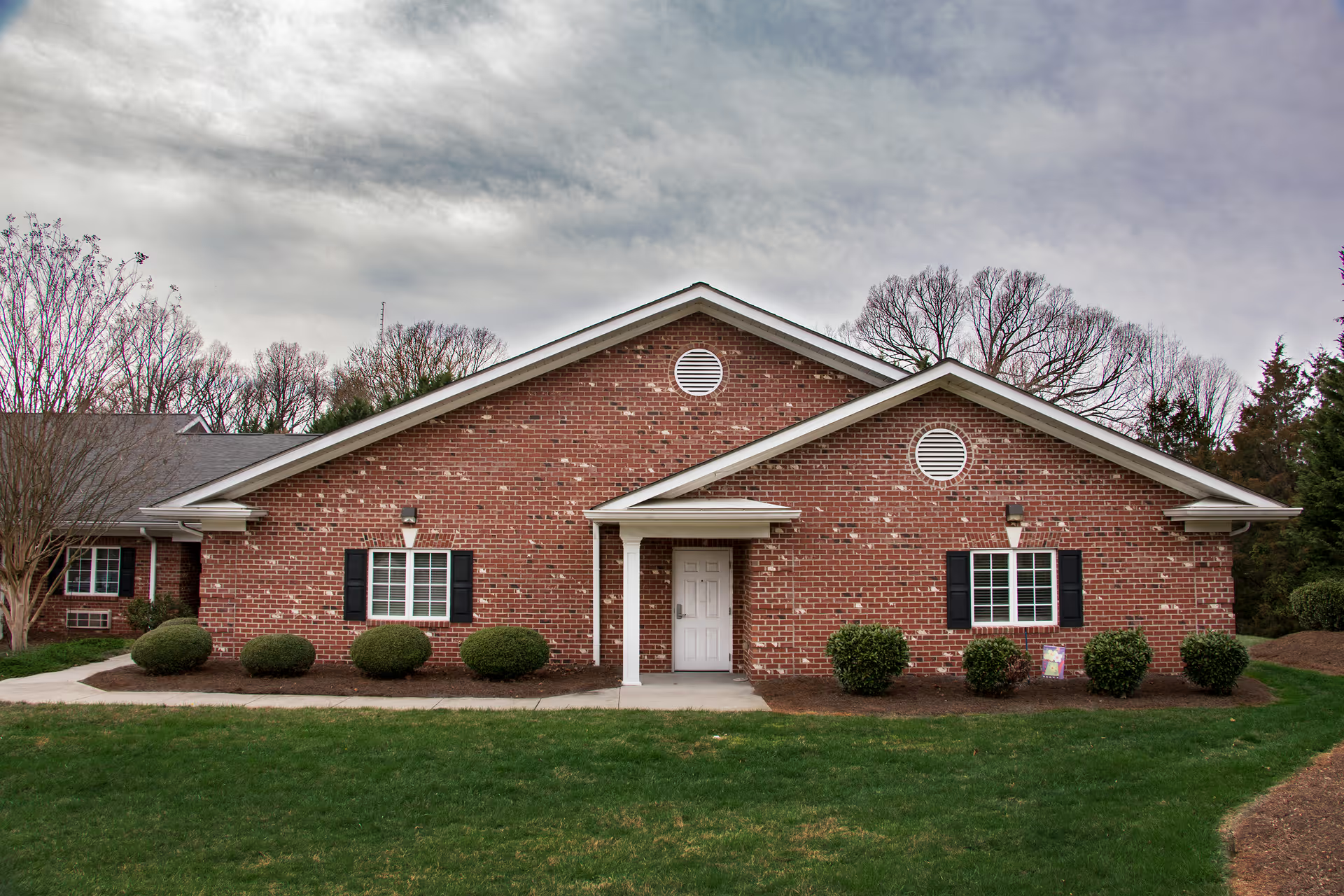
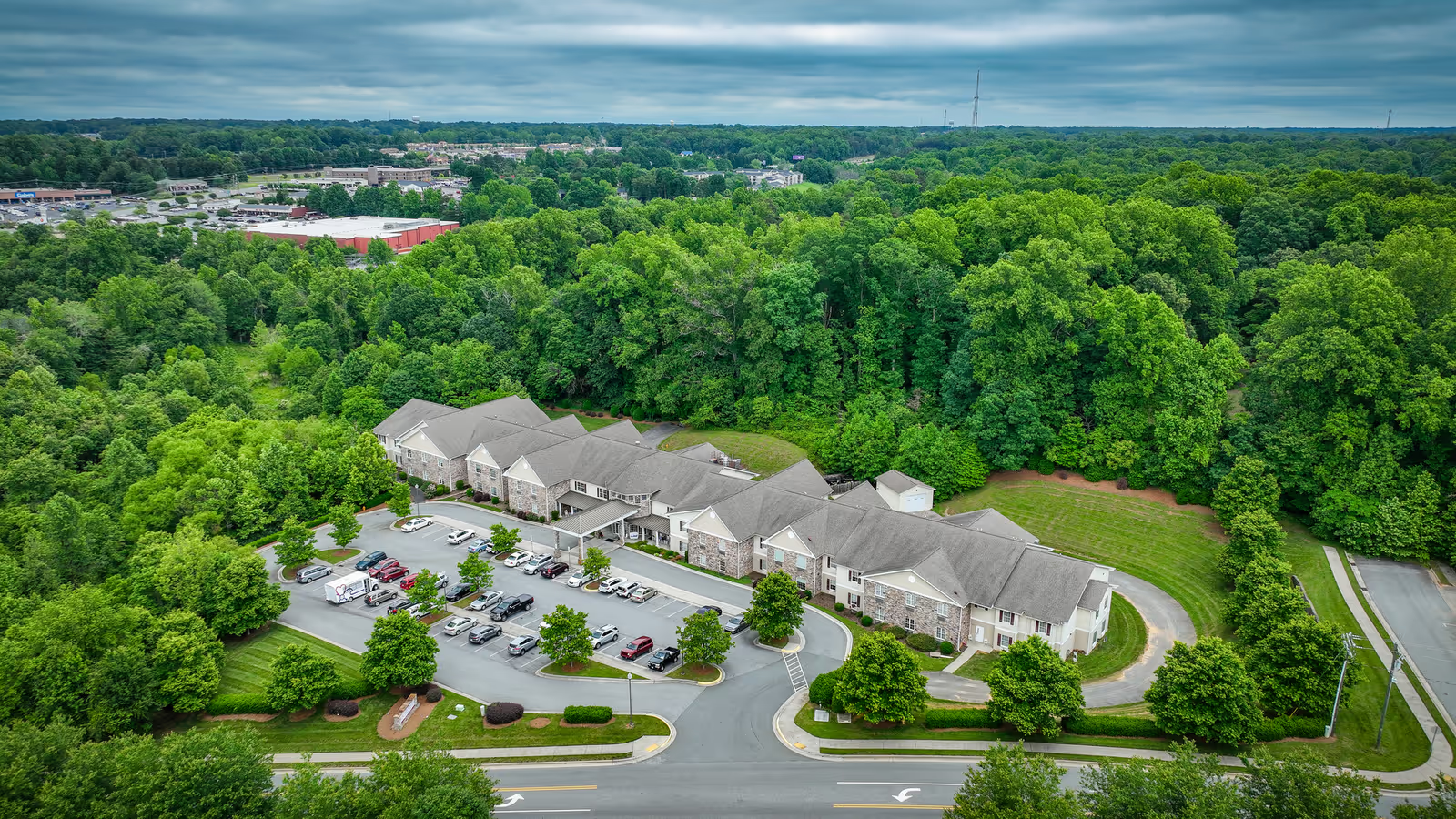
The campus scale and layout are both a strength and a logistical challenge. The large, gated property with multiple care levels provides options for different levels of need, but wayfinding, escorted entry procedures, and the physical separation of cottages from the main building can create accessibility issues—particularly for residents who depend on scooters or transportation to reach dining and main services. Prospective residents should evaluate cottage siting and ask about transportation and escort policies during tours.
Cost and value considerations recur in reviews. The community positions itself at a premium level with a substantial entry fee; several families recommend weighing the fee structure against expectations for clinical oversight and administrative responsiveness. There are also concerning mentions of property and financial security and odor concerns linked to staff areas; these items suggest the facility should be asked about staff screening, property-security protocols, and internal controls.
In sum, Well-Spring offers high-end amenities, a robust activity program, attractive grounds, and notable strengths in rehabilitation services and dining. Prospective residents and families would benefit from in-person tours that include conversations about medication-management procedures, supervisory structures for nursing staff, security and property-protection measures, cottage access logistics, and the facility's process for family communication and dispute resolution to ensure alignment between expectations and operational practices.