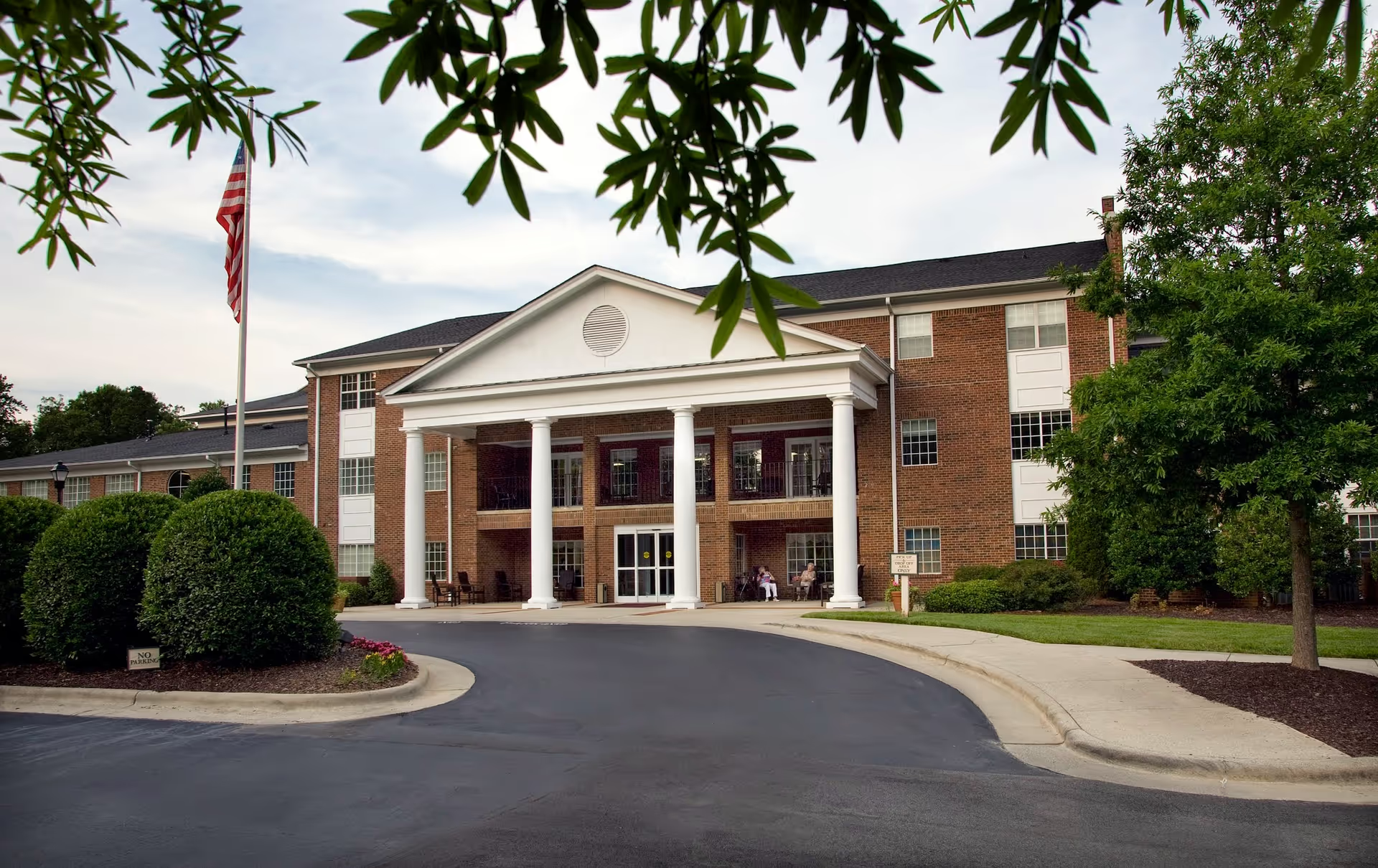
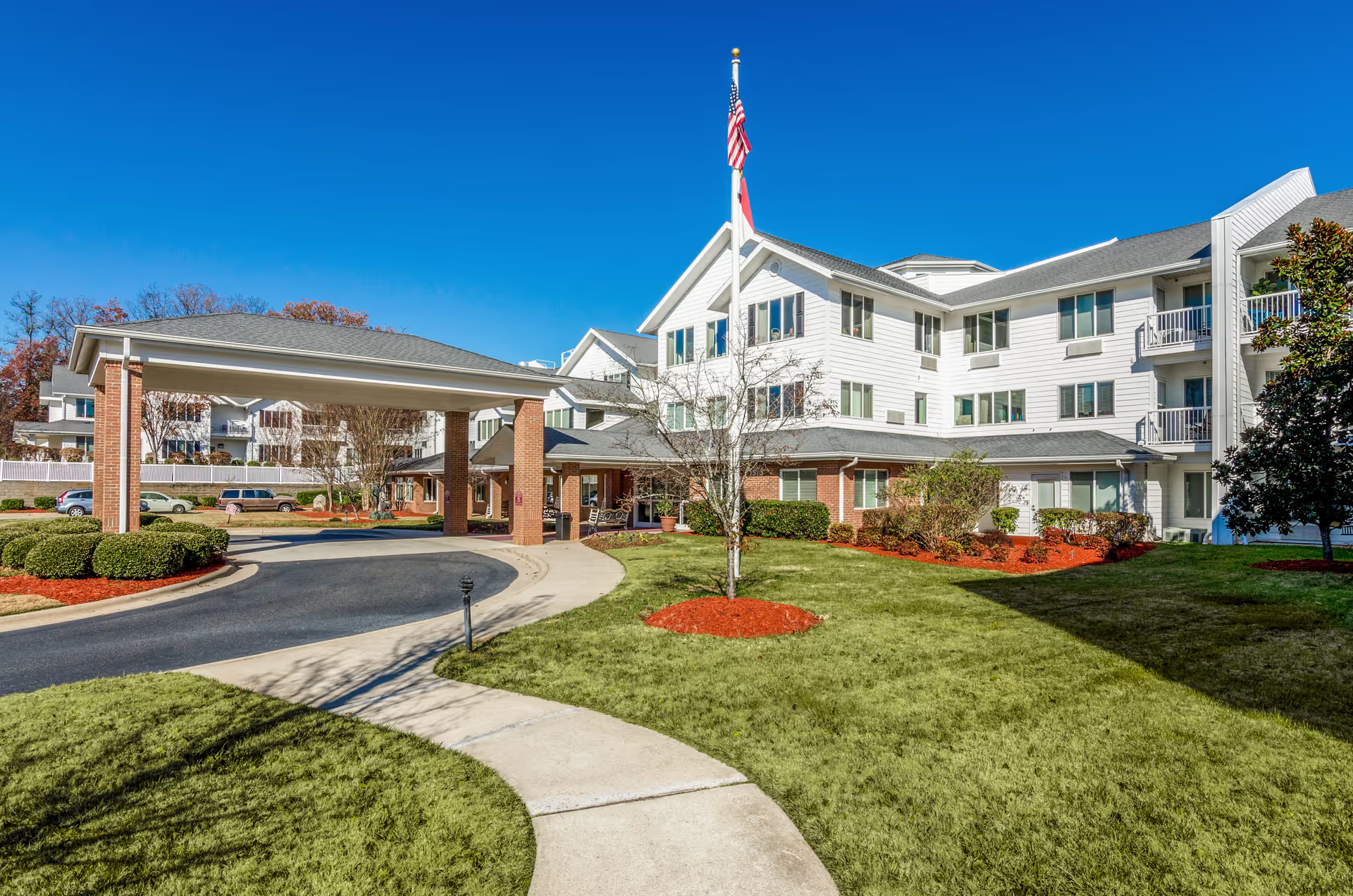
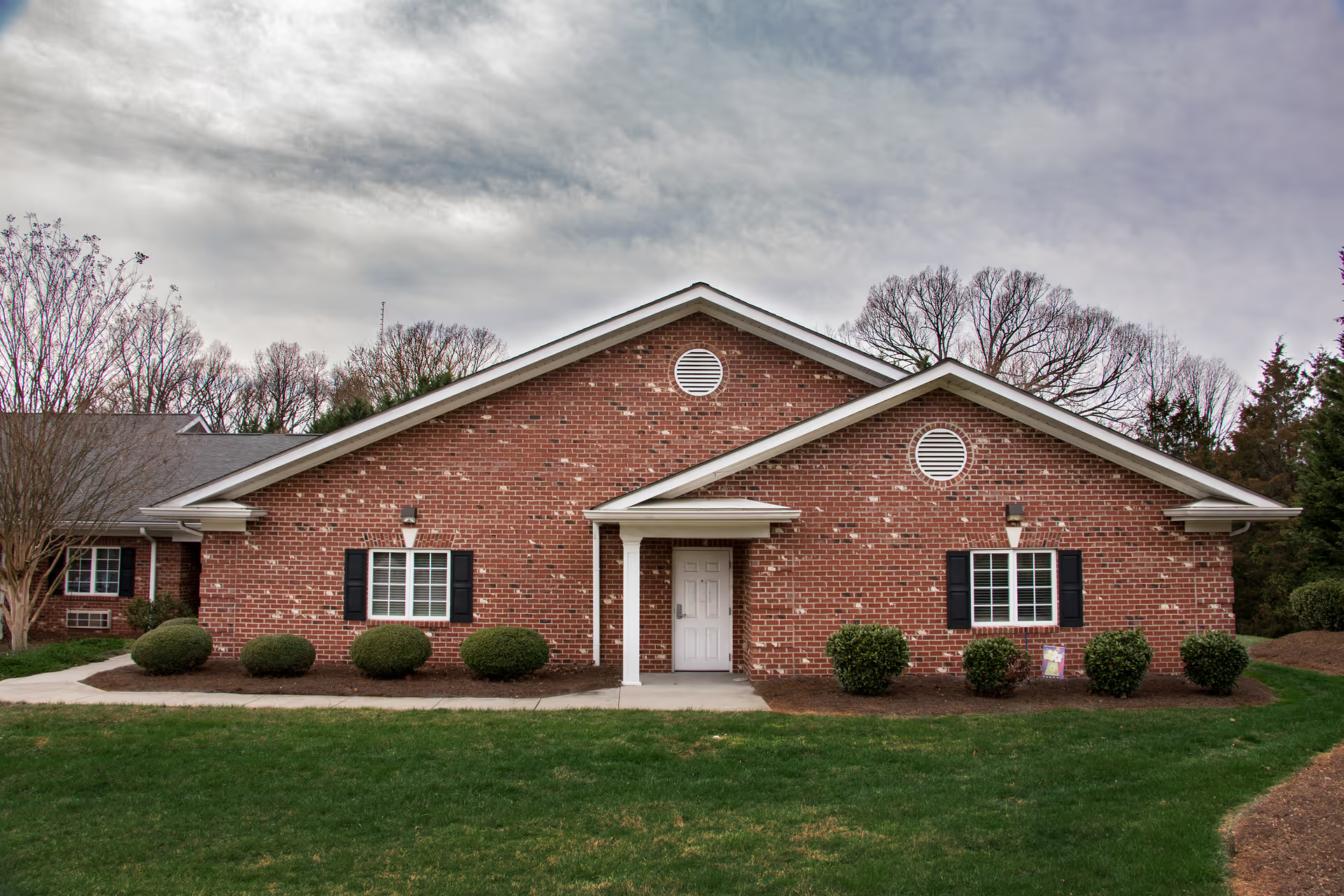
Reviews of Wellington Oaks present a mixed picture with clear areas of strength alongside persistent operational concerns. On the positive side, many families highlighted compassionate direct-care staff, particularly in the memory-care unit, where staff were described as patient and respectful of residents with dementia. Several reviewers praised the activity programming, bright common spaces and an outdoor sun area that contribute to a home-like atmosphere. Some families also noted updated furniture in communal areas, clean private rooms, and timely communication from administrators (including family updates via social media during the COVID period).
At the same time, a number of operational weaknesses recur across reviews. Care-quality concerns center on inconsistent staff responsiveness, gaps in clinical oversight (including medication-administration controls and the absence of an RN during some daytime shifts), and instances of delayed attention to medical needs. Safety and supervision gaps were raised in conjunction with falls and injury events; these highlight potential weaknesses in transfer and monitoring practices. Staffing appears uneven: while holiday coverage and certain shifts were described as adequate, after-hours coverage and HR responsiveness were characterized as unreliable by some families.
Housekeeping, laundry, and facilities maintenance show substantial variability. Several reviewers described clean, well-kept areas and praised certain staff for above-and-beyond efforts, while others raised sanitation concerns, odor issues in some common areas, broken laundry equipment, and problems with floor maintenance. There are also reports indicating lapses in personal-property management and allegations of mishandling or misplacement of belongings. The building itself was described as older and in need of investment in some areas, even as portions have been refreshed.
Dining and kitchen operations likewise showed inconsistency. Some residents and families reported good meals and consistent nutrition, whereas others described low-quality or largely processed meal options and expressed concerns about kitchen sanitation and pest-control processes. These diverging accounts suggest variability in food-service standards or in how different units are managed.
Leadership and management receive both praise and criticism. Several families singled out specific administrators and directors as effective, approachable, and communicative; others described autocratic or unresponsive management practices, perceived favoritism, and unsatisfactory HR follow-up. A few reviews urged regulatory involvement or raised concerns about documentation and incident handling, indicating potential gaps in compliance and family-facing processes.
What emerges is a facility with meaningful caregiving strengths, especially in parts of the campus and within its memory-care programming, but also with operational, staffing, and oversight issues that materially affect resident experience. Prospective residents and families should balance the positive accounts of compassionate care and engaging programming against the operational concerns above. Recommended next steps before placement include: touring the specific unit under consideration, asking for current staffing rosters and RN coverage schedules, reviewing medication-administration and incident-reporting policies, inquiring about laundry and housekeeping procedures, and requesting recent inspection or compliance records. These steps can help determine whether the parts of Wellington Oaks that perform well match the needs and safety expectations of a particular resident.