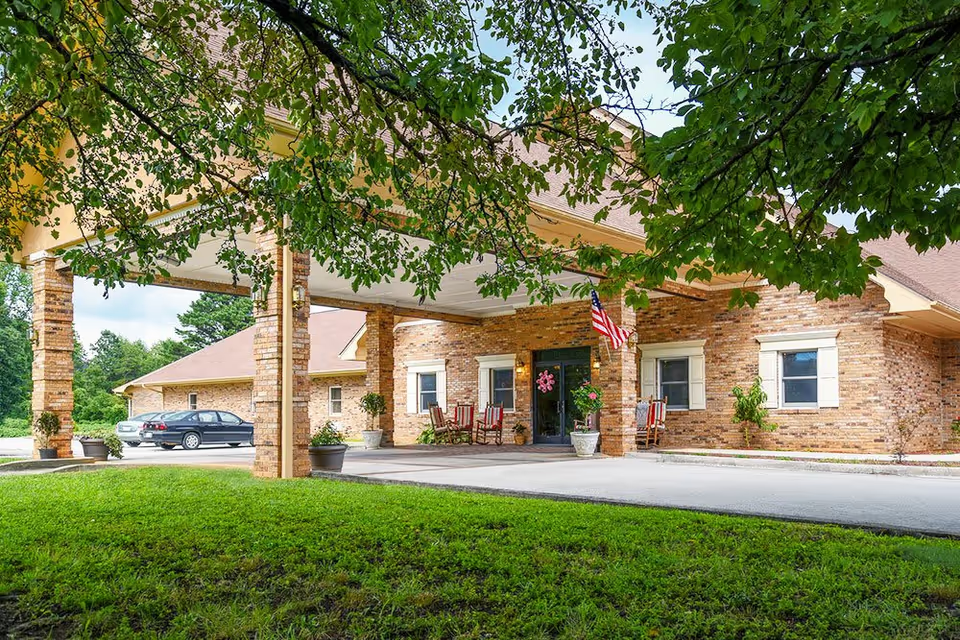
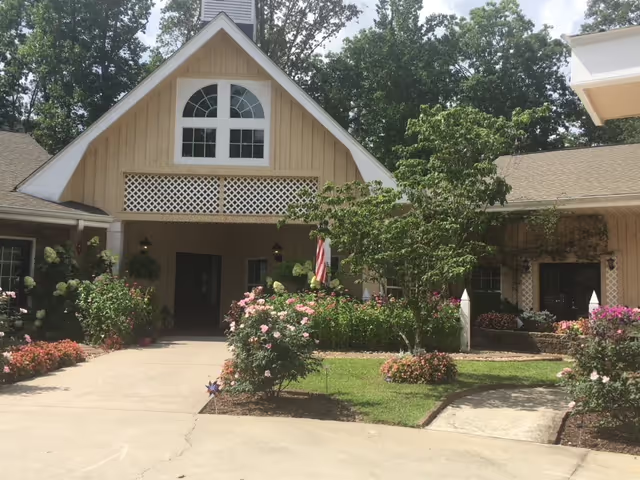
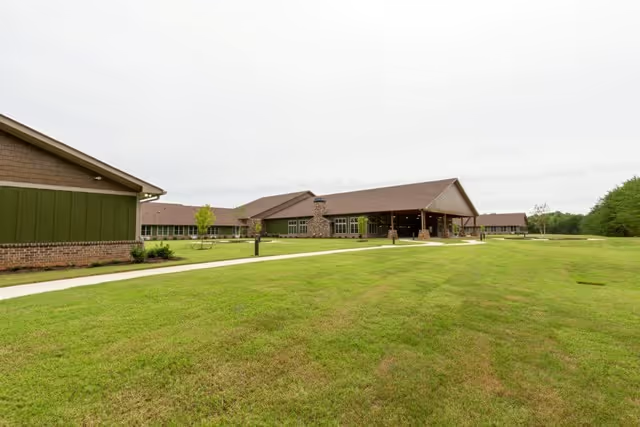
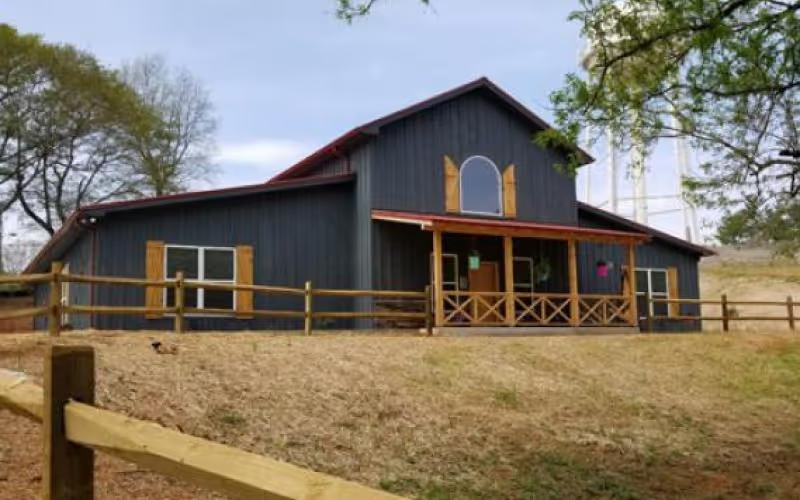
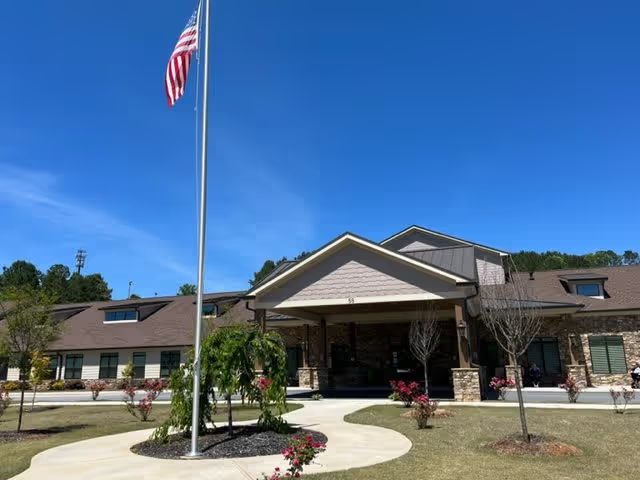
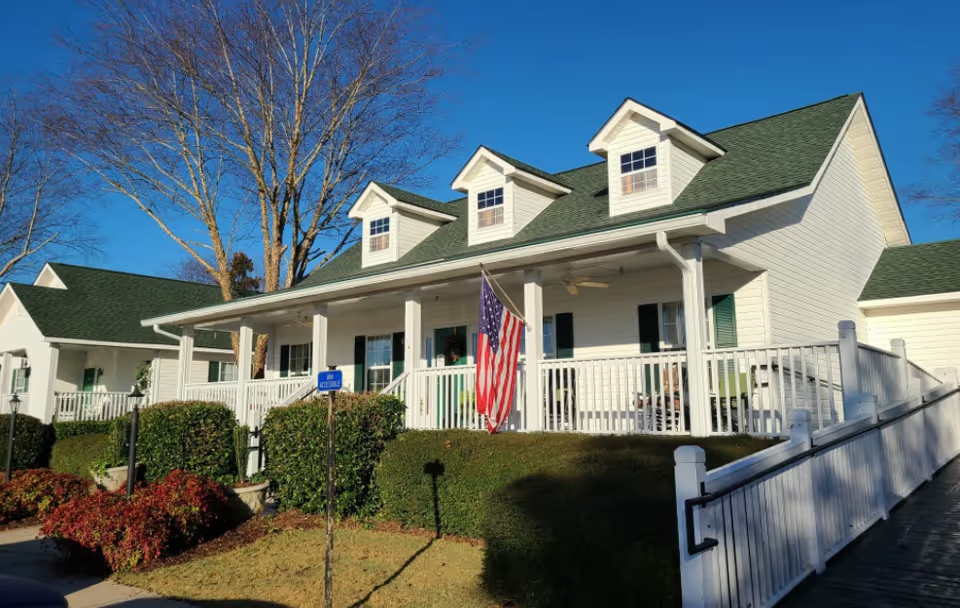
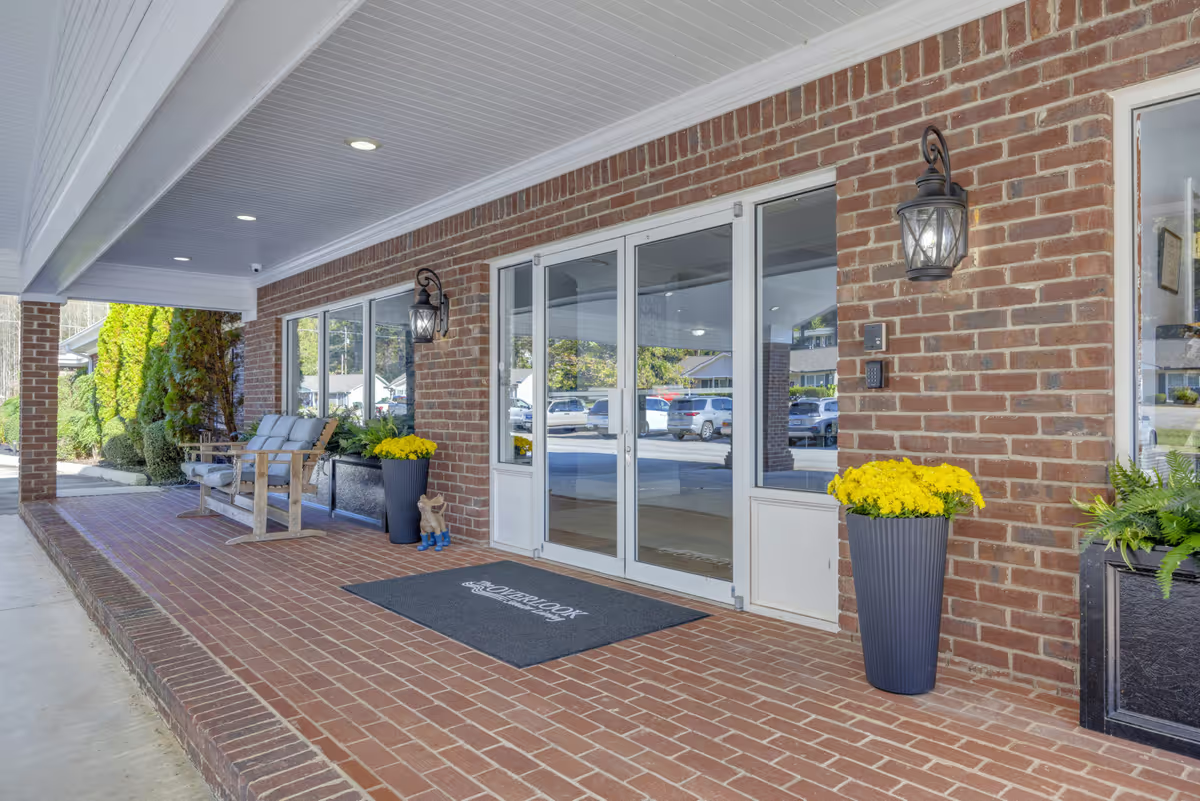
Overall impression: Reviews indicate a facility with a strong, compassionate caregiving culture and a generally comfortable, well‑maintained living environment. Many family members describe caregivers as kind, attentive, and willing to go above and beyond; several comments characterize staff–resident relationships as family‑like and note high resident satisfaction. Common positive points include clean rooms, an inviting communal atmosphere, active programming, and staff who are welcoming to visitors.
Care quality and clinical oversight: Families praise the attentiveness of direct-care staff, but several accounts raise concerns about clinical coverage and the timeliness of medical attention. Reviewers noted the absence of on‑site licensed clinical staff at times and described situations that suggest gaps in medical oversight and emergency-response protocols. Prospective residents and families should clarify current on‑site clinical staffing levels, on-call physician and RN coverage, and the facility’s procedures for escalating urgent medical issues.
Staff conduct and management: Most feedback about staff conduct is positive, emphasizing respectful, loving care and staff who treat residents like family. However, there are isolated reports describing poor communication tone and moments when staff behavior was perceived as disrespectful. These contrasting impressions point to inconsistent staff performance rather than a uniform pattern; this suggests a potential need for ongoing staff training, supervision, and quality assurance to maintain consistent standards.
Dining and meals: Dining feedback is mixed. Weekend meals are frequently praised for quality, while weekday meals are described as inconsistent and, in some cases, unappealing. This variability suggests issues with meal-service continuity or kitchen staffing that affect day‑to‑day dining experience. Families should ask about sample menus, meal scheduling, and how dietary preferences or complaints are handled.
Facilities, activities, and sanitation: The building and rooms are consistently described as clean and well maintained, and activity offerings are appreciated by residents. That said, at least one account describes a situation in which sanitation work appeared to take priority over immediate resident attention, indicating potential trade‑offs in operational response during incidents. Clarify how the facility balances infection-control/cleaning tasks with resident-centered responses.
Notable patterns and guidance for families: The dominant positive pattern is a caring, supportive staff and an overall comfortable environment. The dominant operational concerns center on limited on‑site clinical coverage, potential gaps in emergency procedures, inconsistent meal quality, and occasional variability in staff conduct. When touring, families should verify clinical staffing and emergency protocols, sample meals on different days if possible, observe staff–resident interactions, and ask about the facility’s quality‑assurance practices to address inconsistency. These steps will help determine whether the facility’s strong caregiving culture is backed by reliable clinical and operational systems.