Overall impression: Reviews portray Stonehenge Senior Living as a community with a strong emphasis on interpersonal care and well-kept outdoor spaces. The dominant theme is positive: caregivers are described as compassionate, family-oriented, and attentive, and several accounts single out particular buildings (notably Building 2) for consistently excellent staff performance. Medication administration and day-to-day clinical tasks are frequently described as diligent and reliable, and families often characterize the staff–resident relationship as respectful and welcoming.
Care and staff: Staffing is a clear strength. Caregivers are frequently characterized as kind, accommodating, and personable; staff continuity by building is noted as supporting familiarity and better individualized care. Communication with families is generally reported as good, and the facility appears willing to correct administrative errors when they are identified. These factors contribute to a sense of safety and relational stability for many residents.
Dining: The dining program receives mixed but overall positive feedback. Many residents enjoy hot meals and breakfasts, and staff will accommodate simple meal requests. At the same time, there are recurring comments about limited healthy or low-nutrition options and occasional variability in food quality. Prospective residents with specific dietary needs or strong preferences may wish to sample the menu and ask about nutrition choices before committing.
Activities and on-site services: Stonehenge offers an active activities program and several on-site services—laundry, cleaning, a beauty shop, and visiting clinicians such as podiatrists—that support resident convenience and social engagement. Social connections and regular programming are frequently cited as contributors to resident satisfaction. However, activity engagement and variety appear to vary by building; some residents report fewer or less engaging offerings depending on location within the campus.
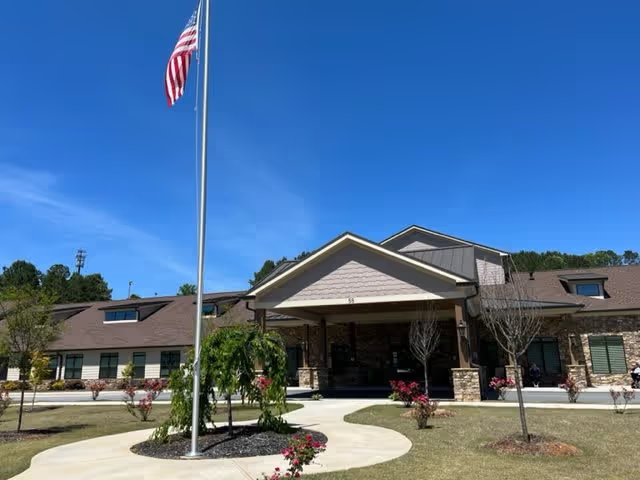
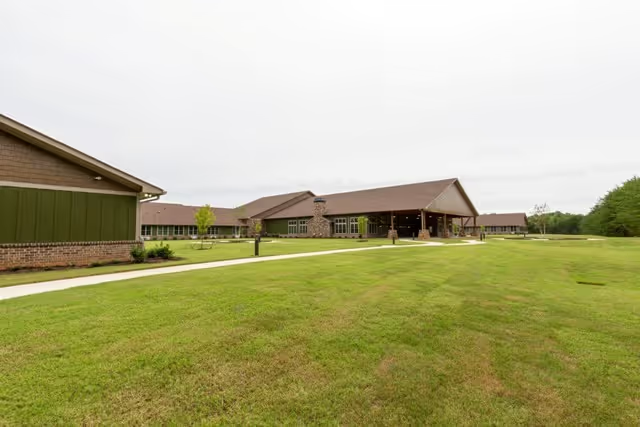
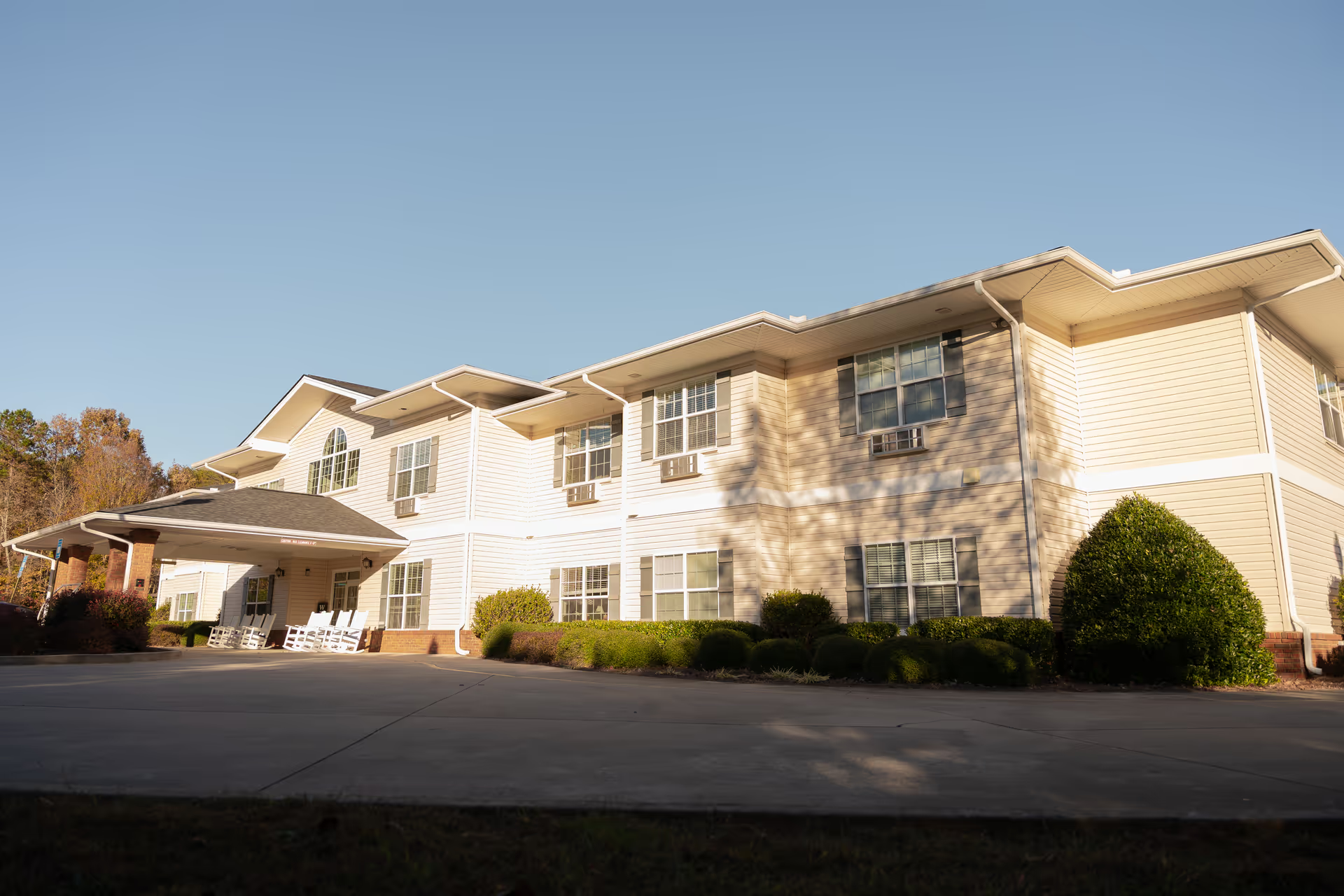
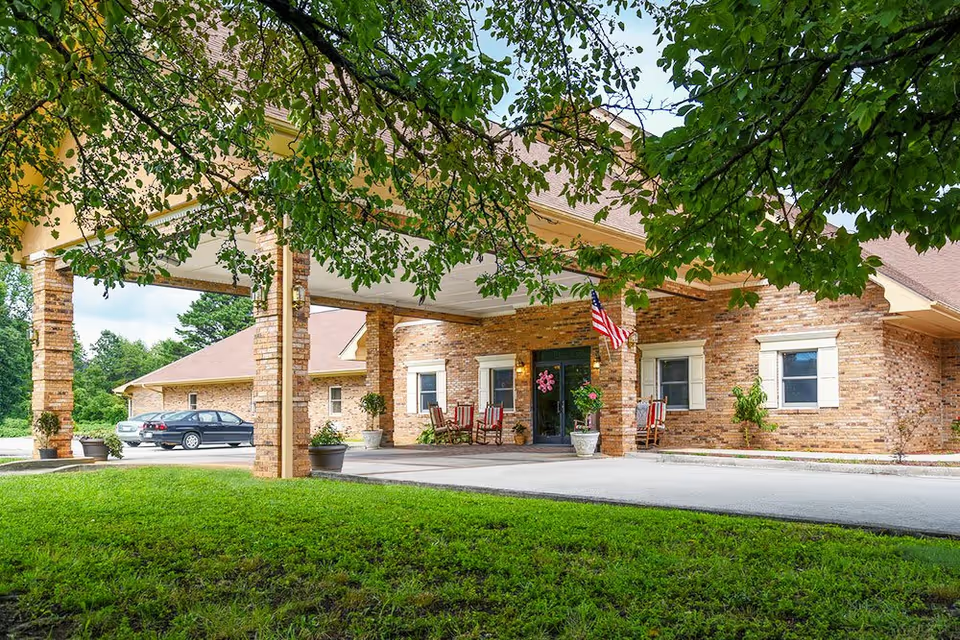
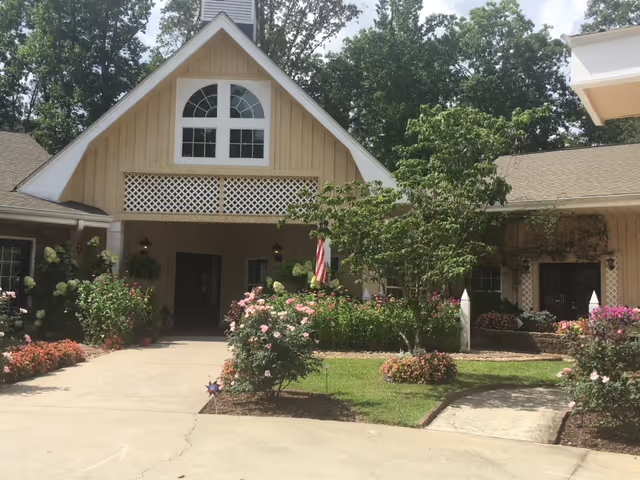
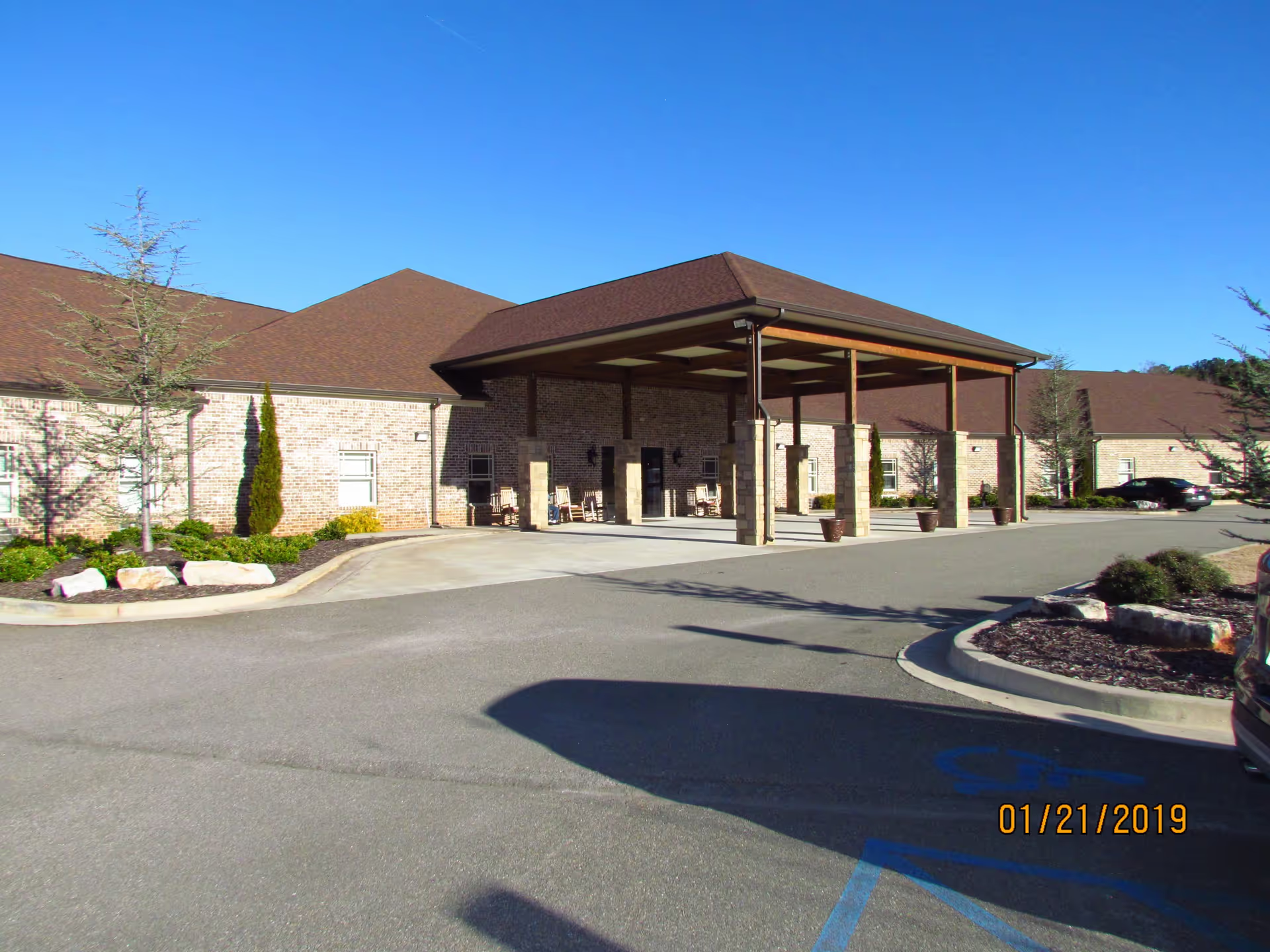
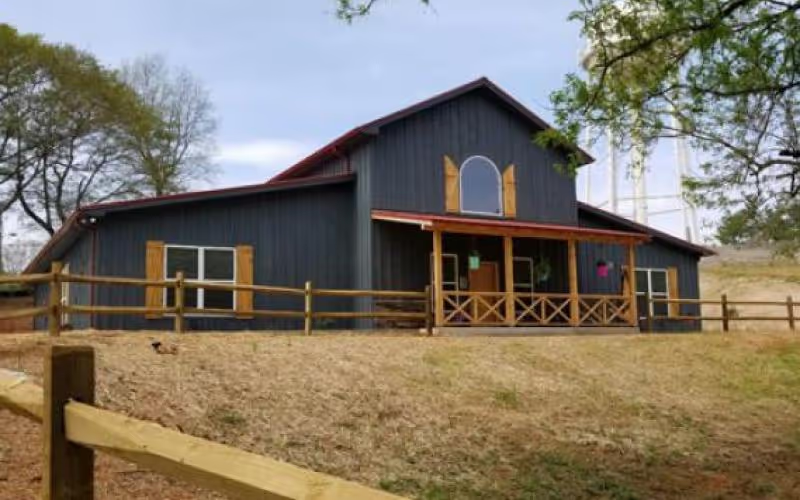
Facilities and maintenance: The campus landscaping, gardens, and many of the buildings are described as attractive and well maintained, with appealing outdoor seating and decks. Resident rooms are often described as bright and comfortable. That said, there are isolated reports indicating variability in unit-level maintenance and cleanliness—examples include dated rooms or maintenance items needing attention—which suggests condition may differ across buildings or units.
Management and operations: Administrative responsiveness is a mixed picture. The administration has corrected billing errors when raised, but there are concerns about rigid billing practices (for example, fee proration and notice-period charges) and occasional gaps in documentation or written confirmation during billing disputes. These operational issues have financial and trust implications for families, particularly those managing tight budgets or vulnerable residents.
Notable patterns and decision points: The strongest and most consistent positives relate to staff quality, medication management, social programming, and attractive grounds. The most significant cautions are operational: meal nutrition/consistency, variable unit maintenance, and billing/documentation practices. Prospective residents and families should consider touring multiple buildings, sampling meals, asking about activity schedules for the specific building, and requesting written explanations of billing policies (including proration and notice periods) before moving in.