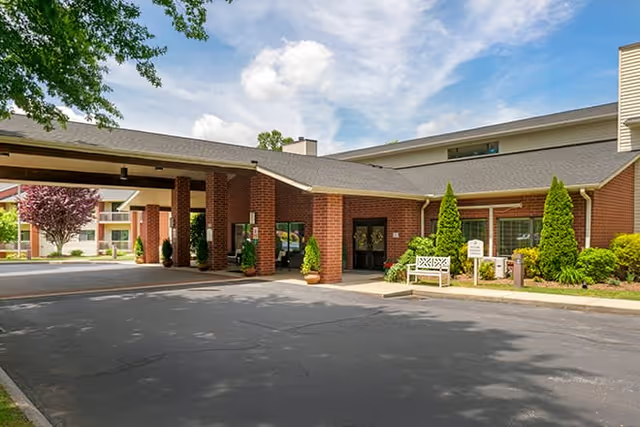
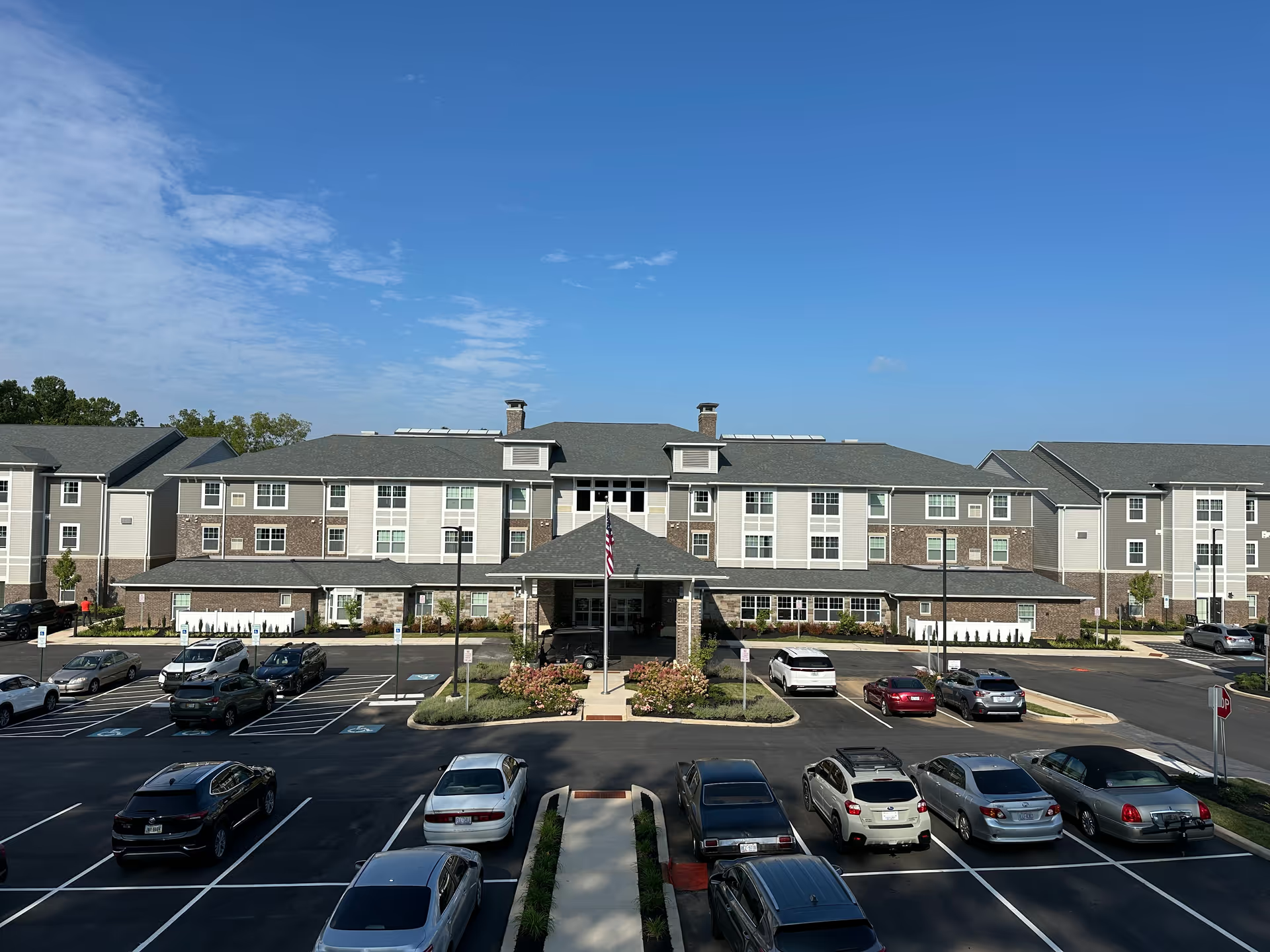
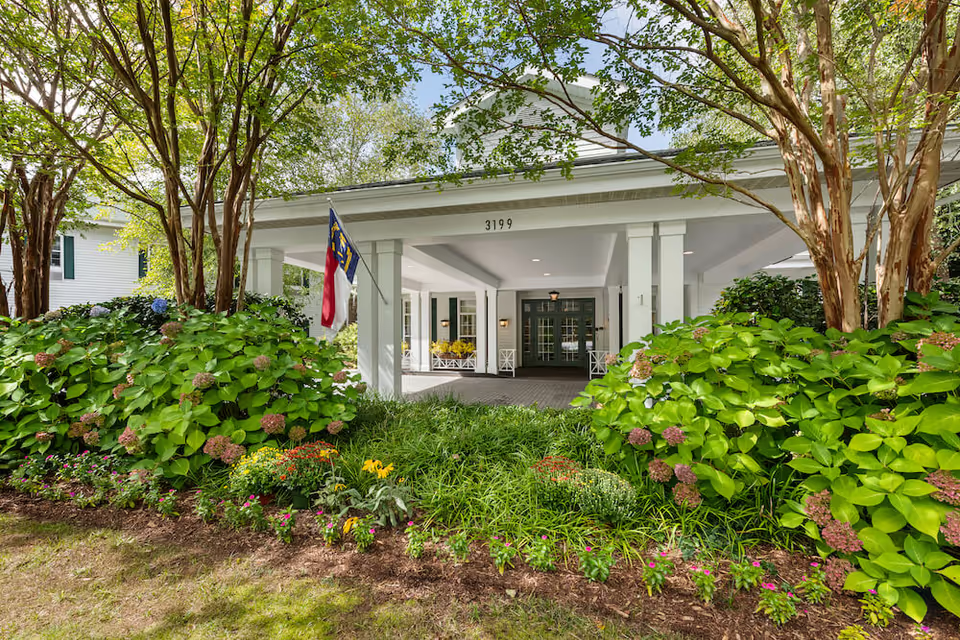
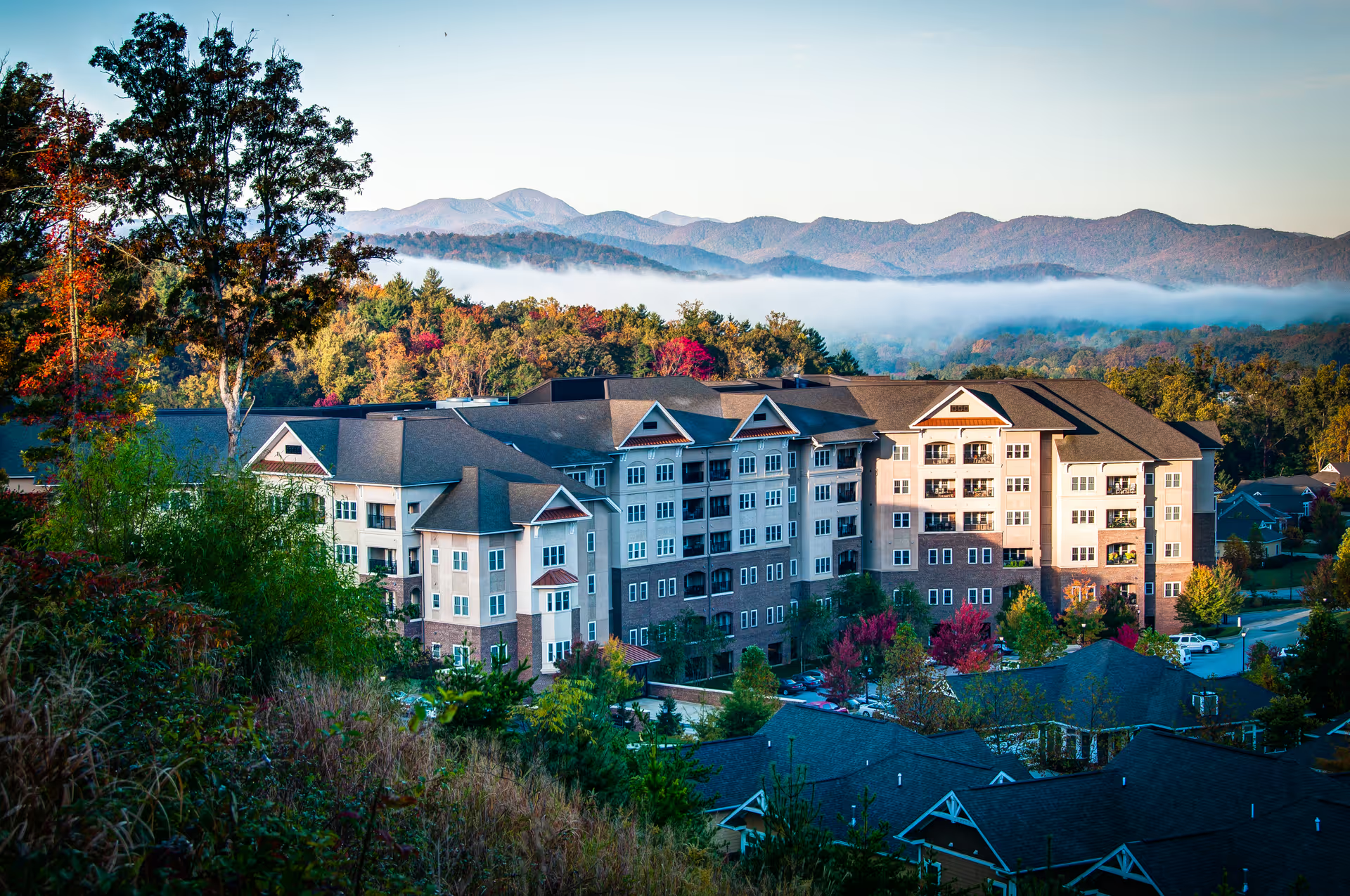
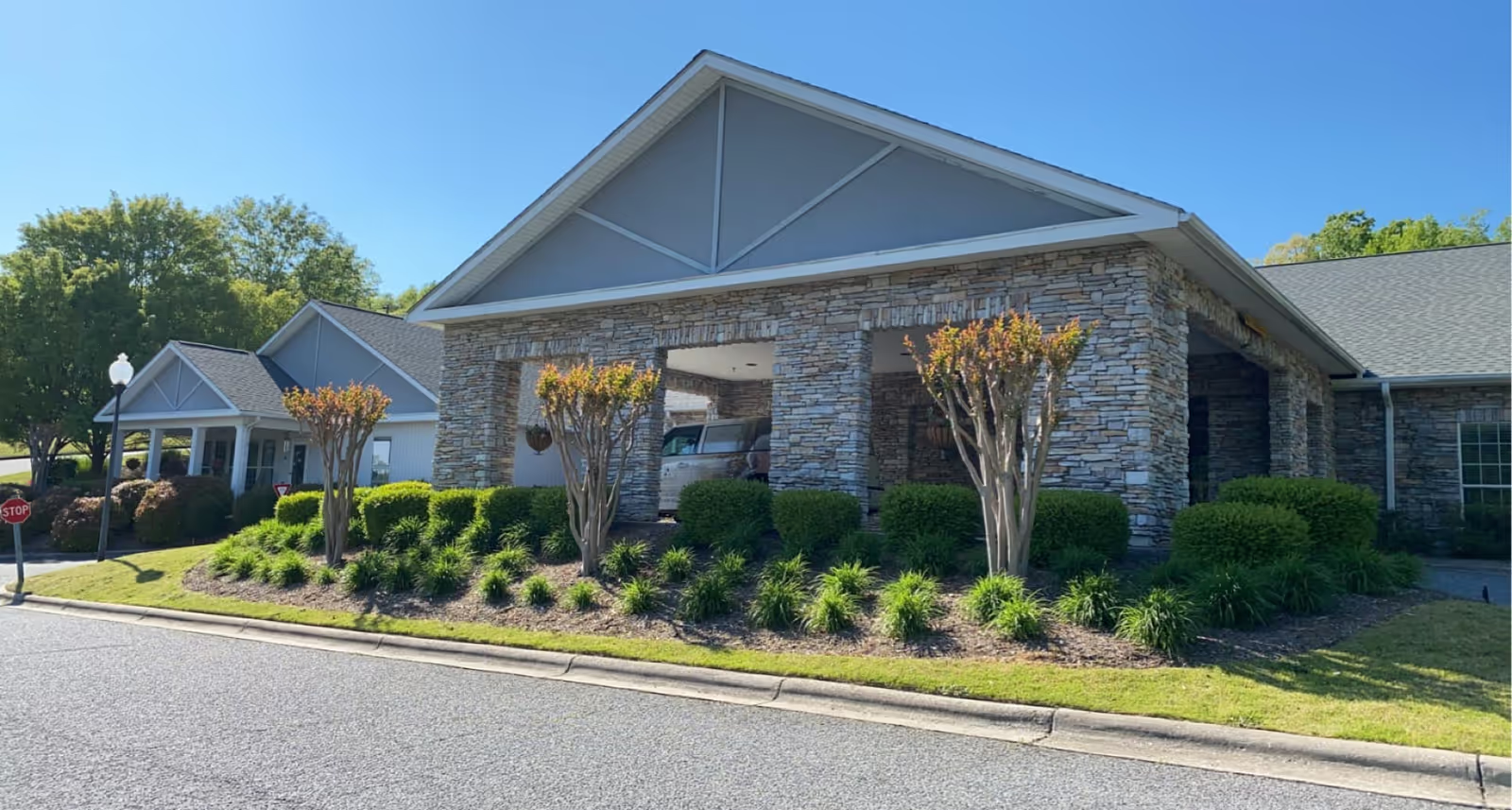
Carolina Reserve of Hendersonville elicits strongly mixed impressions. A clear strength is the caregiving staff: many families describe compassionate, hands-on CNAs and nurses who provide individualized attention, maintain safety protocols, and create a family-like culture. The facility presents well in common areas, with a tidy dining hall, day room, patio and regular social events. Memory-care services are noted as a relative strength, with a secured unit, targeted programming, and staff experienced in dementia-related needs.
Activity programming is frequently highlighted. The community offers music therapy, sing-alongs, piano/flute performances, arts and crafts, bingo, pet therapy, and special events such as birthday parties and holiday ceremonies. These offerings appear to support social engagement for many residents; however, families also describe variability in stimulation level and frequency, and some higher-functioning residents may find the schedule insufficiently challenging at times.
Dining and housekeeping receive mixed assessments. Several families praise food quality and a clean dining environment, while others note inconsistencies in meal quality, temperature control, and recent declines in menu appeal. Housekeeping and room-turnover processes are generally acceptable in common spaces but inconsistent at the unit and room level: examples include rooms not being fully prepared between occupants and isolated odor concerns in specific units. Some rooms and bathrooms are described as dated or small, indicating variability in room standards across the community.
Operationally, staffing levels and continuity are recurring themes. Caregivers are frequently characterized as hardworking and committed, yet high workload, staff reductions, turnover, and delayed compensation changes have been reported as sources of fatigue and uneven coverage. Those workforce pressures correlate with intermittent responsiveness to call systems, occasional lapses in clinical monitoring, and delays in completing requested tasks. There are also mentions of pressure-area care concerns and medication-management inconsistency, suggesting uneven clinical practices that warrant attention.
Management and administrative practices show both strengths and weaknesses. Many families appreciate clear communication, a single point-of-contact, and prompt responses during emergencies (including praise for staff response during a flood and supportive end-of-life care). Conversely, other families describe inadequate follow-through on clinical requests, issues with move-in readiness, and concerns about billing transparency and resident property security. There are isolated but serious allegations of theft and financial misconduct; these claims are not presented as the dominant pattern but are significant and suggest a need for stronger property controls and clearer billing processes.
In sum, Carolina Reserve of Hendersonville offers a number of meaningful strengths—dedicated caregiving staff, engaging programming, a clean and welcoming public environment, and solid memory-care programming. At the same time, variability in staffing, clinical consistency, housekeeping, meal service, and administrative follow-through creates an uneven experience. Prospective residents and families should weigh the facility’s evident person-centered care and activity strengths against these operational risks, and they would be well served to ask targeted questions about staffing ratios, medication protocols, property safeguards, move-in procedures, and recent changes to dining and housekeeping practices during tours and meetings with management.