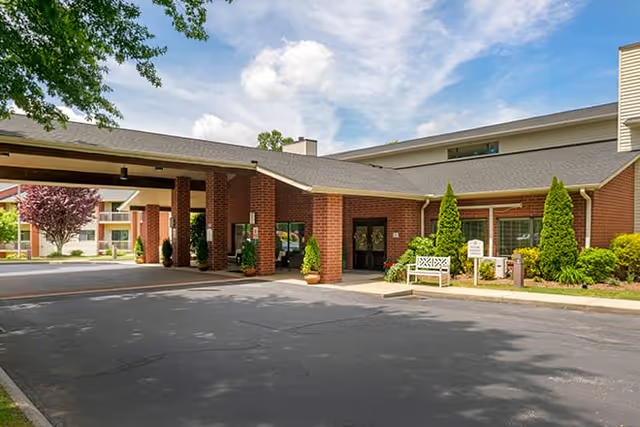
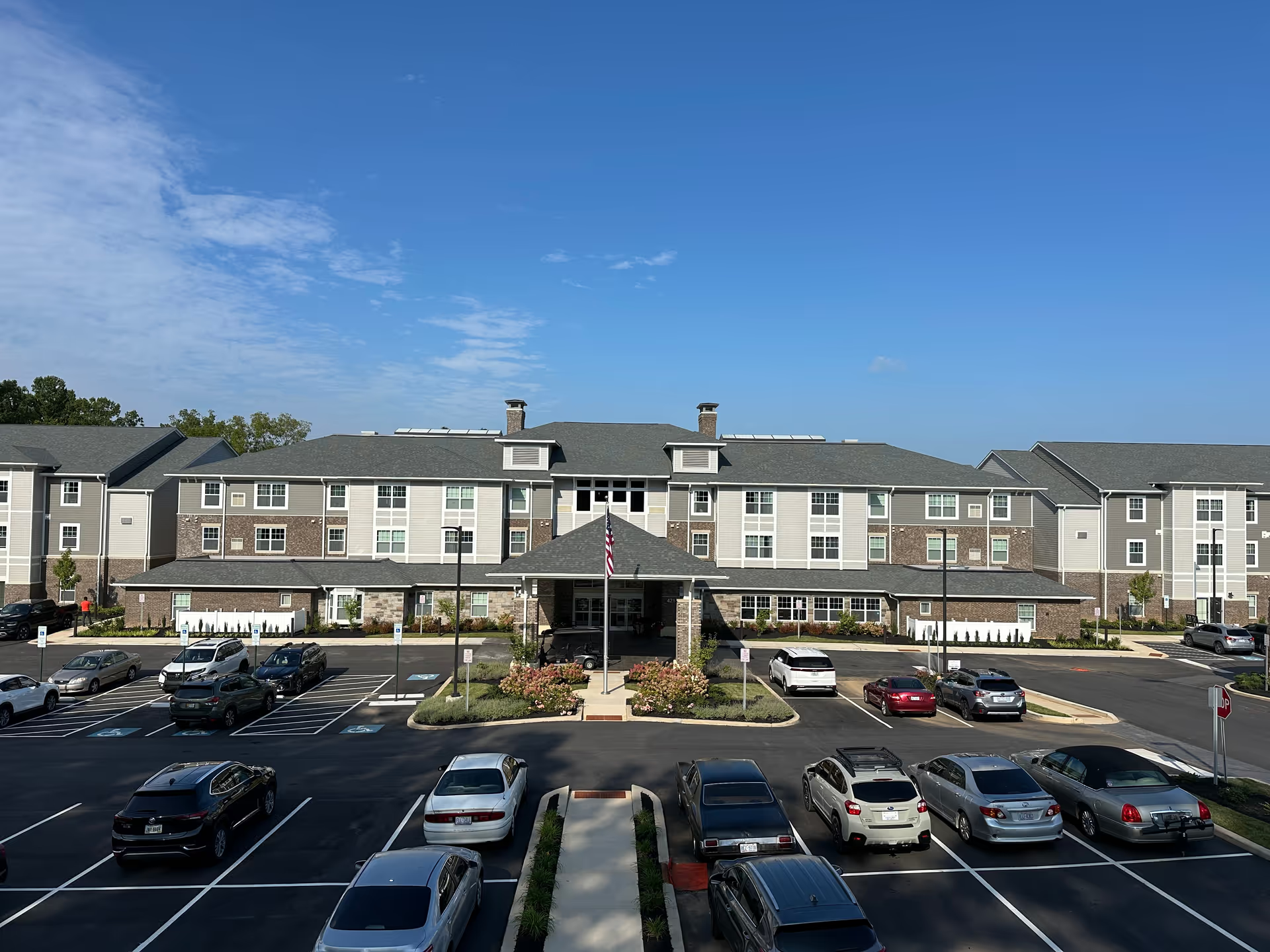
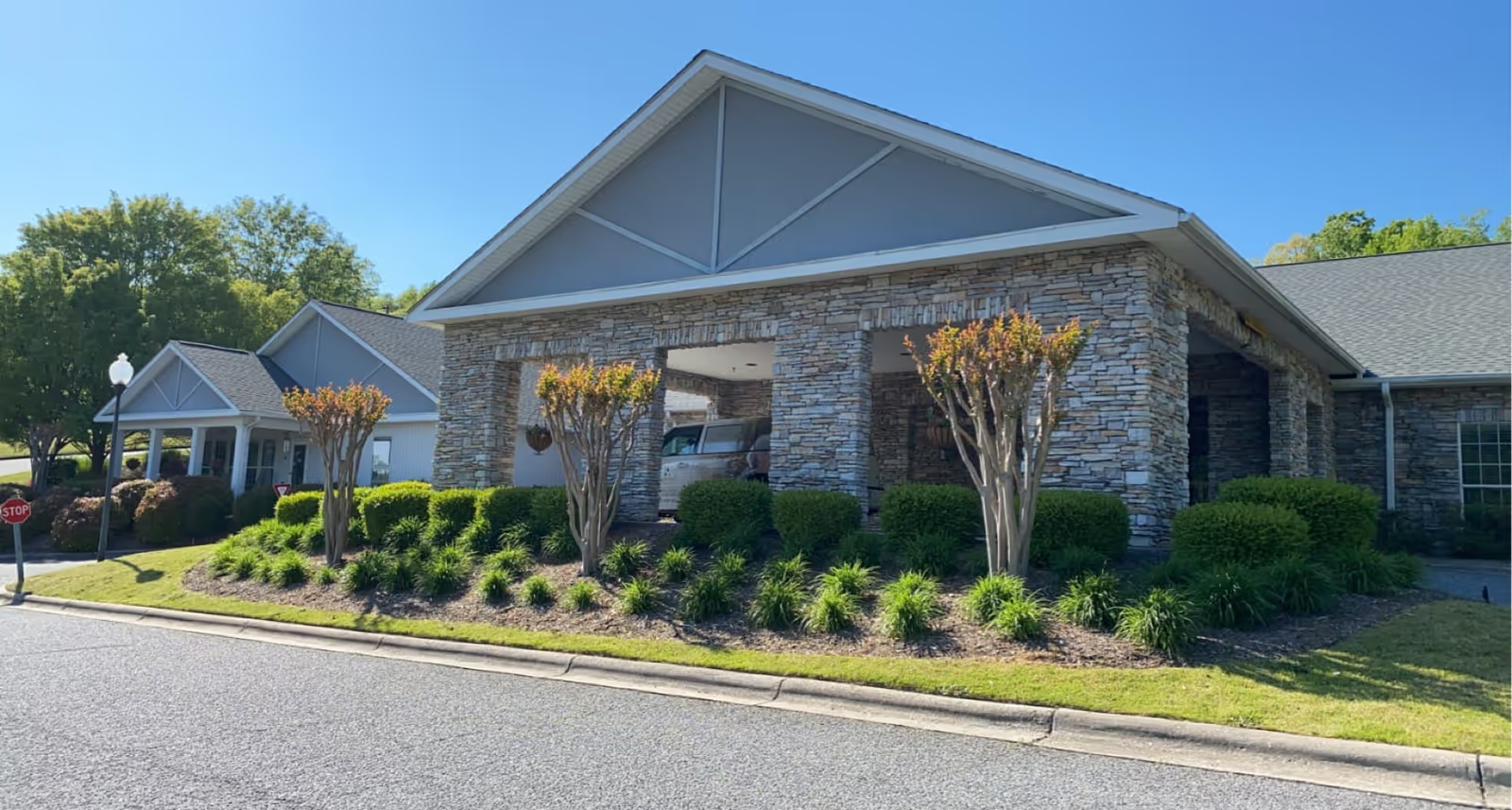
Cherry Springs Village presents as a small, down-to-earth assisted living community with a mix of consistently praised operational strengths and recurring operational weaknesses. Many families and residents describe an easy move-in experience, visible executive and nursing leadership, and staff who are welcoming, helpful, and effective at integrating new residents into community life. The campus is characterized as secure and homey rather than upscale, with an older building stock and a culture that emphasizes social engagement and pets.
Care quality assessments are mixed. Positive accounts highlight attentive direct-care staff and leadership that resolves routine issues professionally. However, there are repeated concerns about clinical follow-up in higher-acuity situations — most prominently pain control and post-surgical management — and some families felt they needed to advocate actively to achieve timely clinical responses. Reviewers emphasized that this is an assisted-living setting rather than a nursing-care facility and that residents generally need to meet a physical-fitness baseline.
Dining and basic services are frequently cited as strengths: the facility provides three meals daily plus snacks, with generally favorable comments about food quality, and a weekly laundry service that marks clothing. Activities and programming are also noted positively by many residents who report improved socialization and active participation in events. At the same time, a subset of accounts describe limited or inconsistent activity offerings and periods when communal areas feel crowded, which can reduce access to planned events.
Facility condition and operations show variability. Several families praised cleanliness and a well-kept, home-like environment, while others described sanitation and organization concerns in certain common areas and administrative spaces. Smoking exposure and associated odor issues were mentioned as a contributor to comfort problems. The facility’s older building and limited communal square footage may contribute to perceptions of crowding.
Management and administrative performance appear inconsistent. Positive remarks reference visible leadership and staff who resolve issues professionally, but other reports describe disorganized office operations, inconsistent follow-through on complaints, and interpersonal conduct concerns during family interactions. These contrasting accounts suggest variability in managerial response depending on the situation; multiple reviews imply that families who are persistent advocates obtain faster resolutions.
Implications for prospective residents and families: Cherry Springs Village may suit those seeking a smaller, community-oriented assisted living setting with regular meals, labeled laundry, and active social programming. Prospective residents with higher clinical needs or families seeking consistently proactive communication should plan targeted questions during a tour: ask about pain- and post-operative protocols, staff-to-resident ratios at different times of day, smoke policies, room-size options, and how the facility documents and closes complaint tickets. Observing mealtime, an activity period, and the administrative office during a visit may help clarify whether the facility’s operational style matches the prospective resident’s expectations and needs.