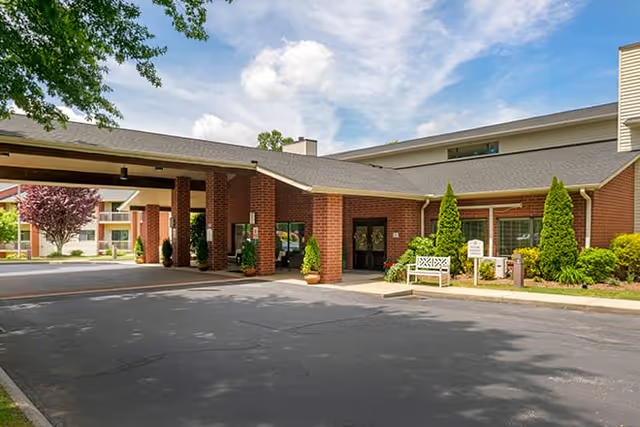
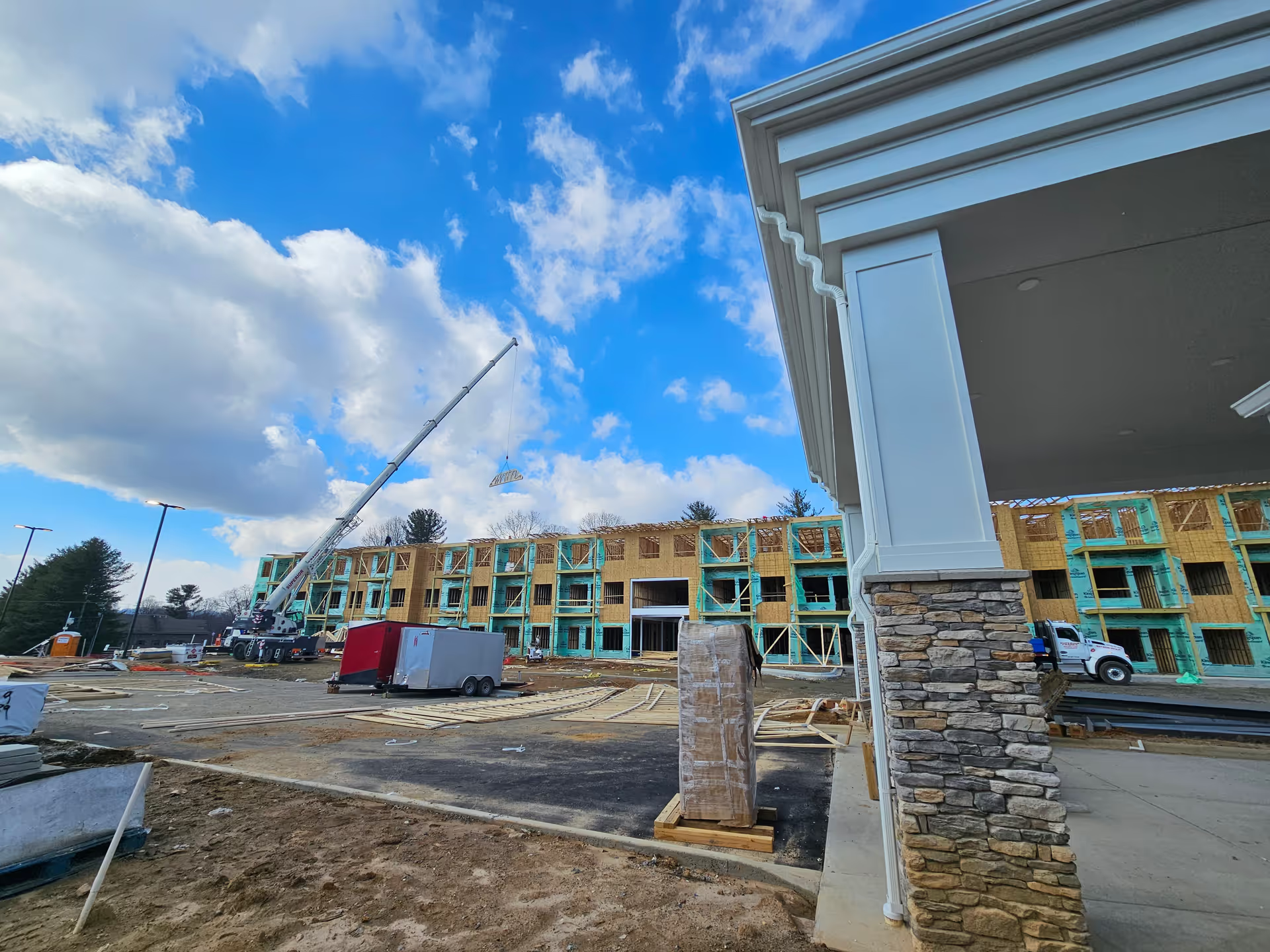
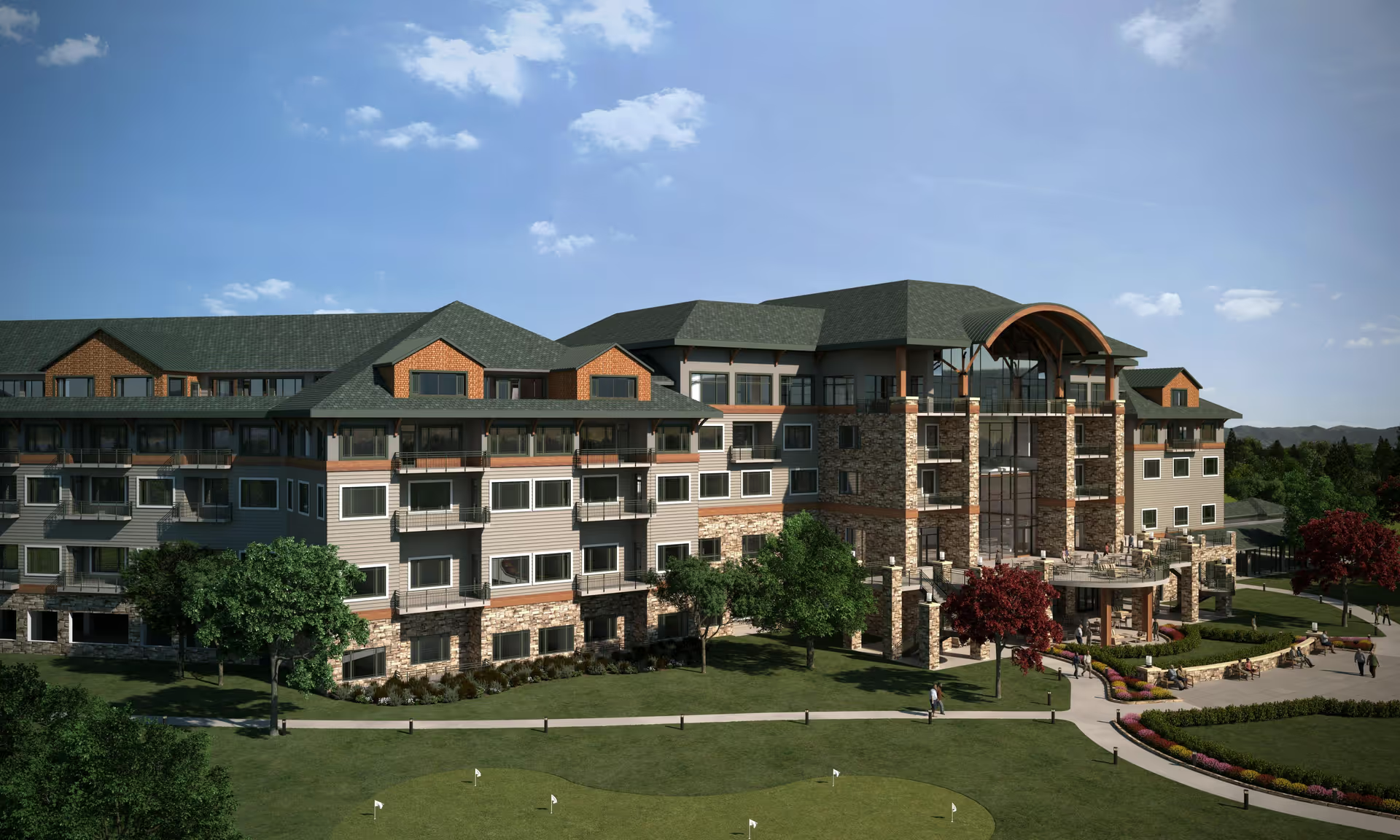
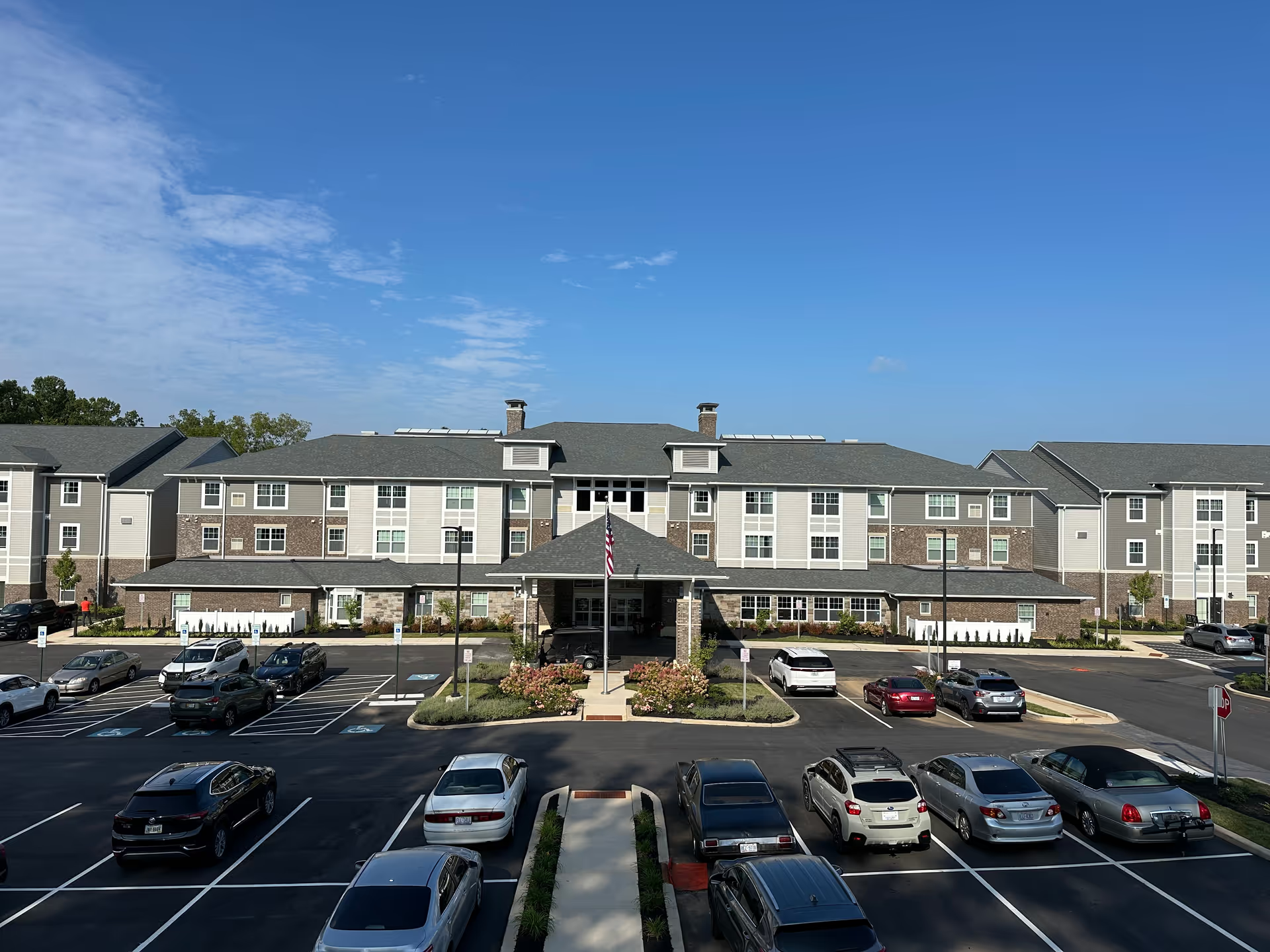
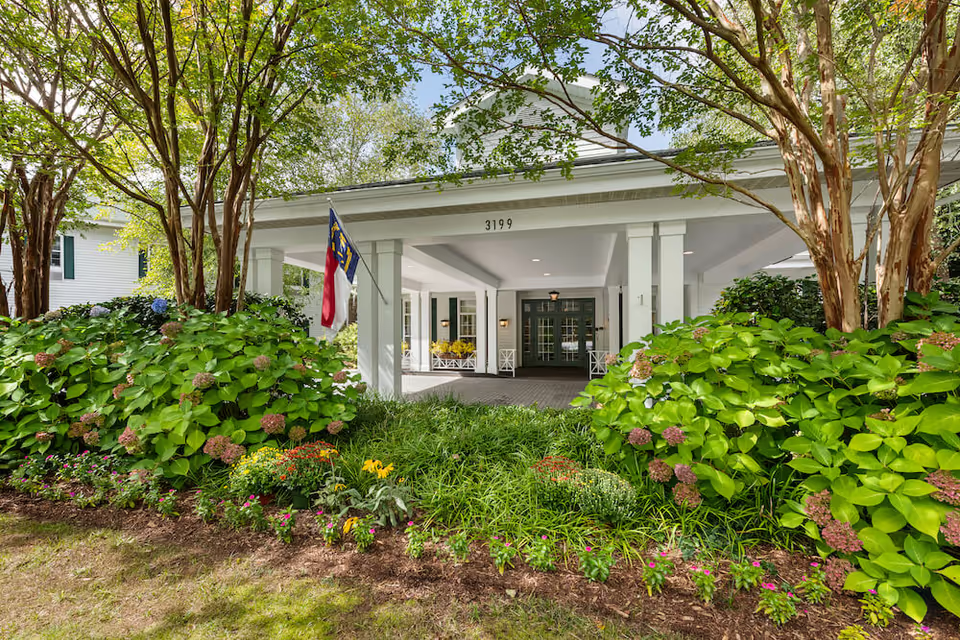
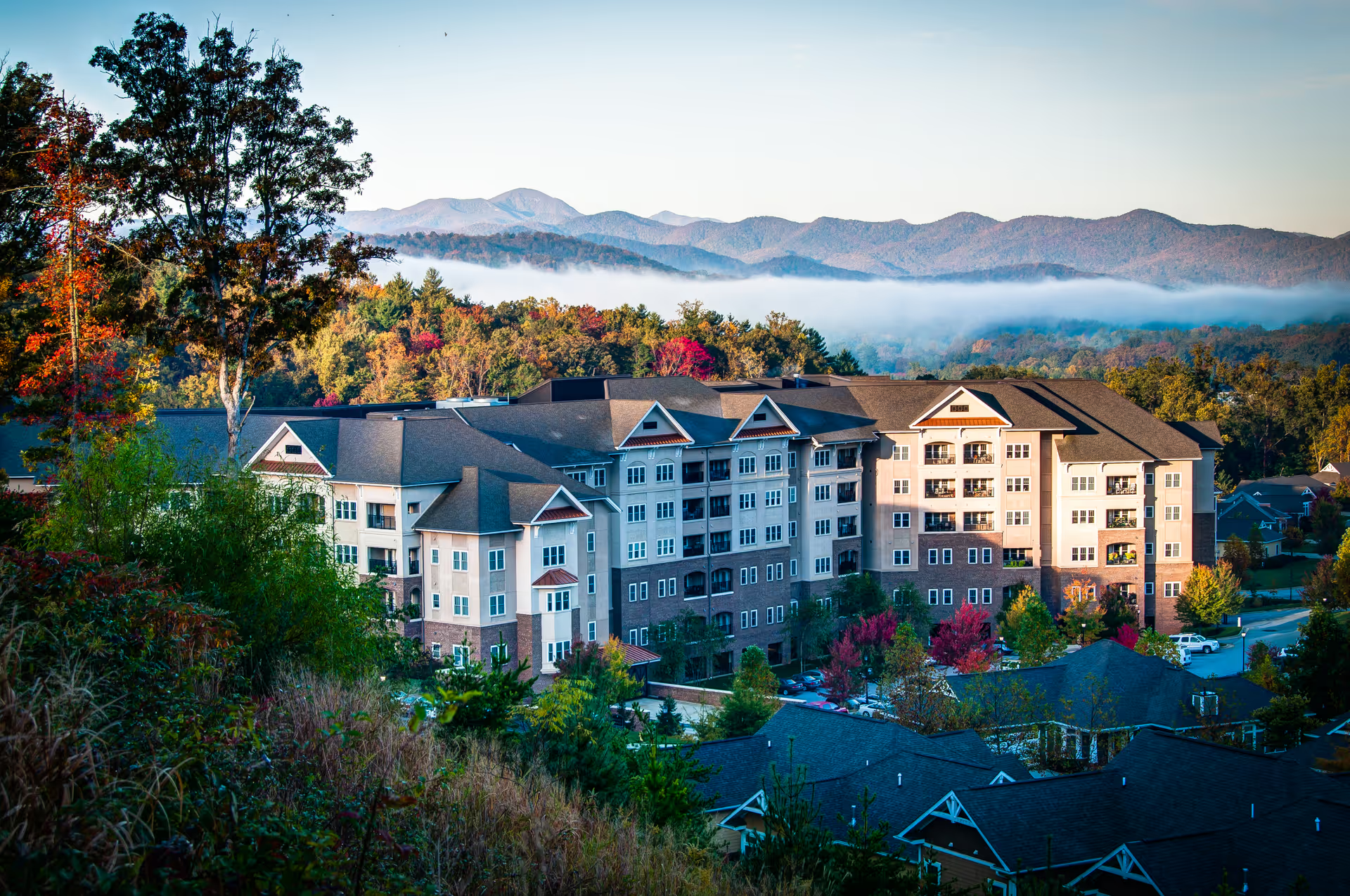
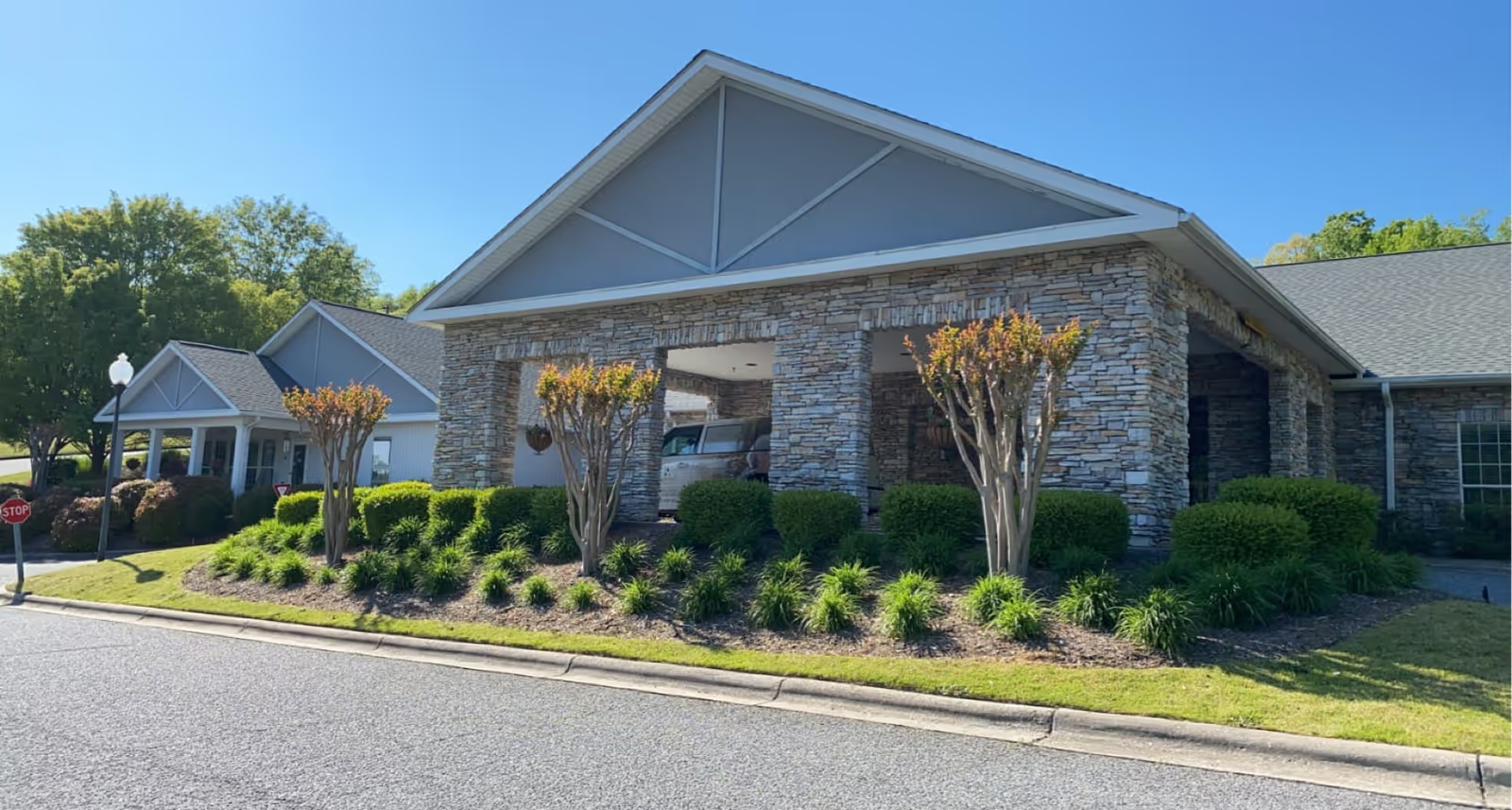
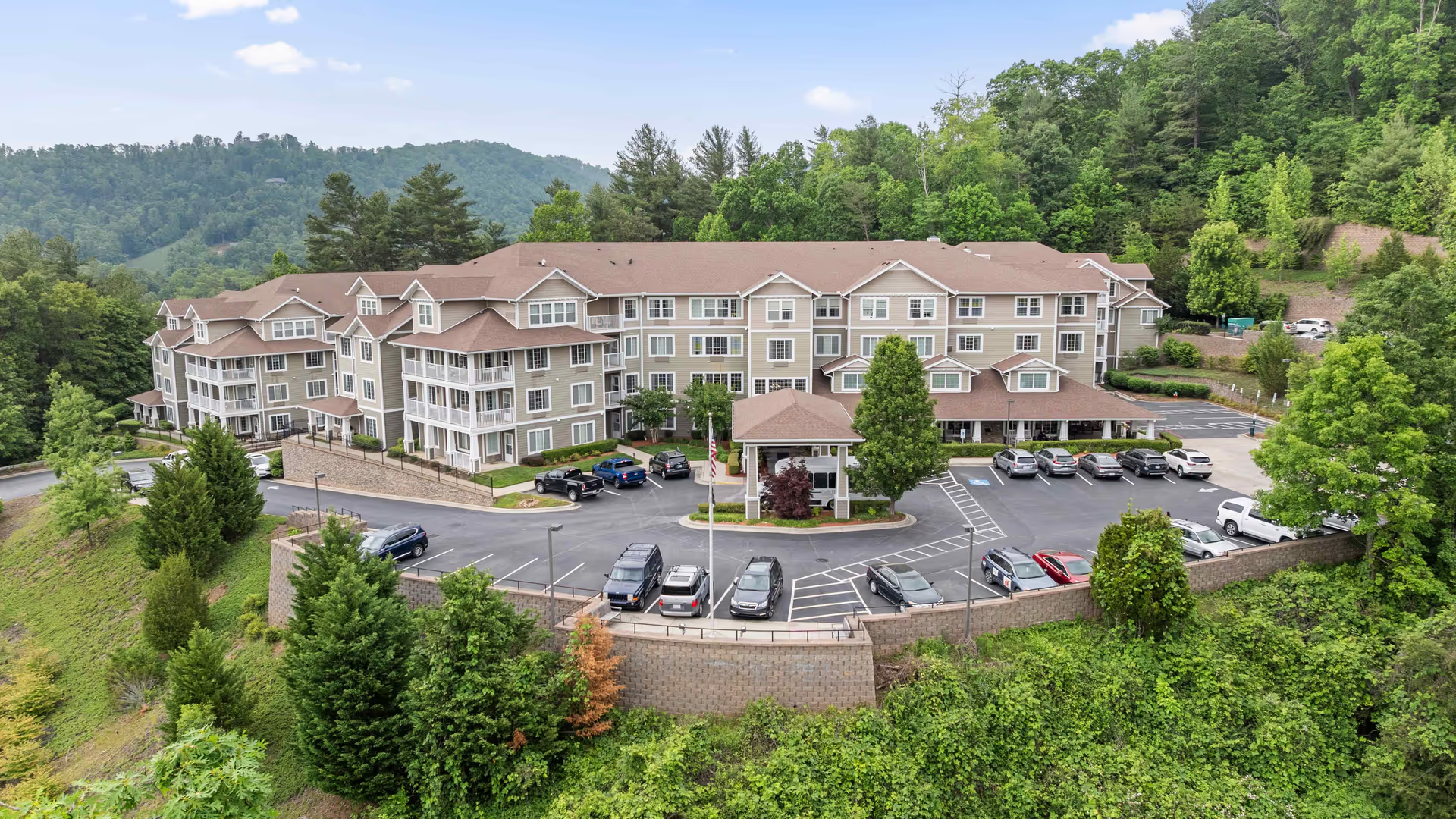
The Greens at Hendersonville elicits a strongly mixed set of impressions. Many families and residents praise the clinical teams—nurses, CNAs and therapists—highlighting compassionate bedside care, effective rehabilitation outcomes, and strong interdisciplinary collaboration. Memory-care programming and activities staff receive frequent commendation for dementia-focused engagement and social programming that support resident wellbeing. Admissions and certain administrative staff are also repeatedly described as helpful and professional, and several accounts note owner or leadership intervention to address concerns.
Alongside those positives are recurring operational weaknesses that affect daily care. Staffing levels and scheduling emerge as a central theme: reviewers describe persistent understaffing, limited night coverage, and constrained CNA availability. Those staffing limits are linked to inconsistent responsiveness to call lights and phone inquiries, delays in routine personal-care tasks, and reports of missed or delayed attention after falls or transfers. Several families described inconsistent application of fall-precaution practices and conflicting explanations following clinical incidents, which points to gaps in both safety processes and post-incident communication.
Dining and dietary management present uneven performance. Some reviewers found meals acceptable and praised therapy and dietary staff, while others described poor or starch-heavy meals and difficulty obtaining accommodations for specific medical diets (for example, post-bariatric and diabetes-related restrictions). Reviewers also raised concerns about facilities and resources: an older building with smaller rooms, occasional temperature-control issues, and frequent alarm/disruption events were noted as factors that disrupt resident comfort and routines. Multiple accounts cited supply constraints affecting food and caregiving supplies.
Property control and communication are additional areas of concern. There are reports alleging missing personal belongings and inconsistencies in returning resident items; these raise questions about inventory and property-management processes. Communication with families is described as uneven—some families experienced timely, collaborative exchanges, while others reported conflicting information and difficulty getting reliable updates. Several reviews indicate that leadership has taken steps to hire new staff and address problems, and some families report improved experiences over time.
For prospective residents and families: the facility demonstrates clear strengths in staff compassion, therapy services, and memory-care programming, but it also shows recurring operational risks tied to staffing, responsiveness, environmental maintenance, dietary consistency, and property controls. When evaluating The Greens, ask specific questions about current staffing ratios (including night coverage), fall-prevention protocols and incident-reporting procedures, dietary accommodation processes, property-inventory safeguards, recent remediation actions by leadership, and opportunities to observe activity and meal service during a visit.