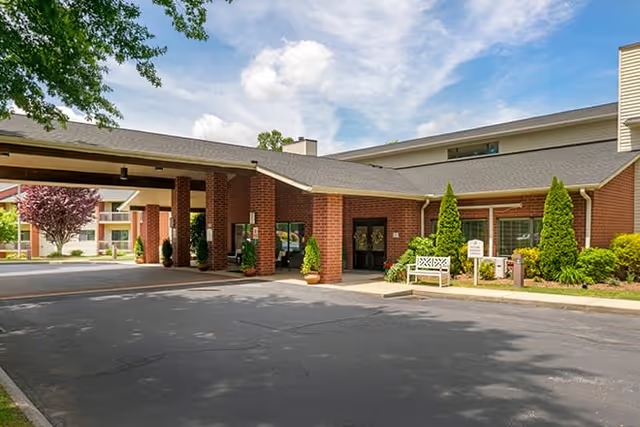
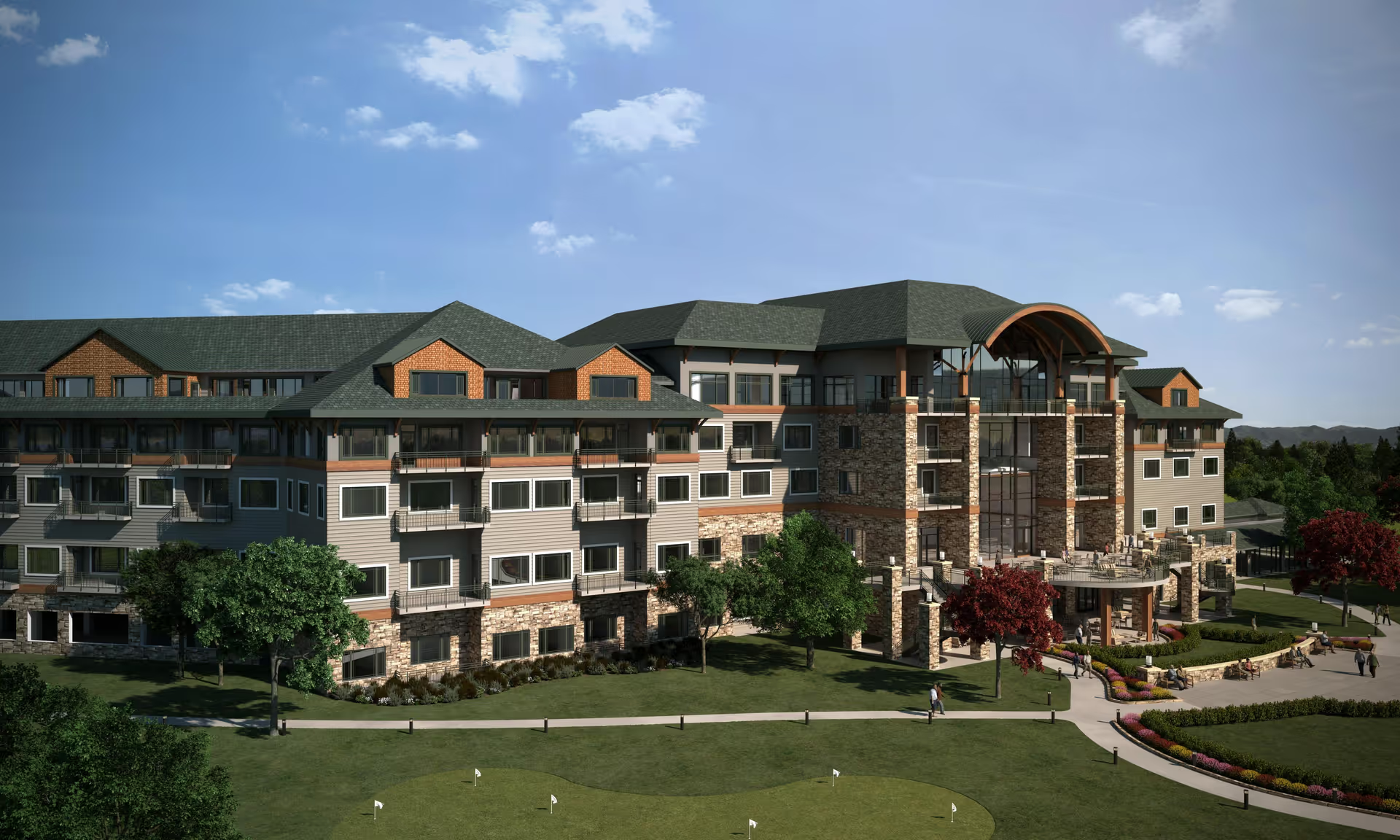
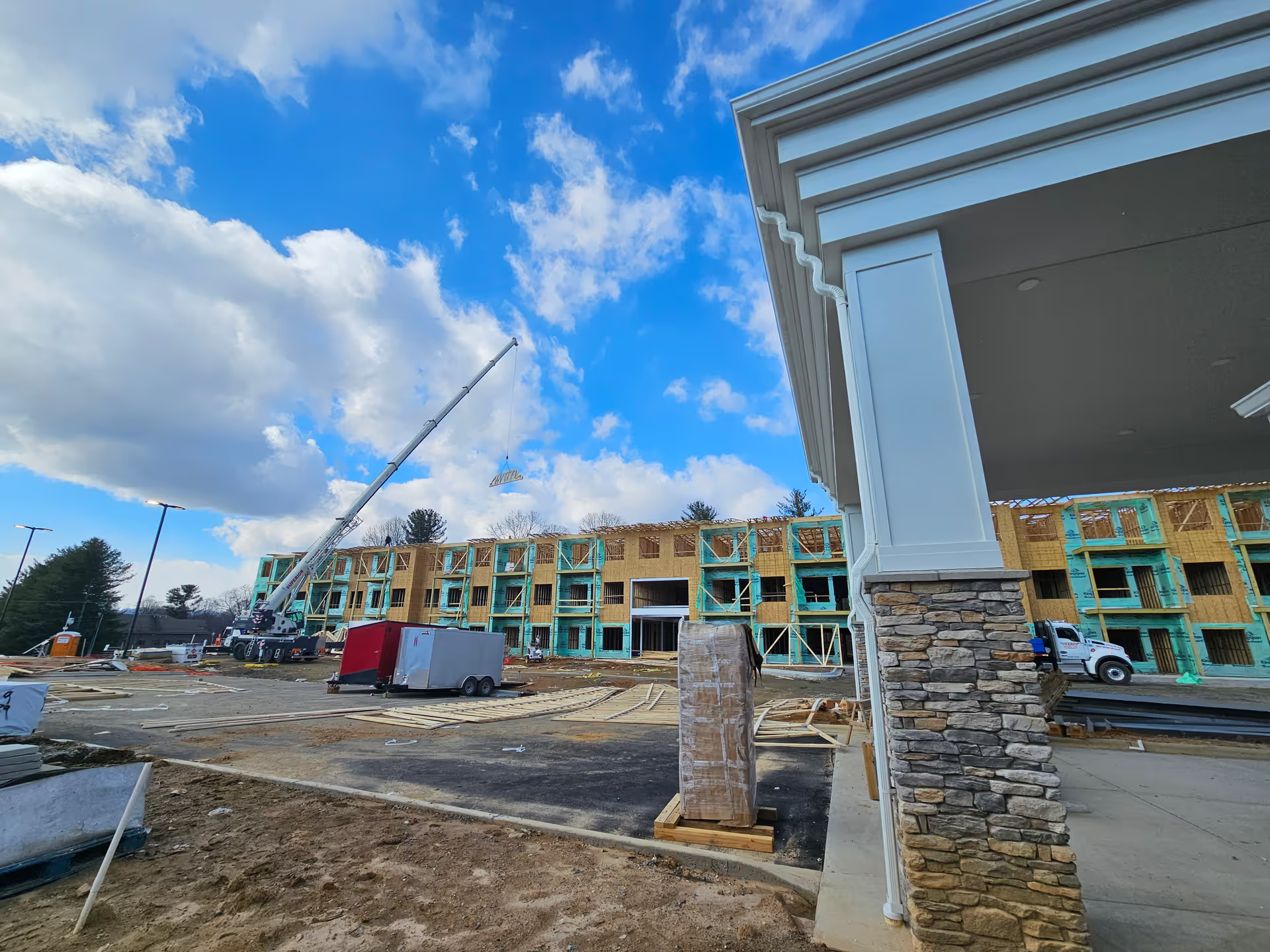
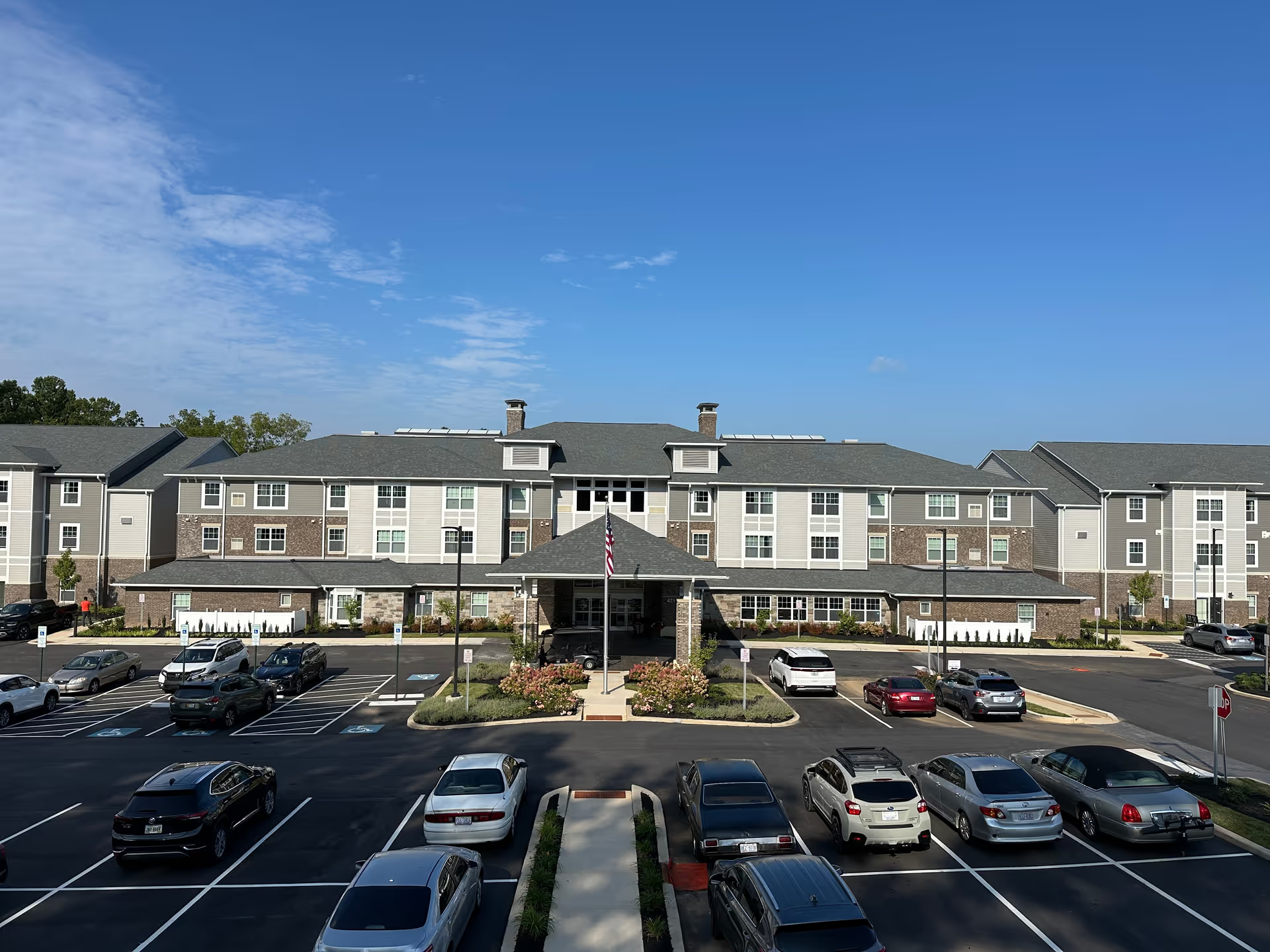
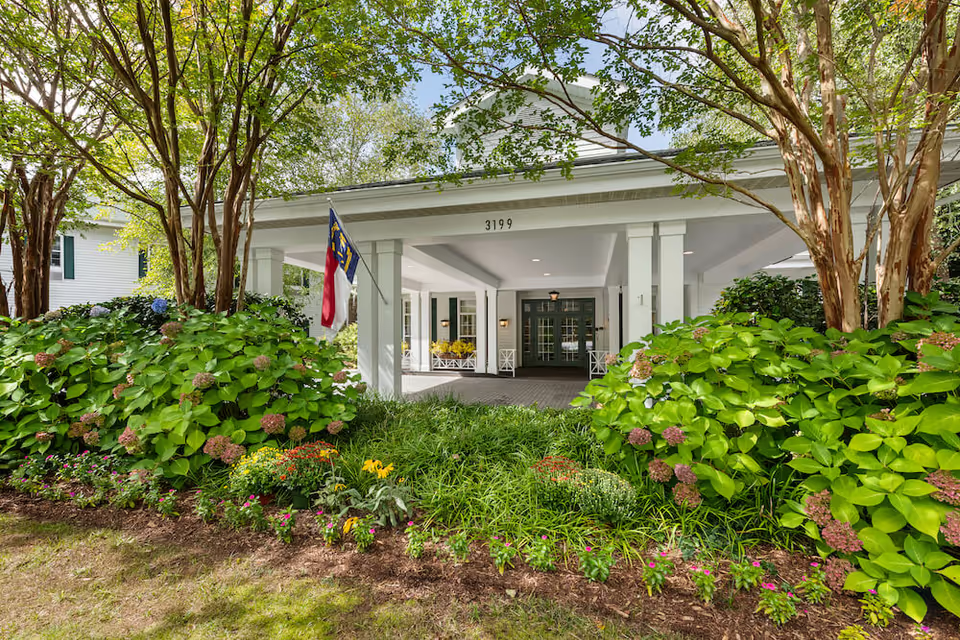
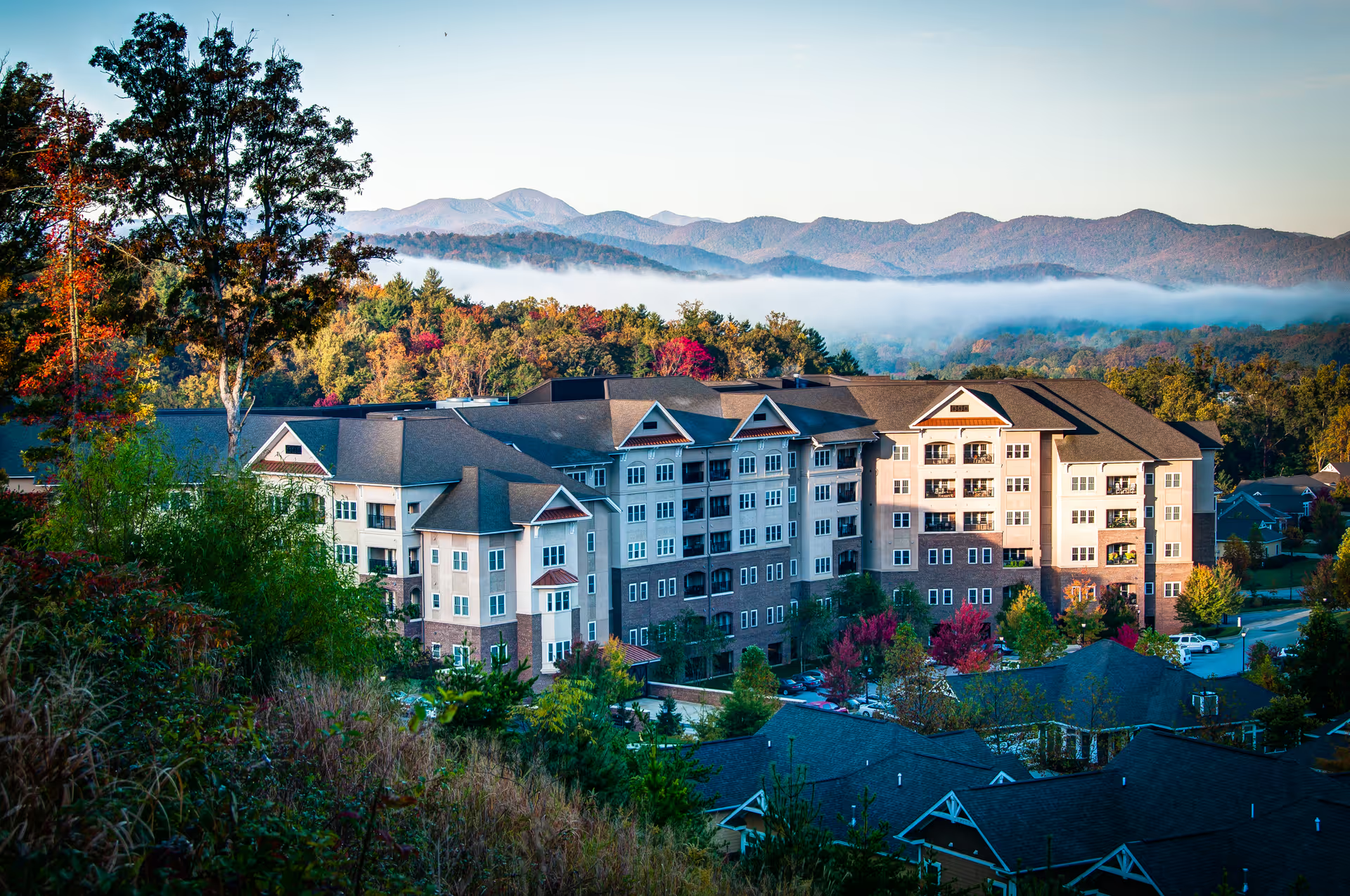
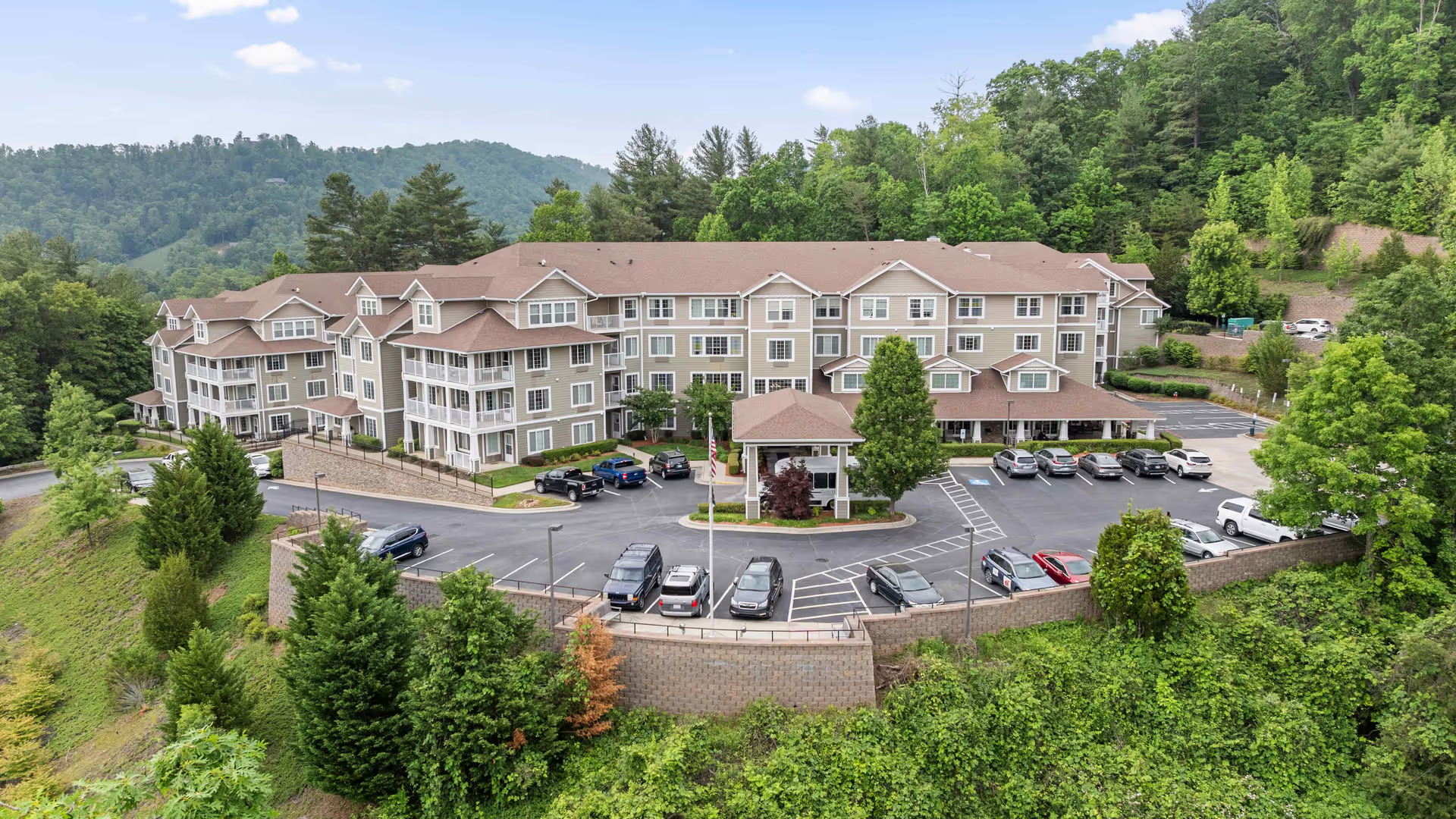
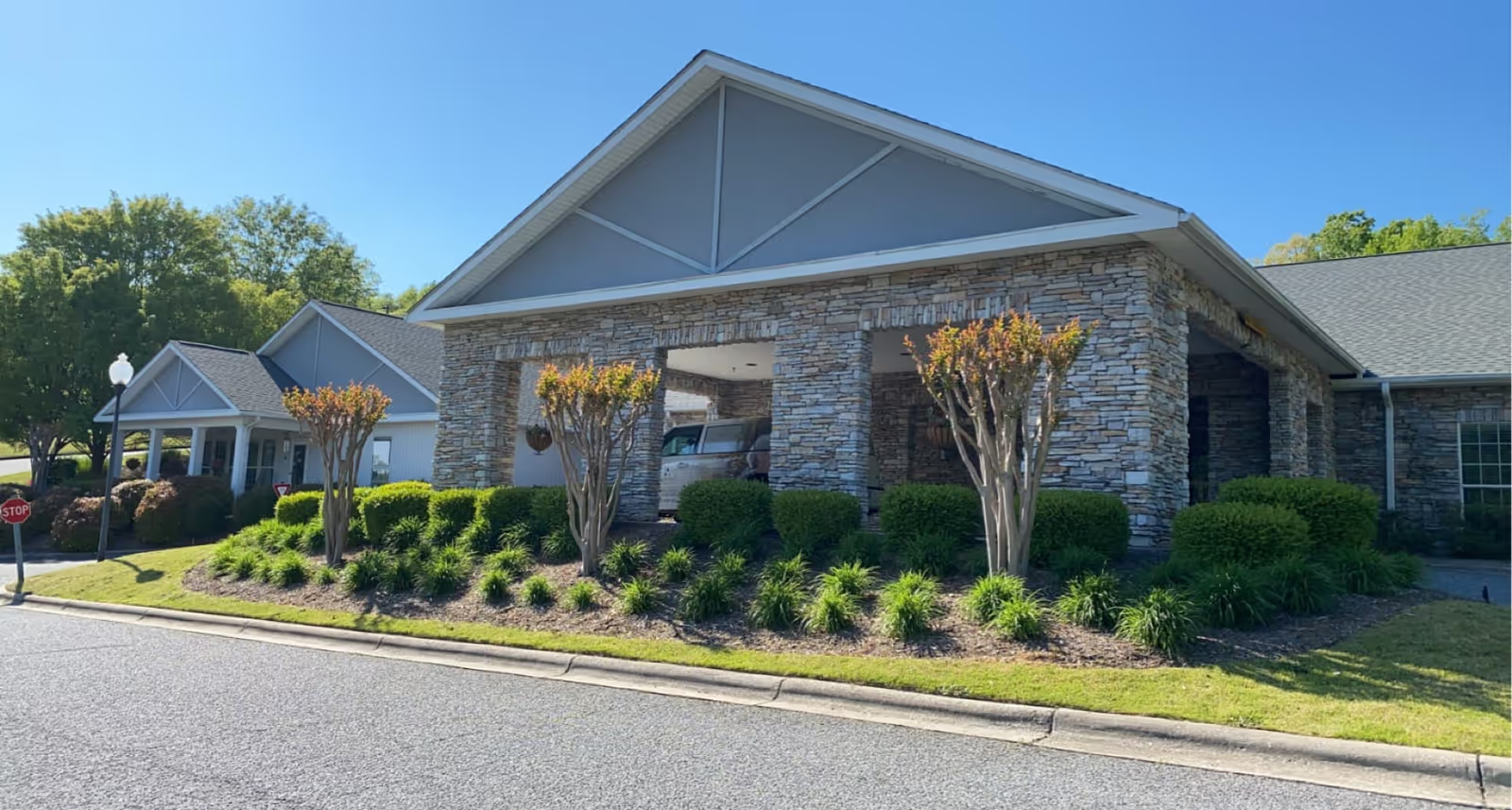
Heritage Hills presents as a neighborhood-style senior living campus with several clear strengths and a few operational inconsistencies. The community is consistently described as scenic and well-kept, with detached cottages, garden areas, garages, and specialty amenity houses (craft, woodworking, therapy). Its location near hospitals, VA services, cultural venues and outdoor recreation is a recurring advantage for families seeking access to clinical care and regional activities. The campus model—private homes plus a central clubhouse and separate memory-care household—supports residents who prioritize independence while preserving access to higher levels of care.
Care and staffing are commonly cited as the community’s strongest attributes. Many families and residents praised warm, compassionate staff and timely clinical response in medical situations. The memory-care unit is frequently characterized as small, home-like, and staffed with personnel experienced in dementia care; therapy and on-site rehab services are available and described as high-quality. At the same time, reviewers indicated variability in staff continuity and training: periodic turnover and uneven skill levels can affect consistency of care and handoffs.
Dining and daily life receive largely positive commentary. The dining program is often called chef-driven with varied menus and a restaurant-like dining room; meal plans and utilities bundled into rent are appealing to many residents. Activity programming is broad — exercise classes, music groups, woodworking, crafts, clubs, outings, and holiday events — supporting social engagement and purposeful routines. However, several comments note inconsistent meal quality over time and isolated declines after staff or chef changes, suggesting menu stability is an operational area to monitor.
Facilities and accessibility are mixed. Many reviewers appreciate private cottages, yards, and the campus layout, and they endorse the community’s pet policy, walking paths, and outdoor spaces. Conversely, the housing stock is aging in places; reviewers reported deferred repairs, plumbing/heating/electrical issues in individual homes, and occasional mold or odor-control concerns. Campus navigation can be difficult on foot for mobility-impaired residents, and winter weather or icy conditions were described as creating accessibility and safety challenges in some areas. There are also mentions that not all units are optimally configured for full wheelchair accessibility.
Management and operations show a split pattern. Several reviewers described responsive, proactive managers and strong family communication, while others described slow maintenance response, incomplete documentation (particularly around emergency system testing), billing errors, and insufficient follow-up from administrative staff. Emergency-response system reliability and documentation were raised as specific operational concerns; these should be clarified during tours. Laundry and personal-item management were also identified as an area with inconsistent results in practice.
Overall, Heritage Hills appears to be a community with many hallmarks families seek: a friendly, activity-rich environment; skilled memory care; on-site therapy; and private home-style living. Prospective residents and families should weigh the strong clinical and social offerings against operational considerations such as maintenance responsiveness, emergency-system verification, accessibility for higher-dependency mobility needs, and consistency in dining and housekeeping services. During a visit, recommended due diligence includes asking for recent maintenance and emergency-system test records, a clear outline of staffing continuity and training for dementia care, sample menus, and the community’s protocols for addressing delayed repairs and billing questions.