Overall sentiment across the reviews is predominantly positive about Sunnybrook Assisted Living's atmosphere, staff, cleanliness, and food, but there are several important and recurring caveats prospective families should weigh carefully.
Care quality and staff: Many reviewers emphasize compassionate, kind, and attentive staff who know residents by name. Long-term employees and a family-oriented leadership (mother/daughter ownership) create continuity of care and a homelike environment. Multiple accounts describe staff as helpful, transparent, and proactive — providing hospice collaboration, referrals to caregivers, and even supplying a hospital bed at no extra charge. These strengths are repeatedly tied to improved resident well-being; several reviewers state that choosing Sunnybrook was the “perfect decision” and that it “made a world of difference.” However, this generally positive picture is contrasted by a small number of serious negative reports — including allegations of negligence and at least one reviewer describing a fatal outcome. These discordant reviews introduce risk and suggest variability in individual experiences.
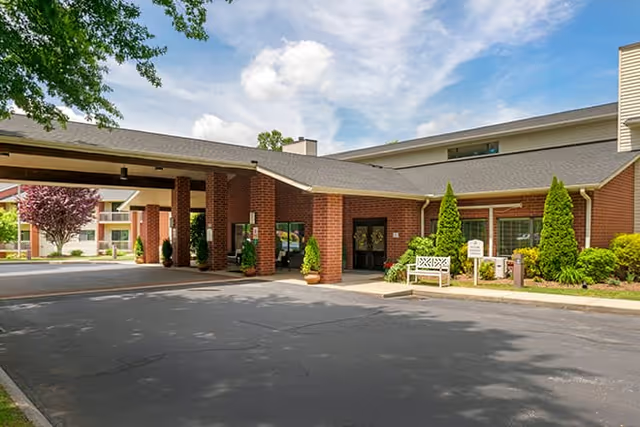
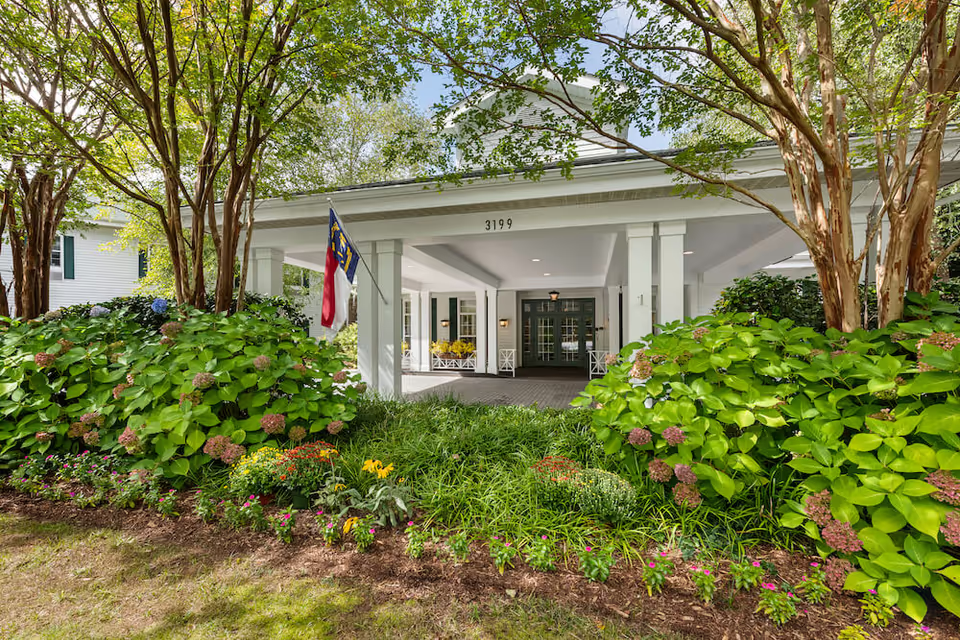
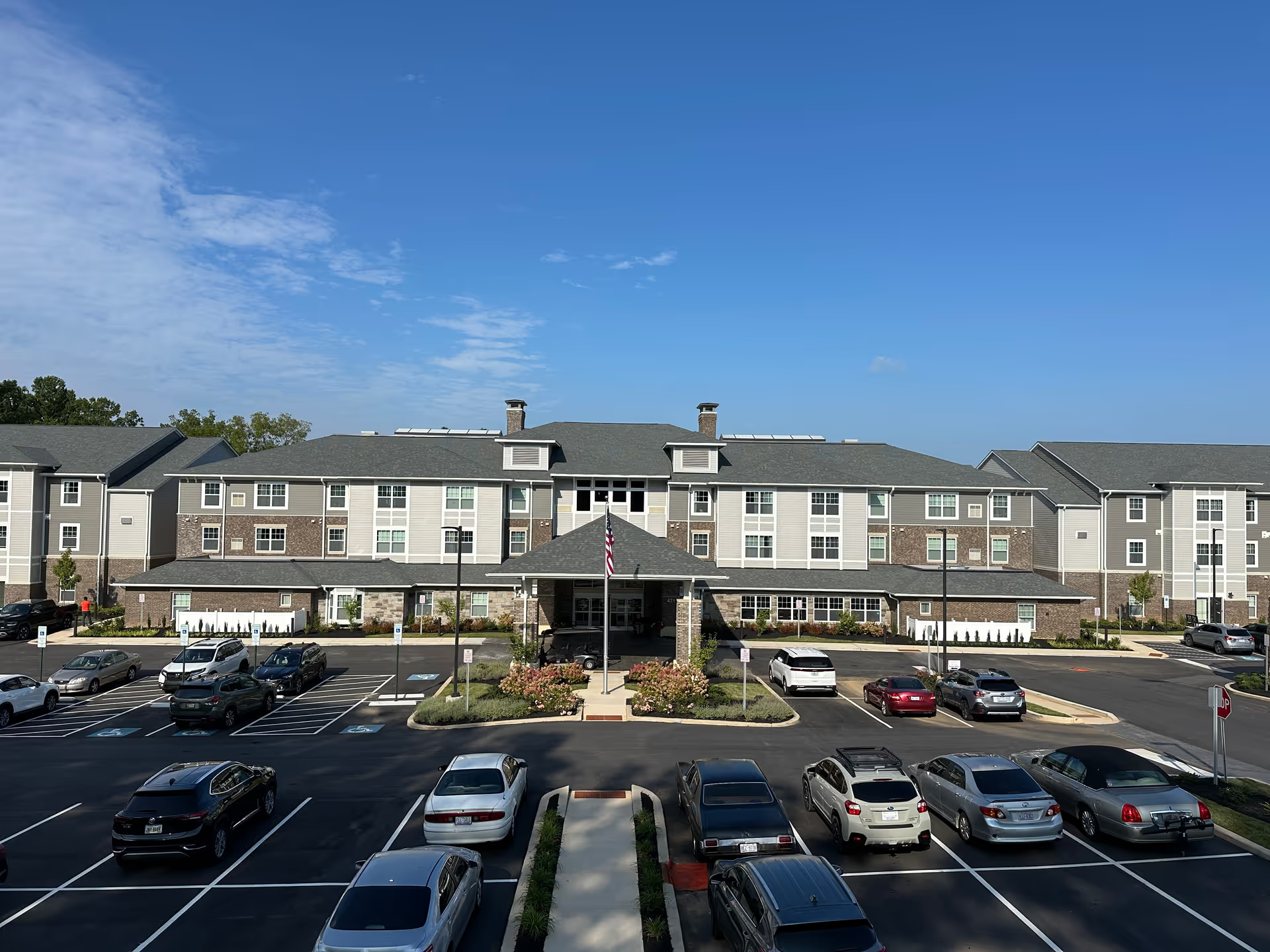
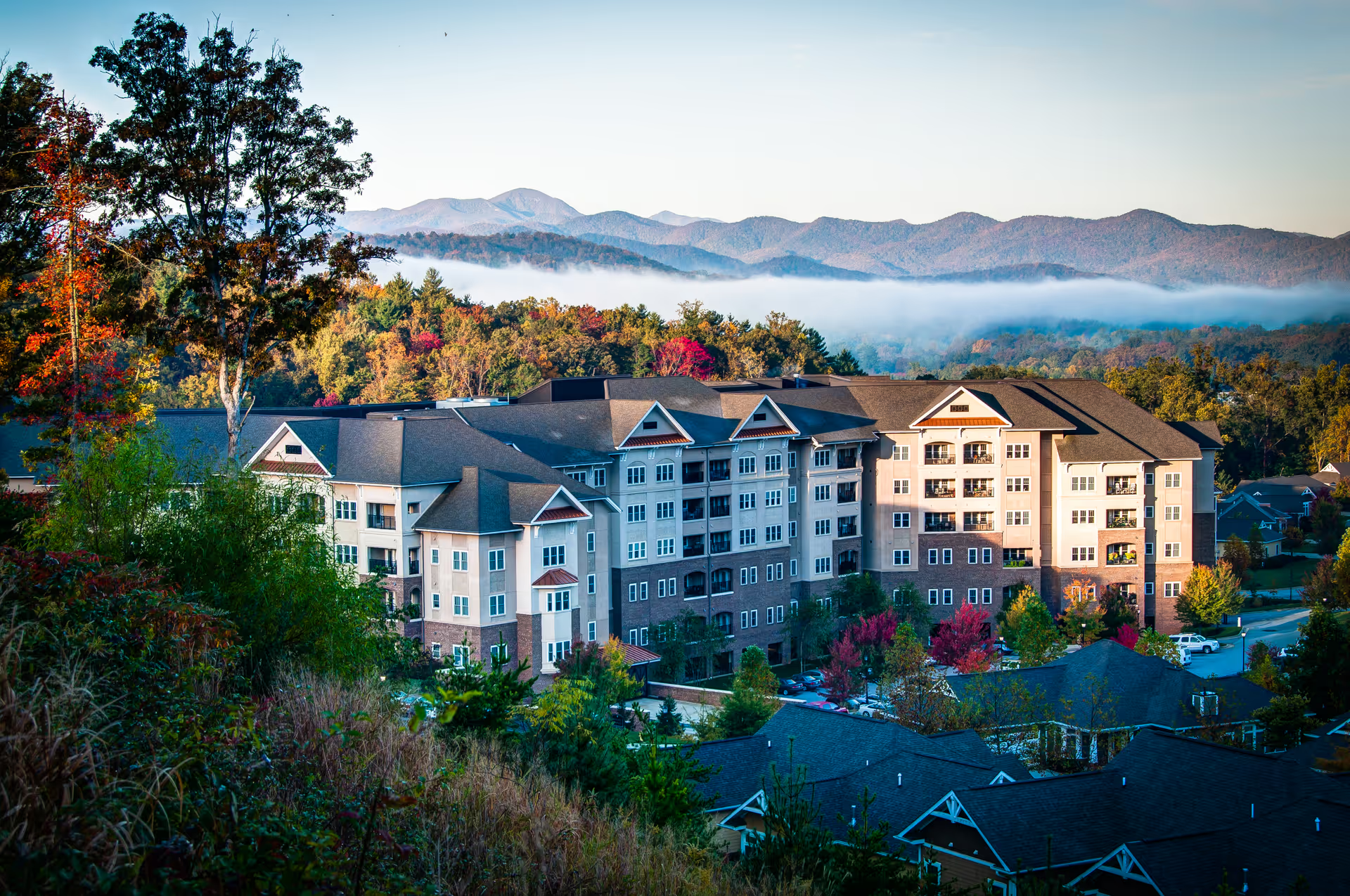
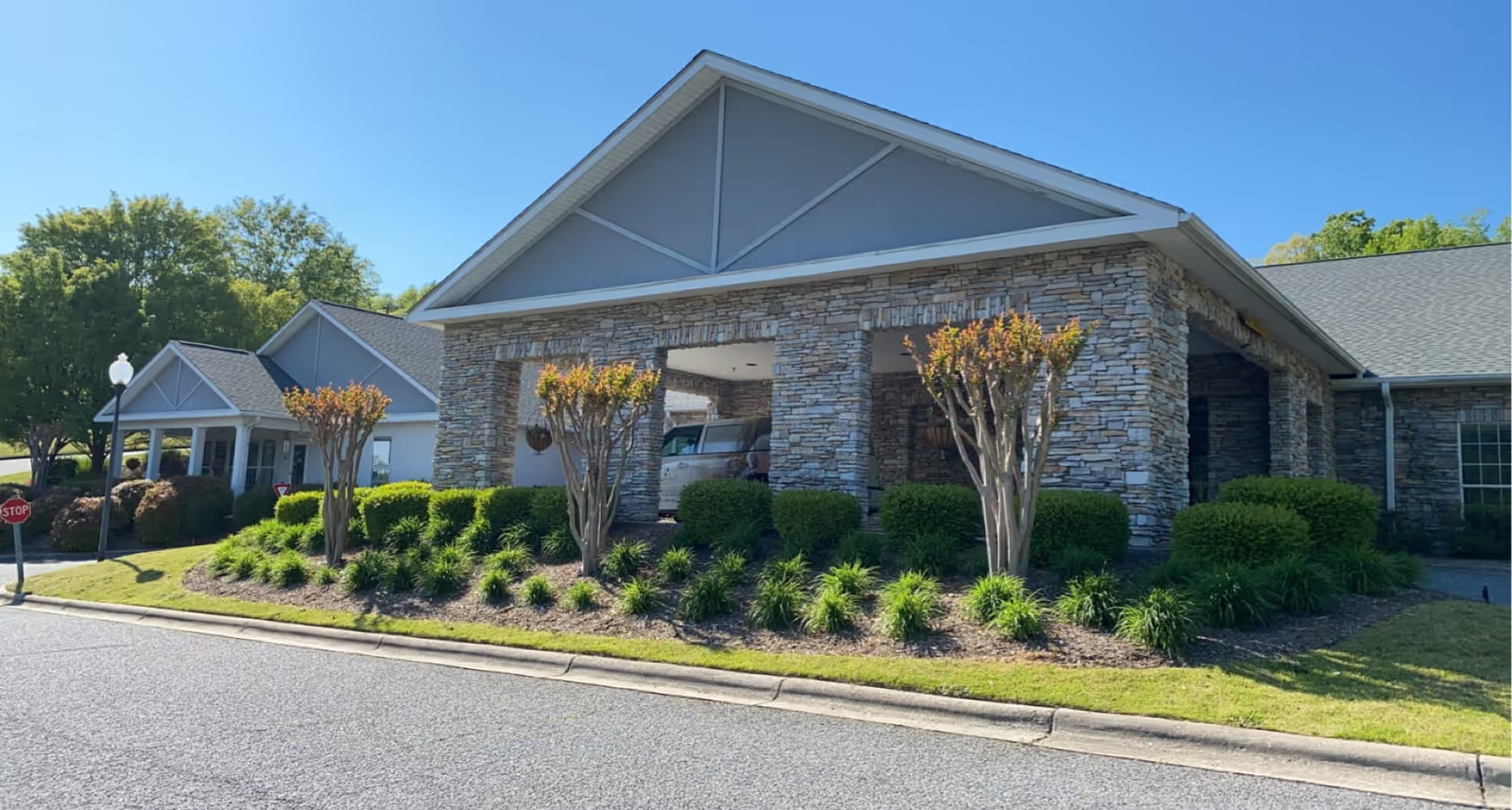
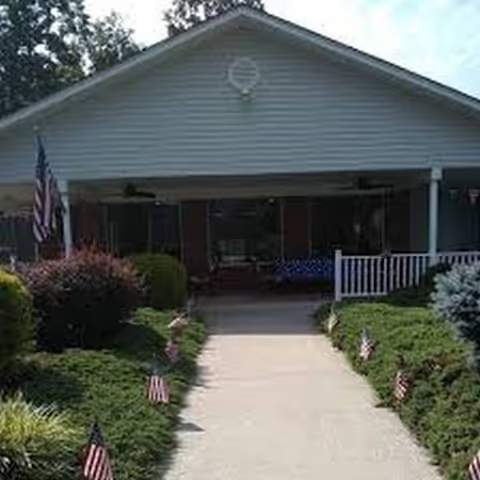
Facility, layout, and setting: Sunnybrook is frequently described as a historic, park-like property in Hendersonville with a large front porch, walking trail nearby, trees and flowers, and a clean, non-institutional ambiance. The facility is small (reviewers cite about 49 residents), giving it a "big house" feel rather than an institutional one. Cleanliness and housekeeping are strongly affirmed — daily cleaning, spotless common areas, and low rates of lost or damaged clothing. Room offerings vary: some residents have large furnished rooms and walk-in closets with the option to bring personal furnishings; others note very small rooms and an upstairs apartment with a kitchenette that may not be appropriate for everyone. The front door being wide open is repeatedly mentioned as creating a friendly environment but also raising security concerns.
Dining and daily living: Food receives consistent praise: reviewers call meals home-cooked, delicious, and accommodating to dietary needs (for example, diabetic-friendly options). Families appreciate clear invoices and an all-inclusive room rate with no surprise charges for assistance. Practical conveniences reported positively include provision of hospital beds and supportive coordination with hospice when needed.
Activities and cognitive care: The small, home-like environment encourages participation in activities for many residents, but several reviewers specifically noted a lack of sufficient stimulation for cognitively healthy residents and that the community is not ideal for people with dementia. Importantly, Sunnybrook appears not to offer formal licensed memory care; reviewers state that memory-care residents may be placed together in a larger room rather than receiving a separate, specialized program. For families seeking structured dementia programming or high levels of cognitive engagement, this is a notable limitation.
Management, licensing, and safety concerns: While ownership and management are praised for being family-oriented and transparent, there are recurring warnings about licensing and regulatory status. Multiple reviewers state the facility is registered with the state but not licensed, and note that North Carolina licensing rules are strict — advising prospective residents to research this thoroughly. Paired with reports of the front door being unlocked and a few strong negative accounts alleging poor or unsafe care, these licensing and security comments are the most significant risk signals in the dataset. They suggest that while many residents thrive there, families should verify licensing, staffing ratios, clinical oversight, and safety policies directly.
Patterns and recommendations: The dominant pattern is of a small, clean, and caring assisted-living home where many families feel their loved ones are treated with dignity and receive attentive, personalized care. The key weaknesses are its limited capacity for higher-acuity medical needs and formal memory care, inconsistent room sizes and accessibility, an open-door policy that some view as a security risk, and a small but serious cluster of negative reviews alleging negligence. Prospective families should (1) confirm the facility’s current licensing status and understand what “registered but not licensed” means in NC, (2) ask about staff training, clinical oversight, and incident history, (3) tour rooms to evaluate size and accessibility options (including available upstairs units), (4) review policies about door security and resident safety, and (5) discuss specific dementia- or high-medical-need care plans if relevant.
In conclusion, Sunnybrook appears to offer a warm, home-like assisted living experience with strong strengths in staff compassion, cleanliness, and food. It can be an excellent fit for elders needing supportive daily care in a family-run setting. However, the combination of being a small facility with limited specialized memory-care services, some safety and accessibility variability, and a few serious negative reports means families should do focused due diligence before making a move, especially if the prospective resident has dementia or complex medical needs.