Overall impression: Laurels of Hendersonville receives frequent praise for its clinical rehabilitation capabilities and for staff who are described as caring and professional. The facility’s strengths are most evident in its physical and occupational therapy programs: reviewers commonly highlight daily, goal-directed therapy, measurable functional gains, and many successful short-term discharges back to home. Nursing teams and CNAs are often characterized as attentive and compassionate, and several accounts note proactive administration and an organized intake process that supports timely starts for therapy.
Care quality and clinical coordination: Clinical performance appears mixed. When interdisciplinary teams are coordinated, reviewers describe effective clinical vigilance, physician involvement, and rapid recognition of acute problems. However, there are recurring operational concerns tied to consistency of care: medication-management processes and call-response times emerge repeatedly as areas needing improvement. These issues have been linked by families to delayed assistance and uneven follow-through on personal-care routines. Infection-control events (including respiratory and urinary infections noted by multiple reviewers) have also affected some stays, indicating opportunities for strengthened protocols.
Staff and culture: The facility’s culture is frequently described as family-oriented and team-focused, with many staff members singled out for excellence and kindness. Communication from staff and administrators is often praised for clarity and availability, and family involvement is encouraged through on-site events. That said, there is variability in staff professionalism and tone; some accounts describe curt or inappropriate communication and reliance on agency staff during understaffed shifts, particularly on evenings and weekends. These variations appear linked to staffing shortfalls rather than uniform practice.
Therapy, activities, and outcomes: Therapy services are a major asset. Reviewers consistently note skilled PT/OT teams, rapid evaluations, weekend therapy availability, and therapy plans that produce tangible mobility and independence gains. Activities and family-oriented events contribute to a welcoming atmosphere. For residents seeking short-term rehabilitation, the Laurels is repeatedly recommended.
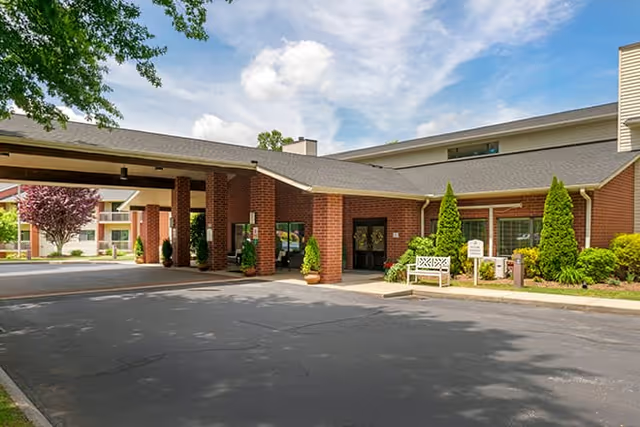
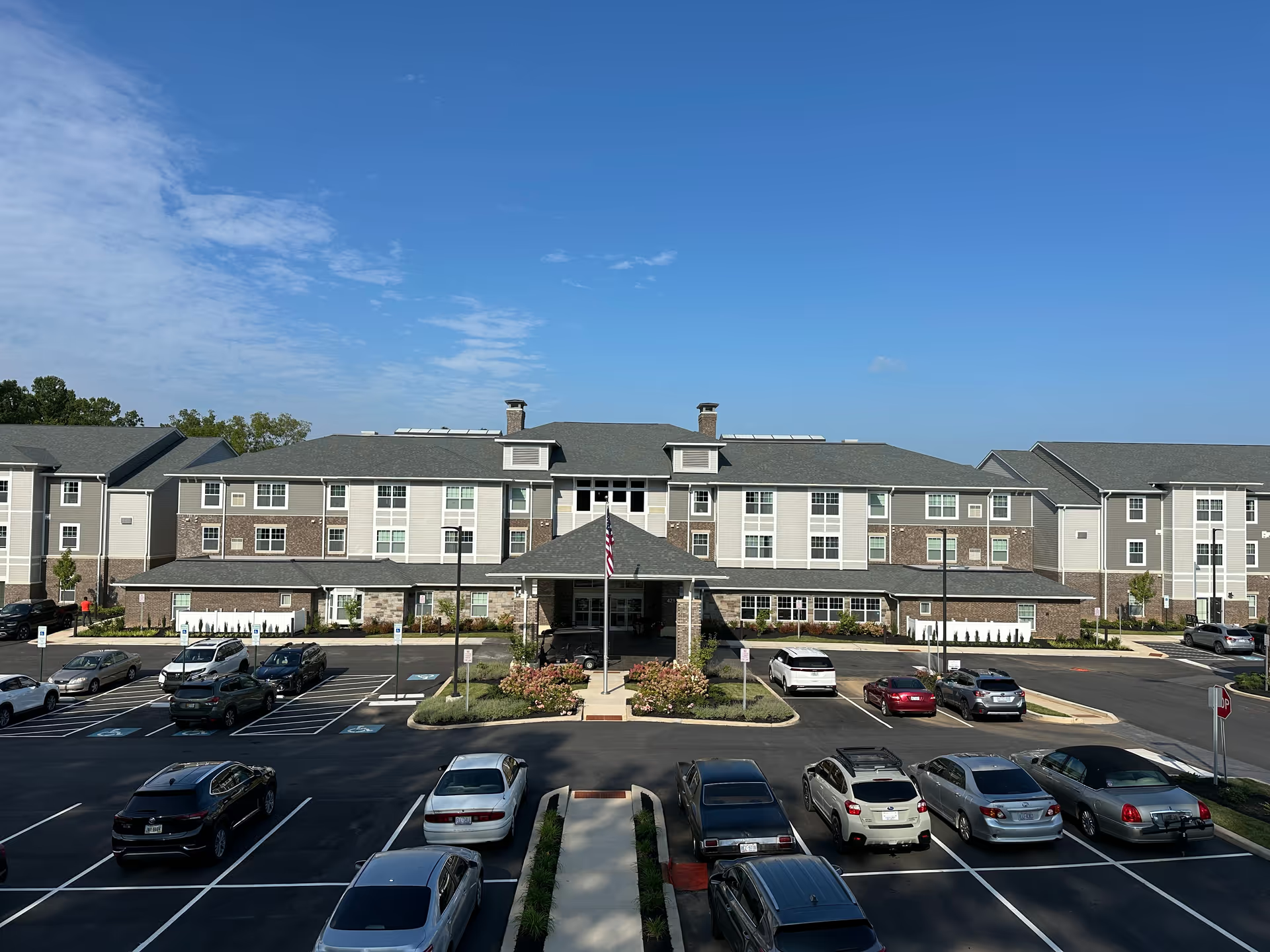
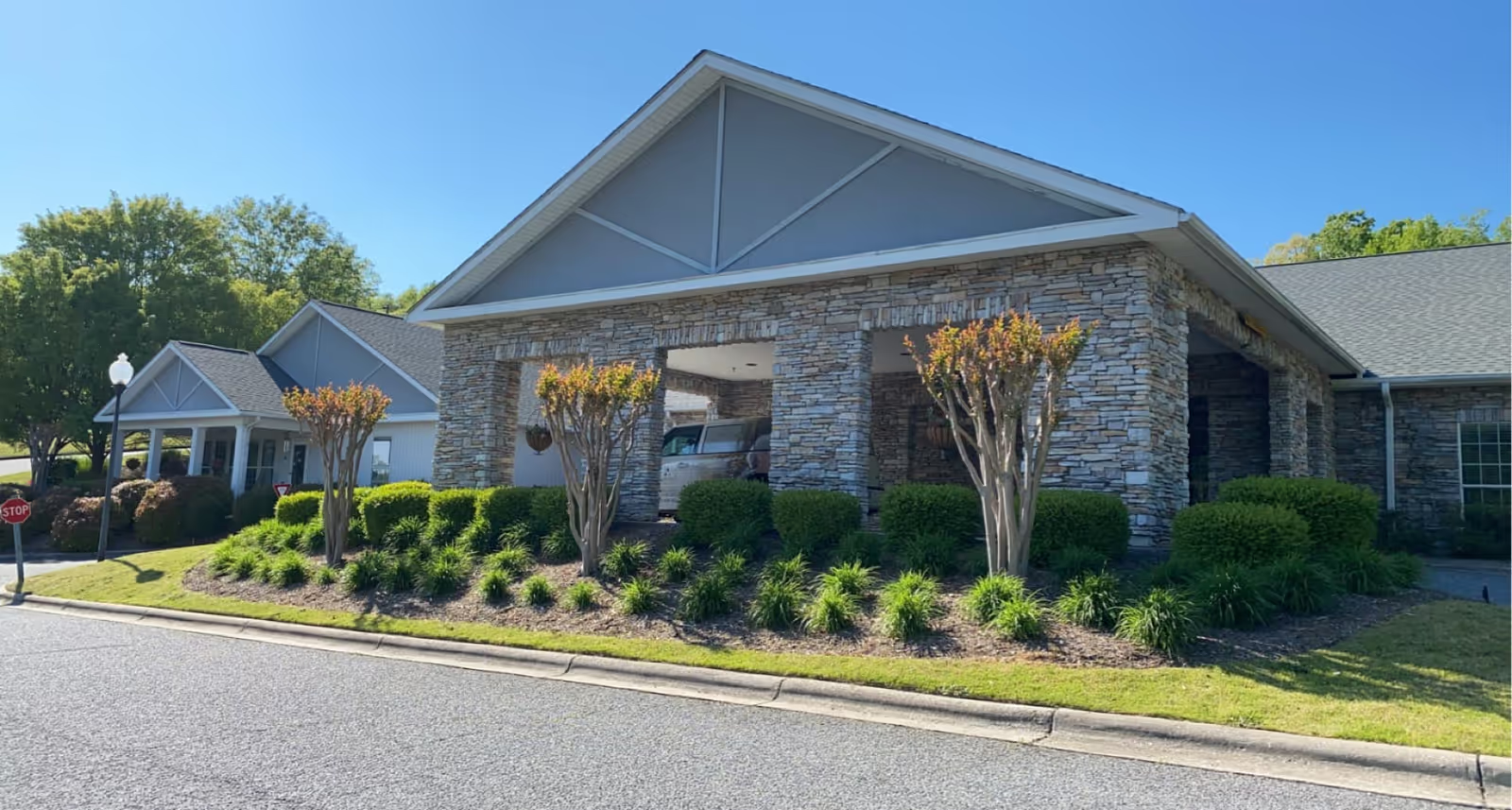
Dining, facilities, and environment: Common areas and hallways are generally described as clean, well-maintained, and welcoming, contributing to resident comfort. Individual rooms vary: some are comfortable and private, while others are described as small, dated, or outfitted with older beds and thin mattresses. Dining receives mixed feedback—many reviewers praise the food, whereas others find the quality inconsistent.
Management, operations, and discharge: Administrative responsiveness is noted positively in many narratives; administrators and admissions staff are frequently characterized as helpful and proactive. Nevertheless, operational gaps appear in discharge coordination, billing and paperwork handling, and property/laundry management. Families have described having to coordinate multiple home-health providers and follow up on billing or missing items. These process-level weaknesses suggest the need for stronger cross-departmental care transitions and property controls.
Bottom line guidance: For families prioritizing skilled rehabilitation and compassionate bedside care, Laurels of Hendersonville offers clear strengths in therapy, clinician engagement, and a generally welcoming environment. Prospective residents should, however, ask specific questions about staffing patterns (night/weekend coverage), call-response expectations, infection-control practices, medication-administration procedures, and the facility’s discharge coordination processes. Visiting rooms to assess size, mattress comfort, and cleanliness and discussing laundry/billing safeguards in advance can help set expectations and identify whether the Laurels matches a given resident’s priorities.