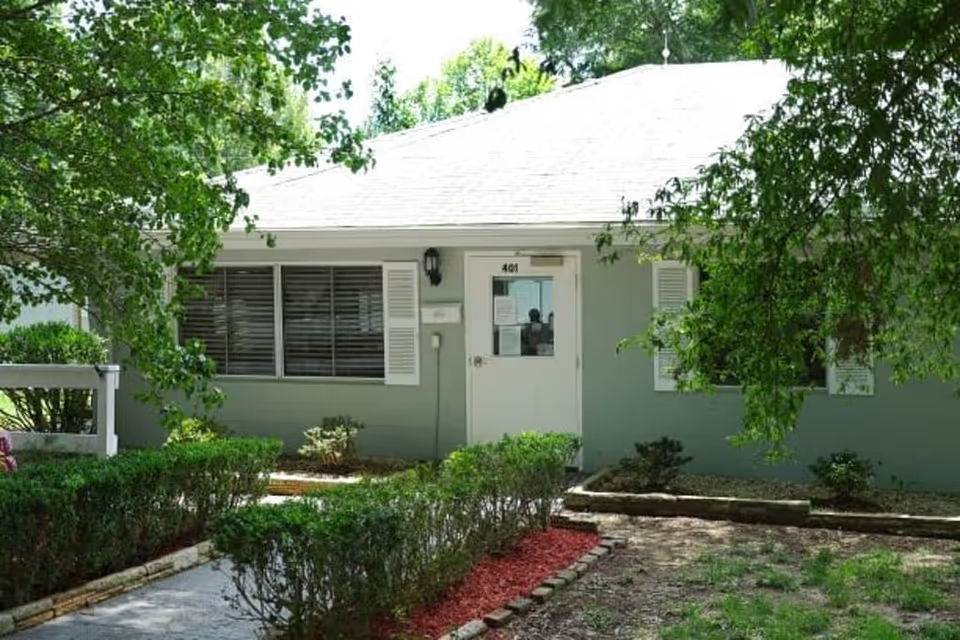
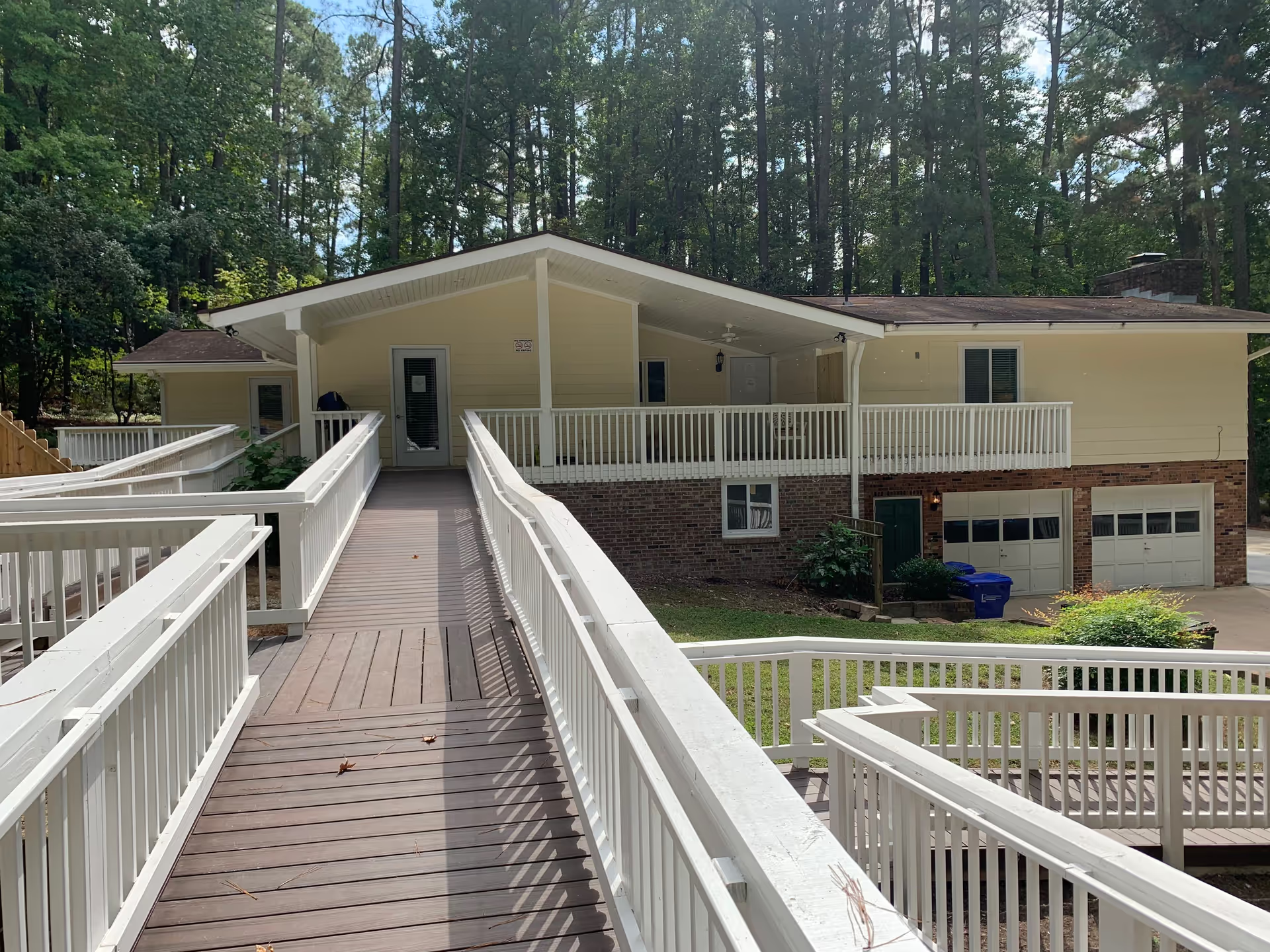
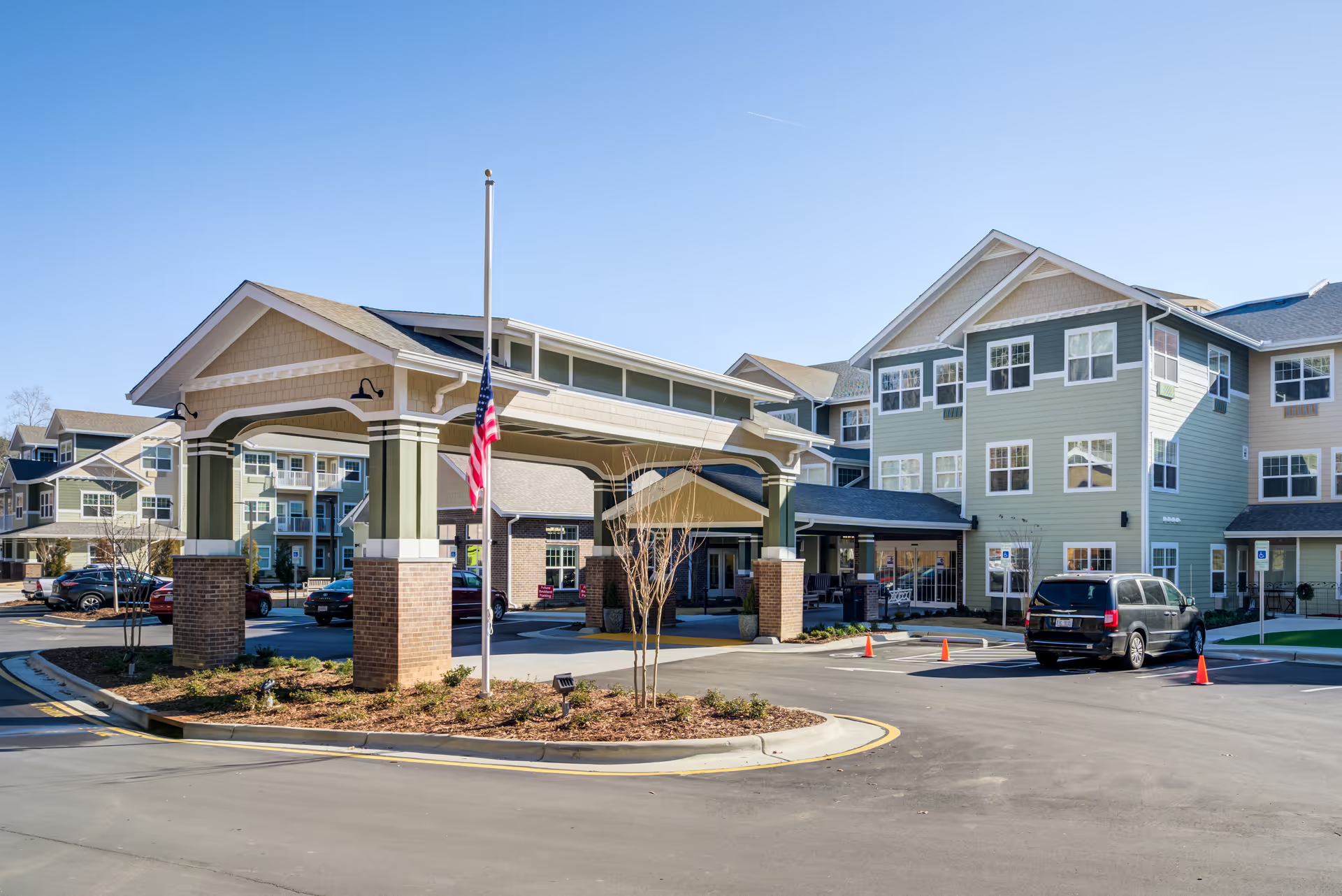
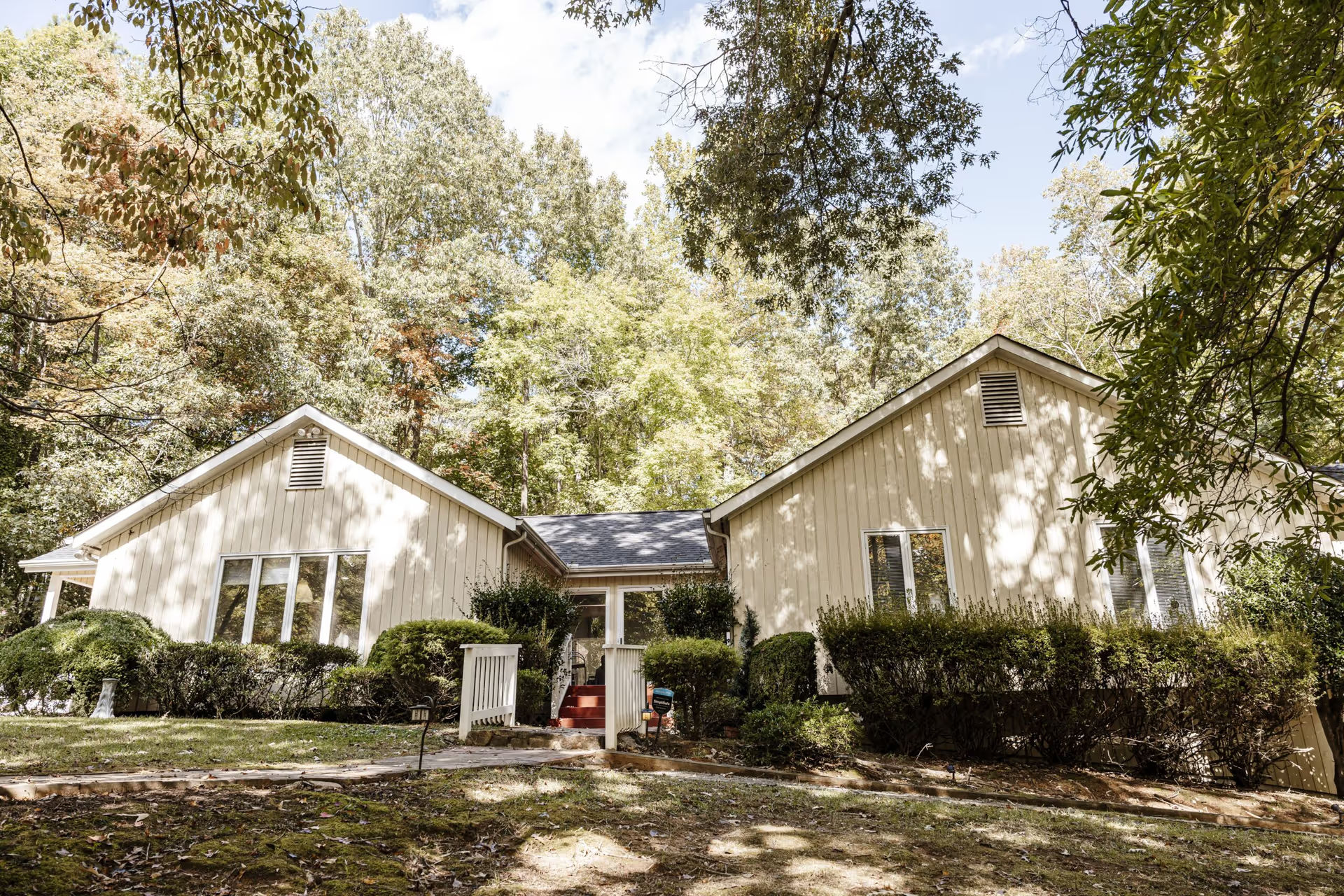
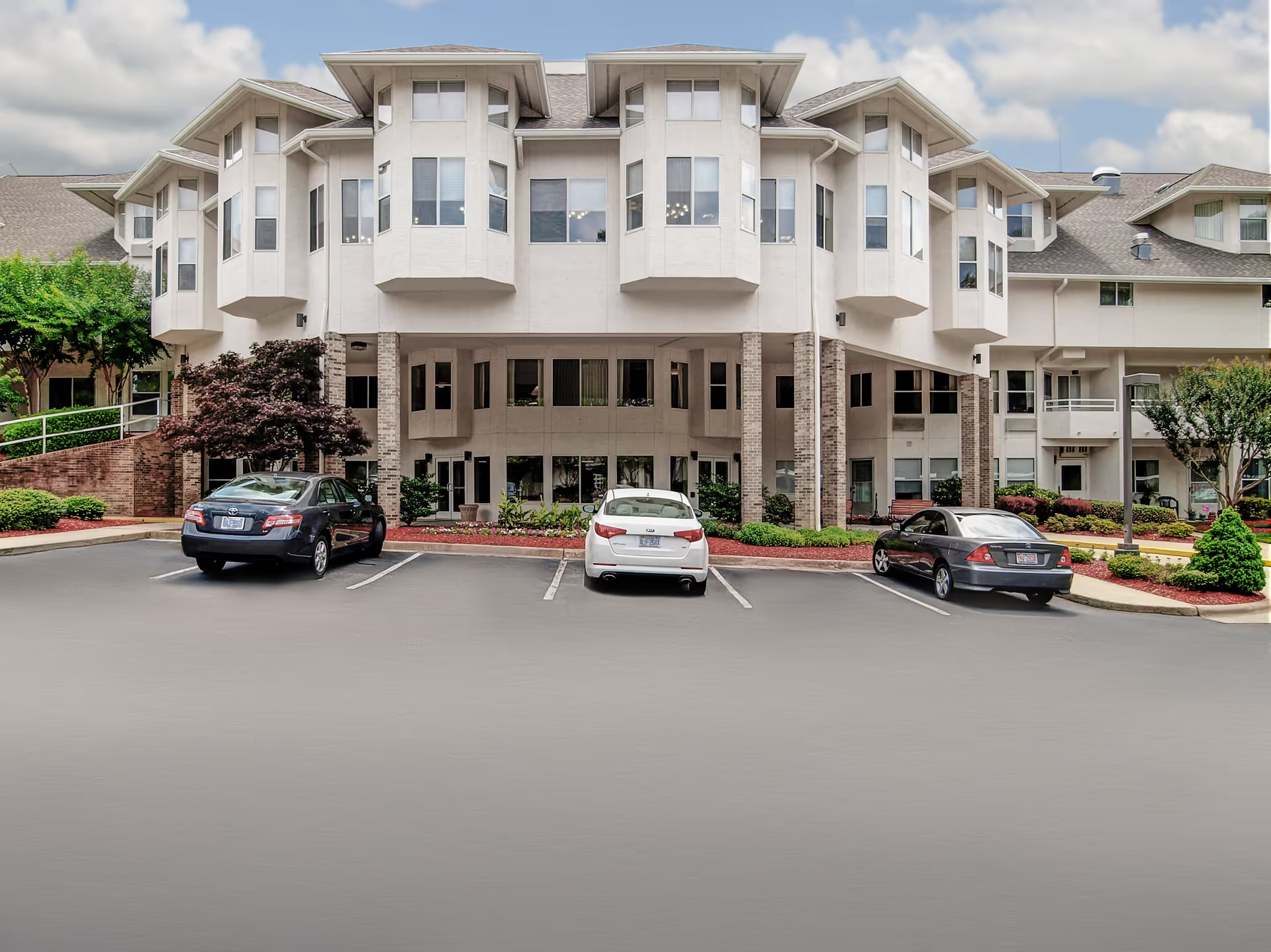
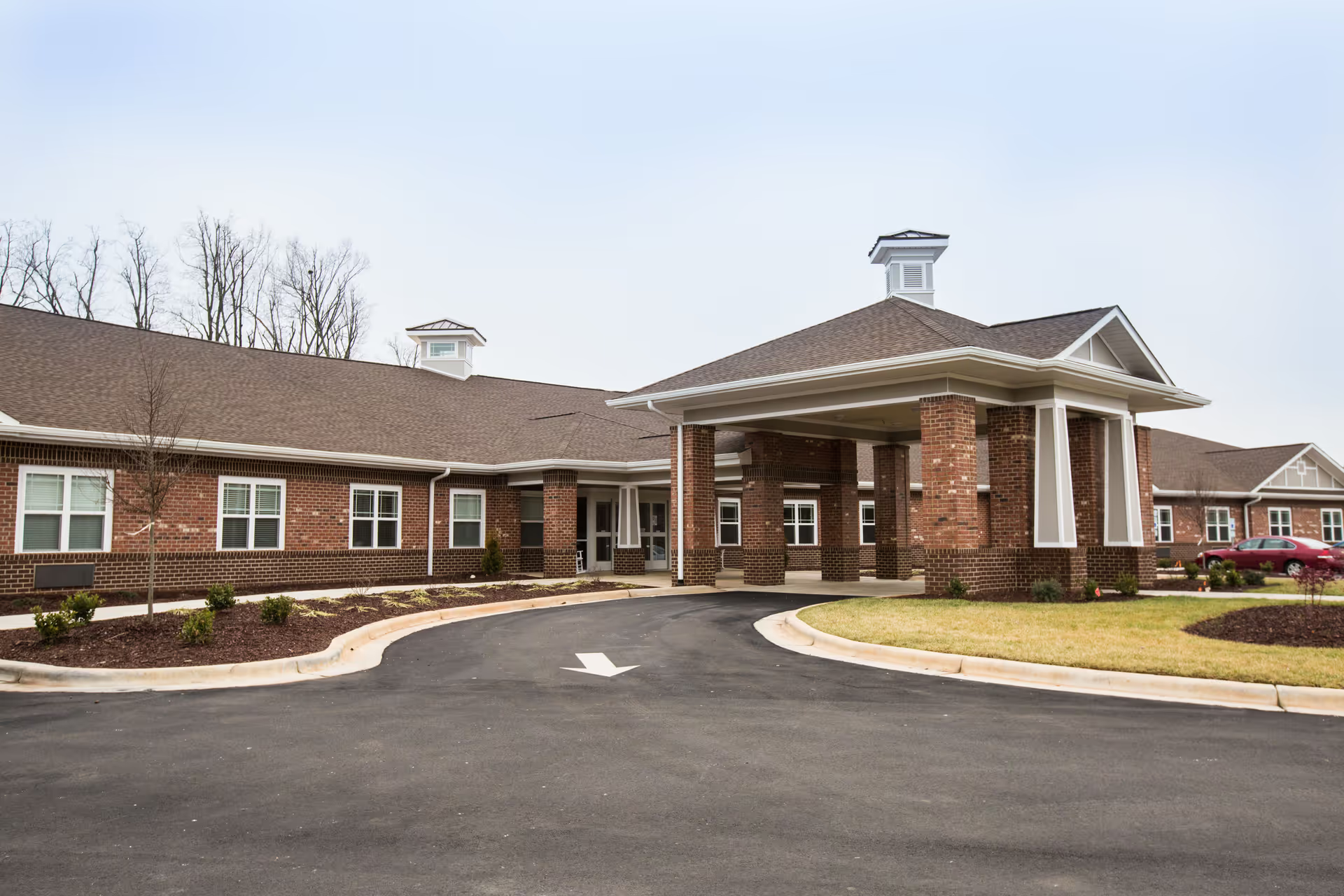
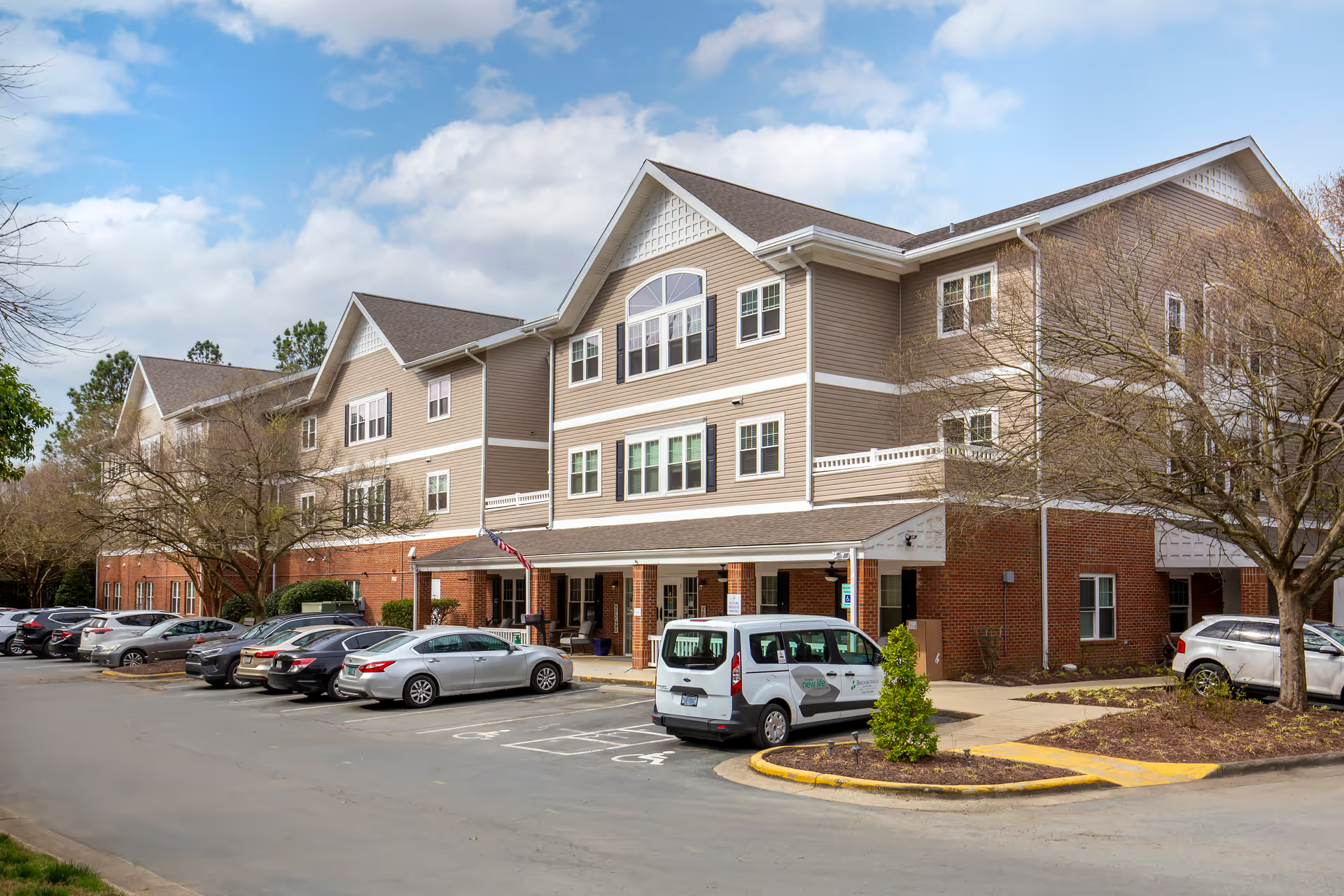
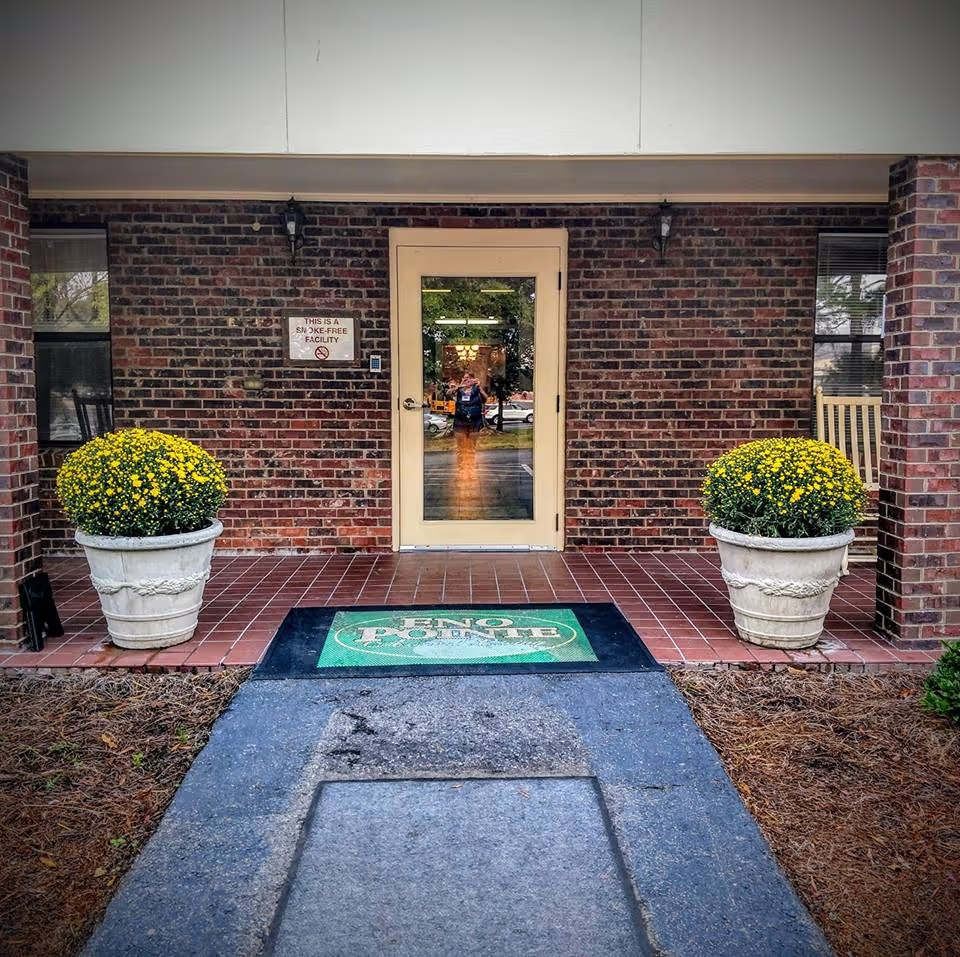
Overall impressions of TerraBella Hillsborough are mixed, with a clear pattern of strengths in person-centered care and an oppositional set of operational weaknesses. Many reviewers describe frontline staff as warm, attentive, and skilled—especially in memory-care techniques and individualized redirection. The facility’s smaller, home-like scale, recent renovations, attractive common areas, and accessible outdoor spaces are repeatedly cited as positives. Apartment-style units, a visible dining room, on-site salon and library, and organized group activities contribute to a community feel that several families found reassuring.
Care quality shows two competing themes. On one hand, families frequently praise caregivers for personalized attention, respectful interactions, and effective memory-care strategies; several accounts highlight staff who know residents’ names and needs, and the secure memory unit is noted for maintaining dignity and engagement. On the other hand, operational strain—manifesting as inconsistent staffing levels, turnover, and slow response times to call buttons and requests—appears to create gaps in day-to-day clinical responsiveness. Reviewers also describe delays and inconsistencies in medication timing and coordination, which suggest variability in clinical workflows across shifts.
Dining and nutrition are polarizing. Some reviewers praised meals as homemade and varied, with a welcoming dining room and afternoon snacks; others raised substantive concerns about meal temperature, limited variety, and inadequate nutritional attention for residents with chewing or dietary needs. These mixed experiences indicate inconsistent meal-service execution rather than a uniform program failure.
Activity programming generally exists and includes music, art classes, exercise, bingo, and outings; the facility’s compact layout supports social engagement. However, several reviewers found programming inconsistent in frequency and duration, with activities sometimes ending early or lacking individualized offerings. Transportation and advertised amenities appear uneven: families noted occasions when transportation was not available as expected, and some hoped for better use of garden spaces for engagement.
Facilities receive frequent praise for cleanliness, recent updates, and a pleasant, light-filled interior. At the same time, specific sanitation and pest-control concerns in some rooms and bathrooms were raised, as well as isolated maintenance issues. Security in memory care and common-area safety are often seen as adequate, but there are also reports of missing personal items, which point to weaknesses in property safeguards and resident belongings management.
Management and administration present a mixed picture. Admissions staff and some administrators are described as proactive, helpful, and fast in placement and billing accuracy; conversely, families also noted inconsistent communication, unclear billing or bank-draft explanations, and an operational focus on appearance that, in some accounts, seemed to take precedence over care processes. A change of ownership and use of subcontracted behavioral-health services without clear family coordination were also mentioned and may be worth asking about during a visit.
For prospective residents and families: the facility demonstrates strong relational care and a comfortable physical environment, especially for memory-care residents, but operational variability—staffing consistency, meal service reliability, medication timing, sanitation in select areas, and administrative communication—warrants careful inquiry. Recommended next steps include an in-person tour across multiple mealtimes and shifts, direct questions about staffing ratios and medication protocols, review of pest-control and housekeeping logs, clarification of transportation and behavioral-health arrangements, and a written explanation of billing and property-safeguarding procedures before committing.