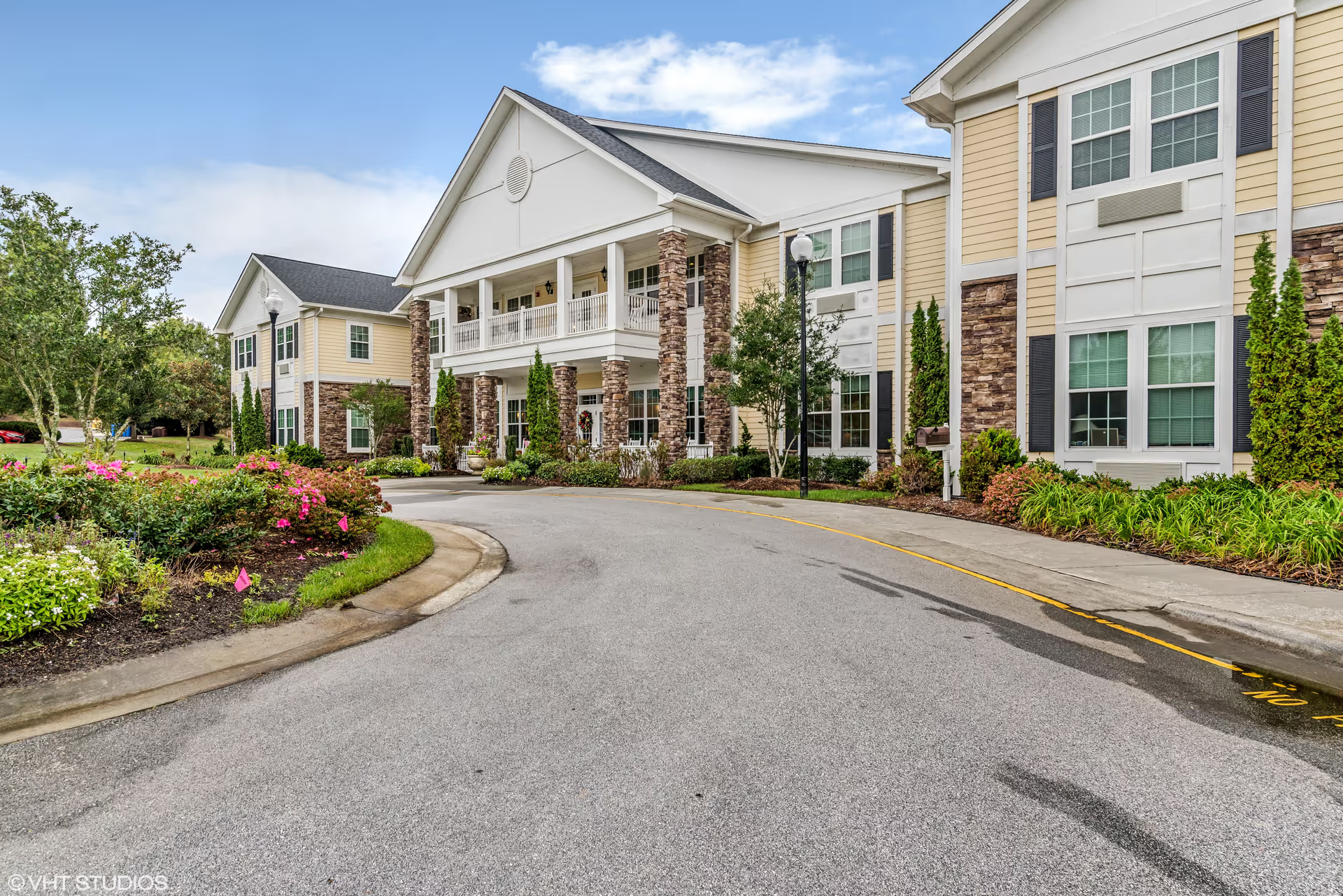
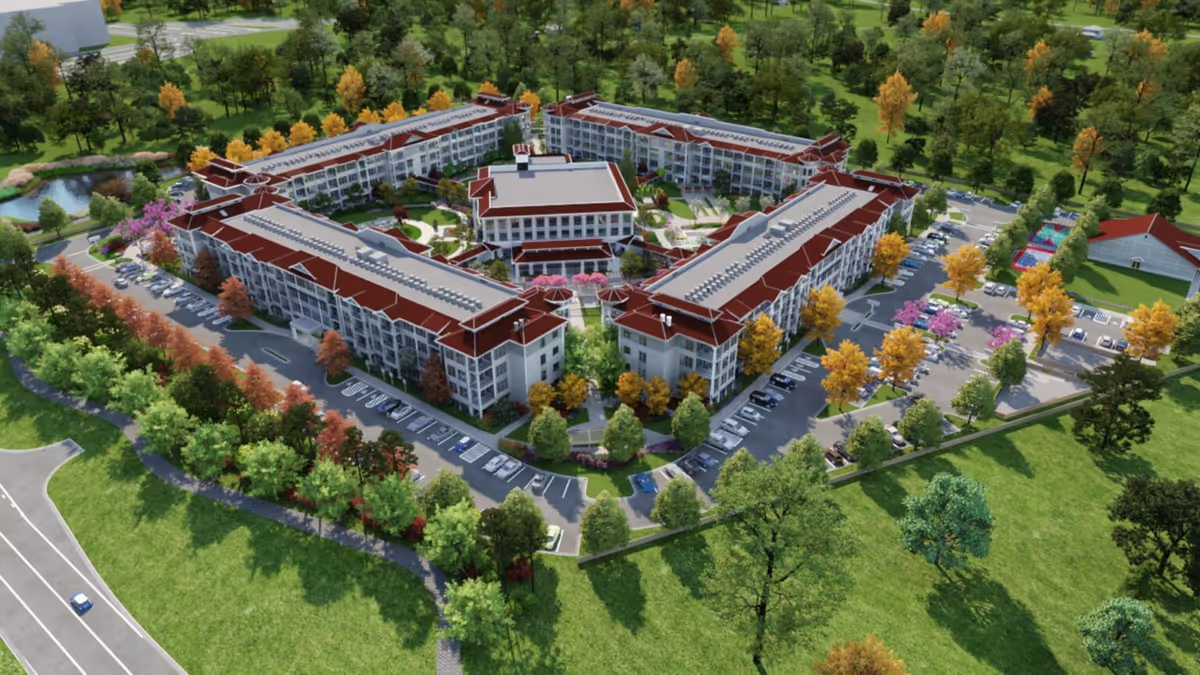
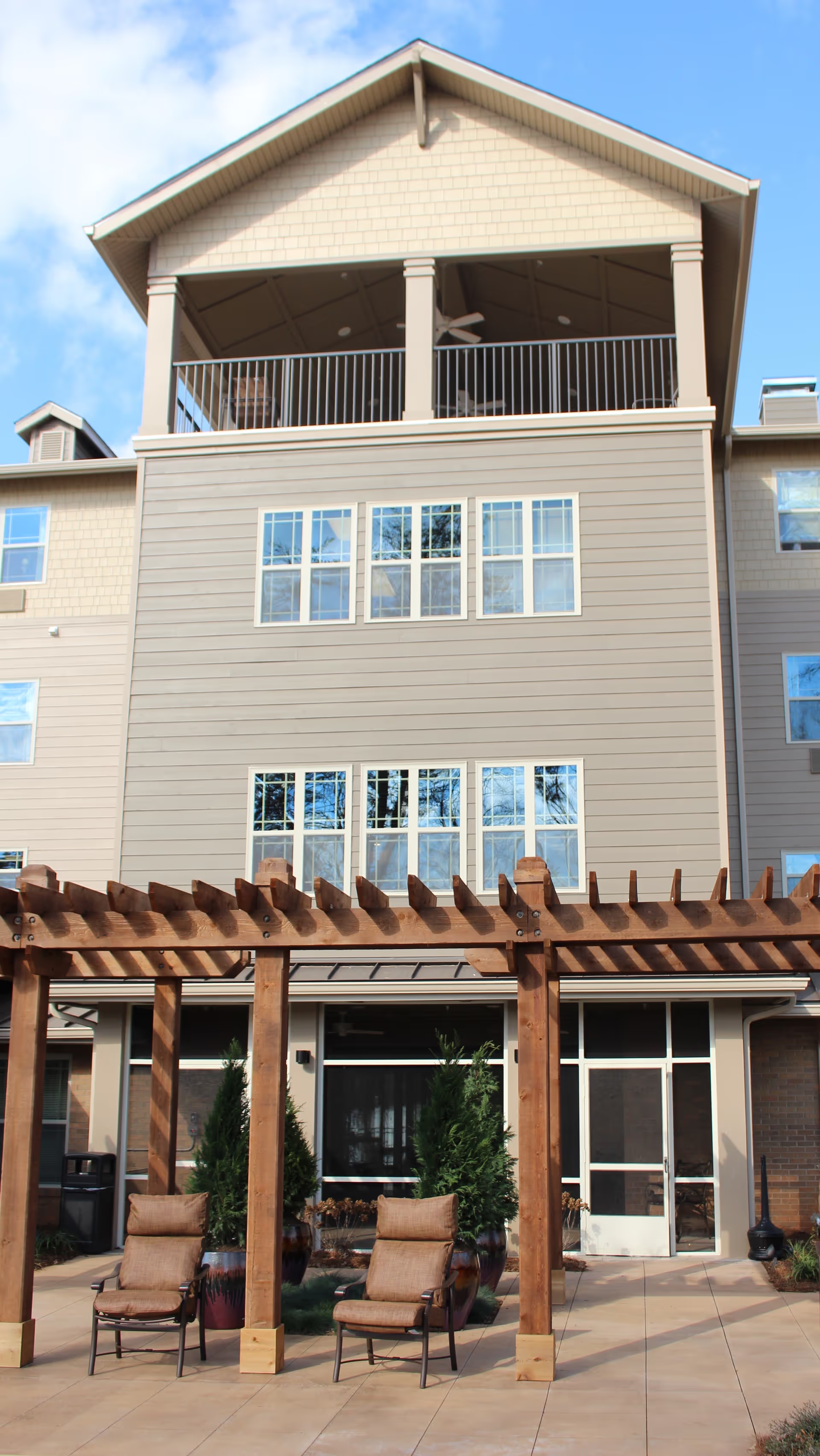
Arbor Ridge at Huntersville presents as a recently built, hotel-like senior living community with a strong emphasis on modern amenities and resident lifestyle. Many accounts emphasize spacious, well‑appointed apartments equipped with smart-home features (voice assistants, smart locks), plus comprehensive safety systems such as in-room call buttons, shower alarms, wearable alert devices, and weekly housekeeping. Common areas and grounds are frequently described as meticulously maintained, and the campus includes conveniences such as an on-site salon, fitness area, salon, pickleball court, and transportation van that support an active lifestyle.
Staffing and caregiving receive mixed but detailed feedback. A large number of families and residents praise the day-to-day staff as caring, respectful, and responsive, and highlight organizational features such as a registered nurse overseeing the community and wellness directors assigned to neighborhoods. On-site rehabilitation and therapy services are seen as helpful for recovery and mobility. At the same time, recurring operational concerns center on staffing levels: reviews describe high workloads, periods of short staffing, and variability in clinical availability (including difficulty reaching advanced clinical staff at times). These staffing issues have been linked by some families to challenges in accommodating higher-acuity assisted- or memory-care needs and to difficult or abrupt care transitions; prospective residents with complex care needs should obtain clear, written expectations about staffing ratios and care scope before moving in.
Dining and service delivery are another area of divergence. Many residents enjoy restaurant-style dining, menu-to-order options, and special meals; others report inconsistent food quality, limited variety, and slower service attributable to kitchen staffing constraints. The dining-room environment also drew comments — both positive (social hours, convivial atmosphere) and negative (limited natural light in the dining room, perceived social cliques that can affect inclusivity). Operationally, families would be wise to ask about meal-service hours, emergency meal coverage, and how the community manages peak-service times.
Activities and community life are commonly cited strengths. The program roster includes exercise classes, outings, social hours, and resident-led events, and reviewers often describe a strong sense of community and ample programming for independent residents. Practical limitations mentioned include apartment-level restrictions (notably the absence of ovens) and occasional furniture/fit issues in particular units. Additional considerations raised by reviewers include ancillary costs (for example, a substantive pet fee) and environmental factors such as proximity to a major roadway that may affect noise and perceived tranquility.
In summary, Arbor Ridge offers a contemporary, amenity-rich option that many residents and families find welcoming, well‑maintained, and staffed by compassionate employees. However, the community also exhibits operational variability — most prominently in staffing consistency, dining continuity, and readiness to support higher-acuity assisted- and memory-care needs. Prospective residents should balance the community’s lifestyle strengths against these operational considerations by asking targeted questions about staffing models, clinical coverage, meal-service contingency plans, transition procedures, and all ancillary fees prior to committing.