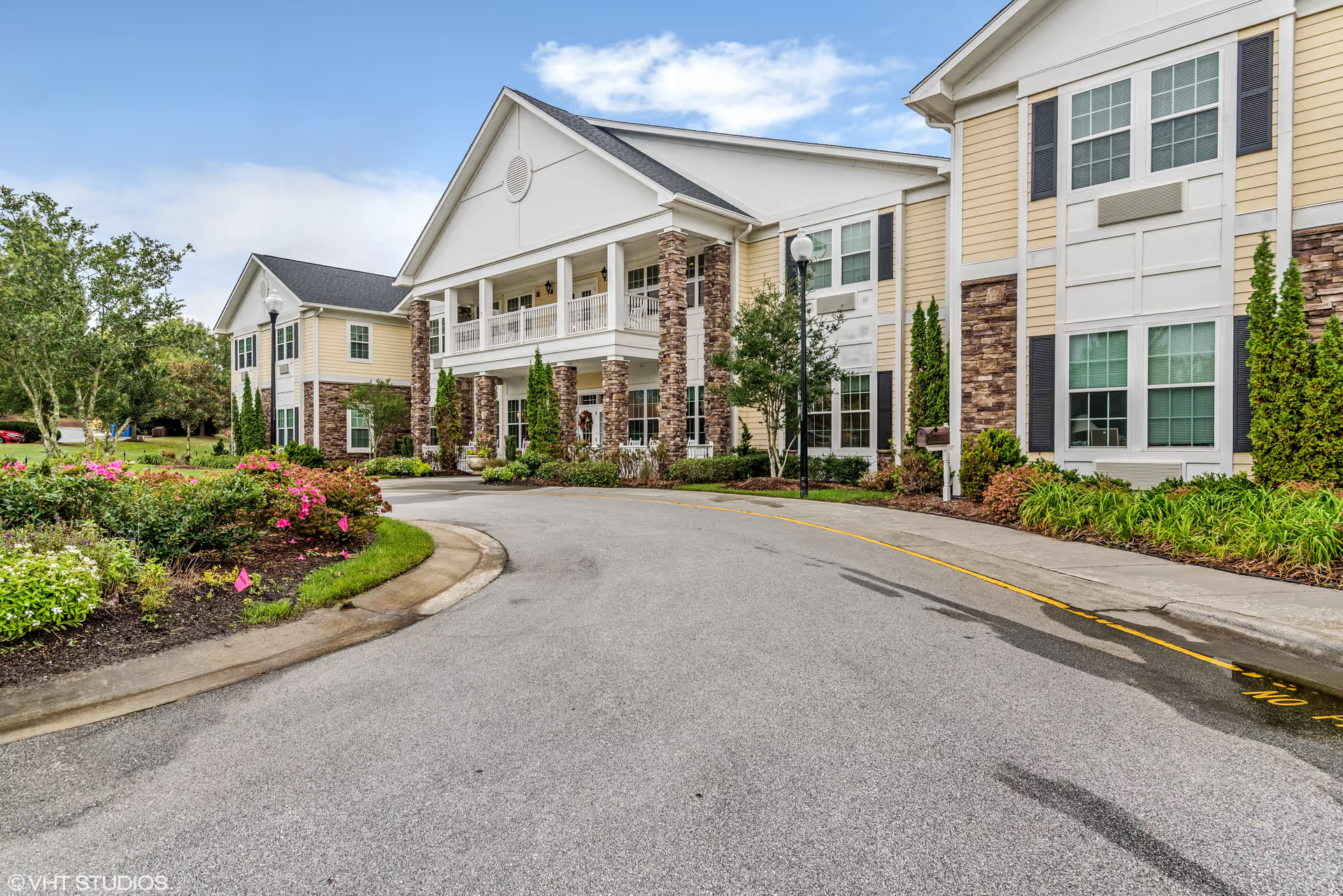
Overall impression: Reviewers describe a facility with strong physical plant, therapy resources, and many compassionate individual caregivers, paired with persistent operational weaknesses that affect day-to-day skilled nursing care. The site is frequently praised for its modern, hotel-like environment, large therapy gyms, extensive equipment, attractive courtyard and communal amenities. Those elements support robust rehabilitation outcomes for many patients, particularly in physical, occupational, and speech therapy programs.
Care and staff: Therapy teams receive consistent, high praise for effectiveness, equipment, and patient-focused rehabilitation plans; many families credited therapy with measurable functional improvement. By contrast, nursing and direct-care staffing are characterized as uneven. Reviews point to inconsistent CNA and nurse availability, slow call-response times, delayed bathing or toileting assistance, and variable bedside care. Individual staff members and shifts are often highlighted as compassionate and competent, but the overall pattern indicates staffing instability and variability in care quality across units and shifts.
Clinical safety and medication management: Multiple accounts indicate lapses in medication processes and clinical oversight. Concerns include delayed or missed medication administrations (including insulin timing), inconsistent vital-sign monitoring, and delayed wound or dressing care. Reviewers also described safety-monitoring gaps such as inconsistent fall-risk supervision and transfers. These issues suggest opportunities for stronger medication-administration controls, clearer handoffs, and more consistent risk-monitoring protocols.
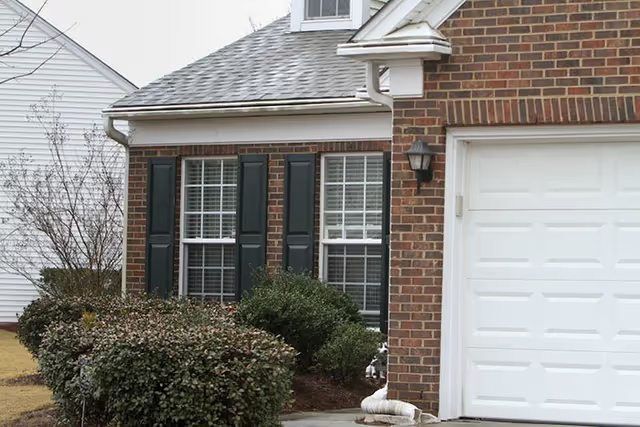
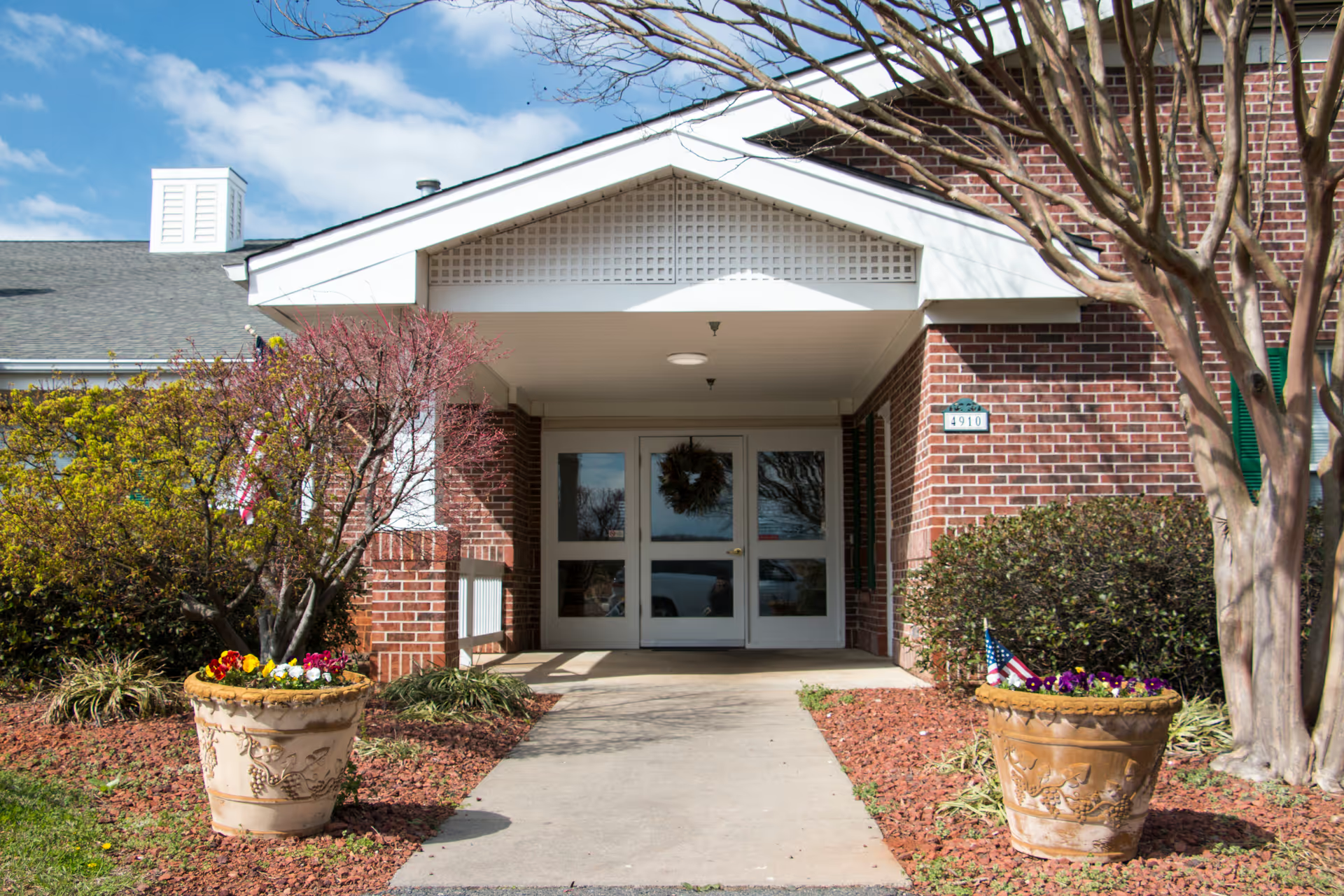
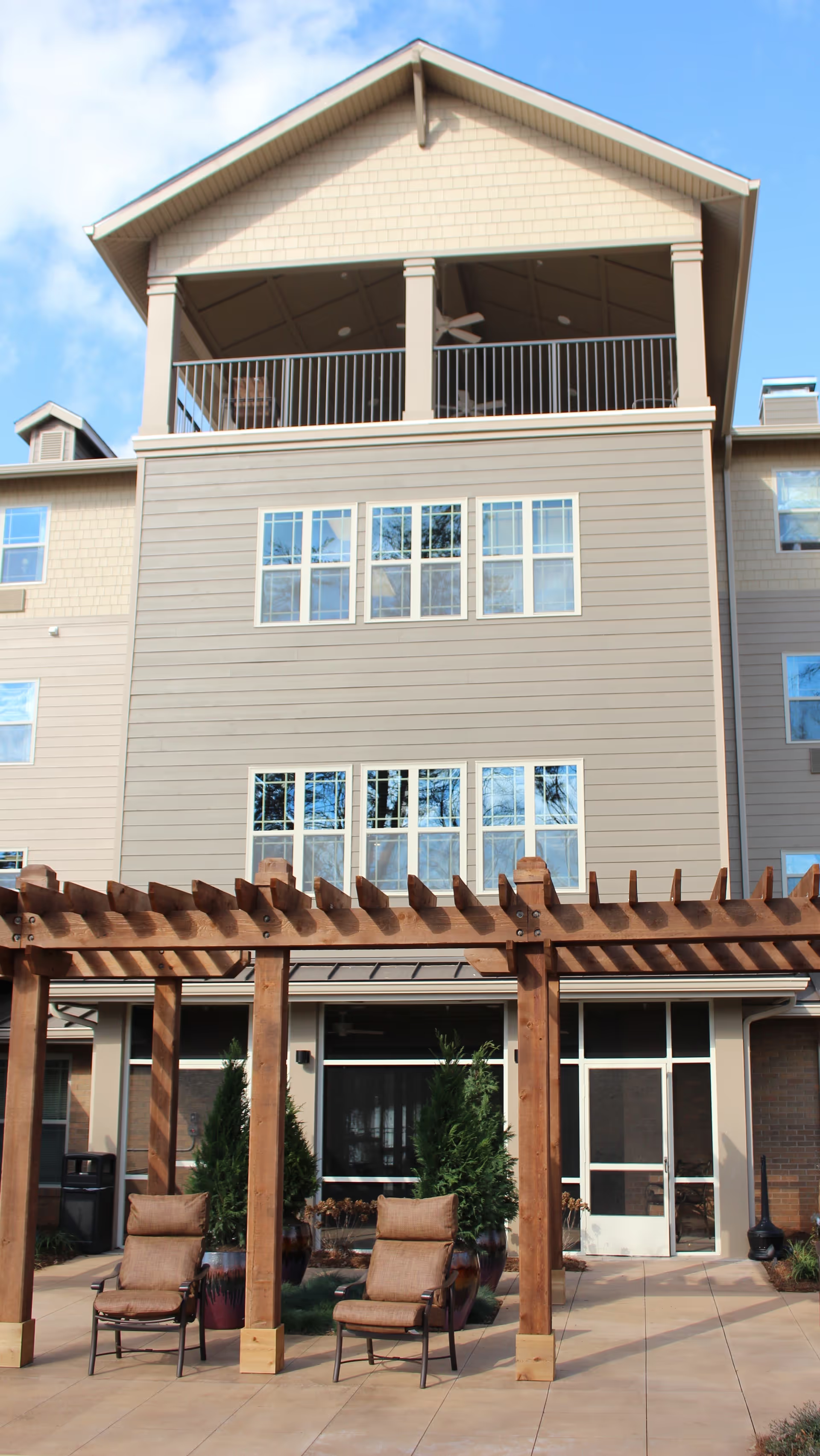
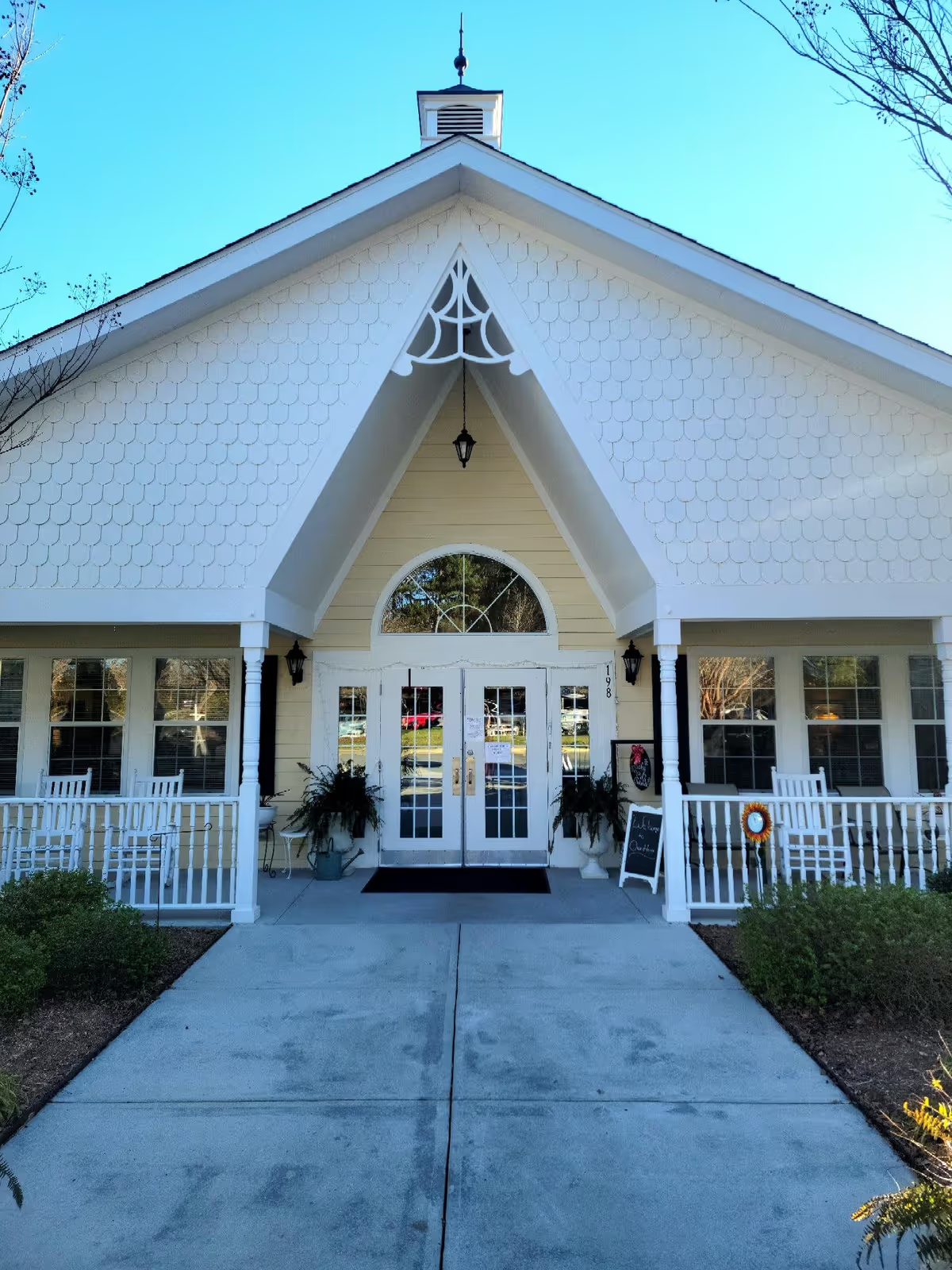
Dining, housekeeping, and amenities: The facility’s appearance, cleanliness, and amenities are repeatedly noted positively—private rooms, bright interiors, salon, library, and well-kept activity spaces. Dining feedback is mixed: some families appreciated accommodating dietary needs and pleasant communal meals, while others reported cold, repetitive, or limited menu options and occasional food availability problems. Housekeeping and sanitation are generally praised, though isolated sanitation concerns and supply shortfalls (for example, inconsistent ice/water access or paper supplies) were also mentioned.
Activities and engagement: The activity and recreation program receives strong endorsement. Reviewers consistently describe an active programming schedule, a proactive recreation director, and meaningful social and therapeutic activities that contribute to resident well-being. Therapy adjuncts such as therapy animals and specialty classes were cited as positive contributors to morale and recovery.
Management, communication, and operations: A recurrent theme is uneven administrative responsiveness. Families reported difficulties with admissions and discharge logistics, delayed callbacks from leadership, and frequent leadership turnover. Communication breakdowns appear in several operational areas—admissions, discharge planning, billing, and in-unit clinical updates—leading to frustration and, at times, missed or delayed services. Personal-property handling and tracking procedures also appear inadequate in some accounts, producing loss or misplacement of belongings.
Notable patterns and takeaways: The dominant pattern is a contrast between exceptional rehabilitation capacity and inconsistent skilled-nursing operations. Prospective residents and families should weigh the facility’s strong therapy resources, modern amenities, and engaging activities against concerns about variable nursing coverage, medication-management controls, and administrative communication. Where clinical complexity or high dependency is a primary need (for example, continuous monitoring, complex medication regimens, or advanced dementia care), families may want to confirm current staffing levels, escalation protocols, medication administration safeguards, and property-handling policies with administrators before placement. For short-term rehabilitation goals, the facility’s therapy strengths and environment may offer substantial benefit, provided families remain attentive to care coordination and communication during the stay.