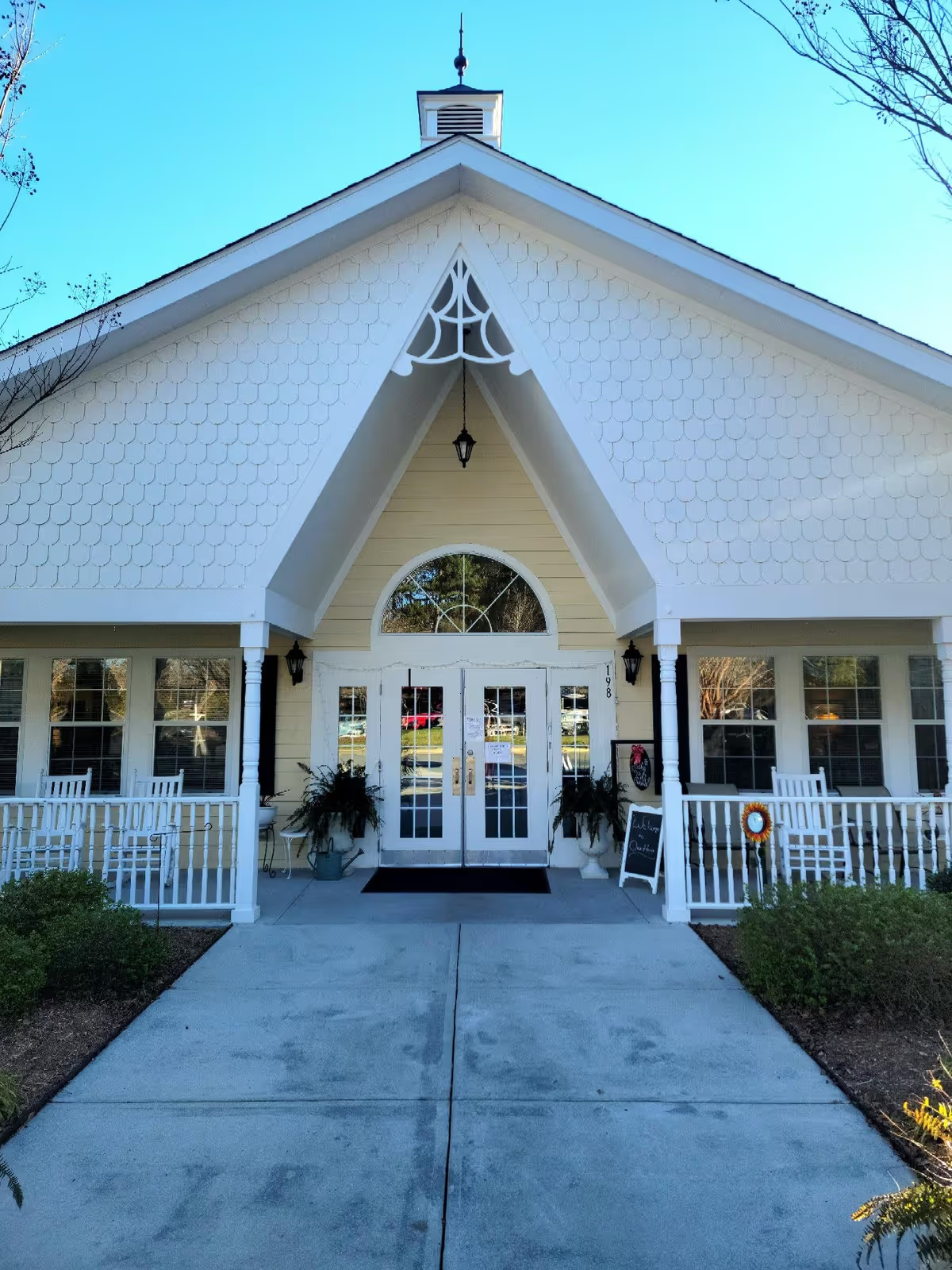
Overall impression: Olde Knox Commons at the Villages of Mecklenburg presents as a rehab-focused skilled nursing community with many strong clinical and customer-service elements alongside recurring operational inconsistencies. Numerous reviews praise the clinical teams—particularly physical and occupational therapists—and describe clinically effective, goal-oriented rehabilitation that helped residents regain strength and independence. Nursing and CNA staff are frequently characterized as compassionate and respectful, and housekeeping and maintenance are often noted for keeping the facility clean and well maintained.
Care and clinical services: The facility's rehabilitation program and therapy staff receive consistent positive mention for skill, encouragement, and measurable functional improvements. Many families described coordinated care plans and effective discharge planning when it worked well, and clinicians were credited with improving both physical function and mood. Nursing-level care is commonly praised for dignity and bedside interactions; however, reviewers also identified patterns of inconsistent staffing that have led to delayed responsiveness to call lights and occasional gaps in routine care.
Dining and activities: Dining impressions are mixed. Several accounts describe personalized meal accommodations and attentive dining staff or a chef who tailors food to residents' needs. Other accounts raise concerns about menu accuracy, meal availability, and inconsistent meal-service continuity, leading some families to rely on outside deliveries at times. Activities programming is a clear strength—regular offerings such as bingo, exercise, faith-based groups, visiting-animal programs, and social events are cited as meaningful contributors to resident quality of life.
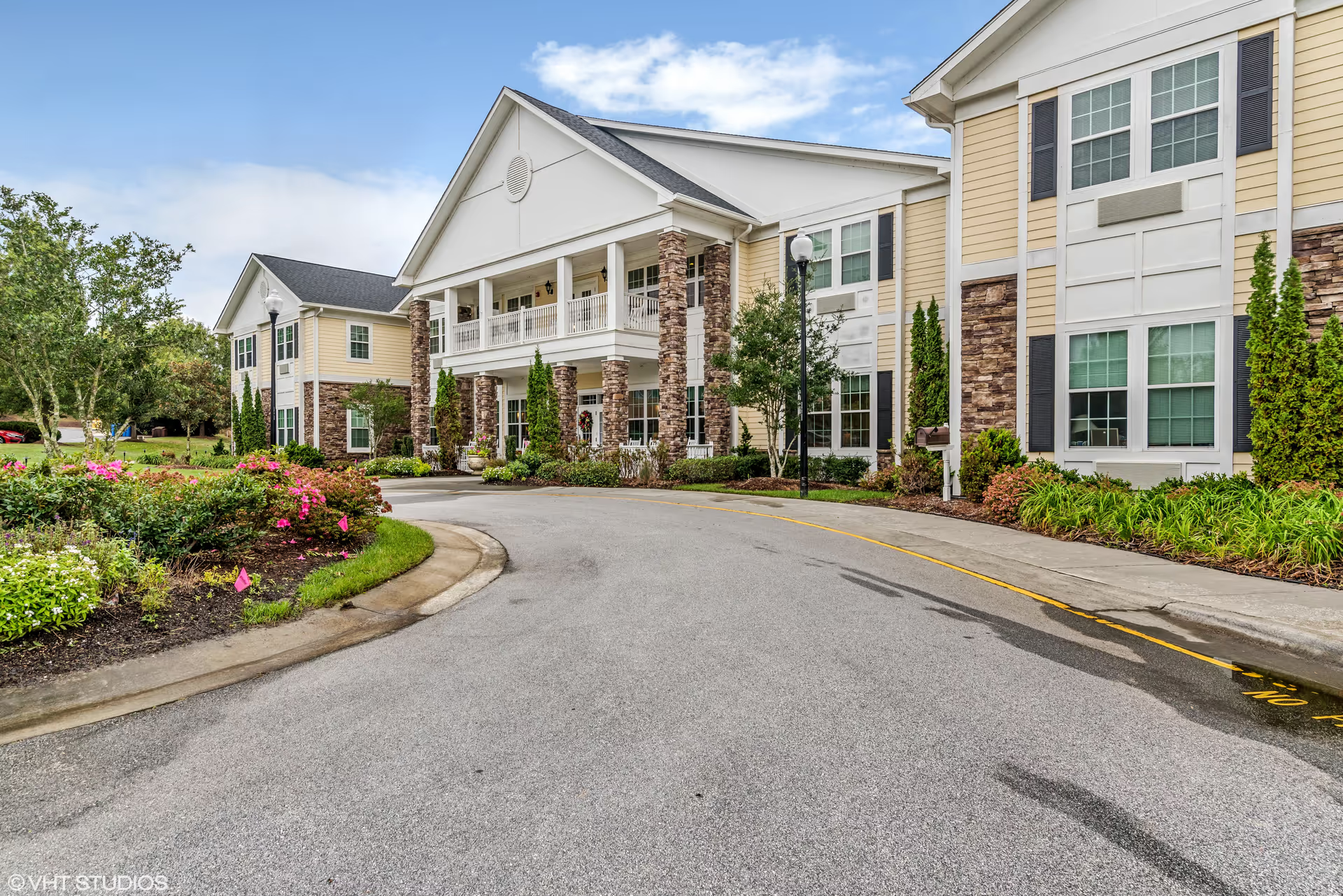
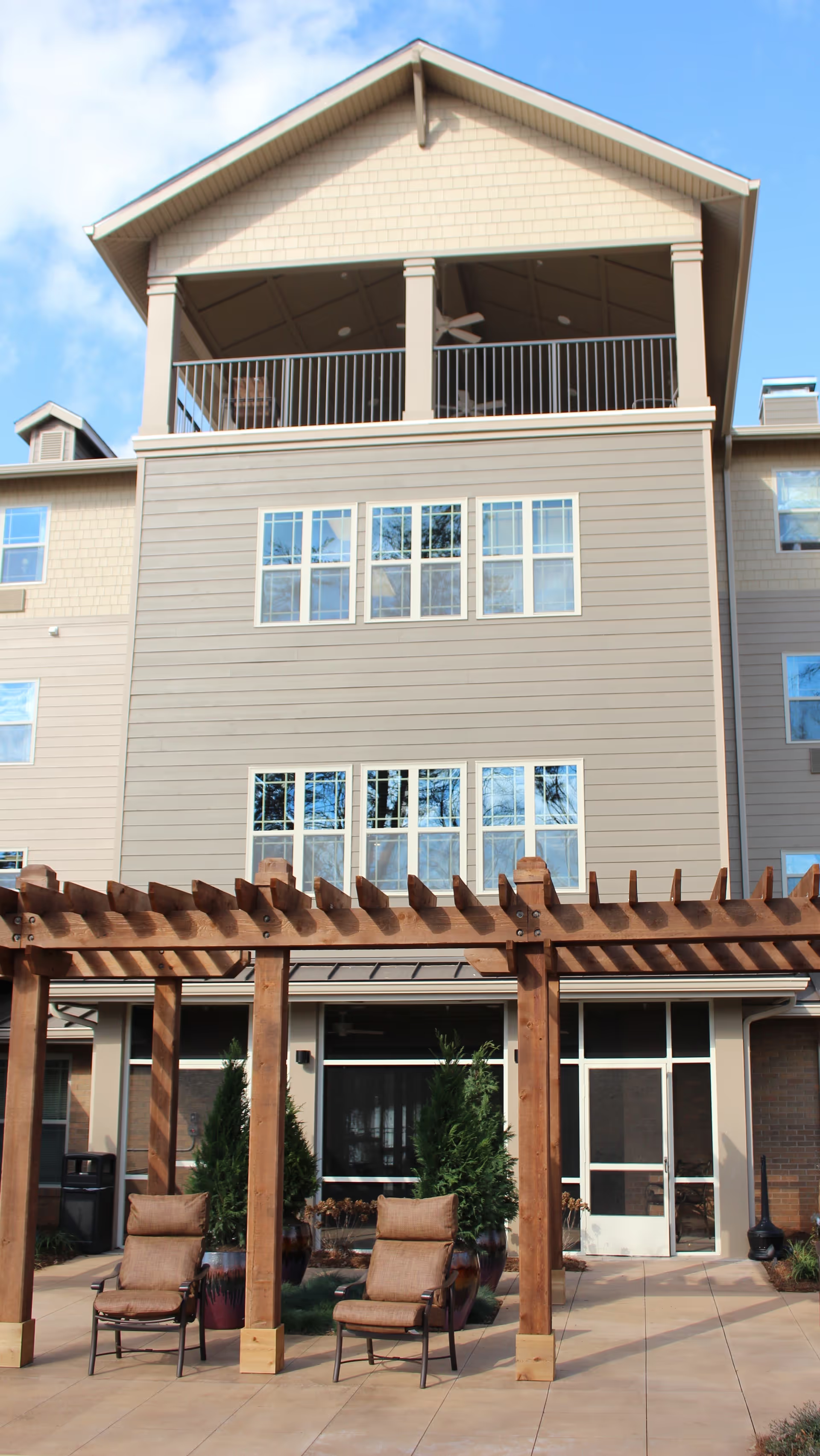
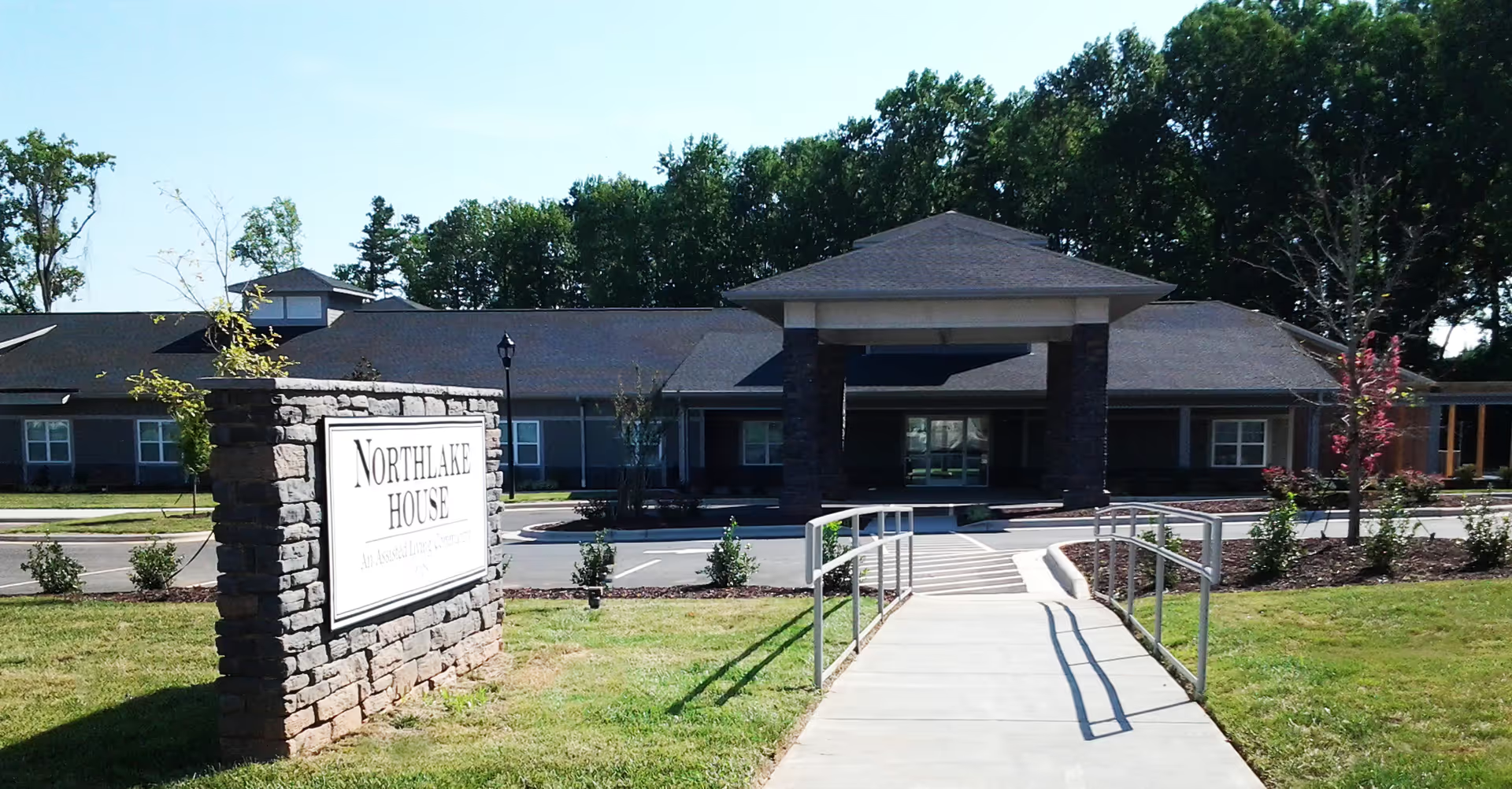
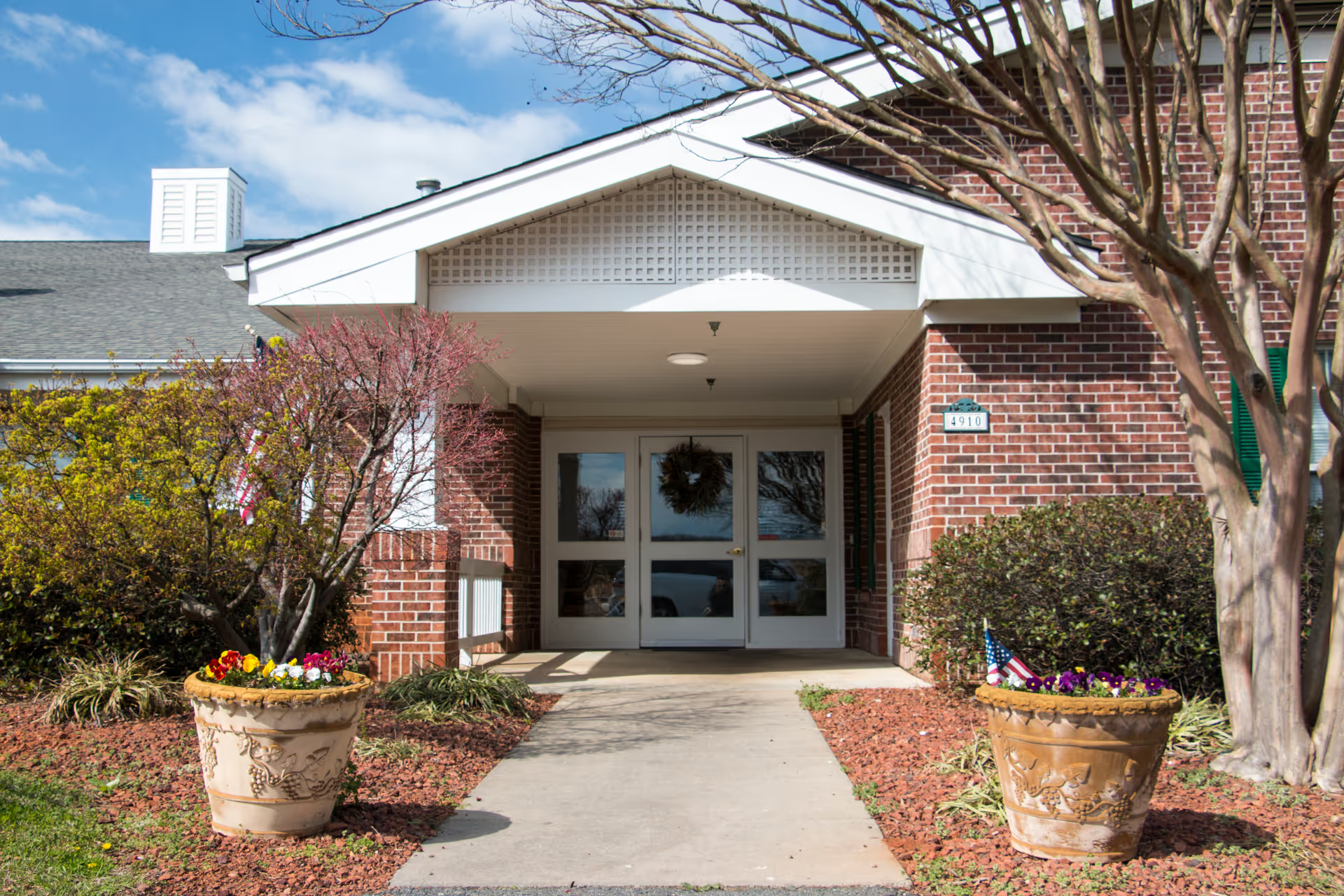
Facilities and environment: The building and common spaces are frequently described as modern, odor-free, and pleasant, with an attractive courtyard and dedicated rehab spaces. At the unit or room level, reviewer experience varies: some note dated or sparse private rooms and constrained privacy when rooms are shared. A number of families emphasize overall cleanliness, while others point to intermittent sanitation or odor concerns in particular hallways or areas.
Management and operations: Admissions and intake staff often make a positive first impression and are praised for warmth and organization. At the same time, operational weaknesses recur in reviews: administrative disorganization around discharge and bed management, occasional admissions-placement mismatches (for example, expectations about level of care), and communication breakdowns between departments and with families. A few accounts reference language barriers with clinical staff and isolated incidents of unprofessional conduct; these appear uneven rather than system-wide but are significant to affected families.
Patterns and guidance for families: The predominant pattern is a strong clinical and rehabilitative orientation supported by caring staff and robust activity offerings, tempered by episodic administrative and operational lapses. Prospective residents and families interested in short-term rehab or therapy-driven recovery are likely to find genuine clinical strengths here. Families considering placement should clarify room type and privacy expectations, ask about staffing levels and language capabilities of assigned caregivers, confirm meal-service policies and contingency plans, and review discharge and bed-hold procedures to reduce the risk of administrative disruption. Overall, the facility demonstrates important clinical assets with operational areas that merit careful inquiry during touring and admissions discussions.