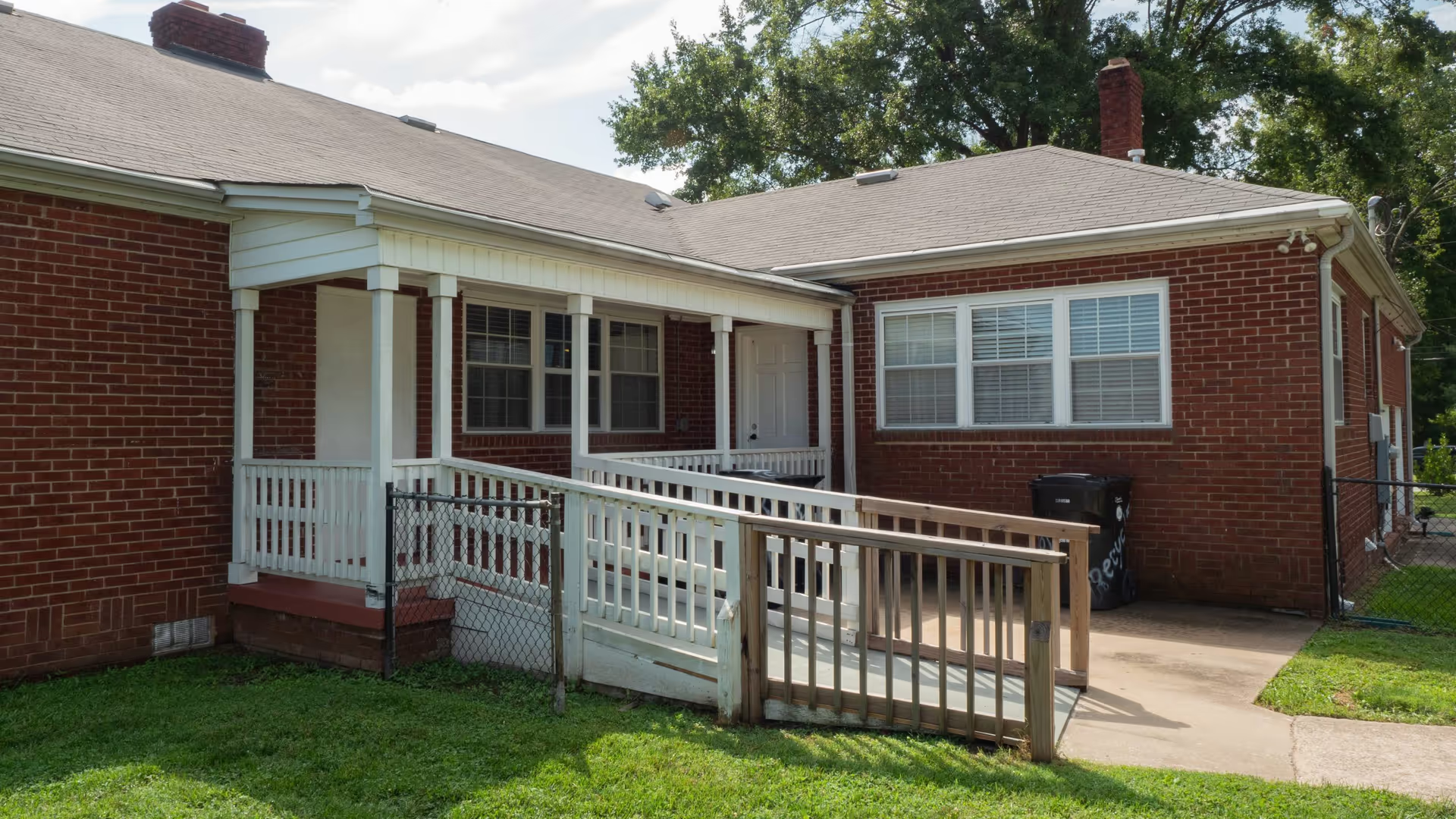
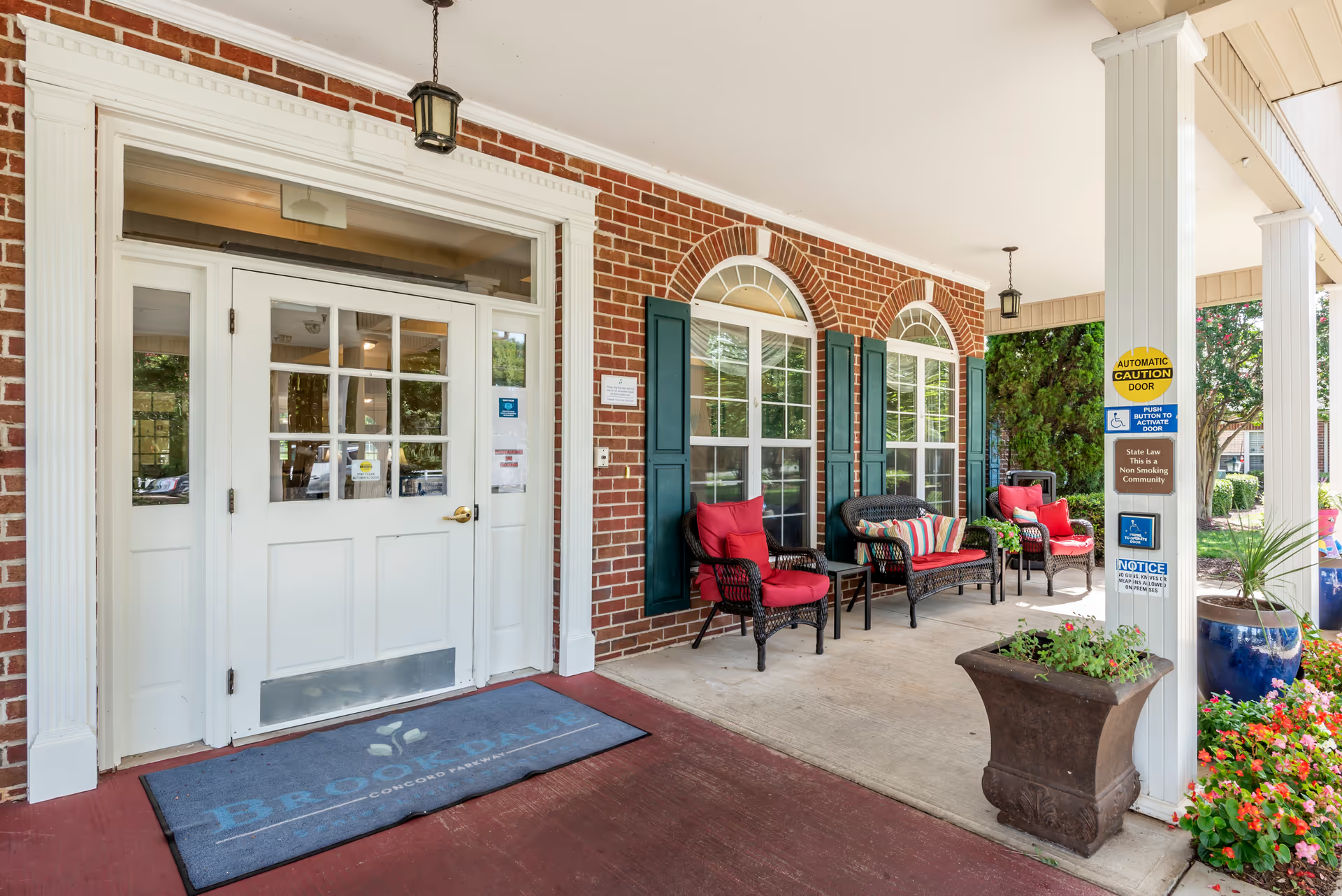
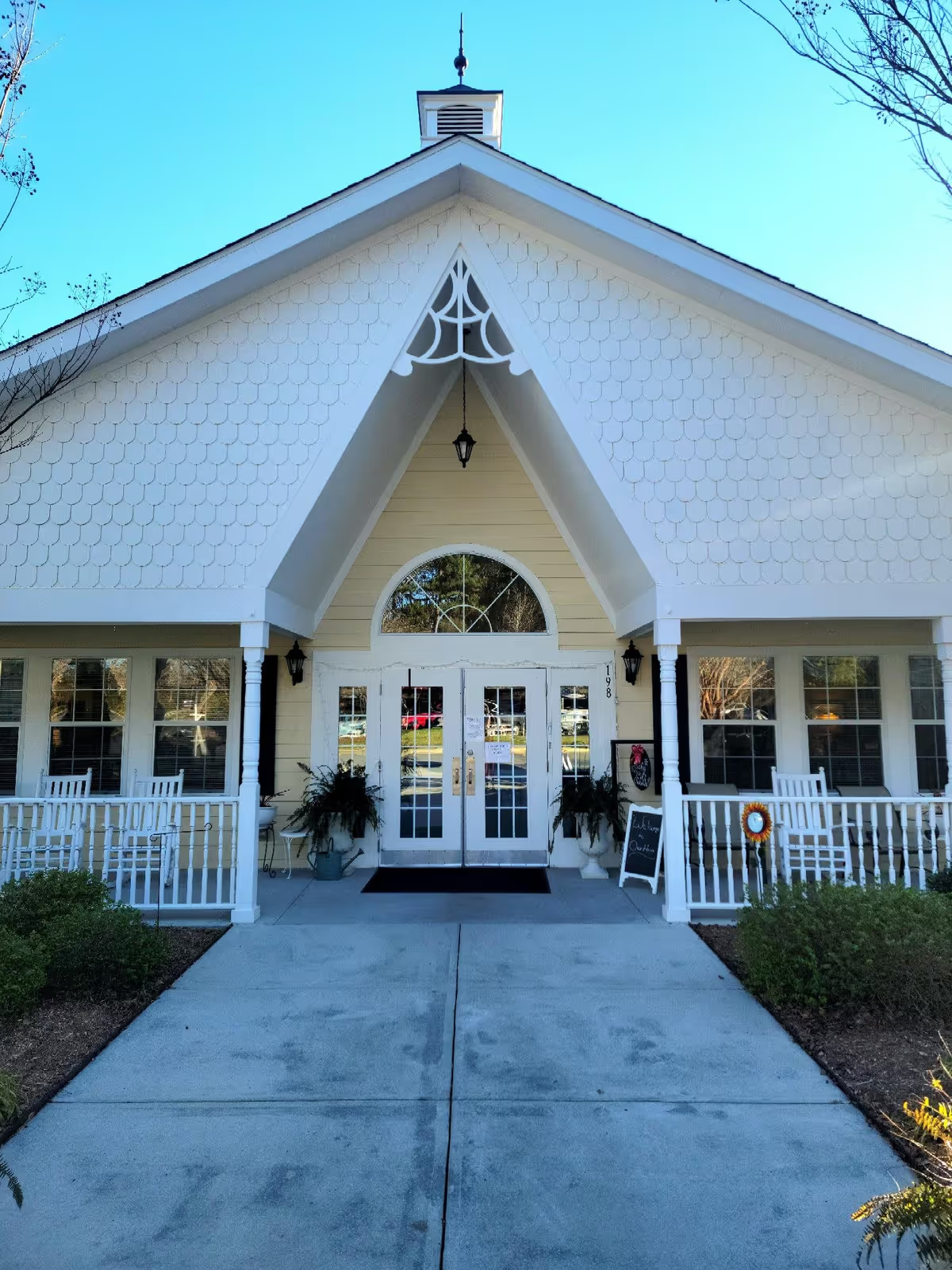
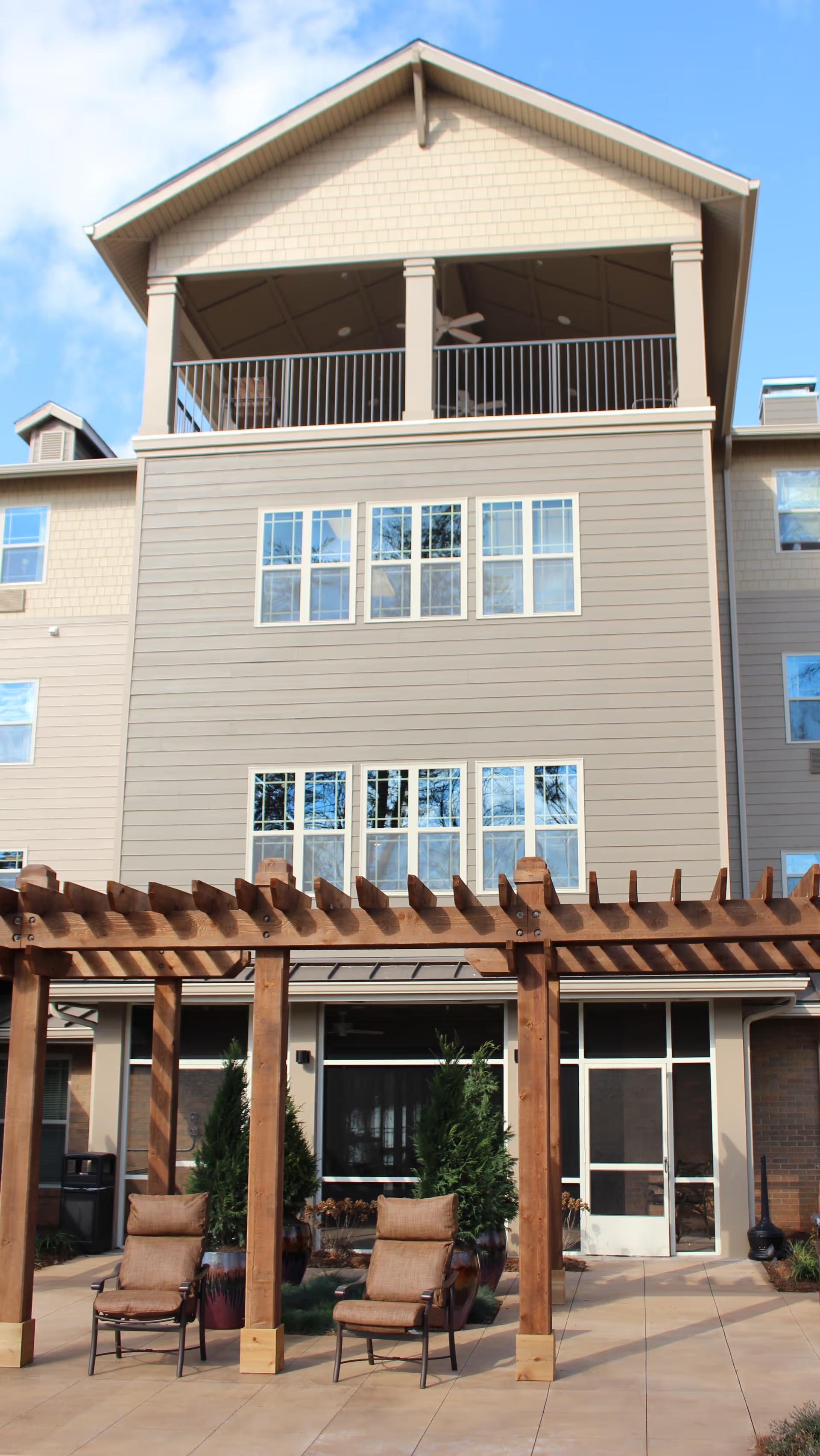
Best of Care Assisted Living is consistently described as a small, family-owned residential facility with a home-like atmosphere, attentive kitchen staff, and an activities program aimed at social engagement. Many families praise the personable administrative team and hands-on owner involvement, noting ready communication and assistance with appointments. The facility’s small scale is repeatedly framed as a strength: staff are familiar with residents by name, meals are described as homemade and nutritious, and common areas and private rooms are generally clean, well-lit, and accessible.
Care and staffing impressions are mixed. Numerous accounts highlight attentive nursing and CNA support, timely medication delivery by an on-site med-tech, and prompt responses to routine needs. Activity offerings such as bingo, bible study, and outdoor events are mentioned positively, and family members appreciate regular updates. At the same time, reviewers describe variability in staff conduct and patience, and several note episodes of resident distress or loud vocalization that they felt were not always managed consistently. There are also references to periodic staffing shortages; prospective families should consider asking about current staffing ratios and float/backup plans.
Operational and clinical patterns merit direct inquiry during a tour. Some reviewers described access-control and admissions coordination issues (locked entry, needing to ring a bell, or an unprepared intake experience). A few accounts raise more serious clinical questions, including emergency hospitalization and a resident death; these reports emphasize the importance of clarifying the facility’s clinical oversight, incident-response protocols, and family-notification procedures. Medication management is generally described as accurate and on-time by many families, but there are also comments indicating inconsistency in medication practices—prospective families should ask about pharmacy relationships, medication verification procedures, and documentation.
Facilities and services align with a small, residential model: benefits include a cozy environment, personal services (on-site beauty parlor), attentive kitchen staff, and a community-oriented program. Limitations of that model are also evident: the facility restricts its resident population (for example, not accepting certain higher-acuity needs), and on-site clinical services and specialist availability may be limited compared with larger communities. To evaluate fit, visitors should request a full tour, review staffing schedules and credentials, ask about recent incidents and follow-up actions, confirm access and visitation policies, and discuss specific clinical needs (medication protocols, behavioral management, and physician/therapy access).