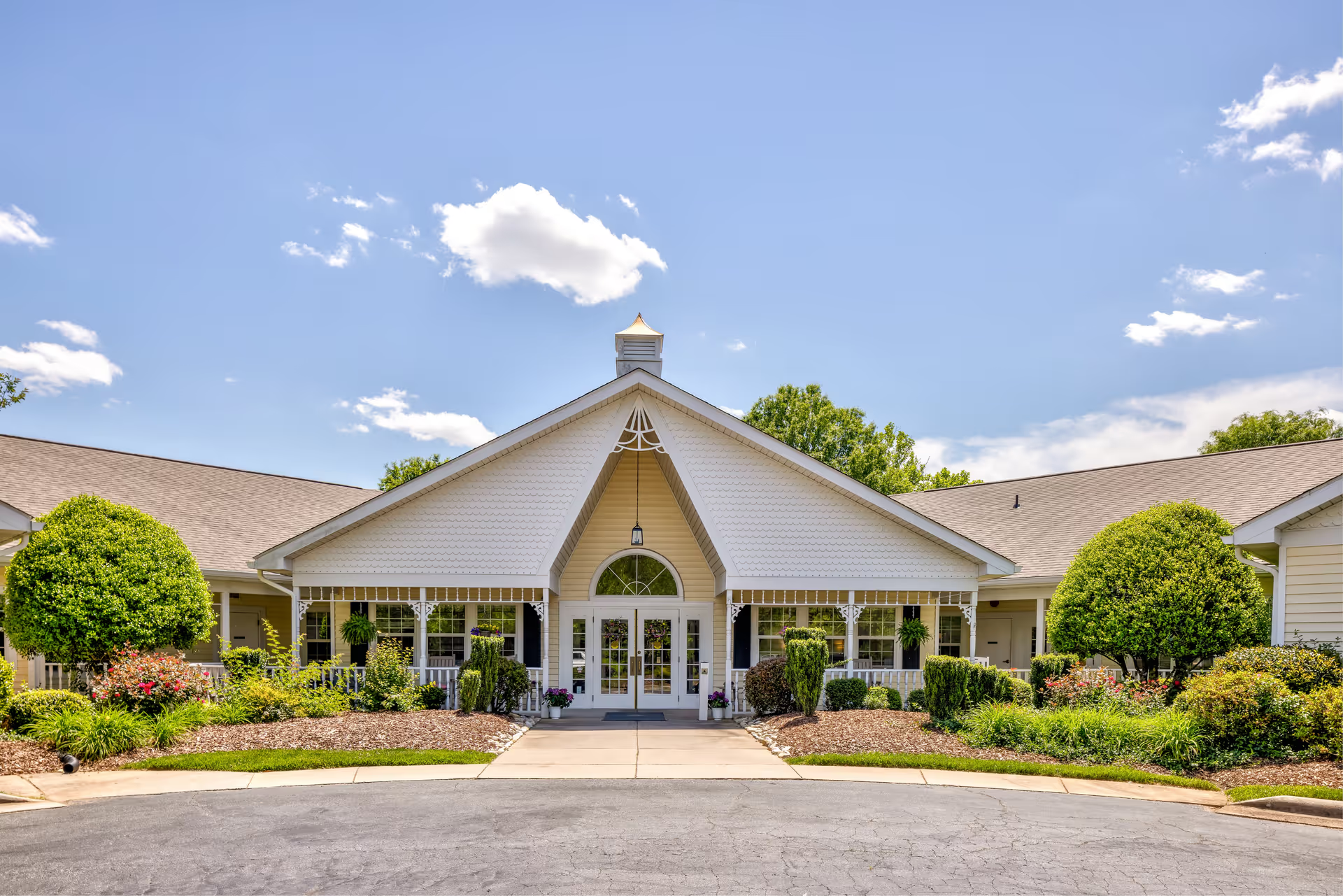
The reviews present a highly mixed picture of Big Elm Nursing-Retirement Center, with clear strengths at the point of direct care but recurring operational weaknesses that affect overall quality and reliability. Many families and patients described compassionate, attentive bedside care from individual nurses, CNAs, and therapy staff; physical therapy and short-term rehabilitation services received particularly positive comments. Several accounts emphasize staff who provide personalized attention, comfort items, and clinically competent wound and rehab care. Portions of the facility have been renovated and were noted as clean and comfortable by some visitors.
At the same time, reviewers consistently describe systemic issues that undermine care delivery. Chronic understaffing and high employee turnover were frequent themes; reviewers linked these staffing shortages to overworked employees, inconsistent coverage, and gaps in training or competency. Multiple accounts describe delays in clinical response, difficulties coordinating imaging or hospital transfers, and inconsistencies in documentation and follow-up after safety events. These patterns suggest gaps in transfer- and incident-response protocols as well as in supervisory oversight.
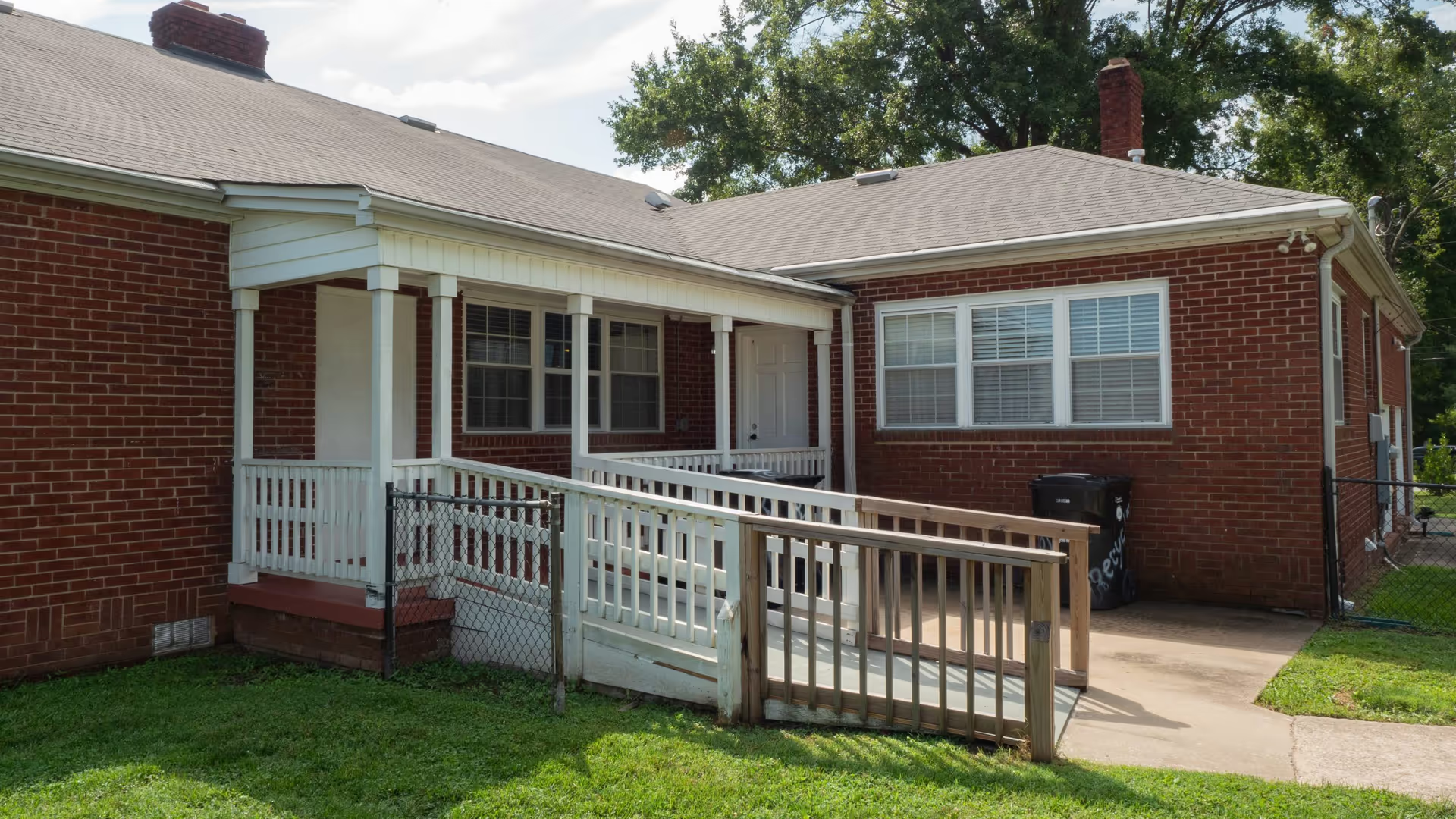
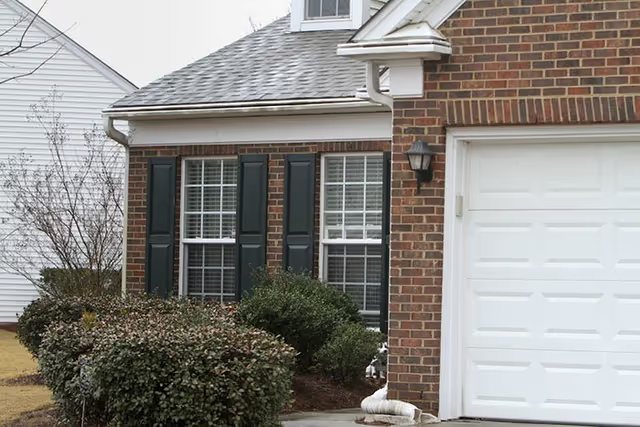
Facility upkeep and operational services are another area of divergence. While some units were described as renovated and well-maintained, many comments point to deferred maintenance, odor concerns, peeling paint, and pest-control problems in parts of the building. Dining received mixed ratings—some families were satisfied, while others described limited menu variety and uneven food quality. Activity programming was described as limited or inconsistent, and several reviewers reported long stretches without scheduled bathing or communal events, indicating variability in basic personal-care scheduling and social engagement offerings.
Management and communication were repeatedly highlighted as a source of frustration. Positive remarks about an accessible director and helpful administrative staff coexist with frequent complaints about poor family communication, delayed billing or refunds, nonfunctional phone coverage on weekends, and a managerial culture characterized by weak accountability. Reviewers described instances of negative staff conduct and harsh supervisory interactions; these accounts point to concerns about staff supervision, workplace culture, and the facility's ability to support employee advocacy without reprisals.
Overall, the pattern is one of competent, often compassionate frontline caregivers operating in an environment stressed by staffing shortages, inconsistent management practices, and maintenance deficits. Prospective residents and families should weigh the evident strengths in individual caregiving and rehabilitation against the operational concerns. Recommended due diligence includes in-person inspections of resident rooms and common areas, direct questions about current staffing levels and weekend coverage, review of incident-reporting and transfer protocols, confirmation of pest-control and cleaning practices, and clarification of billing and communication procedures before decision-making.