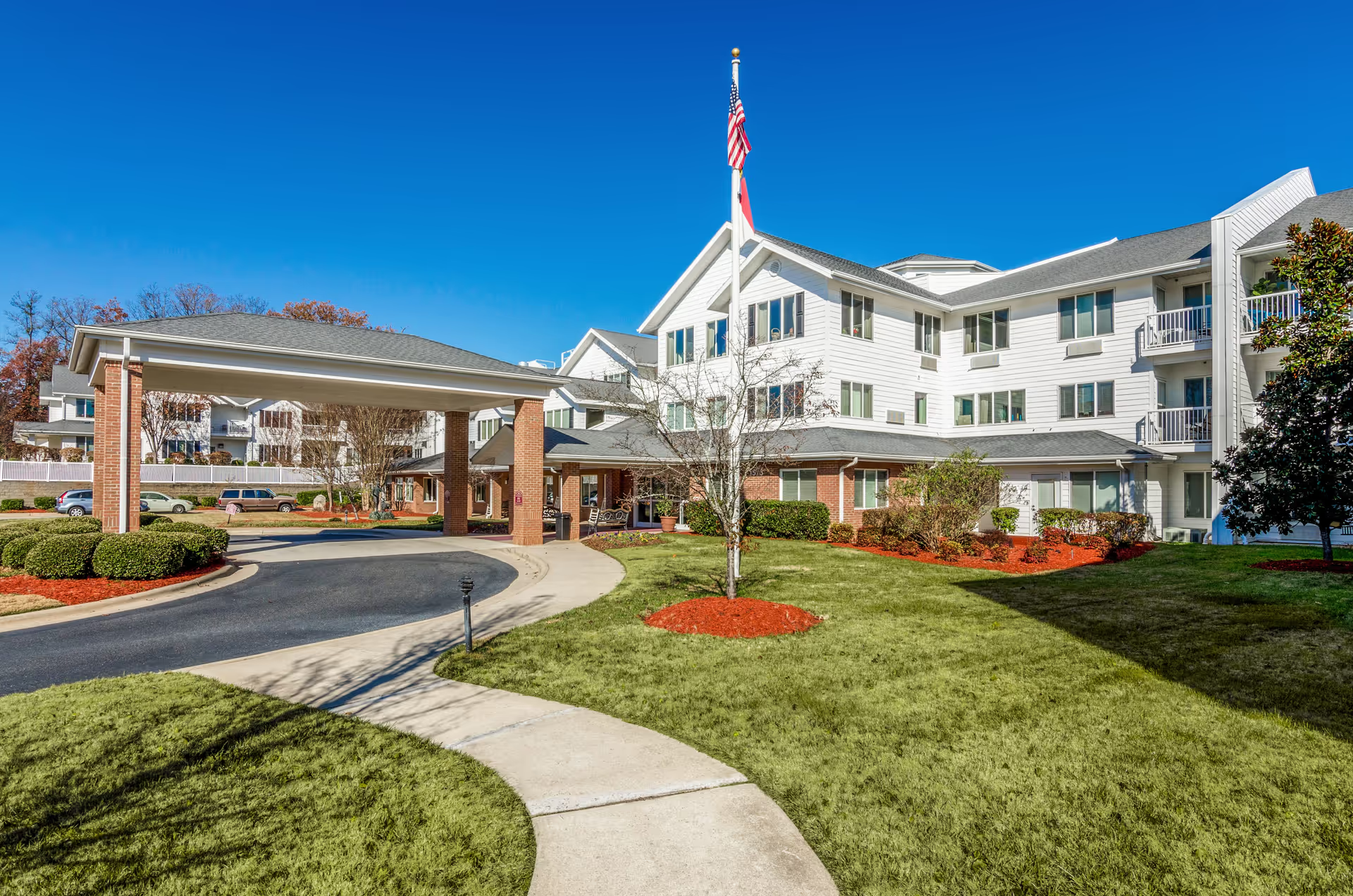
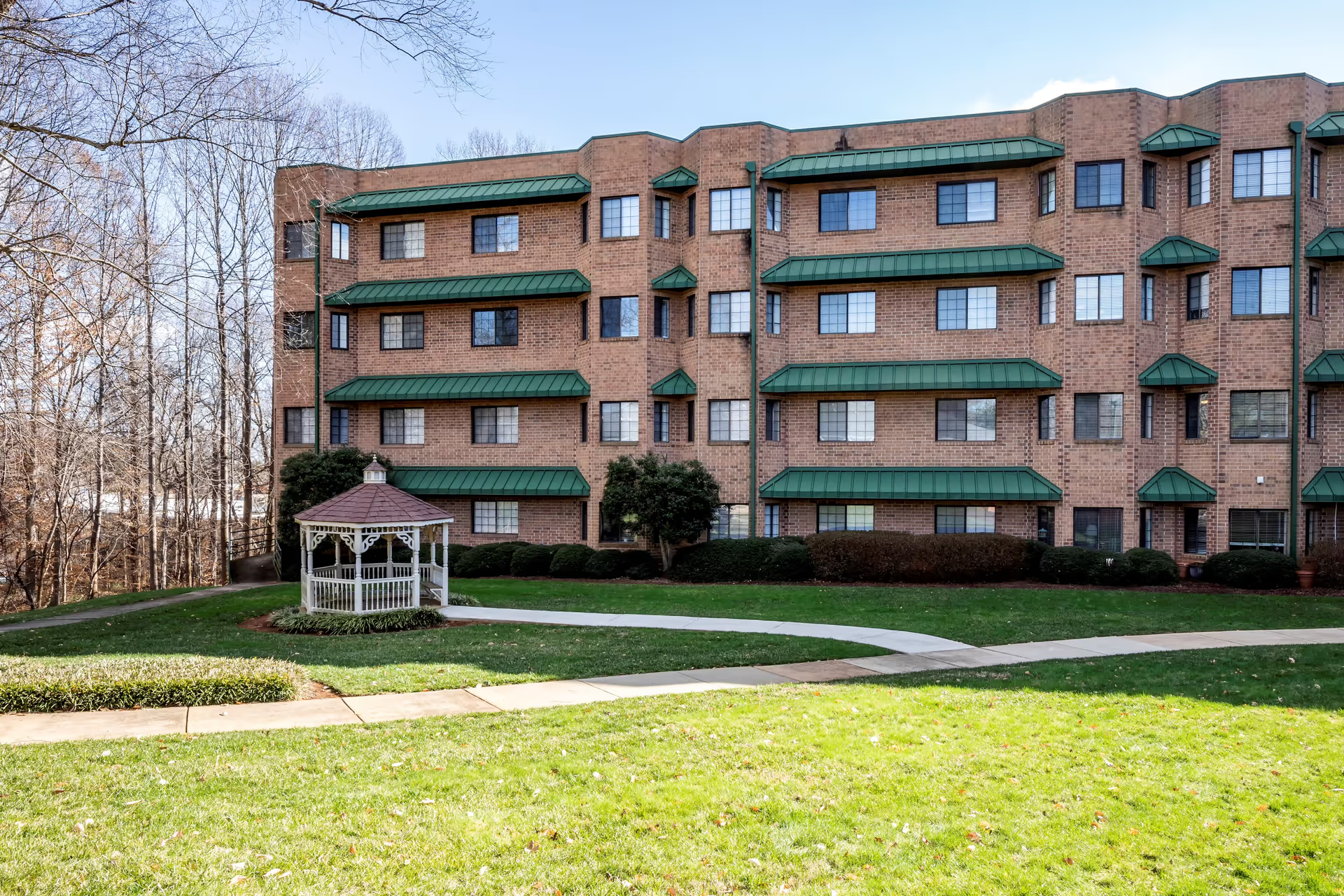
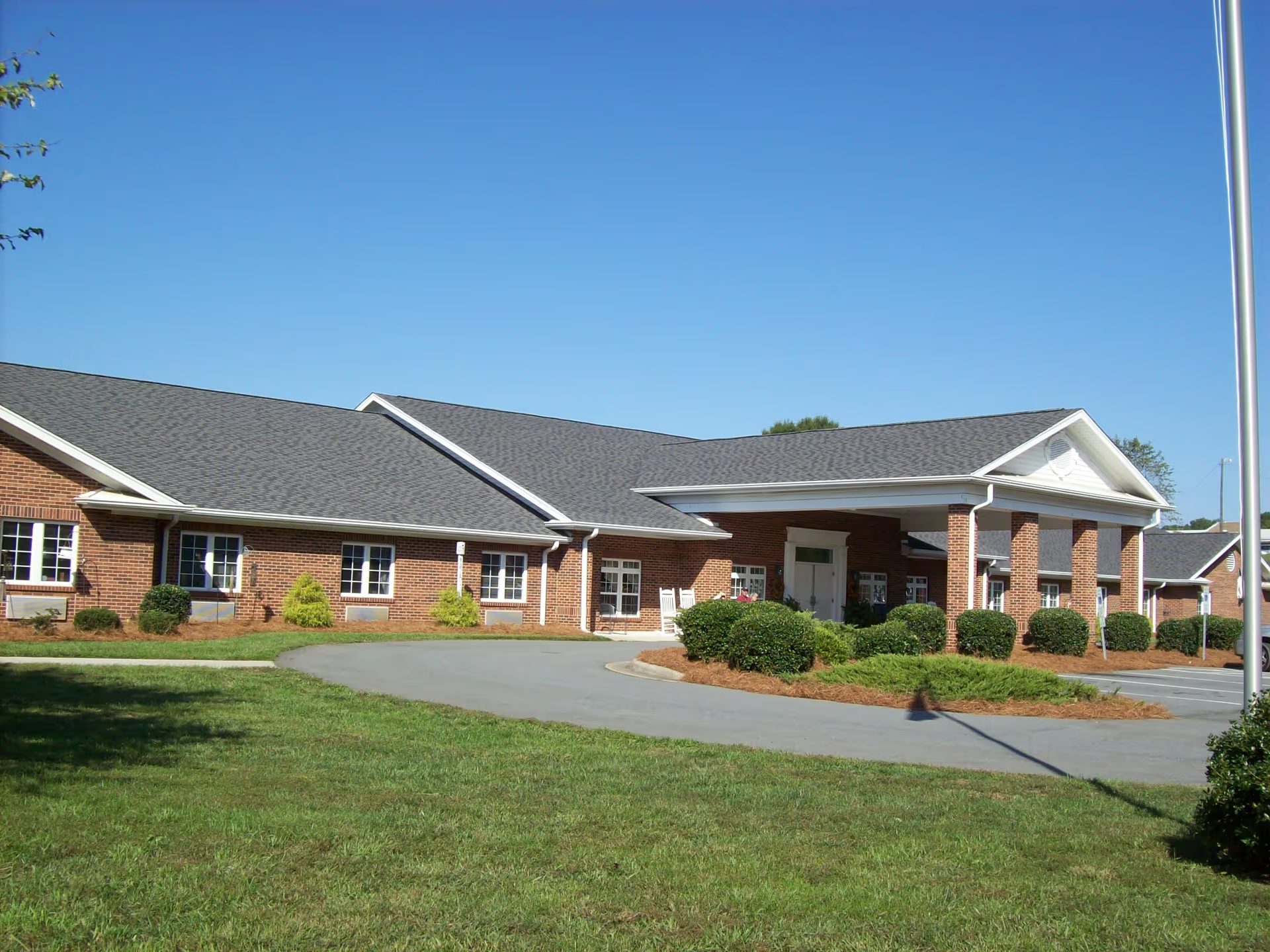
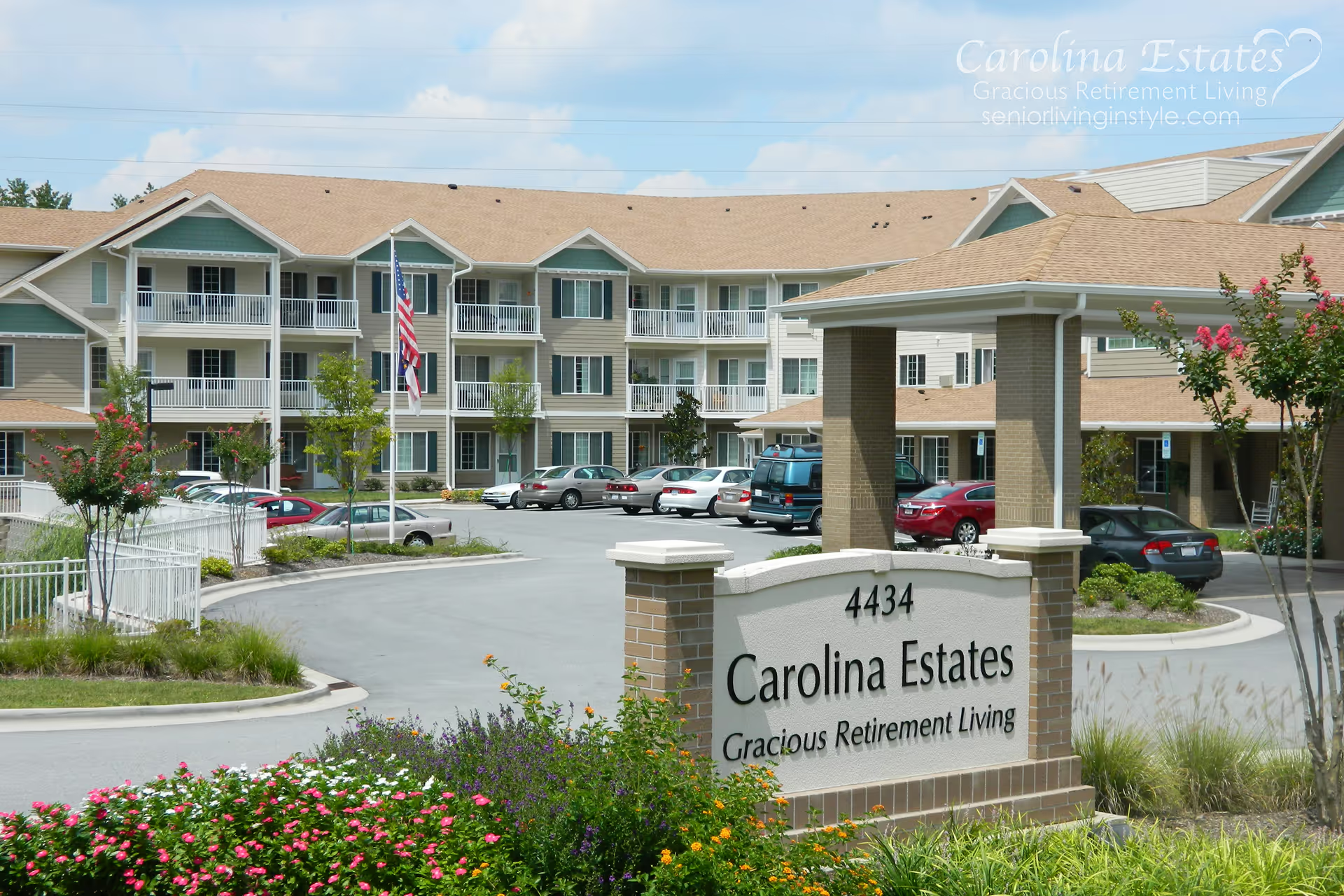
The reviews for Piney Grove Nursing and Rehabilitation Center present a polarized picture: many accounts highlight strong rehabilitative services and caring interactions, while other accounts raise operational and safety concerns. Therapy services—particularly physical and occupational therapy—are repeatedly identified as a strength, and numerous families reported successful short-term rehabilitation outcomes. Positive reports also emphasize an activities program, helpful amenities such as a salon and game room, and staff who form warm relationships with residents when staffing is stable.
Care quality appears variable. Strengths include compassionate individual staff members and effective therapy teams; several families described attentive nursing and aides who supported recovery. Conversely, there are consistent operational concerns around staffing: reviewers describe frequent short-staffing, high turnover, and fatigued CNAs. These staffing patterns correlate with delays in responding to call lights, inconsistent bathing and toileting assistance, and in some cases, lapses in basic bedside care. A number of reviews also raise concerns about medication management, including delayed doses, medication-administration errors, and prescription documentation issues that affected timely access to medicines.
Dining and nutrition reports are mixed. Some families praised the food and reported weight gain during rehab stays, while others described inconsistent meal quality, cold or incorrect trays, and difficulties with feeding assistance. Meal-service continuity and timing appear to be unstable at times, which has impacted residents with dietary restrictions or anticoagulation needs.
Facility and safety issues are another repeating theme. Reviews reference cleanliness and odor concerns in common areas and rooms, inconsistent housekeeping, broken equipment, and missing assistive devices such as lifts. Security and access-control practices were questioned in several accounts, including gaps in sign-in procedures. There are also serious claims including allegations of theft and illicit-substance activity on the premises; those assertions are significant and warrant direct inquiry by prospective families and oversight entities.
Management and communication are described as inconsistent. Positive accounts cite responsive administrators, clear explanations, and hands-on leadership; other accounts describe unmet promises, poor follow-through on care plans, long delays in callbacks, and difficulty coordinating discharge or transportation. These mixed impressions suggest variability in managerial effectiveness over time or between shifts. Several reviews noted improvements under newer leadership and specific staff who were singled out for praise, indicating potential for positive change when leadership and staffing are aligned.
Notable patterns: strong rehab and activity programming coexist with operational weaknesses in staffing, medication management, hygiene assistance, and environmental maintenance. Prospective residents and families should verify current staffing ratios, ask about medication and documentation controls, inquire about recent state inspection outcomes, observe cleanliness and odor control during an in-person visit, and discuss security and discharge procedures. Where possible, seek specific information about therapy goals and expected outcomes, and request documentation of how the facility handles medication authorization, call-response times, and staffing contingency plans.