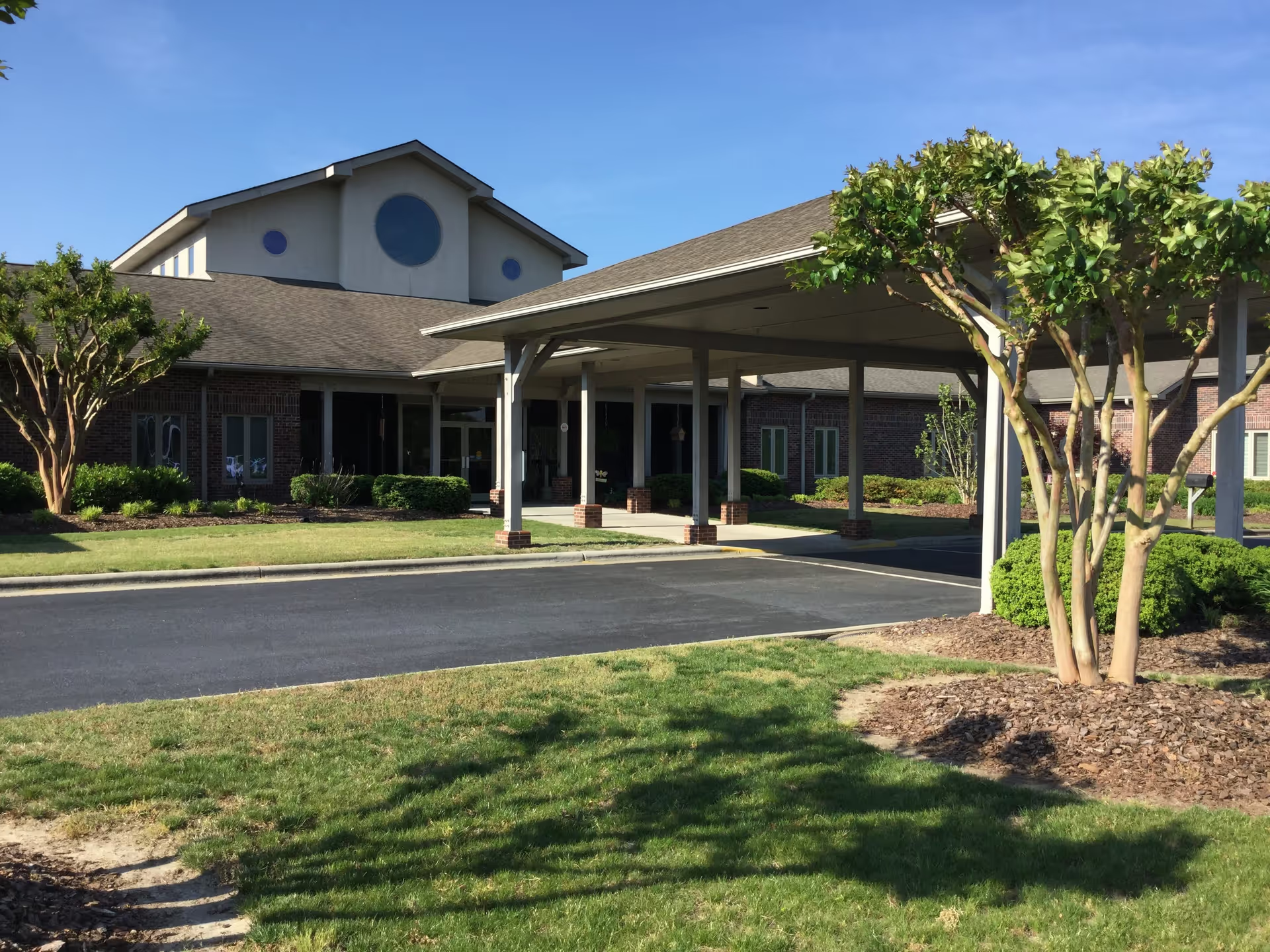
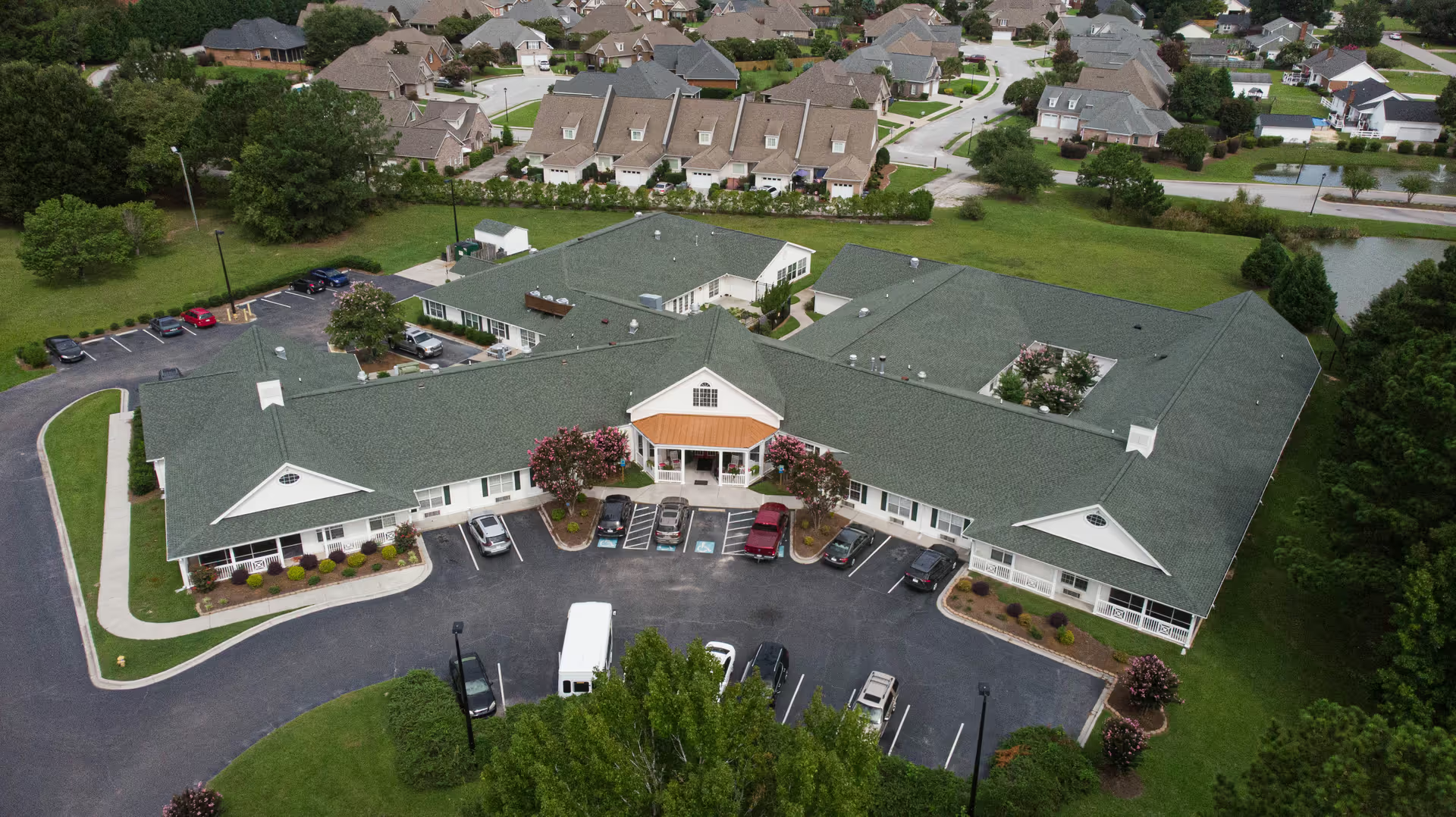
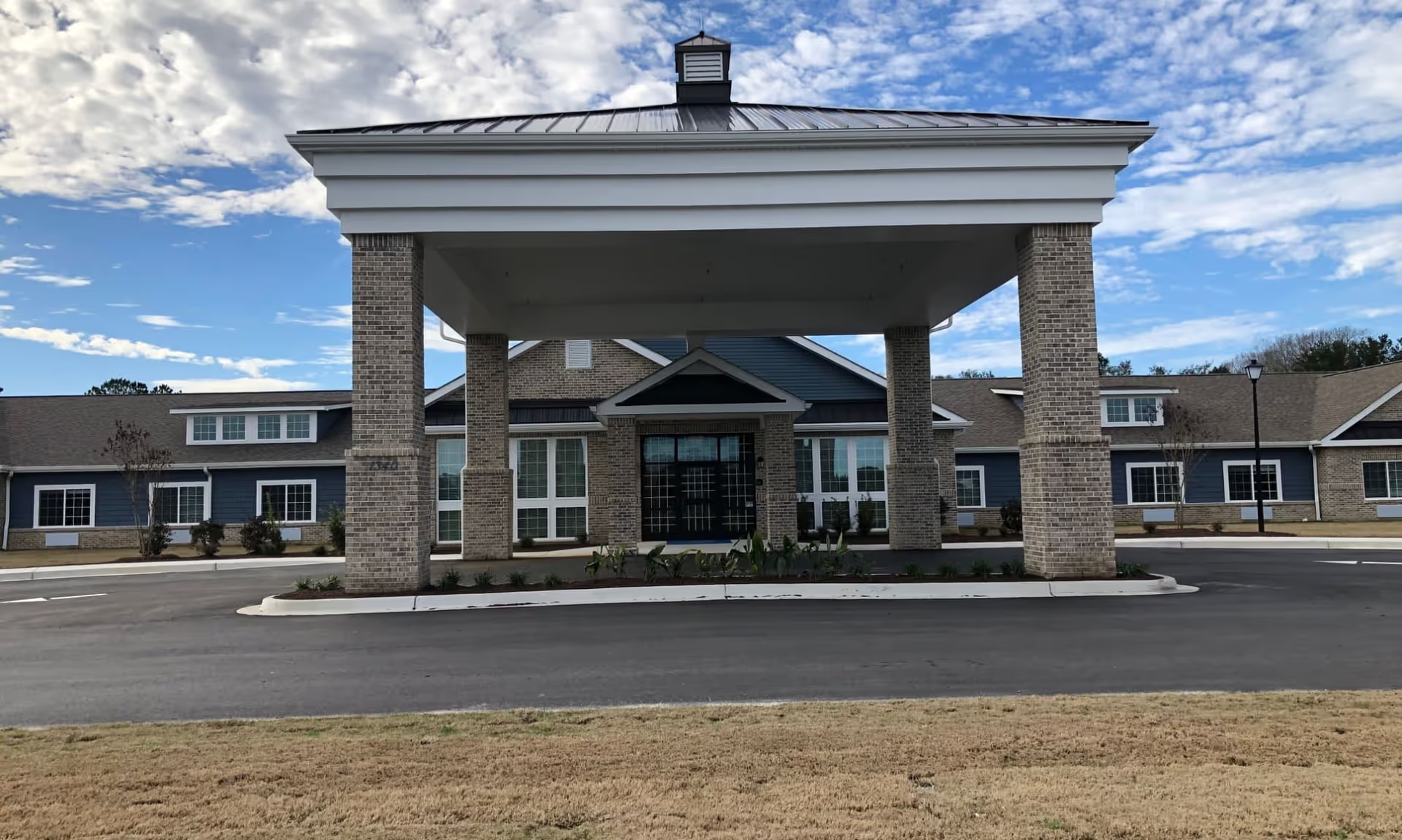
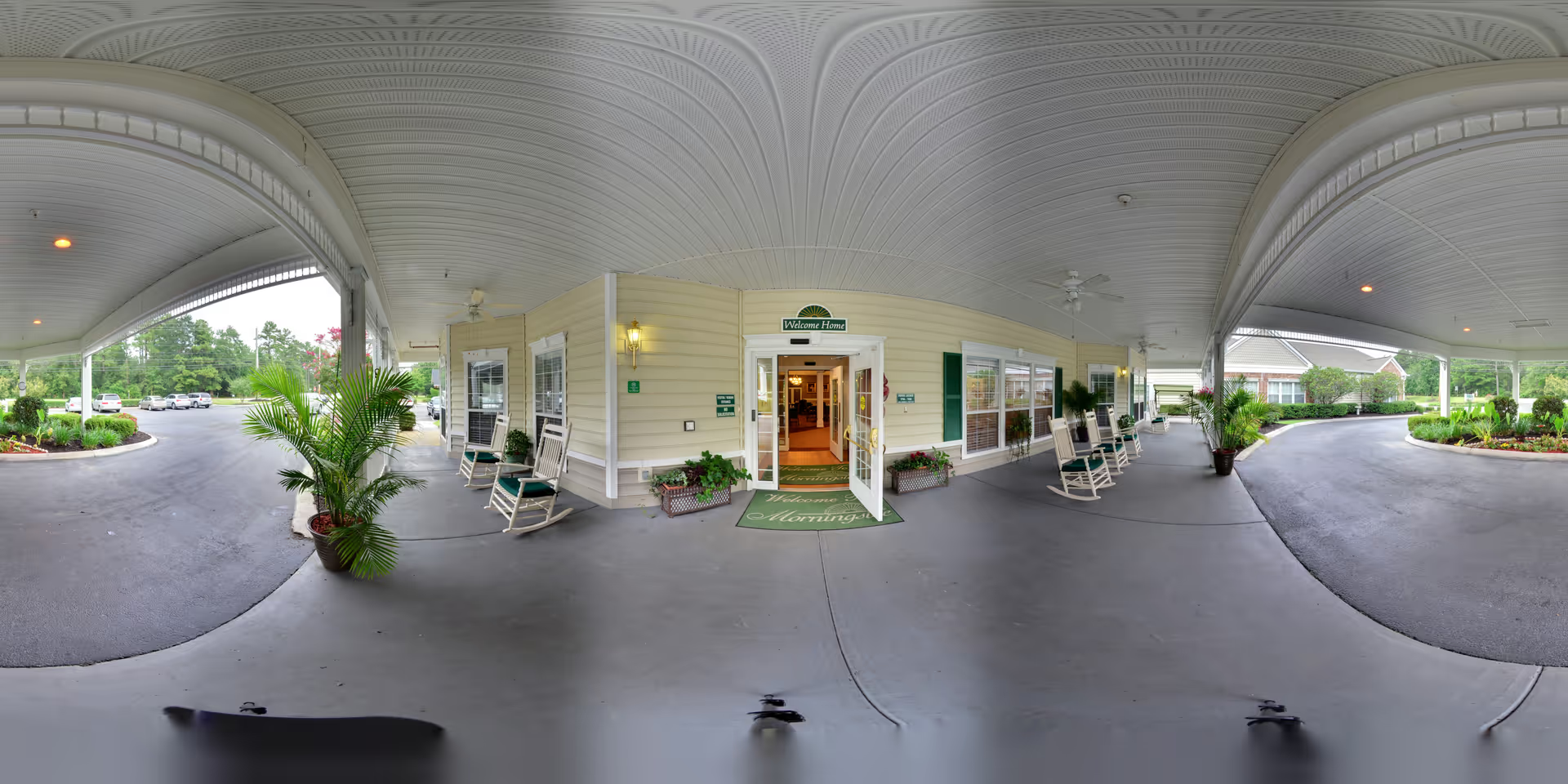
Overall impression: Reviews indicate that Scottish Pines Rehabilitation and Nursing Center provides many strengths typical of a mid‑ to long‑term care and rehabilitation setting, with particular emphasis on staff compassion, a robust therapy program, and well‑maintained facilities. Families and patients frequently describe positive clinical outcomes from the therapy program, a welcoming physical environment, and on‑site amenities that support social engagement and visitor comfort.
Care and staff: Clinical care and therapy are commonly cited as strong points. Multiple accounts reference effective, twice‑daily therapy schedules, measurable functional improvement, and staff who provide ongoing encouragement. Many families praised individual caregivers for empathy and professionalism, and several nurses and therapists were named for exemplary service. At the same time, a recurring countervailing theme is inconsistency in staff responsiveness and interpersonal conduct; while some family members report proactive communication and attentiveness, others describe delays in follow‑up and tone or friendliness issues. This pattern suggests variability in how different shifts or staff members interact with residents and families.
Dining: Dining impressions are generally positive, with several references to good meals and special event dining (for example, holiday meals). A minority of comments flag portion sizes as larger than preferred. Prospective residents may wish to ask about menu flexibility and portion options during a visit if dietary needs or preferences are an important consideration.
Activities and amenities: The facility offers recreational and creative activities, communal gathering spaces, and practical on‑site services such as a salon. These amenities, along with organized events, contribute to a social atmosphere and are mentioned as enhancing residents’ quality of life.
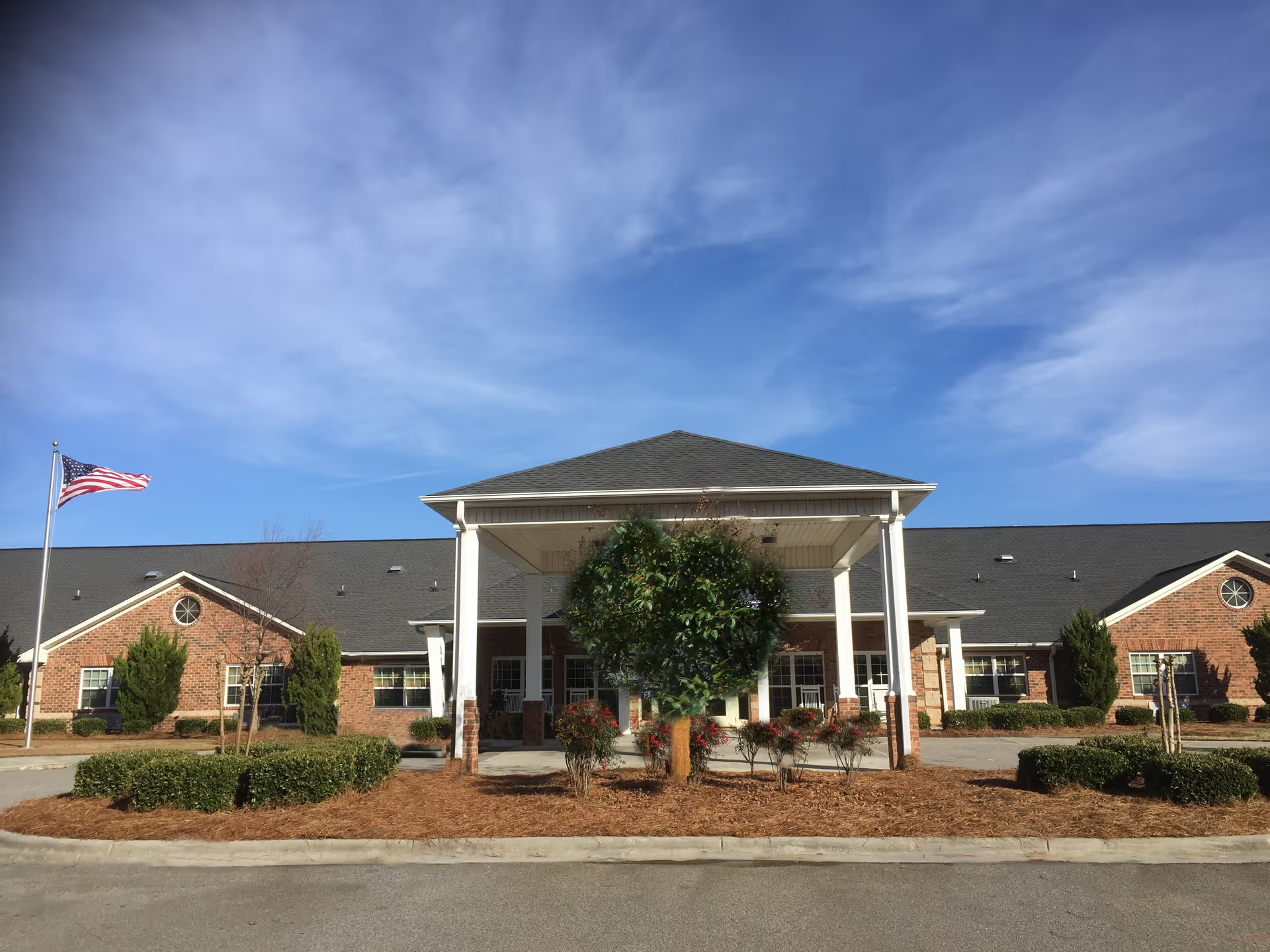
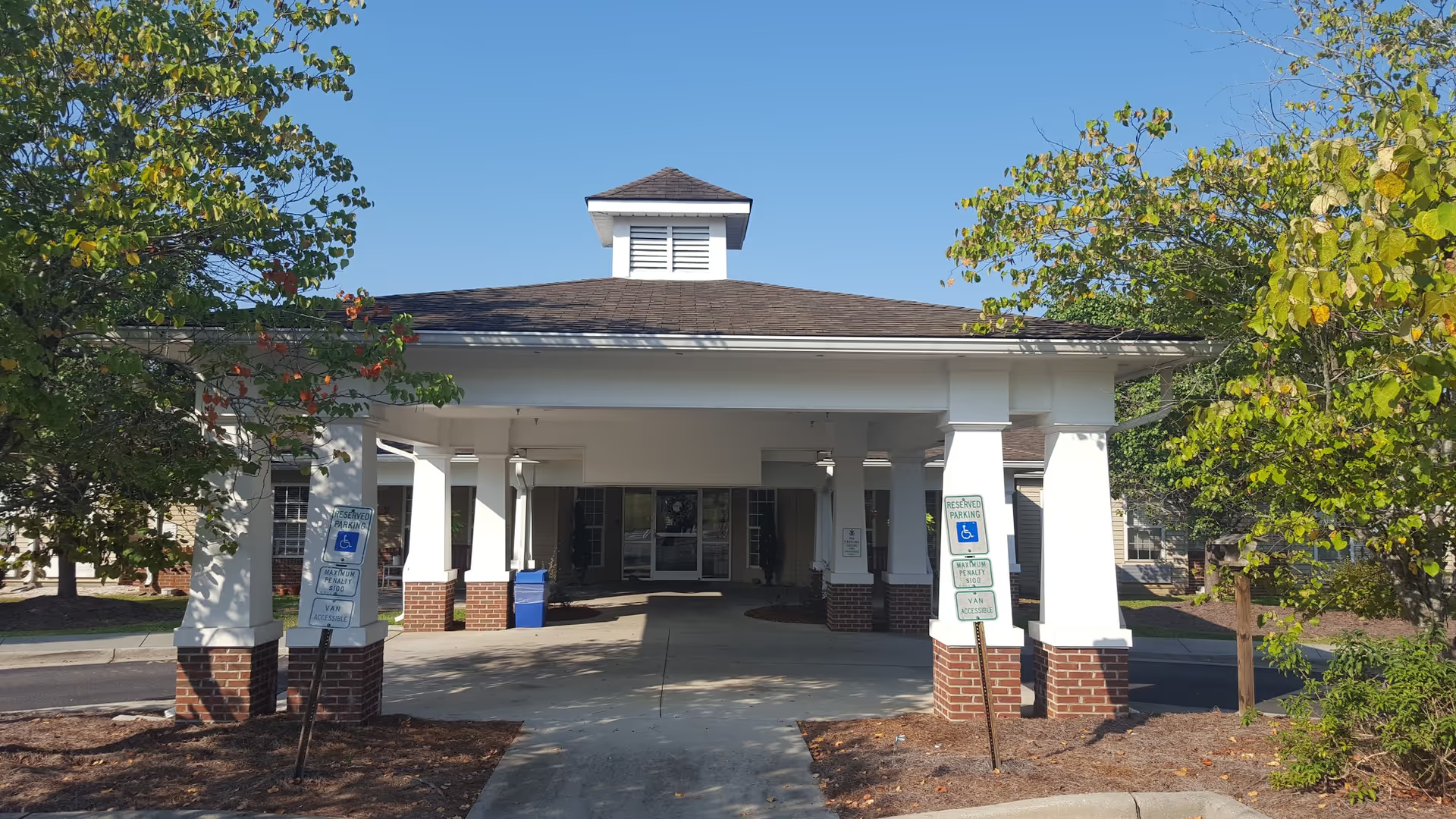
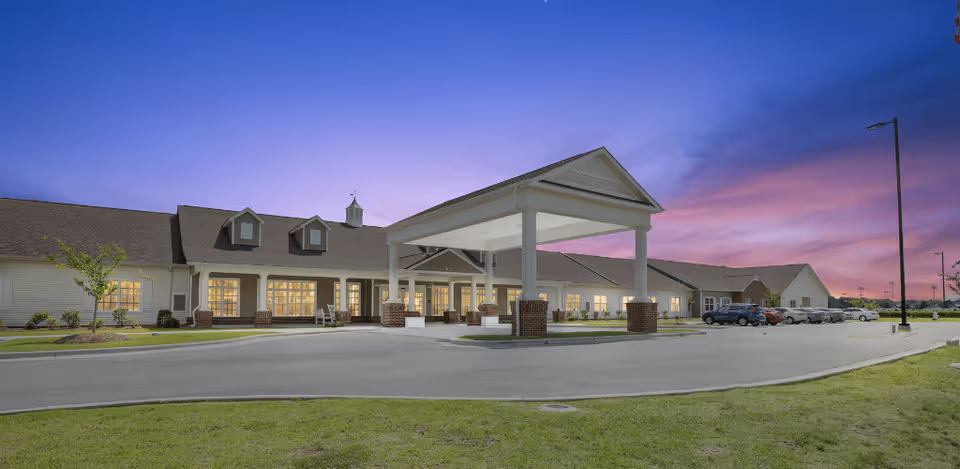
Facilities and privacy: The building and rooms are consistently described as clean, orderly, and attractive. However, privacy is constrained in areas with double‑occupancy rooms, and availability of single rooms appears limited. Families for whom private rooms are important should verify current private‑room availability and room assignment policies before placement.
Management and communication: Management appears to foster several institutional strengths (cleanliness, therapy programming, amenities), but communication and follow‑up processes present an opportunity for improvement. Reviewers cite gaps in timely follow‑up and family‑communication practices; addressing these operational processes could reduce variability in family experience and perceptions of care continuity.
Notable patterns and recommendations: The dominant positive themes are compassionate staff, effective rehabilitation, and a clean, attractive environment. The dominant negative themes are variability in staff responsiveness and limited privacy due to shared rooms. For prospective residents and families, recommended due diligence includes observing staff interactions during different shifts, asking about private‑room waitlists or upgrade options, clarifying communication protocols (who provides updates and how often), and discussing dietary accommodations. These steps will help align expectations with the facility’s strengths and identify areas where additional oversight or advocacy may be needed.