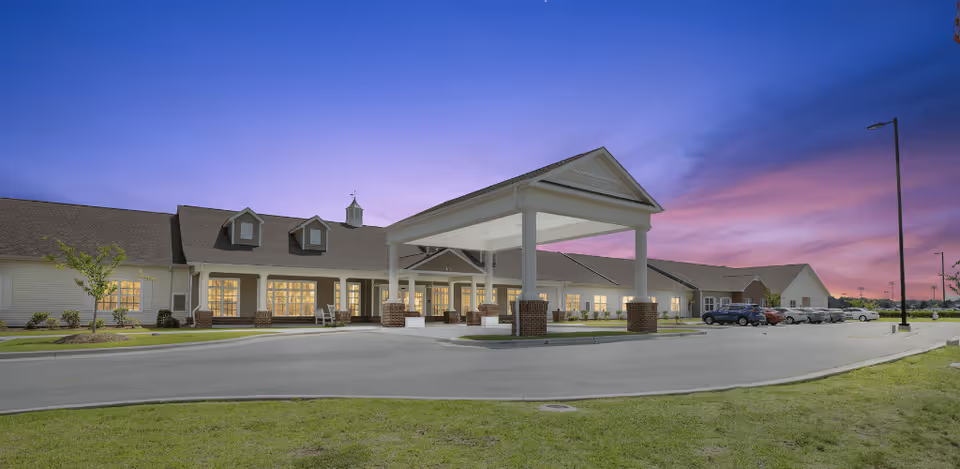
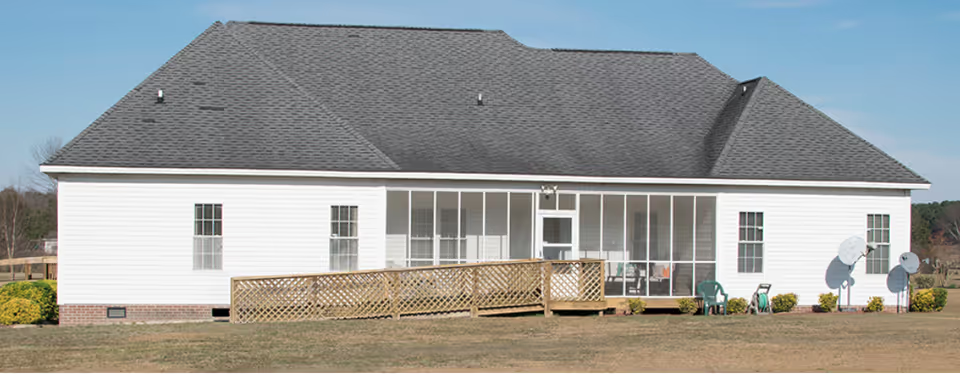
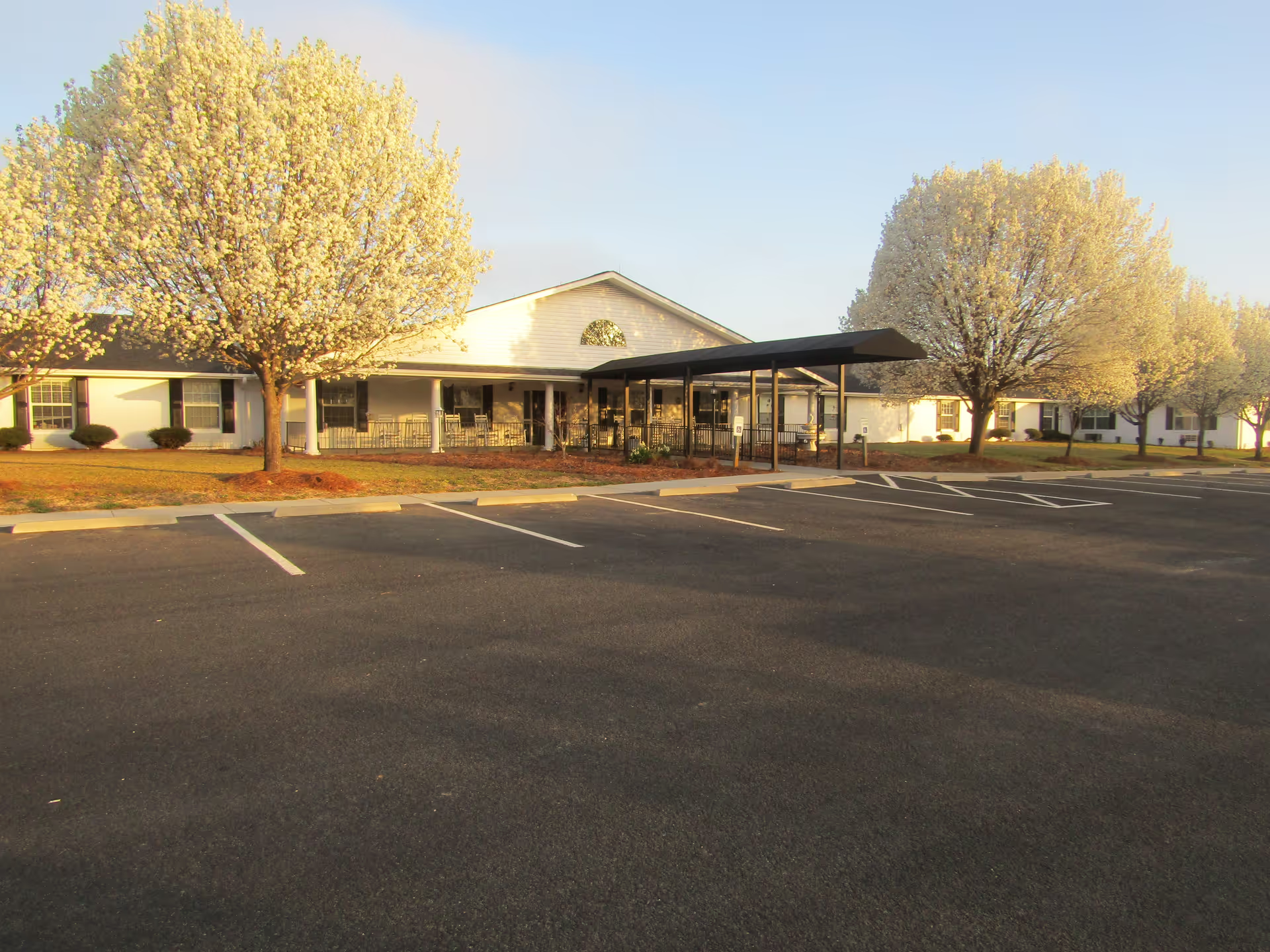
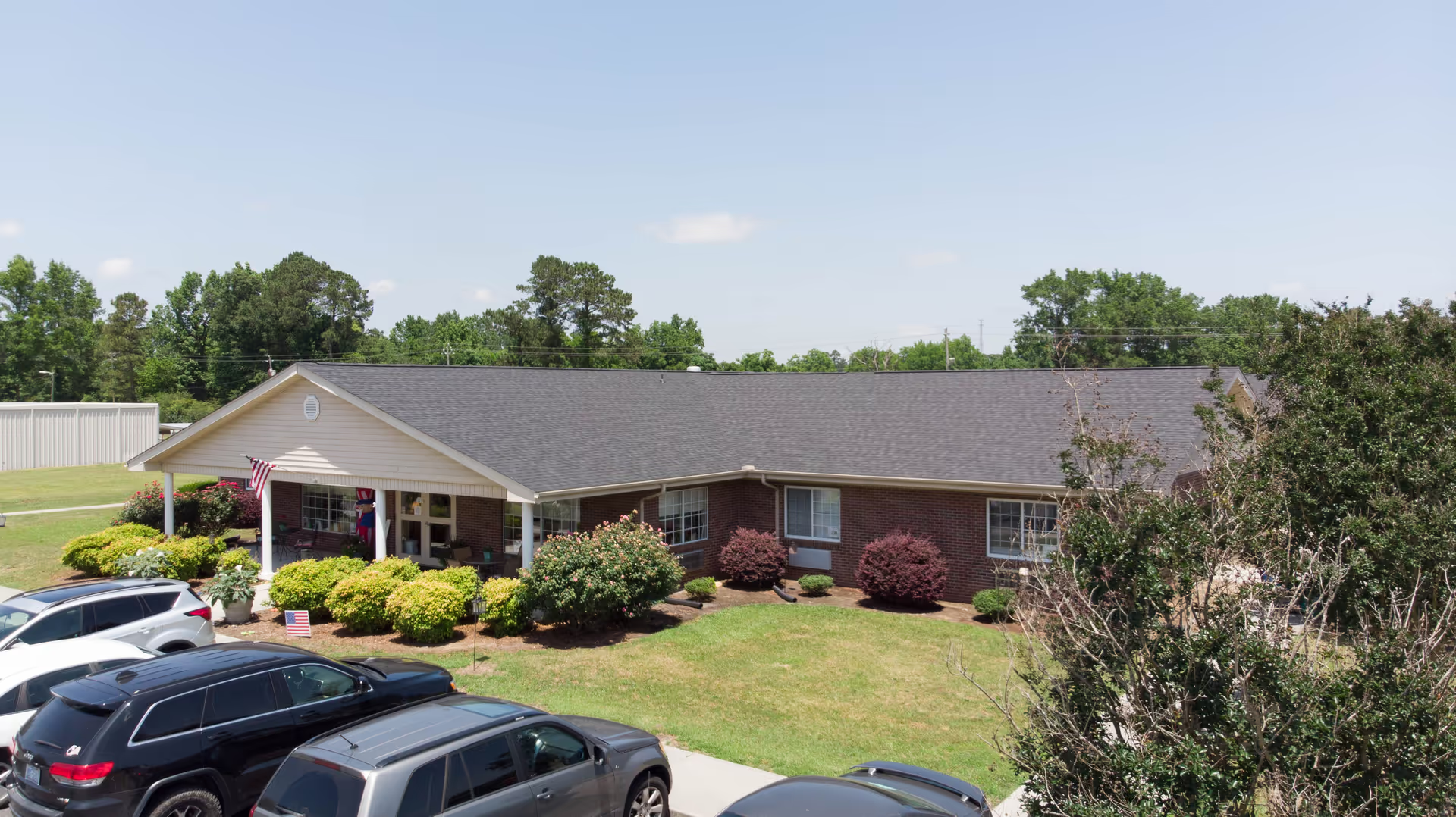
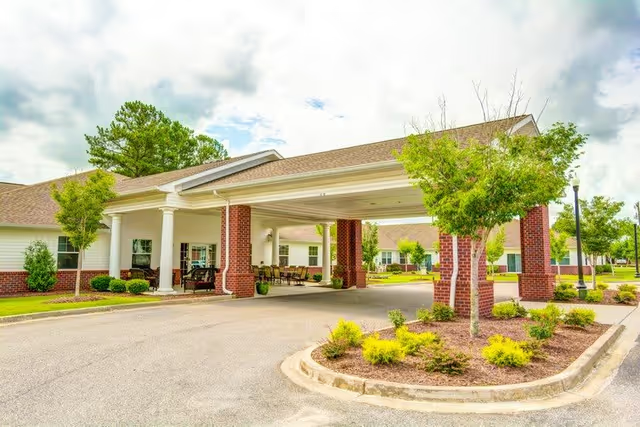
Overall impression: WoodHaven Nursing Center elicits a mix of strongly positive and concerning observations. Many families and short-term rehab patients described a clean, attractive facility with private, hospital-style rooms, inviting common spaces (indoor courtyard, lounge, outdoor area), and a strong rehabilitation focus. At the same time, a number of reviews raise operational concerns that point to inconsistent performance across units and shifts.
Care quality and staff: The facility receives frequent praise for its therapy programs and rehab outcomes; reviewers described effective, goal-oriented PT/OT services and staff who actively work toward discharge mobility goals. Numerous accounts highlight compassionate, attentive nurses, CNAs, and therapy staff who go above and beyond. Conversely, several reviews describe inconsistent staffing levels, periodic unmanned nursing stations, and delays in routine care. These operational gaps have translated, in a subset of cases, into missed feedings, delayed hygiene assistance, and transfers to higher-acuity care. There are also recurrent concerns about medication management and about staff conduct and responsiveness that merit direct inquiry during a tour.
Dining and support services: Multiple reviewers compliment the kitchen team and food quality, and cite staff in dining and housekeeping as caring and efficient. Admissions and front-office personnel are frequently described as welcoming and helpful when the intake process runs smoothly. However, some families reported slow or inconsistent follow-up from social-work and administrative staff, and a few described billing or placement stresses related to perceived slow clinical progress.
Activities and dementia care: The facility offers recreational activities, games, and common-area programming that many residents enjoy, which supports short-term rehab engagement and socialization. That said, there are specific concerns about dementia-focused programming and the environment for memory-care residents: limited in-room entertainment options in the Alzheimer’s unit, and comments that the unit may not meet the needs of residents requiring more specialized dementia care. Prospective families with memory-care needs should assess dementia programming and staffing specifically.
Facilities, maintenance, and cleanliness: Many reviewers praised the facility's appearance, private rooms, and cleaning staff. At the same time, there are intermittent reports of sanitation and odor-control variability and delayed maintenance (for example, lighting and bathroom repairs). These inconsistencies appear to cluster by unit and shift rather than reflecting uniformly poor facility condition.
Management and communication patterns: A notable pattern is variability in management responsiveness. Some families describe excellent, proactive communication and social-work support, while others experienced delayed follow-up, inconsistent communication after clinical incidents, and shortcomings in case coordination. There are also references to infection-control events and clinical escalations that underline the importance of asking about current staffing ratios, infection protocols, and incident-response procedures when evaluating placement.
Notable patterns and guidance for families: WoodHaven appears well suited to short-term, rehab-focused stays where strong therapy services and engaged nursing/therapy staff can deliver measurable progress. For long-term care or residents with advanced dementia, reviewers advise caution and recommend focused assessment of dementia programming, staffing consistency across shifts, medication oversight, privacy/dignity practices, and family-communication protocols. When touring, families should observe multiple shifts, ask for recent staffing and quality metrics, review medication-management policies, and request specifics about dementia care and maintenance response times.